能源转型

Search documents
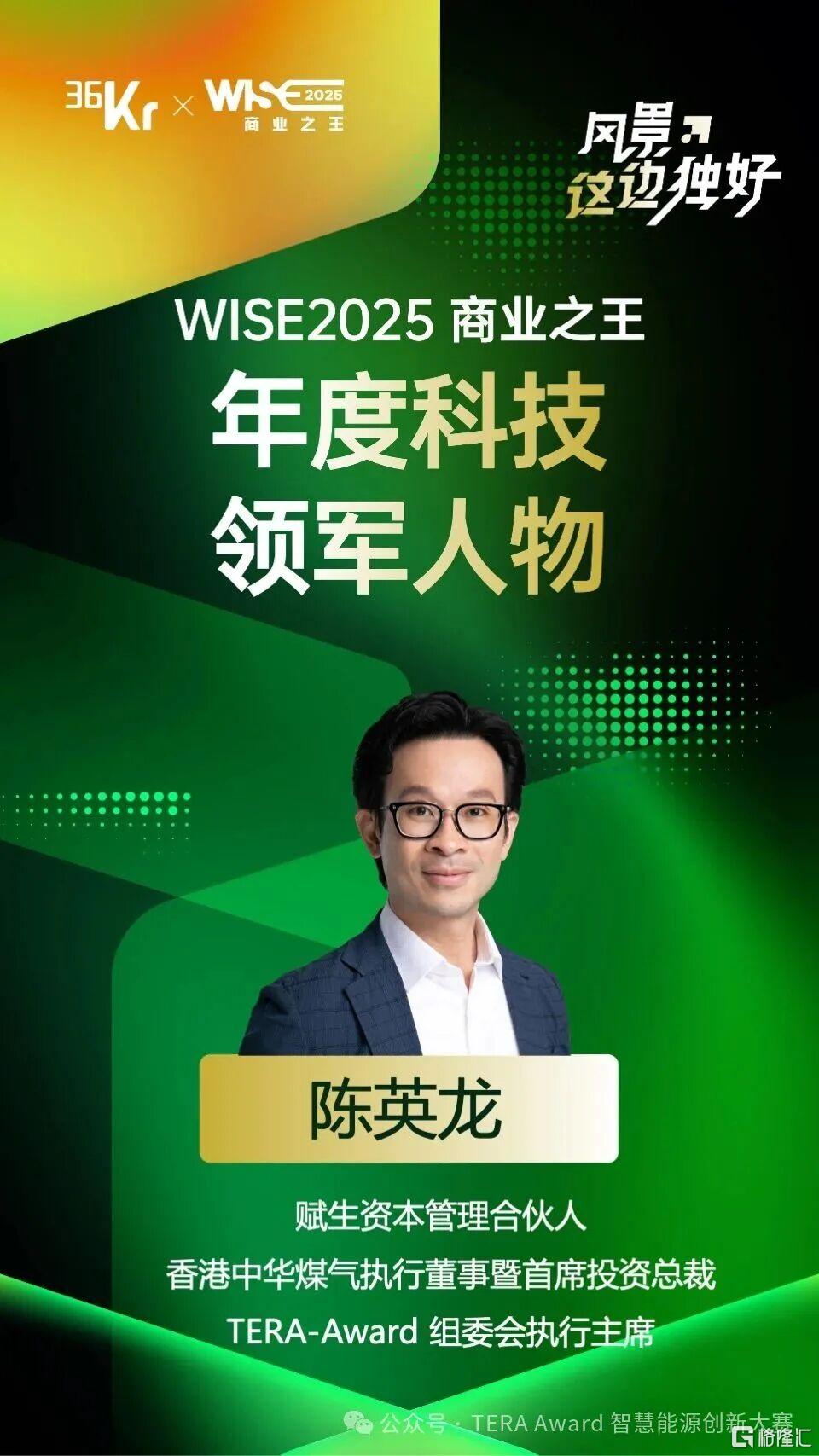
香港中华煤气执行董事暨首席投资总裁陈英龙荣获36氪「WISE2025 商业之王年度科技领军人物」
Ge Long Hui· 2025-12-10 09:24
Core Insights - The article highlights the recognition of Chen Yinglong as a leading figure in technology innovation, particularly in the energy sector, by 36Kr's "WISE2025 Business Kings Annual List" [1][5]. Group 1: Recognition and Achievements - Chen Yinglong, Executive Director and Chief Investment Officer of Hong Kong and China Gas, was named "Annual Technology Leader" for his strategic contributions in energy technology and innovation [1][5]. - The "Annual Technology Leader" award focuses on individuals who have made significant contributions to technological breakthroughs and commercial applications in the field [5]. Group 2: Contributions to Energy Technology - Under Chen's leadership, several key energy technology achievements have been realized, including: - EnerVenue's water-based metal battery achieving commercial success, ranked 18th among top global green tech companies by TIME magazine in 2025 [5]. - StarFive's launch of the world's first RISC-V architecture-based BMC data center management chip, recognized in EE Times Silicon 100 as the only Chinese RISC-V company [5]. - EcoCeres becoming Asia's leading SAF/HVO supplier, projected to account for approximately 20% of global production in 2024 [5]. - Luquos Energy's establishment of China's first sulfur-based flow battery energy storage demonstration project, consistently ranked among the top 20 global flow battery startups for three consecutive years [5]. - i2Cool's development of electricity-free cooling materials published in Science, now applied in over 30 countries [5]. Group 3: Innovation Ecosystem and Future Goals - The TERA-Award Smart Energy Innovation Competition, initiated by Chen, has attracted nearly 2,000 startups from 76 countries, becoming a significant accelerator for global energy technology innovation [6]. - Chen emphasizes that the core mission of energy technology is to address global challenges, particularly in the context of carbon neutrality and climate governance [6]. - Future plans include enhancing collaboration in energy technology between Hong Kong and the global market, focusing on next-generation energy, green fuels, energy storage, and AI in energy [6].


3月19-20日常州!2026锂电关键材料及应用市场高峰论坛
鑫椤锂电· 2025-12-10 08:06
Core Viewpoint - The lithium battery industry is poised for a significant growth cycle starting in 2026, characterized by strong demand recovery, accelerated global expansion, and disruptive technological advancements, leading to a "spiral rise" in both volume and price [3]. Group 1: Market Outlook - By 2025, global lithium battery production is expected to reach 2250 GWh, with a growth rate of 30% in 2026, and the energy storage sector projected to grow by 48.3%, driven by both domestic and international demand [5]. - There is a notable supply gap in the production of battery cells and key materials, making supply chain stability and efficiency crucial for capitalizing on this growth opportunity [5]. Group 2: Conference Details - The 2026 Lithium Battery Key Materials and Applications Market Summit will be held on March 19-20, 2026, in Changzhou, Jiangsu, organized by Xinluo Information [4]. - The summit will focus on three core topics: in-depth discussions on cutting-edge technologies and market supply-demand dynamics, the release of the authoritative 2025 lithium battery brand rankings, and B2B procurement matchmaking [5][6][7]. Group 3: Key Topics and Participants - The main forum will cover lithium carbonate fundamentals and supply-demand outlook, advancements in solid-state battery electrolytes, and high-performance electrolyte research [9]. - Notable participants include Tianqi Lithium Corporation, Liyang Zhongke Solid Energy New Technology Co., and various leading battery manufacturers and material suppliers [9][10]. Group 4: Participation and Sponsorship - The participation fee is set at 2800 yuan per person, with limited free attendance available for the first 200 registrants [16]. - Sponsorship opportunities are available for companies interested in participating in the event [16].






储能新时代 共赴能源转型新未来
Zhong Guo Qing Nian Bao· 2025-12-10 07:28
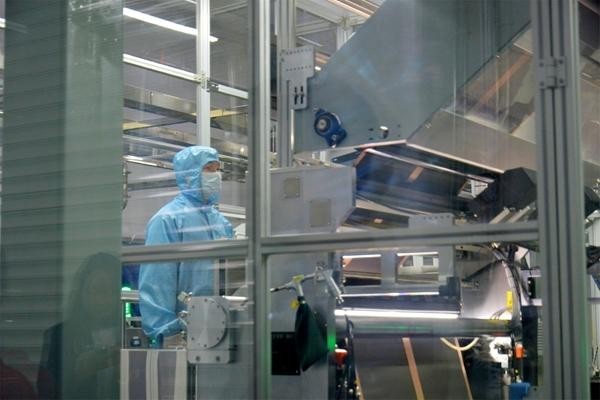
"我们看到学校所学迅速转为实验室技术,进而被产业界快速应用。这种知识与时代脉搏的同频共振, 让人兴奋。"入职能源央企两年,95后工程师王志得亲历了从学术前沿到产业一线的跨越。通过大量调 研,他深入理解火电转型的实际需求,并作为核心研发人员,深度参与到卡诺电池等科技项目中。 11月13日,湖北宜昌,楚能新能源创新科技有限公司生产车间内,全自动生产线高效运转,技术工人依 托智能监测系统严格把控工序,将原材料加工成储能电池成品。视觉中国供图 新型储能将在"十五五"快速增长,有专家预测其会成为下一个万亿级市场。Z世代正与能源转型的时代 同行,他们不是旁观者,而是正在亲历和参与塑造一个新时代。 当越来越多的中国超级"充电宝"——储能项目走向世界,曾是光伏"配角"的行业储能,也成为不少年轻 人干事创业的新选择。 "这正好对应我们这一代人选专业、进实验室的时间点,可以说是和时代一起入场。"贺可寒说。 这些平视世界的Z世代,正与能源转型的时代同行。不止一位受访青年列举出相似的标志性事件:电动 车销售渗透率领跑全球、新型储能装机年增速超过200%、国家密集发布新型储能试点项目、高校纷纷 —————————— 来自华北电力大学储 ...
法国核电产能回升 电力盈余可持续两三年
Xin Hua She· 2025-12-10 06:30
人民财讯12月10日电,法国输电网公司(RTE)9日发布分析报告指出,今后几年法国发电量将继续超过国 内用电需求,可支持向德国等邻国出口电力,同时有助于本国加速能源转型。 报告称,随着故障检修和例行维护结束,法国各核电站陆续恢复正常运行,加上可再生能源产能持续扩 大,法国的低排放"绿色电力"出现盈余,且电价处于欧洲最低水平行列。这种电力产能过剩的局面预期 将持续两到三年。 (文章来源:新华社) ...
IRENA:全球可再生能源投资增速显著放缓
Zhong Guo Hua Gong Bao· 2025-12-10 03:26
中化新网讯 近日,国际可再生能源机构(IRENA)发布了《2025年全球能源转型融资趋势》报告。报告指 出,2024年全球用于支持能源转型的技术投资达到创纪录的2.4万亿美元,较2022至2023年平均水平增 长20%。 其中,可再生能源技术投资达创纪录的8070亿美元,但与上一年相比,增速已放缓至7.3%(上一年为 32%),照此速度,到2030年"可再生能源发电能力翻倍"的全球目标将无法实现。 报告显示,可再生能源、电网和电池储能设施的总投资已超过化石燃料投资;光伏发电系统投资同比增 长49%,达到5540亿美元;90%的能源转型投资集中在发达国家和中国。IRENA还指出,新兴市场和发展 中国家的债务负担可能会加剧,并强调增加融资以及多边和双边合作对于实现公平的能源转型至关重 要。 ...
27亿,贵州黔能一号私募基金成立
Sou Hu Cai Jing· 2025-12-10 02:08
Group 1 - The fund named Guizhou Qianeng No.1 Private Equity Fund has been established with a total investment of 2.7 billion yuan [1][3] - The fund will focus on three core areas: clean energy development, clean coal utilization technology, and new energy storage systems, aiming to support Guizhou's energy transition goals during the 14th Five-Year Plan [3] - The fund is expected to initiate its first project selection by 2025, prioritizing energy transition projects with high technological maturity [3] Group 2 - The fund is backed primarily by the Guizhou Provincial Energy Structure Adjustment Equity Investment Fund and is managed by Guizhou Industrial Investment Fund Management Co., Ltd. [1][3] - It is anticipated that the fund will leverage approximately three times the social capital to participate in local energy projects, accelerating the formation of a trillion-yuan-level green energy industry chain [3]

全球能源互联网边会亮相联合国环境大会 共商清洁电气化与可持续能源未来
Yang Shi Xin Wen· 2025-12-10 01:26
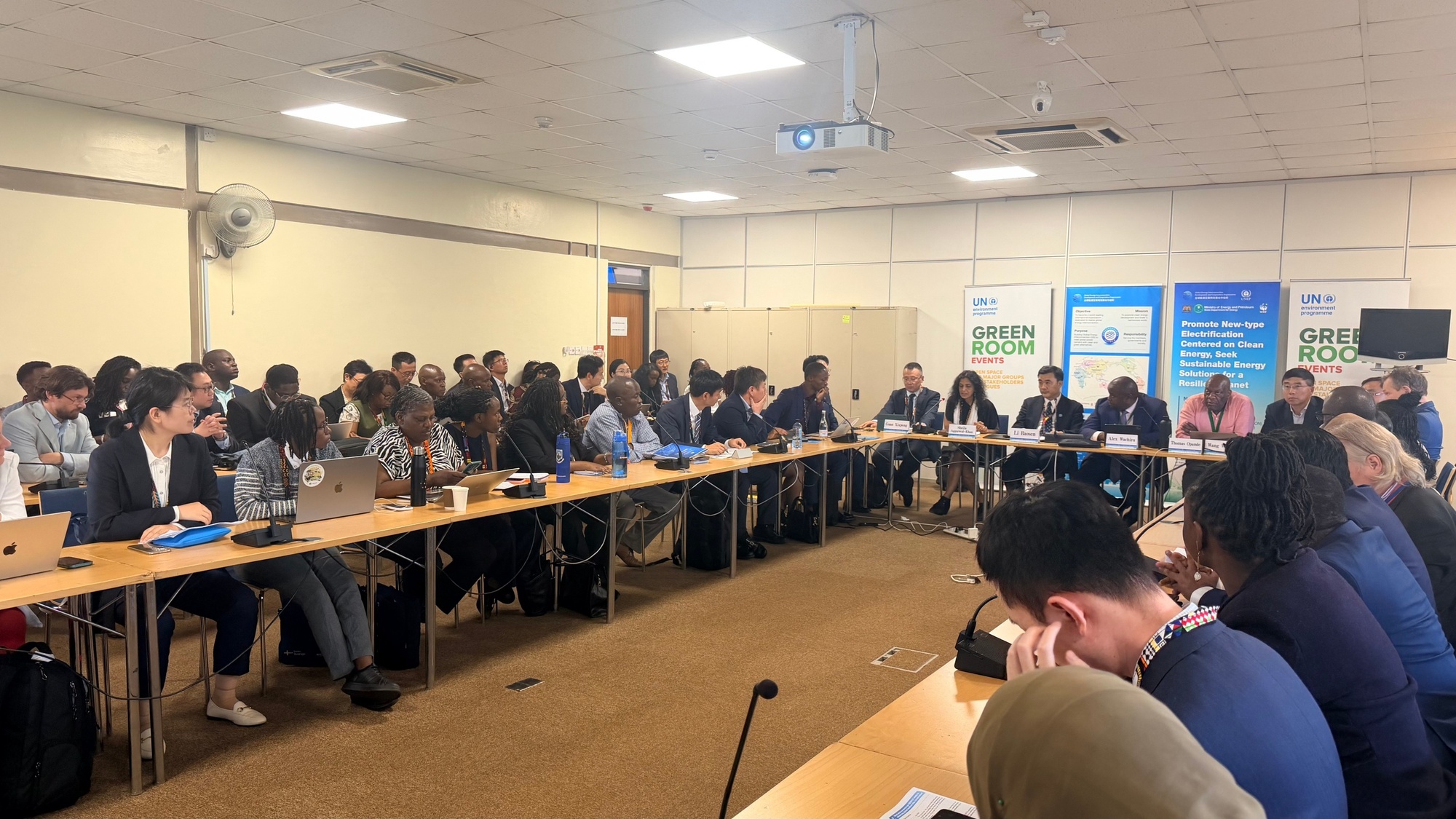
当地时间12月8日,第七届联合国环境大会在肯尼亚首都内罗毕开幕。当日举行的一场边会活动聚焦"推动以清洁能源为核心的新型电气化,为韧性地球 寻求可持续能源解决方案"主题,强调发挥全球能源互联网平台优势,为各国落实减排承诺、保护生态提供系统方案。 全球能源互联网主题边会在第七届联合国环境大会期间举行00:0003:21 活动由全球能源互联网发展合作组织(以下简称"合作组织")主办,联合国环境署、世界自然基金会、肯尼亚能源部等机构合办,吸引了来自联合国机 构、政府、国际组织负责人等全球30多家机构的100多名嘉宾现场参加。 活动期间,来自南方国家、国网浙江电力、远东智慧能源等机构的专家,围绕倡议十周年成效、绿色金融等议题分享见解,强调通过区域与全球合作推 进能源转型与可持续发展。 联合国环境大会作为全球环境领域最高级别决策机构,汇聚全部193个联合国会员国,每两年召开一次会议,负责制定全球环境议程、提供宏观政策指 引,并制定应对新兴环境挑战的政策对策。今年的大会聚焦探讨从应对野火到解决人工智能对环境影响等一系列问题,核心议程之一是审议通过《2026- 2029年中期战略》。 作为联合国环境大会观察员,全球能源互联网 ...
港股概念追踪|隔夜美股锂矿概念持续走强 机构重视未来几年产量有显著增长的标的(附概念股)
智通财经网· 2025-12-10 00:32
Group 1 - The U.S. Department of Defense is significantly stockpiling critical minerals, including lithium, cobalt, graphite, and rare earth elements, which are essential for energy transition [1] - Vulcan Energy has secured nearly $2.5 billion in financing for the construction of Europe's largest lithium production project, with an annual production capacity of 24,000 tons of lithium, sufficient to meet the demand for approximately 500,000 electric vehicles per year [1] - CITIC Securities forecasts that the total demand for lithium batteries is expected to exceed 2,700 GWh next year, with a year-on-year growth rate of over 30%, and energy storage battery demand surpassing 900 GWh, indicating potential shortages in various segments of lithium [1] Group 2 - Huatai Securities predicts that the global lithium resource supply increment by 2026 will mainly come from new domestic salt lake projects, increased output from African and Australian mines, and gradual production ramp-up from South American salt lakes [2] - Under neutral expectations, global lithium resource supply is projected to be 1.634 million tons, 2.162 million tons, and 2.532 million tons of LCE for 2025, 2026, and 2027 respectively, with year-on-year growth rates of 22.3%, 32.3%, and 17.1% [2] - CITIC Securities emphasizes the importance of resource self-sufficiency and low-cost quality resources, suggesting that companies with high self-sufficiency can maintain stable raw material supply and high margins, mitigating risks associated with low-margin processing in the future [2] Group 3 - Related companies in the lithium mining sector listed on the Hong Kong Stock Exchange include Tianqi Lithium (09696), Ganfeng Lithium (01772), and Longpan Technology (02465) [3]
High Conviction: Hillsdale Investment Boosts Enerflex Stake by 436% With 3.8 Million Share Purchase
The Motley Fool· 2025-12-09 19:21
Core Insights - Hillsdale Investment Management significantly increased its stake in Enerflex by $43.76 million, bringing its total holding to 4,701,464 shares valued at $50.69 million as of the end of Q3 2025 [1][2][9] - Enerflex's stock price has shown strong performance, with an 85.7% increase over the past year and a notable 73.52 percentage point alpha compared to the S&P 500 [7][9] - The company operates in the energy sector, providing engineered systems and services, particularly in natural gas compression and processing, which positions it as a key player in energy transition and decarbonization initiatives [6][8] Company Overview - Enerflex's market capitalization is approximately $1.86 billion, with a revenue of $2.5 billion and a net income of $136 million for the trailing twelve months [4] - The company's stock is currently priced at $15.61, with a gross margin of 22.40% and a dividend yield of 0.77% [4][9] - Enerflex serves a diverse global customer base, including independent oil and gas producers, integrated energy companies, and midstream operators across various regions [8] Investment Sentiment - The increase in Enerflex's stake by Hillsdale represents a 436% rise in Q3 2025, indicating strong institutional confidence rather than routine portfolio adjustments [9] - Analysts have shown positive sentiment towards Enerflex, with Royal Bank of Canada raising its price target from $15 to $17, reflecting optimism about the company's prospects in the natural gas infrastructure sector [9] - Enerflex's stock has experienced volatility, with a beta of 2, indicating it is 100% more volatile than the S&P 500, which may present both opportunities and risks for investors [10][11]

2025年中国氢能源行业市场研究报告
硕远咨询· 2025-12-09 14:21
手机号 15769519125 2025 年 中国氢能源行业市场 研究报告 主编:雷静兰 编辑:张潞玮 商业合作: collaboration@shuoyuanconsulting.com 1 / 32 1.中国氢能源行业概述 1.1 氢能源的定义与分类 1.1.1 氢能源的基本概念 氢能源是指以氢气作为能源载体,通过燃烧或电化学反应释放能量的一种清洁 能源形式。氢气作为一种高效的能源载体,具有许多显著的优势。氢能源因其 高能量密度、清洁环保特性及多领域应用潜力,被视为推动绿色低碳发展和能 源结构转型的重要战略能源。目前,全球多个国家和地区纷纷加大对氢能源技 术研发和基础设施建设的投入,推动氢能产业链的完善,包括制氢、储氢、运 氢和加氢站等关键环节。绿色制氢技术的发展尤为重要,即利用可再生能源电 解水制氢,避免传统制氢过程中的碳排放,从根本上实现氢能的清洁化。 综上所述,氢能源作为一种安全、高效、环保的能源形式,不仅在技术上日趋 成熟,而且在政策和市场的推动下,正逐步成为全球能源转型和实现碳中和目 标的重要支柱。未来,随着技术进步和成本降低,氢能源有望在全球范围内得 到更广泛的应用和推广,助力构建绿色低碳的能 ...