
负极材料

Search documents
2Q排产景气度不减-继续看多锂电板块行情
2026-03-30 05:15
Summary of Key Points from the Conference Call Industry Overview - The conference call focuses on the lithium battery sector, highlighting the robust production outlook for Q2 2026, with leading manufacturers expected to increase production by nearly 20% and second-tier manufacturers by 25% [1][3]. Core Insights and Arguments - **Production Growth**: Q2 2026 lithium battery production is expected to exceed previous forecasts, with a year-on-year growth rate likely to maintain above 50% [1][3]. - **Material Price Increases**: The midstream materials segment is anticipated to see price rebounds due to saturated production and rising battery prices, particularly in electrolytes, lithium hexafluorophosphate, lithium iron phosphate, and solvents [1][4]. - **Profitability of By-products**: The price of propylene glycol, a by-product in the solvent segment, has surged from 6,000 CNY/ton to 11,000 CNY/ton, significantly enhancing profit margins for companies like Haike New Source and Shida Shenghua [1][10]. - **Ningde Times' Performance**: Ningde Times is projected to produce approximately 200-220 GWh in Q1 2026, with a net profit forecast of 180-190 billion CNY for the quarter and over 1,000 billion CNY for the year [1][8]. - **Separator and Copper Foil Market**: The separator market is expected to see a utilization rate increase to 90% in 2026, while the copper foil market is projected to reach a supply-demand balance by 2027 [1][13]. Investment Strategies - **Midstream Material Recommendations**: The investment strategy prioritizes midstream materials with high elasticity, particularly electrolytes and lithium hexafluorophosphate, while also focusing on the recovery potential of separators and copper foils [5][6]. - **Battery Segment Outlook**: The battery segment is expected to experience profitability recovery as battery prices rise, with leading companies like Ningde Times maintaining stable unit profitability [7][8]. Additional Insights - **Market Dynamics**: The geopolitical situation in the Middle East has led to rising energy prices, which may accelerate the transition to electric vehicles and increase demand for energy storage solutions [2]. - **Supply Chain Considerations**: The lithium battery industry is facing a tightening supply chain, particularly in the solvent and separator segments, which could lead to further price increases [4][12]. - **Future Trends**: The sodium battery market is expected to enter a commercial ramp-up phase in 2026, potentially doubling the demand for aluminum foil, benefiting leading manufacturers [1][15]. Conclusion - The lithium battery sector is poised for significant growth driven by production increases, rising material prices, and favorable market dynamics. Companies with strong supply chain management and innovative technologies are likely to outperform in this evolving landscape.

电新环保行业周报20260329:聚焦能源格局与业绩主线,重点关注锂电产业链-20260329
EBSCN· 2026-03-29 11:49
Investment Ratings - The report maintains a "Buy" rating for both the Electric Power Equipment and Environmental Protection sectors [1]. Core Insights - The market is beginning to focus on the new energy landscape post-conflict, with the electric power sector showing defensive attributes and performing well amid heightened market risk aversion due to uncertainties in Iran [3]. - The lithium battery sector is expected to perform well in the upcoming April earnings season, driven by strong sales data for power and energy storage batteries, with a cumulative sales volume of 262.0 GWh in January and February, representing a year-on-year growth of 53.8% [3]. - The report suggests a ranking of importance for various new energy sectors: lithium batteries, energy storage, electric power equipment, wind power, and photovoltaics [3]. Summary by Sections Lithium Battery Sector - The lithium battery market is experiencing tight supply, with concerns over future supply impacting market sentiment. The average battery capacity for new energy vehicles in China has increased to 64.9 kWh, a year-on-year growth of 32.3% [4]. - The report highlights structural opportunities in the materials sector, recommending attention to companies like Bofeng Technology and Ningde Times [22]. Energy Storage - The domestic energy storage market is expected to rebound due to the release of capacity pricing policies, with ongoing monitoring of bidding data and installation figures necessary [6]. - In the overseas market, the U.S. is expected to see a resurgence in energy storage demand due to ongoing electricity shortages [6]. Wind Power - The report anticipates a significant increase in domestic wind power installations, with a projected 119.33 GW of new capacity in 2025, a year-on-year growth of 50.4% [7]. - The average bidding price for wind power equipment is also highlighted, with a notable decrease in the bidding capacity for 2025 [12]. Photovoltaics - The report notes a decline in prices across the photovoltaic supply chain, with silicon material prices continuing to drop due to low purchasing intentions from downstream buyers [32]. - The profitability of various segments within the photovoltaic industry remains under pressure, with no segment currently generating operational profits [32]. Investment Recommendations - The report recommends focusing on the European offshore wind sector and related equipment manufacturers, as the market is expected to see significant growth from 2026 to 2030 [16]. - In the lithium battery sector, the report suggests that high oil prices will drive increased penetration of electric vehicles, with a notable increase in exports of new energy vehicles [20].

中东战争对于锂电原材料供应及价格影响几何?
起点锂电· 2026-03-28 10:12
Core Viewpoint - The article discusses the impact of the Middle East conflict on the lithium battery supply chain, highlighting significant disruptions in energy, logistics, and raw material costs, particularly focusing on negative electrode materials and electrolyte solutions [1][2][3]. Group 1: Impact on Raw Materials - Negative electrode materials (artificial graphite) are experiencing the most direct and severe impact due to rising oil prices, which increase the cost of petroleum-derived products [1][3]. - Electrolyte solvents (DMC/EC/EMC) have seen price increases of 20%-25% in March, driven by supply constraints and soaring shipping costs, making solvents the largest risk point for electrolytes [2]. - Lithium salts (lithium carbonate/hydroxide) face dual pressures from energy costs and logistics, with shipping costs from Africa/Australia to China rising from $35/ton to $85-90/ton (+150%), leading to a total cost increase of 3200-4000 RMB per ton of lithium carbonate [2]. Group 2: Specific Material Price Changes - The price of petroleum coke has risen significantly, with a 1000 RMB/ton increase leading to a 6%-8% rise in negative electrode costs, and recent cumulative increases of 250-500 RMB/ton (+10%+) have been noted [3]. - The supply of lithium from Australia is being affected by diesel shortages, with a 10% reduction in output equating to a loss of supply comparable to one major battery manufacturer [4]. - Phosphate chemicals are also under pressure due to regional and shipping risks, which are pushing up costs for lithium iron phosphate production [4]. Group 3: Overall Impact Summary - The overall impact of the Middle East conflict includes increased oil prices leading to higher costs across the entire supply chain, with significant implications for the lithium battery industry [6]. - The disruption in shipping routes, particularly in the Red Sea and Hormuz, has resulted in skyrocketing freight costs and delays, further complicating the global supply chain [6]. - Local resource disturbances, particularly in Iran and the Middle East, are constraining the supply of certain raw materials, exacerbating the situation for battery manufacturers [6].

鑫椤锂电一周观察 |PVDF涨价!阿科玛、索维尔两大PVDF巨头已发布涨价函
鑫椤锂电· 2026-03-27 01:35
Core Viewpoint - The article provides a comprehensive overview of the lithium battery industry, highlighting key developments in various segments such as lithium carbonate, electrolyte, and battery materials, while also discussing market trends and price fluctuations. Lithium Carbonate Market - Zijin Mining's 25,000-ton lithium carbonate project has entered trial production, utilizing a carbonization method combined with resin deep purification to produce high-quality battery-grade lithium carbonate [1][2] - The current market price for battery-grade lithium carbonate is between 152,000 to 157,000 RMB per ton, while industrial-grade is priced at 137,000 to 143,000 RMB per ton [7] Three-element Materials Market - The price of three-element materials remains stable, with the latest prices for single crystal type at 193,000 to 200,000 RMB per ton and 811 type at 191,000 to 210,000 RMB per ton [9] - There is an expected reduction in three-element material output in April, influenced by export demand in March [8] Phosphate Iron Lithium Market - The phosphate iron lithium market has seen a slight price increase, with current prices for power-type at 52,900 to 53,900 RMB per ton and storage-type at 52,700 to 53,700 RMB per ton [10] - Expansion plans are underway for several companies, including Jiangxi Shenghua's target of 850,000 tons, indicating a growing market [9] Negative Electrode Materials Market - The negative electrode materials market remains stable, with high-end artificial graphite products priced between 31,800 to 64,800 RMB per ton [11] - Demand for storage and heavy-duty vehicle orders is strong, although raw material prices are rising [10] Electrolyte Market - The electrolyte market has experienced a slight decline, with production levels in March remaining consistent with January [13] - The price for lithium hexafluorophosphate electrolyte is currently between 103,000 to 110,000 RMB per ton [14] Battery Market - The battery cell market prices are stable, with square three-element power cells priced at 0.44 to 0.50 RMB per Wh and square phosphate iron lithium power cells at 0.29 to 0.38 RMB per Wh [15] - The market is expected to see a 5-6% increase in production in April due to strong demand in the storage sector [15] New Energy Vehicle Market - Retail sales of new energy vehicles in China from March 1-22 reached 495,000 units, a year-on-year decrease of 17% but a month-on-month increase of 66% [16] - The penetration rate of new energy vehicles in the passenger car market is currently at 53.9% [16] Energy Storage Market - The energy storage cell market prices are stable, with recent bidding prices for large-scale storage systems ranging from 0.49 to 0.53 RMB per Wh [17] - Strong overseas demand, particularly from Eastern Europe and Africa, is noted [17]
ICC鑫椤资讯:2026年2月全球锂电数据
鑫椤锂电· 2026-03-27 00:43
Core Insights - The article provides a comprehensive overview of the lithium battery and related materials market, highlighting significant growth in production across various segments for early 2026 compared to the previous year. Lithium Battery Market - In February 2026, global lithium battery production reached 202.6 GWh, marking a year-on-year increase of 42.2%. The total production for January-February 2026 was 400.37 GWh [1]. Energy Storage - Global energy storage battery production in February 2026 was 70 GWh, showing a remarkable year-on-year growth of 150%. The total production for January-February 2026 was 145 GWh [2]. Lithium Carbonate - China's lithium carbonate production in February 2026 was 82,200 tons, reflecting a year-on-year increase of 29.7%. The total production for January-February 2026 was 177,400 tons [2]. Lithium Iron Phosphate - Global lithium iron phosphate production in February 2026 reached 382,000 tons, with a year-on-year growth of 67.8%. The total production for January-February 2026 was 792,000 tons [3]. Lithium Iron - The production of lithium iron in February 2026 was 323,200 tons, which is a year-on-year increase of 59.68%. The total production for January-February 2026 was 659,700 tons [3]. NCM Materials - Global production of NCM (Nickel Cobalt Manganese) materials in February 2026 was 77,000 tons, representing a year-on-year increase of 14.1%. The total production for January-February 2026 was 171,600 tons [3]. NCM Precursors - The production of NCM precursors in February 2026 was 79,000 tons, with a year-on-year growth of 20.2%. The total production for January-February 2026 was 178,400 tons [3]. Lithium Manganese - China's lithium manganese production in February 2026 was 9,900 tons, showing a year-on-year increase of 19.3%. The total production for January-February 2026 was 22,300 tons [3]. Lithium Cobalt - China's lithium cobalt production in February 2026 was 7,800 tons, reflecting a year-on-year growth of 24.4%. The total production for January-February 2026 was 18,000 tons [3]. Anode Materials - Global anode material production in February 2026 was 284,500 tons, with a year-on-year increase of 44.4%. The total production for January-February 2026 was 584,800 tons [4]. Electrolytes - Global electrolyte production in February 2026 was 196,200 tons, marking a year-on-year growth of 35.4%. The total production for January-February 2026 was 426,500 tons [4]. Separators - Global battery separator production in February 2026 reached 3.414 billion square meters, with a year-on-year increase of 66.4%. The total production for January-February 2026 was 6.904 billion square meters [4]. Copper Foil - China's lithium battery copper foil production in February 2026 was 100,800 tons, reflecting a year-on-year growth of 45%. The total production for January-February 2026 was 200,800 tons [4]. Aluminum Foil - China's battery aluminum foil production in February 2026 was 53,500 tons, showing a year-on-year increase of 68%. The total production for January-February 2026 was 114,300 tons [4]. Lithium Hydroxide - China's lithium hydroxide production in February 2026 was 24,700 tons, which is a year-on-year decrease of 13.3%. The total production for January-February 2026 was 52,000 tons [4]. Recycled Lithium Carbonate - China's recycled lithium carbonate production in February 2026 was 4,900 tons, reflecting a year-on-year increase of 3.1%. The total production for January-February 2026 was 11,500 tons [5].
璞泰来:点评:隔膜业务格局向好,创新+海外是未来动力-20260326
Tai Ping Yang Zheng Quan· 2026-03-26 05:45
Investment Rating - The report maintains a "Buy" rating for the company, indicating a positive outlook for its stock performance relative to the market [1][7][15]. Core Insights - The company has shown strong growth in its membrane business, with a significant increase in revenue and profit margins. In 2025, the company achieved a revenue of 15.71 billion yuan, a year-on-year increase of 16.83%, and a net profit of 2.36 billion yuan, up 98.14% year-on-year [3][4]. - The company is focused on innovation and international expansion, with plans to enhance its product offerings in the lithium battery sector. It aims to achieve a coating processing volume of over 15 billion square meters and a shipment of 250,000 tons of anode materials by 2026 [5][6]. Summary by Sections Financial Performance - In 2025, the company reported a revenue of 15.71 billion yuan and a net profit of 2.36 billion yuan, with significant growth in both metrics [3][4]. - The projected revenues for 2026 and 2027 are 20.91 billion yuan and 28.65 billion yuan, respectively, indicating a growth rate of 33.06% and 37.03% [9]. Business Strategy - The company employs a "materials + equipment + process" integrated strategy to strengthen its position in the lithium battery supply chain. It has invested 888 million yuan in R&D in 2025 to drive innovation [4]. - The membrane business has seen a 56.3% increase in coating volume, reaching 10.94 billion square meters, capturing 35.3% of the global market share [4][5]. Market Outlook - The company is expected to benefit from the growing lithium battery market, with global shipments projected to reach 3,016.3 GWh in 2026 and 6,012.3 GWh by 2030 [5]. - The company plans to enhance its competitive edge by developing new technologies and expanding its production capacity, including a new facility in Malaysia for anode materials [6].

锂盐/负极材料业绩“爆表”
起点锂电· 2026-03-26 05:33
Core Viewpoint - The lithium battery industry is experiencing a recovery in material prices, leading to improved financial performance for several companies in the sector [2][3]. Group 1: Industry Events - The 2026 (Second) Starting Point Lithium Battery Cylindrical Cell Technology Forum and the release of the Top 20 Cylindrical Battery Rankings will take place on April 10, 2026, in Shenzhen [2]. - The event is organized by Starting Point Lithium Battery and Starting Point Research Institute SPIR, with participation from numerous companies in the lithium battery materials sector [2]. Group 2: Financial Performance of Companies - Many companies in the anode and cathode materials sector have reported significant profits, with some achieving net profits in the billions [3]. - WanHua Chemical reported a revenue of 203.235 billion yuan, with a growth rate of 11.62%, but a net profit decrease of 3.88% to 12.527 billion yuan [5]. - Tianhua New Energy's revenue reached 75.49 billion yuan, growing by 14.23%, but its net profit fell by 51.77% to 402 million yuan [5]. - The performance of companies like RuiTaiLai and BeiDaiRui shows strong growth in the anode materials segment, with RuiTaiLai achieving a net profit increase of 98% [5][6]. Group 3: Market Trends - The global shipment of lithium battery cathode materials is projected to reach 4.798 million tons in 2025, a year-on-year increase of 48.5%, driven by the growth in electric vehicles and energy storage markets [11]. - The demand for lithium iron phosphate (LFP) is expected to surge, particularly in large-capacity battery cells [11][12]. - The anode materials segment is also expected to see significant growth, with shipments projected at 2.723 million tons, a 48% increase, primarily driven by artificial graphite [12]. Group 4: Company Strategies - WanHua Chemical is transitioning towards battery materials, aiming for a new business target of 100 billion yuan, having established a closed-loop system from upstream resources to downstream applications [7]. - Tianhua New Energy is focusing on lithium hydroxide and lithium carbonate for battery production, while also exploring next-generation battery technologies [8]. - Cangge Mining has reported a significant revenue increase in Q4, attributed to the recovery in lithium carbonate prices and strong performance in potassium chloride and copper mining [9].



年入156亿,上海冲出一家新能源电池IPO,给宁德时代、比亚迪供货
3 6 Ke· 2026-03-23 07:29
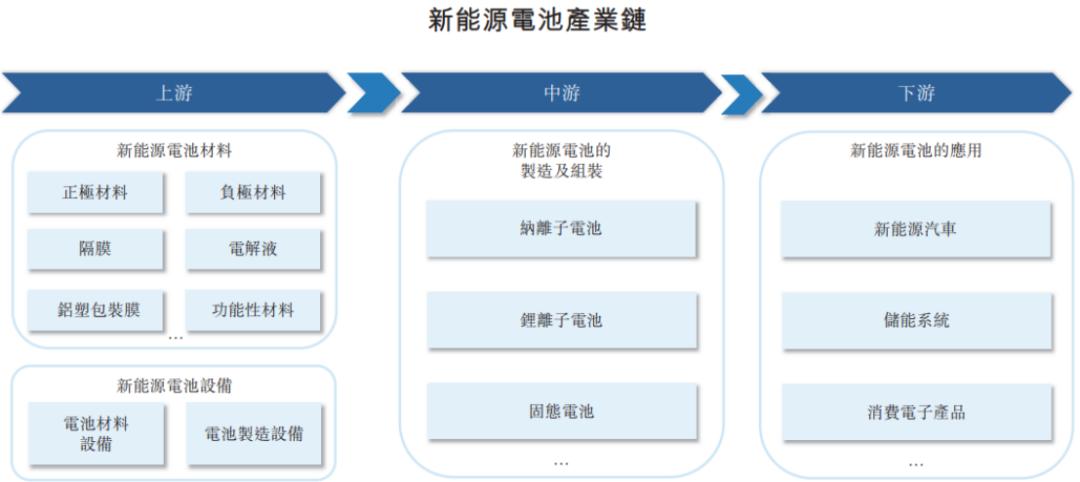
Core Viewpoint - The rapid expansion of the new energy battery market is highlighted, with Shanghai Putailai New Energy Technology Group Co., Ltd. planning an IPO in Hong Kong, indicating strong investor interest in the sector [1]. Group 1: Company Overview - Shanghai Putailai is a comprehensive solution provider in the upstream of the new energy battery industry chain, focusing on membrane materials, coating processing, and anode materials [1][5]. - As of March 20, the company's market capitalization exceeded 67.5 billion yuan [1]. - The company aims to raise funds through its IPO to enhance production capacity and support R&D initiatives [17]. Group 2: Revenue Sources and Risks - Over 70% of the company's revenue is derived from key materials for new energy batteries, with a notable customer concentration risk as revenue from the top five clients accounted for 70.4%, 66.1%, and 58.4% of total revenue in the respective years [2][7]. - The company’s revenue from new energy battery automation equipment is projected to increase from 22.4% to 26.5% during the reporting period [5][6]. Group 3: Market Dynamics - The global new energy battery market is expected to grow from 530.5 GWh in 2021 to approximately 2,257 GWh by 2025, with a compound annual growth rate (CAGR) of 43.6% [10]. - The market for new energy battery separators is projected to reach 36.5 billion square meters by 2025, with a significant increase expected by 2030 [13]. Group 4: Financial Performance - The company's revenue for 2023, 2024, and 2025 is estimated at approximately 15.29 billion yuan, 13.40 billion yuan, and 15.66 billion yuan, respectively, with corresponding net profits of about 2.15 billion yuan, 1.39 billion yuan, and 2.61 billion yuan [8][9]. - The gross profit margins are expected to fluctuate, with rates of 25.9%, 22.1%, and 29.7% for the respective years [8]. Group 5: Competitive Landscape - Putailai holds a 35.3% market share in the global new energy battery coating separator market, making it the largest supplier, but faces competition from other major players [13]. - The company is actively collaborating with leading battery manufacturers and automakers, including CATL, BYD, and LG Energy [7]. Group 6: Management and Structure - The company was founded in 2012 by Liang Feng and Chen Wei, with Liang serving as the chairman since 2015 [14][16]. - As of the end of 2025, the company employed 5,912 staff, with over 90% based in China [14][15].

百亿电池项目落地内蒙古!
起点锂电· 2026-03-20 12:19
Group 1 - The article discusses the upcoming 2026 (Second) Starting Point Lithium Battery Cylindrical Technology Forum and the release of the Top 20 Cylindrical Battery Rankings, emphasizing the theme of "All-Ear Technology Leap and Leading the Large Cylindrical Market" [3] - The forum will take place on April 10, 2026, at the Venus Hall of the Venus Royal Hotel in Shenzhen, organized by Starting Point Lithium Battery and Starting Point Research Institute SPIR [3] - The event will feature major sponsors and speakers from companies such as Penghui Energy, Dofluorid, and others, highlighting the industry's focus on cylindrical battery technology [3] Group 2 - Inner Mongolia is identified as a pioneer region in China's energy transition, with significant projects underway, including the Tianpu Technology lithium battery and energy storage system project, which commenced construction on January 21 this year and is expected to be operational by the end of November [4][6] - The total investment for the Tianpu project is 10.5 billion yuan, aiming to establish a 50 GWh lithium battery and energy storage system production line [4] - The parent company, Baofeng Group, is a strong player in the energy sector, transitioning from traditional coal chemical industries to energy storage and lithium battery manufacturing, aligning with national carbon reduction goals [6][7] Group 3 - Baofeng Group's energy storage division has been rapidly developing, with significant projects like the 2500 MW/10000 MWh energy storage station receiving permits, indicating a strategic shift towards renewable energy [8] - The geographical advantages of Inner Mongolia, including resource availability and supportive policies, are expected to foster a robust energy storage industry cluster in the region, potentially rivaling established areas like the Yangtze River Delta [11] - Recent developments in solid-state batteries and negative electrode materials in Inner Mongolia, including a 57 billion yuan investment for a 200,000-ton negative electrode material project, reflect the region's growing importance in the lithium battery supply chain [9][10]
锂电行业跟踪:美国或取消对中国负极材料双反关税,碳酸乙烯酯价格上涨
Shanghai Aijian Securities· 2026-03-16 10:25
Investment Rating - The report rates the industry as "Outperform" [2] Core Insights - The production of domestic batteries in February 2026 decreased by 15.71% month-on-month but increased by approximately 41.18% year-on-year, with a total output of 141.6 GWh [2] - The price of battery-grade lithium carbonate has risen to 153,500 CNY/ton, while the price of battery-grade ethylene carbonate increased by 23.30% to 6,400 CNY/ton as of March 13, 2026 [2] - The demand for lithium iron phosphate batteries saw a monthly shipment of 20.60 GWh in February 2026, which is a year-on-year decrease of 24.46% and a month-on-month decrease of 37.00% [2] Summary by Sections Production - In February 2026, domestic production of lithium iron phosphate cathode materials reached 268,000 tons, reflecting a month-on-month increase of 9.34% and a year-on-year increase of 67.92% [2] Prices - The average price of lithium iron phosphate (power type) was reported at 54,100 CNY/ton, showing a slight decrease of 0.18% from March 3, 2026 [2] - The average price of lithium hexafluorophosphate remained stable at 111,000 CNY/ton as of March 9, 2026 [2] Domestic Demand - The newly awarded capacity for energy storage in China reached 34.45 GWh in February 2026, marking a month-on-month increase of 46.97% and a year-on-year growth of 6.03% [2] - The monthly shipment of ternary power batteries was 5.70 GWh in February 2026, which is a year-on-year decrease of 10.94% and a month-on-month decrease of 39.36% [2] Overseas Demand - The export volume of Chinese power batteries in February 2026 was 16.90 GWh, representing a year-on-year increase of 32.03% but a month-on-month decrease of 4.52% [2] - Global sales of new energy vehicles in January 2026 totaled 1.1829 million units, reflecting a year-on-year decrease of 5.99% and a month-on-month decrease of 45.04% [2]


