
军国主义

Search documents
外交部:任何外部势力胆敢介入台海事务,我们必将迎头痛击
财联社· 2025-12-02 08:06
Core Viewpoint - The article emphasizes China's firm stance against Japan's recent statements regarding Taiwan, asserting that Taiwan is an integral part of China and criticizing Japan's actions as a challenge to post-war international order [2][3][6]. Group 1: Taiwan Issue - Taiwan is unequivocally stated as a part of China, and there is no recognition of a "foreign minister" from Taiwan [2]. - Japan's Prime Minister Kishi's remarks on Taiwan are deemed erroneous and a direct challenge to the outcomes of World War II and the post-war international order [3][4]. - China demands Japan clarify its "consistent position" on Taiwan as outlined in four political documents, questioning Japan's commitment to its stated defense policies [4]. Group 2: Japan's Military Posture - Japan's defense strategy, described as "exclusive defense" and passive, is criticized for its implications of potential military action against China [4]. - The article highlights Japan's increasing military expenditures, which have risen for thirteen consecutive years, and its attempts to reinterpret its self-defense capabilities [5]. - Japan's actions are portrayed as a violation of its commitments under international law and its own constitution, with a call for Japan to reflect on its historical obligations as a defeated nation [6]. Group 3: International Relations - China has reiterated its position to the United Nations, emphasizing the need for Japan to adhere to its post-war commitments and to avoid actions that could destabilize the region [6]. - The article underscores the importance of respecting international law, particularly the principles outlined in the UN Charter, in the context of Japan's military rhetoric [4].


外交部:再次敦促日方切实反思纠错 履行战败国义务
Yang Shi Xin Wen· 2025-12-02 07:40
Core Viewpoint - The Chinese government expresses strong opposition to Japan's recent military expansions and historical revisionism, emphasizing the need for Japan to reflect on its past and adhere to international commitments [1]. Group 1: Japan's Military Developments - Japan has increased its defense budget for thirteen consecutive years, indicating a trend towards military expansion [1]. - The country has relaxed restrictions on arms exports and is developing capabilities for "counterattack against enemy bases," which raises concerns about regional security [1]. - Japan's actions are seen as a violation of the terms set forth in the Cairo Declaration and the Potsdam Proclamation, which were established post-World War II [1]. Group 2: China's Position - China has reiterated its stance through a letter to the United Nations Secretary-General, emphasizing the importance of maintaining the post-war international order [1]. - The year marks the 80th anniversary of the victory in the Chinese People's War of Resistance Against Japanese Aggression and the global anti-fascist war, underscoring the historical significance of these events [1]. - China calls for Japan to reflect on its militaristic past and fulfill its obligations as a defeated nation, urging it to act in accordance with commitments made to China and the international community [1].
国际人士表示高市早苗错误言论威胁地区和平稳定
Yang Guang Wang· 2025-12-02 05:05
Group 1 - Japan's 10-year government bond yield rose to 1.875% on December 1, marking the highest level since June 2008, indicating a significant sell-off in Japanese government bonds [1] - The Nikkei 225 index experienced a decline of over 2%, dropping more than 1,000 points during trading [1] - Political analysts express concerns that Prime Minister Fumio Kishida's recent remarks reflect a trend of increasing right-wing politics in Japan, posing serious threats to regional and global stability [1] Group 2 - Various international figures criticize Kishida's statements, suggesting they indicate a potential resurgence of militarism in Japan, which could lead to increased risks of conflict [2] - The remarks made by Kishida are viewed as a serious error that undermines Japan's historical commitments as a defeated nation, raising alarms about regional tensions [2] - The statements have been described as irresponsible and damaging to the trust and cooperation between China and Japan, contributing to global instability [2]
日媒:日本就出口导弹与菲律宾展开非正式磋商
Zhong Guo Xin Wen Wang· 2025-12-01 08:53
Group 1 - Japan is in informal discussions with the Philippines regarding the export of the "Type 03 Medium-Range Air Defense Missile" from its Self-Defense Forces, with the Philippines expressing interest in deploying it within their military [1] - The "Type 03 Medium-Range Air Defense Missile" is designed to intercept aircraft and cruise missiles, with an upgraded version capable of intercepting ballistic missiles and hypersonic glide weapons expected to be completed by 2028 [1] - Japan is also negotiating the export of "Abukuma" class frigates to the Philippines, with the Philippine Navy commander indicating a desire to secure at least three vessels [1] Group 2 - Japan's defense budget has seen continuous increases for thirteen consecutive years, and recent legislative changes have relaxed restrictions on arms exports, allowing for the export of lethal weapons [2] - The Japanese government is seeking to modify its "Three Non-Nuclear Principles," which could facilitate nuclear sharing arrangements, despite its stated goal of establishing a nuclear-free world [2] - China has expressed strong opposition to Japan's military expansion and potential return to militarism, emphasizing that such actions would not be accepted by the international community [2]
多国学者:高市错误言论是对二战后国际秩序的公然挑衅
Yang Shi Xin Wen Ke Hu Duan· 2025-12-01 07:52
Group 1 - The core viewpoint is that the remarks made by Japanese Prime Minister Fumio Kishida regarding Taiwan are seen as a revival of militarism and fascist ideology, challenging the post-World War II international order [1][3] - The one-China principle is emphasized as a widely accepted consensus in the international community, with the People's Republic of China being recognized as the sole legitimate government representing all of China [1] - There is a call for Japan to reflect on its historical actions, particularly regarding its wartime conduct in Asia, and the need for the United Nations to take action against Kishida's statements, which are viewed as a direct threat to another nation [3] Group 2 - The statements made by Kishida are criticized for lacking acknowledgment of Japan's historical war crimes and for being made by an extreme right-wing politician [3] - The importance of maintaining peace and ensuring nuclear weapons are never used again is highlighted, especially given Japan's unique historical experience as the only nation to have suffered atomic bombings [1]
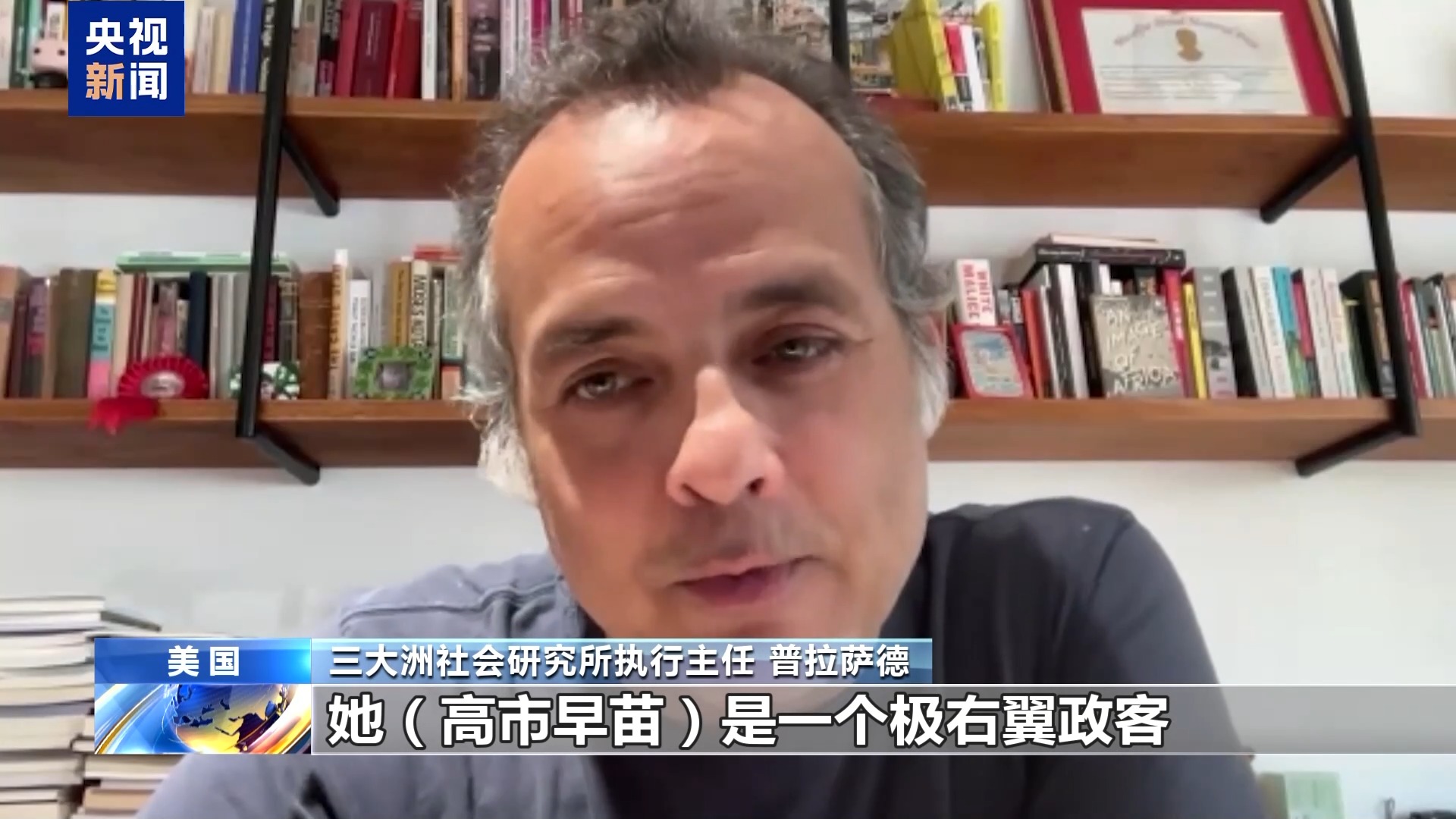
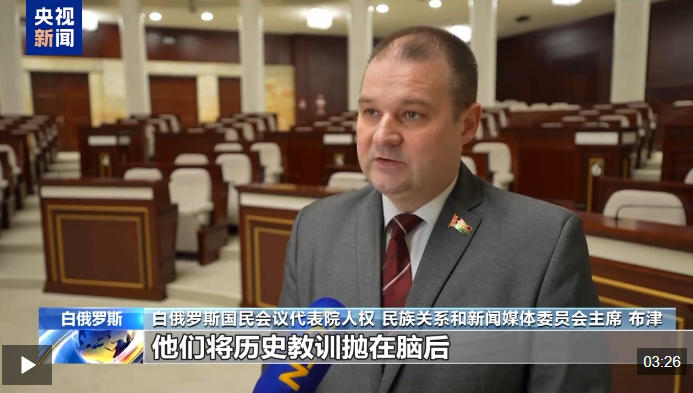
视频丨多国人士反对高市早苗错误言论
Yang Shi Xin Wen Ke Hu Duan· 2025-11-30 08:00
Group 1 - The core viewpoint of the articles highlights the provocative remarks made by Japanese Prime Minister Fumio Kishida regarding Taiwan, which are seen as a blatant interference in China's internal affairs and a reflection of the rising right-wing forces and militarism in Japan [2][4]. - International figures express concern that such statements undermine historical lessons and commitments made post-World War II, warning against the resurgence of militarism and fascism [2][3]. - The general consensus among various international representatives is that Taiwan is an inseparable part of China, and any provocative comments from Japan could escalate tensions in the region [4][5]. Group 2 - The comments made by Kishida are viewed as a disregard for previous commitments made by Japan regarding the Taiwan issue, which could potentially destabilize the region [4]. - There is a strong call from international voices, including African leaders, to uphold the One China principle and oppose any militaristic rhetoric [5]. - The articles emphasize the need for global unity to counter any resurgence of militarism and to maintain the stability and freedom established after World War II [2][3].
解放军报:日方含糊其词无法蒙混过关
财联社· 2025-11-30 04:31
轻描淡写所谓涉台"立场未变""不再提及"行不通。"日本国政府承认中华人民共和国政府是中国的唯一合法政府",《中日联合声明》"是两 国间和平友好关系的基础,联合声明所表明的各项原则应予严格遵守",日方承诺"继续遵守日本在中日联合声明中表明的关于台湾问题的立 场,重申中国只有一个"……日本政府在中日四个政治文件中就台湾问题作出的郑重承诺,具有国际法效力,没有任何模糊、曲解的空间。 无论日本哪个党派、哪个人执政,都必须坚持和恪守。然而,高市上台不久,就狂妄叫嚣可能武力介入台海局势,公然侵害中国核心利益、 严重伤害中国人民感情。如果日方在台湾问题上的立场没有改变,就应诚实、准确、完整地讲清其所谓"一贯立场",坦坦荡荡公开承认台湾 问题纯属中国内政,而不是像现在这样轻描淡写一笔带过,只提概念回避实质,妄图蒙混过关;或者以一句轻飘飘的"不再提及"淡化搪塞掩 盖高市早苗的严重错误言论。这种掩耳盗铃、自说自话的做法,中方绝不接受。日方如果真心想发展中日战略互惠关系,构建契合新时代要 求的建设性、稳定的中日关系,就应该恪守中日四个政治文件精神和所作政治承诺,立即收回错误言论,切实把对华承诺体现在实际行动 上,而不是倒打一耙要求 ...

赖清德恋殖媚日是在助日复活军国主义
Huan Qiu Shi Bao· 2025-11-30 02:42
11月29日,台湾联合报刊发社论《赖清德连串表态,丝毫不尊重台湾人民》,在北平锋看来,赖清德不 仅不尊重台湾人民,更急火火地配合高市早苗复活军国主义,在彻头彻尾地卖台毁台。他先向《华盛顿 邮报》投书,高调宣布要砸一兆两千五百亿新台币买美国军火,隔天才开记者会告诉台湾老百姓,我刚 决定花你们的血汗钱买武器。这不是民主,而是对台湾民意的羞辱;这不是"国防自主",而是把台湾命 脉列入了美国军火商的订单清单。更荒唐的是,他一边说"要防2027武统",一边又把"准备"二字悄悄抹 掉,硬生生把政治臆测变成战争倒计时,仿佛他是美军太平洋司令部的编外"作战参谋"。这种把台湾安 危当政治秀、把民众恐慌当投票筹码,早已不是简单的政治算计,而是军国主义阴魂附体,对台湾社会 最根本、最彻底的背叛。 更可悲的是,他高喊"民主",炫耀台湾人权自由,却在岛内编织信息茧房,让民众沦为信息盲区,压迫 媒体成为他对外表演的传声筒。他不是捍卫民主,而是践踏民主。决定台湾命运前途的事先告诉外国媒 体,再回头通知岛内民众,这已经不是政治失当,是彻底的底线沦丧。他不是在守护台湾,而是出卖台 湾。 赖清德恐惧的不是战争,是失去美日依附;追求的不是和平,而 ...
视频丨日本学者:高市涉台错误言论暴露其缺乏历史认知
Yang Shi Xin Wen Ke Hu Duan· 2025-11-29 06:56
Core Viewpoint - Recent provocative remarks by Japanese Prime Minister Sanae Takaichi regarding Taiwan have sparked strong criticism domestically and raised concerns about Japan's historical awareness and potential shift towards militarism [1][5][7]. Group 1: Political Context - Takaichi's statements are seen as a blatant interference in China's internal affairs, reflecting a lack of historical understanding and potentially leading Japan down a dangerous path [1][5]. - The Japanese constitution, particularly Article 9, emphasizes Japan as a "non-war state" and prohibits the maintenance of military forces, which has historically allowed Japan to be viewed as a trustworthy nation by China [3][7]. Group 2: Economic Implications - Scholars warn that antagonism towards China could directly push Japan's economy into a crisis, emphasizing the need for the government to prioritize economic stability and the well-being of its citizens over military concerns [7][8]. - The potential loss of economic ties with China is highlighted as a critical risk, with warnings that Japan's economy could collapse without these relations, leading to severe consequences for the nation [8].
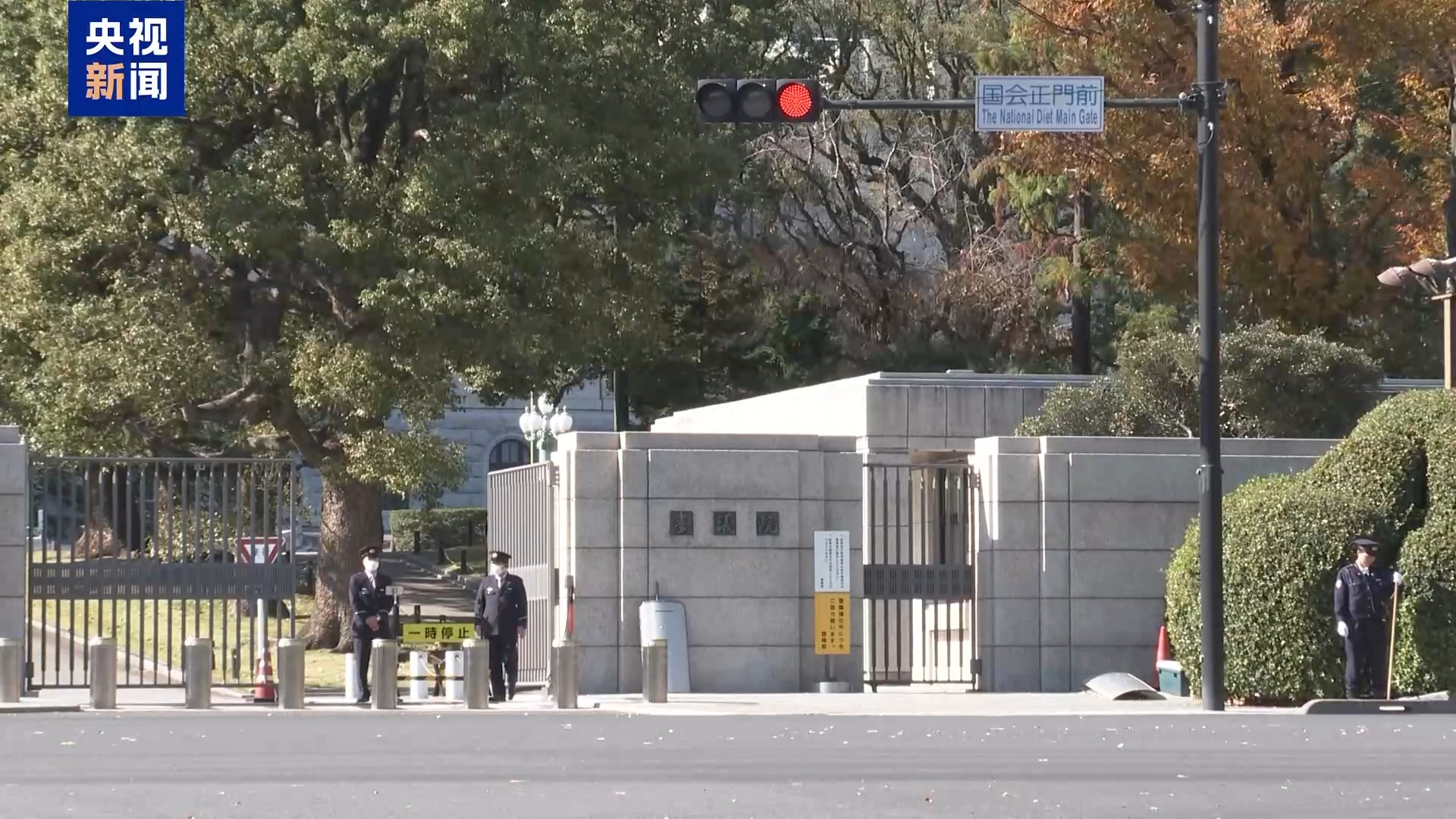
日本民众再次举行抗议集会 要求日本首相撤回涉台错误言论
Yang Guang Wang· 2025-11-29 05:52
Core Viewpoint - Japanese citizens held protests demanding Prime Minister Kishi's retraction of controversial remarks regarding Taiwan, which are seen as a violation of Japan's pacifist constitution and a challenge to international norms [1][2] Group 1: Public Response - Thousands of Japanese citizens gathered in front of the Prime Minister's residence in Tokyo, calling for the retraction of Kishi's statements, which they believe undermine regional stability and violate Article 9 of the Japanese Constitution [1] - Protesters expressed concerns over the government's recent military spending increases and attempts to amend security regulations, emphasizing the importance of maintaining Japan's pacifist stance [1][2] Group 2: Academic and International Perspectives - Japanese economist Hironobu Maedomari criticized Kishi's remarks as contrary to Japan's peace constitution, warning that constitutional amendments could lead Japan towards a dangerous path [2] - Russian Deputy Foreign Minister Ryabkov expressed concern over Kishi's statements, supporting China's stance on national interests and urging responsible behavior from U.S. allies regarding Taiwan [2] - Jeffrey Sachs, a professor at Columbia University, noted that Kishi's comments have heightened tensions between China and Japan, advocating for a cautious and peace-oriented approach in Japan's foreign policy [2]