
双特异性抗体

Search documents
国产抗癌神药,转手卖了800亿
投中网· 2025-06-18 02:21
Core Viewpoint - The article discusses a significant transaction in the pharmaceutical industry involving the acquisition of a promising cancer treatment drug, highlighting the financial implications and the potential for innovation in the Chinese pharmaceutical sector [2][3][9]. Group 1: Transaction Details - Bristol-Myers Squibb (BMS) has entered into a collaboration with BioNTech to develop and sell the cancer drug BNT327, agreeing to pay up to $11.1 billion (approximately 800 million RMB) for the rights [2]. - The initial payment from BMS is $1.5 billion, with an additional $2 billion due by 2028, and potential future payments of $7.6 billion based on sales targets [2]. - BioNTech acquired the overseas rights for BNT327 from Chinese company Biotheus for $1.055 billion, indicating a tenfold increase in the drug's valuation within a year and a half [3]. Group 2: Drug Mechanism and Innovation - BNT327 is a bispecific antibody targeting PD-1 and VEGF, which enhances immune response against tumors while inhibiting blood vessel formation, thus starving tumors of nutrients [6][8]. - The drug's dual-targeting mechanism allows for a synergistic effect, significantly improving binding capabilities in the presence of both targets, with an 18-fold increase in binding to PD-1 when VEGF-A is present [8]. Group 3: Market Trends and Future Prospects - The article notes a surge in interest from global pharmaceutical giants in acquiring innovative cancer therapies, with multiple high-value transactions occurring in the sector [9][12]. - The Chinese pharmaceutical industry is experiencing a renaissance, with significant investments and collaborations, as evidenced by the $45.5 billion in biopharmaceutical deals in 2024 alone [18]. - The article suggests that the Chinese innovation drug sector is poised for growth, with a notable increase in successful funding rounds and partnerships [14][15][16].



岸迈生物冲刺港交所:专注双特异性抗体,已达成超21亿美元授权合作
IPO早知道· 2025-06-18 01:26
Core Viewpoint - Anmai Biotech Co., Ltd. is preparing for an IPO on the Hong Kong Stock Exchange, focusing on developing T-cell engagers for cancer and autoimmune diseases, with significant global partnerships and a strong clinical pipeline [1][2][5]. Group 1: Company Overview - Anmai Biotech was established in 2015 and is a clinical-stage biotechnology company specializing in T-cell engagers for various cancers and autoimmune diseases [2]. - The company has received investments from notable institutions including CITIC Capital, Decheng Capital, and others [6]. Group 2: Clinical Pipeline - Anmai Biotech's oncology pipeline includes three clinical-stage candidates: EMB-01 for colorectal cancer, EMB-06 for multiple myeloma, and EMB-07 for lymphoma and solid tumors [3][4]. - EMB-01 is the world's first EGFR/cMET bispecific antibody to enter Phase II trials for colorectal cancer, with a focus on metastatic colorectal cancer [4]. Group 3: Market Position and Partnerships - As of the end of 2023, Anmai Biotech has established multiple global licensing collaborations with a total transaction value exceeding $2.1 billion, ranking second globally in the T-cell engager field [5]. - The company aims to use the net proceeds from the IPO to fund ongoing and planned clinical trials for its core product EMB-01 and other pipeline assets [7].
新股消息 | 岸迈生物递表港交所 专注于开发治疗各类癌症和自身免疫性疾病的T细胞衔接器
智通财经网· 2025-06-17 22:51
Core Insights - Company is a clinical-stage biotechnology firm focused on developing T-cell engagers for cancer and autoimmune diseases, with a pipeline that includes three clinical candidates and several preclinical candidates [3][4] Pipeline Overview - Oncology pipeline includes three clinical-stage candidates: EMB-01 targeting EGFR/cMET for colorectal cancer, EMB-06 targeting BCMA/CD3 for multiple myeloma, and EMB-07 targeting ROR1/CD3 for lymphoma and solid tumors [3] - Immunology pipeline features EMB-06 as a key clinical candidate, along with two preclinical candidates [3] Technology Platforms - Company has developed three proprietary technology platforms: FIT-Ig, MAT-Fab, and T-FIT, aimed at overcoming limitations in traditional bispecific antibody development [4] Strategic Collaborations - Company has established multiple global licensing collaborations with a total transaction value exceeding $2.1 billion, ranking second globally in the T-cell engager field [4] - Collaboration with Almirall for the development of bispecific antibodies using the FIT-Ig platform, with Almirall exercising options on some FIT-Ig molecules [4] - Partnership with Vignette Bio, now acquired by Candid, to advance EMB-06 development outside of China, with a potential total transaction value of $635 million [5] Financial Performance - Company reported revenue of approximately RMB 459 million for the fiscal year 2024, with losses of RMB 595 million and RMB 48 million for the fiscal years 2023 and 2024, respectively [7][8] - Key financial metrics include a gross profit of RMB 456 million and significant R&D expenditures [8]
八旬医学博士携手伙伴冲刺IPO 维立志博唯一客户递表前终止合作
Mei Ri Jing Ji Xin Wen· 2025-06-13 08:56
Core Viewpoint - The company Nanjing Weilizhibo Biotechnology Co., Ltd. is seeking to go public in Hong Kong, with its founders, Lai Shoupeng and Kang Xiaoqiang, aiming to unlock the identity of "founder of a listed company" after 13 years of entrepreneurship [1][2]. Company Overview - Founded in 2012 by Lai Shoupeng and Kang Xiaoqiang, the company focuses on the discovery, development, and commercialization of innovative therapies for unmet medical needs in oncology and autoimmune diseases [1][2]. - The company has not yet commercialized any products and reported cumulative losses of nearly 500 million yuan from 2023 to March 2025 [1][8]. Financial Background - The company has successfully completed eight rounds of financing, raising approximately 1.084 billion yuan, with notable investors including Enran Venture Capital and Kunming Pharmaceutical Group [4]. - As of March 31, 2025, the company held cash and cash equivalents of 431 million yuan and had interest-bearing bank loans of 255 million yuan [8]. Product Pipeline - Weilizhibo has 14 drug candidates in development, with six in clinical trials, including the core product LBL-024, which targets PD-L1 and 4-1BB and is in the registration clinical trial stage [6][7]. - The global market for 4-1BB antibodies is projected to grow significantly, reaching 17.4 billion USD by 2035 [6]. Collaborations and Partnerships - The company had a collaboration agreement with BeiGene for LBL-007, which was terminated shortly before the updated prospectus was submitted, with no reason provided for the termination [6][8]. - A new partnership with Aditum Bio for the development of a trispecific T cell engager has a potential total value of up to 614 million USD [8]. Leadership and Compensation - Lai Shoupeng serves as Chief Strategic Officer and Executive Vice President, while Kang Xiaoqiang is the Chairman and CEO. Their salaries are comparable to those of executives in innovative drug companies [4][8].
港美精选| 免疫治疗新势力:宜明昂科如何用双特异抗体打破行业天花板?
贝塔投资智库· 2025-06-12 04:15
Company Overview - Yiming Biopharmaceutical Technology (01541.HK) was established in 2015 and listed on the Hong Kong main board in September 2023, focusing on "immune system activation" to develop innovative drugs that help the body's immune cells attack cancer cells [2] - Key products include IMM01 (activates the immune system to engulf cancer cells) and IMM2510 (a globally pioneering bispecific antibody drug that simultaneously inhibits tumor angiogenesis and activates immunity) [2] Product Pipeline - Currently, there are 6 products in Phase III clinical trials [3] Management and Shareholders - The founder and Chief Scientific Officer, Dr. Tian Wenzhi, holds approximately 17% of the shares and has over 30 years of experience in the biopharmaceutical industry, overseeing the company's overall strategy and clinical progression [5] - Major shareholders include Shanghai Zhangke Leading Investment (approximately 9%) and LAV Asset Management (approximately 6.8%), both of which have a strong focus on early-stage biopharmaceutical investments [6] Financial Performance - The company reported revenues of RMB 538,000 in 2022, with a net loss of RMB 402.894 million, and in 2023, revenues decreased to RMB 386,000 with a net loss of RMB 379.459 million [8][9] - In 2024, revenues are projected to increase significantly to RMB 74.149 million, driven by a licensing agreement with Axion Bio, which contributed approximately RMB 71.342 million [11] - The company has maintained high R&D investment, with expenditures of RMB 320 million in 2024, which is 4.4 times its revenue [11] Product Advantages - IMM2510 employs a dual-pathway immune strategy, combining innate and adaptive immunity, and has completed Phase I dose exploration with promising early data [16] - IMM0306, a CD47×CD20 bispecific fusion protein, has a high effective relief rate of 91%, outperforming competitors [17] Industry Trends - The global immuno-oncology market is expected to grow from approximately USD 126.5 billion in 2024 to about USD 271.1 billion by 2033, with a CAGR of 8.6% to 10.65% [18] - The market is driven by rising cancer incidence rates, with an estimated 20 million new cases in 2022, projected to increase to 35 million by 2050 [18] Competitive Landscape - The company avoids the highly competitive single-pathway PD-1 market and focuses on combination therapies targeting CD47 and CD20, which may qualify for orphan drug status and expedited approval [21] Valuation and Market Performance - The company's stock price has increased by 178.6% year-to-date, driven by significant R&D progress and market interest in the biopharmaceutical sector [24] - Revenue projections for 2025-2027 are estimated at RMB 201 million, RMB 122 million, and RMB 312 million, respectively, with a target market value of HKD 8.915 billion [24]
8轮融资超10亿,维立志博二次递表,一家Biotech的港股闯关记
Sou Hu Cai Jing· 2025-06-05 09:38
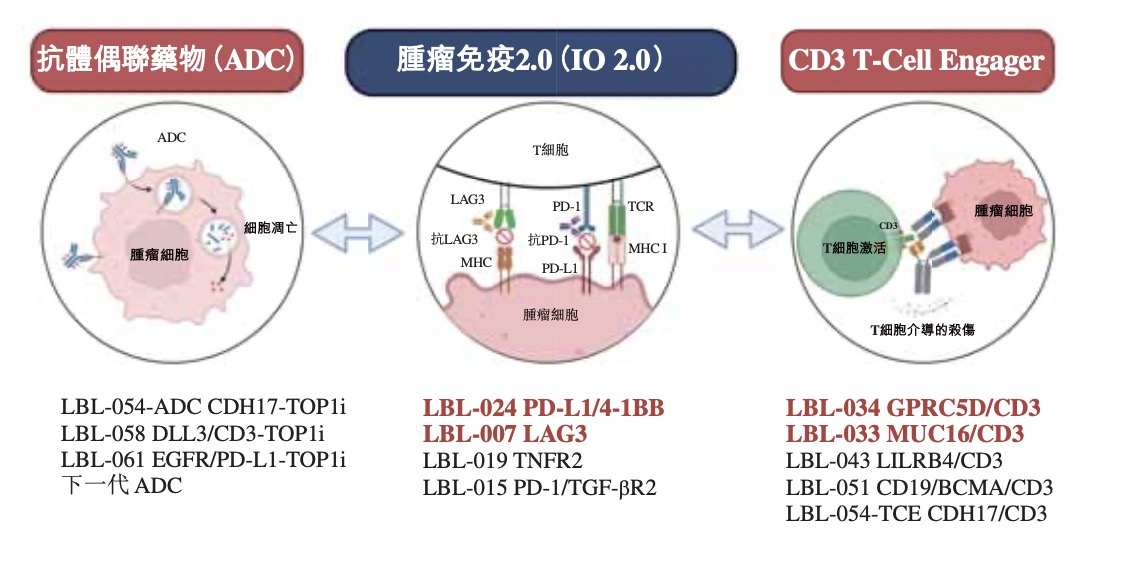
Core Viewpoint - The enthusiasm of mainland companies for listing on the Hong Kong stock market has surged, with 248 out of 450 companies planning to go public, indicating strong interest in the market [1] Company Overview - Founded in 2012, the company focuses on the discovery, development, and commercialization of new therapies for cancer and autoimmune diseases, positioning itself as a leader in next-generation cancer immunotherapy [3][4] - The company has completed 8 rounds of financing, raising a total of 1.084 billion yuan, attracting notable investors such as Enran Venture Capital and Shenzhen Capital Group [3] Product Pipeline - The company has developed 14 candidate drugs, with 6 currently in clinical stages, including its core product LBL-024, which is the first PD-L1/4-1BB bispecific antibody to enter the registration clinical phase globally [7][8] - LBL-024 is expected to become the fourth approved immunotherapy target after PD-1/L1, CTLA-4, and LAG3, with a significant market potential projected to reach $2.9 billion by 2030, growing at a CAGR of 284.9% from 2026 to 2030 [7] Clinical Progress - LBL-024 has received breakthrough therapy designation from the NMPA for treating advanced pulmonary neuroendocrine carcinoma and orphan drug designation from the FDA for neuroendocrine cancer, showcasing its clinical value and development potential [8] Strategic Positioning - The company has established a strong competitive barrier in the TCE field, having developed a proprietary LeadsBodyTM platform and a complete TCE product matrix covering hematological malignancies, solid tumors, and autoimmune diseases [9] - The innovative design of LBL-034, a bispecific TCE targeting GPRC5D and CD3, aims to activate T cells effectively while minimizing risks associated with T cell exhaustion and cytokine release syndrome [9] Innovation and Future Outlook - The company’s advancements in ADC, IO2.0, and TCE platforms highlight its robust research and development capabilities, contributing to a comprehensive innovation ecosystem [10][11] - The current IPO environment emphasizes the importance of companies with innovative potential and solid clinical data, reinforcing the market's focus on firms capable of sustained innovation and value realization [11]

新股前瞻|在港股“二次递表“浪潮中,解码维立志博的投资价值
智通财经网· 2025-06-05 01:01
Core Viewpoint - The enthusiasm of mainland companies for listing on the Hong Kong stock market has surged, with 248 out of 450 companies applying for IPOs, indicating strong interest in the market [1] Group 1: IPO Trends and Market Dynamics - The Hong Kong market has seen a record IPO fundraising amount exceeding HKD 56 billion since March 2021, with a total fundraising scale of HKD 77.4 billion this year, nearing last year's total [1] - The increasing number of listing applications has led to regulatory review congestion, with an average filing time of 5-6 months, resulting in many companies needing to submit applications multiple times [1][2] - The trend of "secondary submissions" is widely accepted in the market and does not significantly hinder the final listing process [1] Group 2: Company Overview - Weili Zhibo - Weili Zhibo has completed 8 rounds of financing, raising a total of CNY 1.084 billion, attracting notable investment from firms like Enran Venture Capital and Shenzhen Capital Group [2] - The company focuses on innovative therapies for cancer and autoimmune diseases, with a diverse pipeline that includes 14 candidate drugs [2][5] - Weili Zhibo has established three core technology platforms: ADC, IO 2.0, and TCE, enhancing its competitive edge in the biopharmaceutical field [3][5] Group 3: Product Pipeline and Clinical Development - The core product LBL-024 is the first targeted 4-1BB therapy in the registration clinical stage globally, with significant market potential in treating various solid tumors [5][7] - LBL-034, a TCE targeting GPRC5D, is in I/II phase clinical trials in China and is positioned to be the first domestic TCE therapy targeting GPRC5D [8] - The ADC product LBL-058 has shown strong efficacy in preclinical models, indicating potential in treating DLL3-positive small cell lung cancer [9] Group 4: Market Potential and Future Outlook - The global market for 4-1BB antibody drugs is projected to reach USD 2.9 billion by 2030, with a CAGR of 284.9% from 2026 to 2030, driven by a large patient population across various cancer types [5] - The ongoing clinical studies for LBL-024 aim to expand its indications into high-incidence cancer areas, further broadening its market reach [6][7] - The comprehensive innovation capabilities of Weili Zhibo across its technology platforms reflect the core driving force behind the transformation and upgrading of the Chinese pharmaceutical industry [9][10]
Zymeworks Announces NMPA Approval of Zanidatamab in China for Adults with Previously Treated, Unresectable or Metastatic HER2-high expression (IHC3+) Biliary Tract Cancer
Globenewswire· 2025-05-30 10:00
Core Insights - Zymeworks Inc. announced the conditional approval of zanidatamab by the National Medical Products Administration (NMPA) in China for treating previously treated, unresectable or metastatic HER2-positive biliary tract cancer (BTC), marking it as the first dual HER2-targeted bispecific antibody approved for this indication in China [1][10] - The approval is a significant advancement for patients with HER2-positive BTC, a group with high unmet medical needs and poor prognoses, and reflects the clinical potential of zanidatamab [2][4] - Zymeworks has received $61 million in upfront and milestone payments from its collaboration partner BeOne Medicines, with an additional $20 million milestone payment linked to the NMPA approval and potential for up to $144 million in further milestones [2][6] Company Overview - Zymeworks is a clinical-stage biotechnology company focused on developing multifunctional biotherapeutics for difficult-to-treat diseases, including cancer, inflammation, and autoimmune diseases [1][6] - The company utilizes its proprietary Azymetric™ technology to engineer and develop zanidatamab, which targets HER2 and induces various mechanisms leading to tumor growth inhibition [5][7] - Zymeworks has strategic partnerships with BeOne Medicines and Jazz Pharmaceuticals, granting exclusive rights for the development and commercialization of zanidatamab in different territories [7] Industry Context - Biliary tract cancers account for approximately 3% of all digestive system tumors, with a rising incidence rate globally, particularly in Asia [4] - Approximately 11%-25.2% of patients with BTC are HER2-positive, making HER2 a validated target for antitumor therapy [4] - Zanidatamab has also received FDA approval in the U.S. and is under regulatory review in the EU, indicating its potential as a best-in-class treatment for HER2-expressing cancers [3][7]

百济神州又一新药获批
Bei Jing Ri Bao Ke Hu Duan· 2025-05-30 08:53
Core Insights - Baiyue Shenzhou's bispecific HER2 inhibitor, Zhenidamab (百赫安), received conditional approval from the National Medical Products Administration (NMPA) for treating HER2-positive advanced or metastatic biliary tract cancer (BTC) patients who have previously undergone systemic therapy [1][2] - This approval marks Zhenidamab as the first and only bispecific antibody approved in China for targeted therapy of HER2-positive biliary cancer, providing a new treatment option for patients [1][2] - The incidence of biliary tract cancer is on the rise, with approximately 15% to 30% of BTC patients exhibiting HER2 abnormalities, making HER2 a key target for BTC treatment [1] Clinical Data - The conditional approval is based on the results of the global multicenter clinical study HERIZON-BTC-01, which showed an objective response rate (ORR) of 51.6% in previously treated, unresectable HER2-positive advanced or metastatic BTC patients [2] - The median duration of response (mDoR) was 14.9 months, and the median overall survival (mOS) was 18.1 months, indicating a significant improvement in survival compared to previous second-line chemotherapy options [2] - The safety profile of Zhenidamab was reported to be favorable, demonstrating good overall safety [2] Mechanism of Action - Zhenidamab utilizes a dual-targeting mechanism by binding to two different non-overlapping epitopes of the HER2 protein, enhancing its binding and inhibitory capabilities, which may lead to a synergistic effect in tumor suppression [2] - This innovative mechanism allows for dual signal blockade and the formation of larger receptor clusters, potentially improving therapeutic efficacy [2] Strategic Collaboration - Zhenidamab was developed by Zymeworks, with Baiyue Shenzhou entering a strategic partnership for its development and commercialization in Asia (excluding Japan), Australia, and New Zealand [3] - The drug is also set to be available in the United States, having received FDA approval for the same indication in November 2024 [3] - The President and COO of Baiyue Shenzhou expressed confidence that this innovative drug will significantly benefit the survival of BTC patients in China [3]
中国创新药企破纪录!三生制药与辉瑞百亿BD引爆全球双抗赛道
Xin Lang Zheng Quan· 2025-05-27 08:41
Core Insights - Chinese innovative pharmaceutical company 3SBio has entered a record-breaking License out agreement with Pfizer, potentially worth up to $60.5 billion (approximately 435 billion RMB) [1] - This transaction sets a new record for the amount of a single product going overseas from a Chinese pharmaceutical company and highlights the strong emergence of Chinese innovative drug companies in the global bispecific antibody market [1] Transaction Details - The agreement grants Pfizer the rights to develop, produce, and commercialize 3SBio's self-developed PD-1/VEGF bispecific antibody SSGJ-707 in global markets outside mainland China [2] - Pfizer will pay an upfront fee of $12.5 billion (approximately 90 billion RMB) and up to $4.8 billion in milestone payments, along with a double-digit percentage tiered revenue share from sales in the licensed regions [2] - All payments are non-refundable and non-offsettable, and Pfizer retains the option to commercialize the product in mainland China [2] Product Advantages - SSGJ-707 is developed based on 3SBio's proprietary CLF2 platform, featuring a common light chain symmetrical design and IgG-like structure, which significantly reduces production costs and enhances efficiency [3] - Clinical data shows promising anti-tumor activity and safety: - Objective response rate (ORR) of 70.8% and disease control rate (DCR) of 100% for PD-L1 positive non-small cell lung cancer (NSCLC) [3] - ORR of 81.3% for squamous NSCLC and 58.3% for non-squamous NSCLC, with DCR at 100% when combined with chemotherapy [3] - Adverse event rates for grade 3 or higher treatment-related adverse events (TRAE) range from 8.9% to 23.5%, significantly lower than similar products [3] Market Outlook - The PD-1/VEGF bispecific antibody market is expected to explode, with Evaluate Pharma predicting a global market size exceeding $80 billion by 2030 [5] - Currently, only Kangfang Biotech's Ivosidenib is on the market, and 3SBio's rapid advancement positions it to seize market opportunities [5] Industry Trends - The total value of License out transactions for Chinese innovative drugs reached $51.9 billion in 2024, a year-on-year increase of 27.4%, accounting for 30% of global similar transactions [6] - In the first quarter of 2025, Chinese companies completed 41 overseas transactions totaling over $36.9 billion, with a growing proportion of "heavyweight transactions" [6] - This collaboration further confirms the transition of Chinese innovative drug companies from "followers" to "leaders" in the global market [6] Industry Outlook - This transaction not only brings substantial cash flow to 3SBio but also highlights the maturity of Chinese pharmaceutical companies in target selection, clinical design, and international collaboration [7] - As more original Chinese drugs enter the global market, the "two-way rush" between multinational and Chinese pharmaceutical companies may become the new norm, accelerating the gathering of global pharmaceutical innovation resources in China [7] Conclusion - The collaboration between 3SBio and Pfizer marks a significant milestone for Chinese innovative drugs going global, transitioning from "Made in China" to "Created in China" [8] - With support from policies, capital, and technological breakthroughs, Chinese pharmaceutical companies are entering a golden era of License out, potentially reshaping the global pharmaceutical market landscape [8]
