
源网荷储一体化

Search documents
固态电池风口之下,宁德时代等巨头为何重提液态电池?
Mei Ri Jing Ji Xin Wen· 2025-11-16 12:27
Core Viewpoint - The focus of the industry is shifting back to "traditional" liquid batteries, particularly lithium iron phosphate (LFP) batteries, despite the anticipated breakthroughs in solid-state battery technology. This shift is driven by the need for immediate profitability and the growing demand for energy storage solutions, which LFP batteries can effectively meet [1][9]. Group 1: Solid-State Battery Developments - The solid-state battery sector has seen significant stock price increases for companies like Sandi Intelligent and Yiwei Lithium Energy, indicating a market reevaluation [1]. - At the 2025 World Power Battery Conference, industry leaders discussed the challenges and timelines for solid-state battery commercialization, with estimates ranging from 2027 for small-scale demonstrations to 2035 for widespread adoption [6][11]. - Industry experts caution against overhyping minor advancements in solid-state technology, emphasizing the need for a realistic timeline and a conducive environment for research and development [4][5]. Group 2: Liquid Battery Resurgence - The LFP battery technology, which has been around for about 20 years, is experiencing renewed interest due to its cost-effectiveness and maturity in the market [3][9]. - LFP batteries are noted for their high safety, low cost, and long cycle life, making them suitable for current energy storage demands [9][12]. - The market for LFP batteries is projected to grow significantly, with estimates indicating that by 2024, LFP will account for over 80% of the combined power and storage applications [12]. Group 3: Industry Dynamics and Future Outlook - The recent actions of leading companies like CATL signal a strategic focus on both solid-state and LFP technologies, indicating a balanced approach to innovation and market needs [10][11]. - The energy storage market is expected to reach a trillion-yuan scale, driven by the increasing demand for new energy storage solutions [12]. - The industry is witnessing a shift in focus from solid-state to liquid batteries, as the latter continues to meet immediate market needs effectively [1][12].

“超充”网络助推“物流之都”绿色转型
Qi Lu Wan Bao· 2025-11-11 14:47
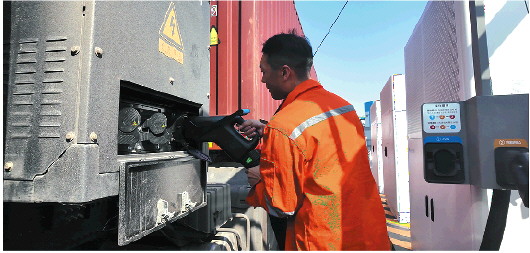
Core Insights - The article highlights the rapid advancements in charging technology for electric heavy-duty trucks in Linyi, China, showcasing the potential for green transformation in logistics [2][3][4] Group 1: Charging Technology and Efficiency - The new charging station in Linyi allows a 28-ton electric heavy-duty truck to fully charge in under 30 minutes, significantly improving efficiency compared to previous charging times of at least one hour for similar vehicles [3][4] - The charging station utilizes Huawei's liquid-cooled megawatt charging technology, capable of delivering up to 1.44 MW, which supports dual-gun charging for faster energy replenishment [4][6] Group 2: Economic Impact - Transitioning from diesel to electric heavy-duty trucks can save operational costs between 100,000 to 130,000 yuan annually for a truck operating 100,000 kilometers per year [4][5] - The increased charging efficiency reduces waiting times, allowing drivers to maximize their operational hours and minimize downtime [4][6] Group 3: Market Potential and Growth - Linyi has a substantial logistics vehicle fleet of 749,000, including 492,000 cargo vehicles and 167,000 heavy-duty trucks, indicating a strong demand for charging infrastructure [2][6] - The market for electric heavy-duty trucks is expected to grow significantly, with sales projected to reach 79,710 units by mid-2025, reflecting a year-on-year increase of 184.68% [6][9] Group 4: Infrastructure Development - The Linyi charging station is part of a broader initiative to create a green smart charging network across the city, integrating solar power and energy storage systems to enhance sustainability [7][8] - The city is also focusing on expanding its photovoltaic capacity, with multiple solar projects underway to increase the share of green electricity in logistics operations [10]

以技术创新破新能源车市“内卷”
Zhong Guo Qi Che Bao Wang· 2025-11-11 09:44
Core Insights - The 32nd China Automotive Engineering Society Annual Conference and Exhibition was held in Chongqing, focusing on the theme of "Low Carbon Drives Change, Vehicle Energy Integration Innovation - Building a New Energy Vehicle Technology Ecological Chain" [2] - The forum gathered experts from academia and industry to discuss new technologies, models, and ecosystems for new energy vehicles, aiming to guide industry development in the context of global green transformation [2] Industry Trends - The development of new energy vehicles in China has shifted from policy-driven to market-driven, achieving over 50% market share in the domestic passenger car market [2] - The carbon neutrality strategy is expected to drive a transformation in the energy structure, with renewable energy potentially exceeding 60% by 2035 [2] - The integration of energy and technology is crucial, with a focus on five key new energy technology collaborations and breakthroughs in hydrogen, intelligence, and energy storage [2] Technological Advancements - Dongfeng Yipai Automotive Technology Company emphasized the need for plug-in hybrid vehicles to achieve a pure electric range of over 300 kilometers to meet urban and long-distance demands [3] - The Deep Blue Automotive's "Original Power" electric technology platform has achieved significant milestones, with over 1 million units sold from its first generation [3] - The focus on battery technology highlighted the importance of lithium iron phosphate batteries for their longevity, safety, and cost-effectiveness, with expectations for solid-state batteries to become mainstream by 2035 [4] Collaborative Efforts - A consensus was reached among 46 industry experts at the forum, opposing "involution" and advocating for technological innovation to ensure sustainable industry development [5][6] - Key collaborative efforts include enhancing automotive technology innovation capabilities, promoting demand-driven technology supply, and establishing a responsible technology communication environment [6]

源网荷储一体化项目加速落地,电网设备ETF(159326)盘中交投持续活跃
Mei Ri Jing Ji Xin Wen· 2025-11-11 06:12
Group 1 - The electric grid equipment sector experienced a slight pullback, with the only electric grid equipment ETF (159326) down by 1.28% as of 1:32 PM on November 11, despite active trading with a transaction volume of 266 million yuan [1] - The electric grid equipment ETF (562600) has seen continuous net inflows for 11 days, accumulating over 1.3 billion yuan, reaching a new high of 1.772 billion yuan [1] - The integration of source-grid-load-storage projects is accelerating, with the release of the white paper on "China's Action for Carbon Peak and Carbon Neutrality" on November 8, indicating a shift from concept validation to large-scale promotion [1] Group 2 - The electric grid equipment ETF (159326) tracks the CSI Electric Grid Equipment Theme Index, with a strong representation in the sectors of transmission and transformation equipment, grid automation equipment, cable components, and distribution equipment [2] - The high voltage transmission sector holds a significant weight of 64% in the ETF, the highest in the market, with leading companies like Guodian NARI, TBEA, and Sifang Electric among the top ten holdings [2]
用全产业链思维一体推进
Jing Ji Ri Bao· 2025-11-11 00:10
Core Insights - The article emphasizes the need for effective utilization of renewable energy sources, particularly wind and solar power, which are characterized by intermittency and variability [1][2] - It highlights the importance of coordinated development of renewable energy and the establishment of a robust grid infrastructure to prevent issues like "curtailment" of wind and solar energy [1] - The article outlines China's ambitious goals for renewable energy, aiming for non-fossil energy consumption to reach over 30% of total energy consumption by 2035, with wind and solar capacity increasing to six times that of 2020 [2] Group 1 - Renewable energy's intermittent nature poses challenges for consistent utilization, necessitating improved grid infrastructure and energy management [1] - The article calls for scientific planning and optimization of renewable energy development to enhance management efficiency and prevent wastage [1] - Digital and intelligent technologies are suggested to make renewable energy sources more predictable and manageable [1] Group 2 - China's commitment to achieving a significant increase in renewable energy capacity reflects a broader trend towards large-scale and rapid development in the sector [2] - The establishment of a comprehensive clean energy supply system positions China well to meet its future renewable energy targets [2] - A holistic approach integrating generation, grid, load, and storage is essential for achieving the outlined renewable energy goals [2]
A股公司积极布局源网荷储一体化项目
Zheng Quan Ri Bao· 2025-11-10 16:13
Core Insights - The white paper titled "China's Actions on Carbon Peak and Carbon Neutrality" emphasizes the integration of source, grid, load, and storage (源网荷储) as a core trend for future power systems, enhancing the capacity to utilize renewable energy effectively [1][2][3] Industry Developments - The integration of source, grid, load, and storage is recognized for its ability to address the volatility and uncertainty of renewable energy through collaborative interaction among power sources, transmission capabilities, demand response, and flexible storage [2] - A series of national and local policies have been introduced to promote the development of integrated source, grid, load, and storage systems, including the "Action Plan for Accelerating the Construction of a New Power System (2024-2027)" [2] - Several projects, such as the new generation friendly green power station in Ulanqab and the smart energy innovation demonstration project in Haikou, have been launched, showcasing the practical implementation of these policies [2] Company Strategies - A-share listed companies are actively investing in integrated source, grid, load, and storage projects, leveraging their financial, technological, and resource advantages to support the construction of new power systems [4] - Weisheng Information Technology Co., Ltd. is focusing on AI and IoT technologies to enhance predictive capabilities and operational efficiency in the power grid [4] - Ningbo Energy is exploring integrated solutions for distributed solar power, storage, and smart microgrids, aiming to transition regional energy supply towards a carbon-integrated model [4] - Beijing Shuangjie Electric Co., Ltd. has initiated a project to build 400,000 kW of wind power and associated storage, ensuring stable and clean power supply through collaborative operation of source, grid, load, and storage [5] Recommendations for Companies - Companies should focus on technological innovation to overcome barriers in the integration of source, grid, load, and storage, particularly in energy storage batteries and smart scheduling systems [6] - Developing market opportunities through coupling new energy with core business and creating demonstration projects at the park level can enhance revenue [6] - Integrating industry chain resources and forming specialized teams will facilitate green transformation and growth in efficiency while ensuring compliance [6]

《碳达峰碳中和的中国行动》白皮书发布 上市公司积极布局源网荷储一体化项目
Zheng Quan Ri Bao Wang· 2025-11-10 12:01
Core Insights - The white paper "China's Actions on Carbon Peak and Carbon Neutrality" emphasizes the integration of source, grid, load, and storage (源网荷储) as a key trend for future power systems, enhancing the capacity to utilize renewable energy effectively [1][2] - The integration model is expected to provide stable support for large power grids and improve the consumption capacity of renewable energy, guiding the efficient development of renewable resources [1][2] Industry Developments - The integration of source, grid, load, and storage is recognized as a core support for China's new power system, transitioning from concept validation to large-scale promotion due to policy support and technological advancements [3] - National and local policies are being implemented to promote the development of integrated projects, including the "Action Plan for Accelerating the Construction of a New Power System (2024-2027)" [2] Project Implementation - Several projects have been launched, such as the Three Gorges Ulanqab New Generation Power Grid-Friendly Green Power Station and the Haikou Datang Coastal Integrated Smart Energy Innovation Demonstration Project [2] - Beijing Shuangjie Electric has initiated a project to build 400,000 kW of wind power and supporting storage, ensuring stable and clean power supply [5] Company Strategies - Companies are actively positioning themselves in the integrated projects, leveraging their strengths in technology and resources [4] - Weisheng Information Technology is focusing on AI and IoT technologies to enhance the integration of source, grid, load, and storage [4] - Ningbo Energy is exploring integrated solutions for distributed photovoltaic, storage, and smart microgrid systems, aiming for a low-carbon energy transition [4] Market Opportunities - Companies are encouraged to innovate in core technologies such as energy storage batteries and smart scheduling systems to overcome integration barriers [6] - The adoption of "self-consumption + surplus electricity grid connection" models is suggested to ensure profitability while promoting green transformation [6]
大力推进储能建设!两部门重磅发文
行家说储能· 2025-11-10 10:14
Core Viewpoint - The article emphasizes the importance of energy storage in the development of a new energy system in China, highlighting its transition from a mere tool for renewable energy consumption to a core component of energy flexibility and system support [3][4]. Group 1: Policy Guidance - The National Development and Reform Commission and the National Energy Administration released guidelines aimed at establishing a multi-level renewable energy consumption and regulation system by 2030, ensuring that new electricity demand is primarily met by renewable energy generation [2][10]. - By 2035, a new power system capable of accommodating a high proportion of renewable energy is expected to be established, further enhancing the renewable energy consumption regulation system [2][10]. Group 2: Energy Storage Development - The guidelines create a clear value positioning and profit model for the new energy storage industry, promoting its strategic elevation as a key element in the energy system [3]. - The document encourages the integration of source, grid, load, and storage, as well as the development of new business models for nearby renewable energy consumption [3][4]. Group 3: Technological Innovation - The white paper on carbon peak and carbon neutrality emphasizes the importance of energy storage as a foundational element for the new power system, advocating for the diversified application of various storage technologies such as lithium-ion batteries and compressed air storage [4][19]. - The article discusses the need for advanced, safe, and efficient new energy storage technologies to enhance the utilization of renewable energy [5][19]. Group 4: Market Mechanisms - The guidelines propose the establishment of a unified national electricity market to facilitate the consumption of renewable energy, including the development of market rules that support the participation of distributed energy resources and storage [17][18]. - It is suggested to innovate pricing mechanisms to encourage the consumption of renewable energy and improve the flexibility of cross-regional electricity transmission pricing [18][20]. Group 5: Implementation and Monitoring - The article outlines the responsibilities of various stakeholders, including the National Development and Reform Commission and provincial energy departments, in ensuring the effective implementation of renewable energy consumption strategies [20][21]. - A monitoring and regulatory framework is proposed to track the progress of renewable energy utilization and ensure compliance with established targets [21].

衡山科学城“源网荷储”一体化项目成效显著 中国燃气(00384)成关键推动力
智通财经网· 2025-11-10 03:43
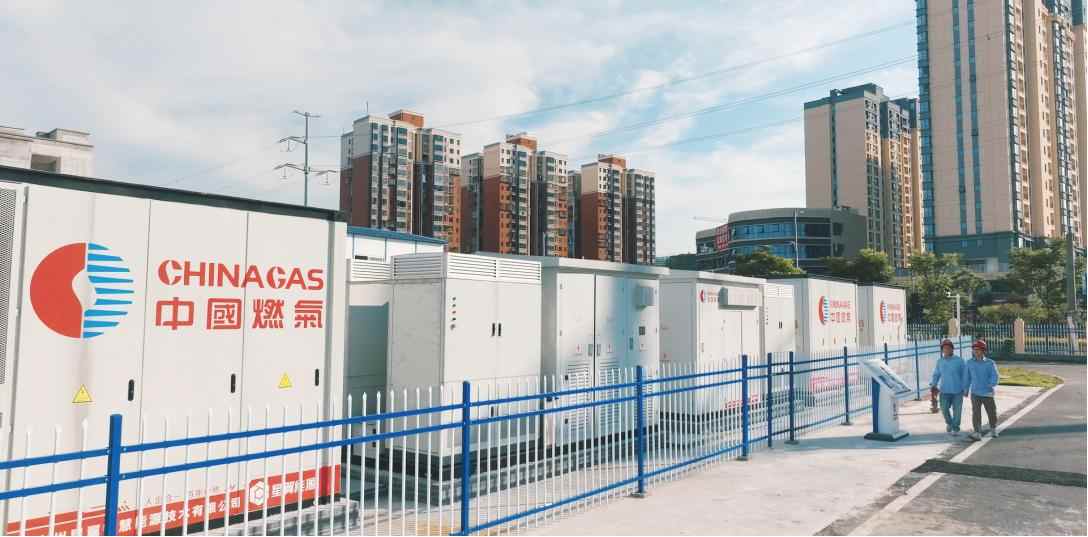
Core Insights - The integration model of "source-network-load-storage" is accelerating implementation across the country, driven by national energy structure transformation and carbon neutrality goals [1] - The Hunan Zhongran Energy Co., Ltd. project in Hengshan Science City serves as a typical example of regional comprehensive energy service models due to its systematic layout and actual effectiveness in various aspects of the "source-network-load-storage" integration [1] Group 1: Project Overview - Hunan Zhongran is the sole distribution and sales electricity operator in the 26.5 square kilometer pilot area of Hengshan Science City, holding exclusive rights for electricity and centralized heating [3] - The company is responsible for investment, construction, and operation of the incremental distribution network, extending to comprehensive energy services including solar, storage, charging facilities, and distributed gas energy systems [3] - The existing infrastructure includes one 110kV substation with a capacity of 63MVA, 5.74 kilometers of 110kV overhead lines, and a total distribution transformer capacity of 99,450 kVA, supporting diverse load demands in the region [3] Group 2: Energy Storage and Economic Impact - The energy storage project associated with the 110kV substation was officially put into operation last year, achieving a significant breakthrough in the storage aspect [4] - The system operates on a "two charge, two discharge" strategy with an overall efficiency of approximately 90%, saving an estimated 3.3 million yuan in annual electricity costs [4] - The project enhances the grid's ability to manage peak and off-peak loads, improving local grid stability and reliability while facilitating the integration of renewable energy [4][5] Group 3: System Benefits and Future Prospects - The "source-network-load-storage" integration model significantly improves the grid's capacity to accept intermittent power sources like distributed solar, reducing voltage fluctuations and overload risks [5] - The economic benefits include optimized energy dispatch strategies that balance load management and control overall electricity costs [5] - The model enhances energy security by increasing system resilience and reducing reliance on single energy sources, while also promoting smart grid development through digital technologies [7] - The project contributes to environmental benefits by reducing fossil fuel consumption and greenhouse gas emissions, supporting green and low-carbon development [7] - The successful implementation of this model in Hengshan Science City provides a reference for similar energy system constructions in other industrial parks and new urban development areas, with potential for broader application as costs for solar and storage decrease [7]

储能景气度跟踪之专家电话会
2025-11-10 03:34
Summary of Key Points from the Conference Call on Energy Storage Industry Industry Overview - The energy storage industry is experiencing rapid growth due to new policies implemented in various provinces, such as Inner Mongolia, which has paid over 400 million yuan in capacity compensation [1][2][4] - Independent energy storage projects are increasing, but high subsidies may not be sustainable in the long term, with a potential shift towards user-side cost-sharing [1][4][27][28] - The electricity spot market is gradually being introduced, becoming an important arbitrage tool for independent energy storage stations, with provinces like Shaanxi, Liaoning, and Qinghai starting trial operations [1][2] Core Insights and Arguments - Capacity compensation policies have been significant for the energy storage industry, with Inner Mongolia's compensation exceeding 50% of total revenue for some independent storage stations [2][3] - The expected new energy storage installation capacity in China is approximately 140 GWh for 2025 and may exceed 180 GWh in 2026, with a compound annual growth rate of 30%-40% [1][17] - The market is shifting towards centralized procurement and framework procurement, raising the entry barriers for suppliers and increasing industry concentration [1][6] Pricing and Market Dynamics - Battery cell prices have risen, leading to increased quotes for energy storage systems, with mainstream battery cell prices now at 0.27-0.28 yuan per watt-hour [1][7][8] - Over 20 GWh of energy storage batteries in the domestic market are affected by delivery time premiums, accounting for about half of the new installed capacity [1][11] - The supply of 314 Ah battery cells is currently insufficient, while older 280 Ah specifications are more readily available [1][13] Future Trends and Challenges - The high profitability of energy storage projects in Inner Mongolia, estimated at around 20%, may not be sustainable due to changing compensation mechanisms and market conditions [23][24] - The energy storage market is expected to maintain high prosperity in the coming years, driven by national policies and the need for energy transition [15][16] - The global energy storage battery shipment volume shows a significant gap compared to new installed capacity due to various factors, including the use of larger capacity cells in overseas applications [12] Regional Insights - The domestic market's revenue sources are expected to vary by province, with significant differences in arbitrage prices, impacting overall profitability [21] - The European energy storage market is growing rapidly, with Italy auctioning 10 GWh of storage capacity, indicating a strong demand for capacity market participation [20] Conclusion - The energy storage industry is poised for significant growth, driven by policy support and market dynamics, but faces challenges related to pricing, supply chain constraints, and the sustainability of high profitability levels in certain regions [1][15][17][23]