红色旅游

Search documents
四川省红色旅游提质升级计划发布 将开展红色资源保护行动
Zhong Guo Xin Wen Wang· 2025-07-19 00:20
Core Viewpoint - Sichuan Province has launched a plan to upgrade and enhance red tourism, focusing on the protection of red resources and the promotion of cultural tourism integration [1][3]. Group 1: Red Resource Protection Actions - The plan includes a red resource protection action that aims to strengthen the protection of revolutionary cultural relics and implement key projects for the maintenance and protection of revolutionary sites [3]. - Sichuan will rely on the construction of the Long March National Cultural Park to promote overall planning, contiguous protection, and demonstration of revolutionary relics [3]. Group 2: Red Resource Investigation Actions - The province will conduct a thorough investigation of red tourism resources, ensuring timely updates, classification, and archiving of these resources [3]. - There will be a focus on the investigation, collection, and research of historical artifacts related to the Party's history, the history of New China, and the history of reform and opening up [3]. Group 3: Enhancement of Red Memorial Facilities - Sichuan plans to enhance and repair red memorial facilities, standardize exhibitions, and utilize new technologies to showcase red culture [4]. - A series of high-quality red-themed exhibitions with Sichuan characteristics will be launched [4]. Group 4: Talent Cultivation in Red Tourism - The province will host competitions and training for "gold medal narrators" to cultivate excellent storytellers of red history [4]. - Activities will be organized to promote red stories in military, educational, and corporate settings, encouraging youth and veterans to participate in volunteer services for red tourism [4]. Group 5: Promotion and Index Release - During the launch event, several cities including Luzhou, Mianyang, and others promoted their red tourism resources [4]. - The Sichuan Red Tourism Index and the initiative "I Inherit the Red Spirit" for civilized practice were also announced [4].

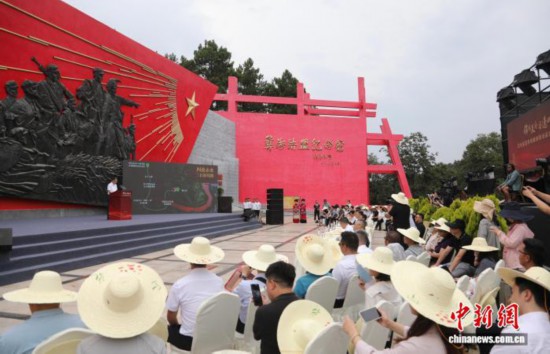
海南暑期红色旅游受热捧
Hai Nan Ri Bao· 2025-07-17 01:25
Core Viewpoint - The article highlights the growing popularity of red tourism in Hainan during the summer, emphasizing the unique combination of revolutionary history and natural beauty that attracts visitors [2][5]. Group 1: Red Tourism Attractions - Key red tourism sites in Hainan, such as the Red Army Women's Memorial Park, Wuzhishan Revolutionary Base Memorial Park, and Murui Mountain Revolutionary Base Memorial Park, have become popular destinations for educational trips, family outings, and group tours [2][3]. - The village of Fanxiang, known for its rich revolutionary history and cultural resources, is actively developing a "red + cool" tourism model, integrating red culture, ethnic culture, and natural ecology [2][3]. Group 2: Visitor Experience - Visitors, including families, appreciate the comfortable environment provided by the lush greenery in these red tourism sites, allowing them to learn about revolutionary history while enjoying the coolness of summer [3][4]. - The management of the Red Army Women's Memorial Park has tailored activities for children, enhancing their engagement with the revolutionary stories through creative products and interactive experiences [4]. Group 3: Growth of Red Tourism - The trend of red tourism is not limited to specific locations; it is gaining traction across various sites in Hainan, with an increase in visitor numbers during the summer months [3][5]. - The integration of educational elements, such as lectures by knowledgeable guides, has further enriched the visitor experience, making these sites attractive for group and educational tourism [3][5].
“红色后七村”酿出特有的“甜”
Bei Jing Ri Bao Ke Hu Duan· 2025-07-14 21:27
Core Viewpoint - The article highlights the transformation of the "Red Back Seven Villages" in the Pingbei Anti-Japanese base area into a vibrant site for red education and green tourism, showcasing the integration of historical significance with modern development [1][9][10]. Historical Context - The "Red Back Seven Villages" were established in 1938 as the first anti-Japanese base in the Pingbei region, with significant historical events occurring in villages like Shatangou and Tielu [7][8]. - The area has preserved 67 historical sites related to the anti-Japanese war, which are now recognized as living history textbooks [8]. Development and Tourism - The Dazhuangke area has developed an open red education experience base, attracting over 350,000 visitors since 2016 through various activities that connect participants with historical events [9]. - The region is focusing on creating story-rich scenic spots, integrating red culture with green development, and enhancing local tourism infrastructure [10][12]. Community Engagement - Local villagers are actively participating in the tourism economy by converting their homes into guesthouses and restaurants, thus benefiting from the influx of tourists [12][13]. - The introduction of camping sites and outdoor activities has diversified the tourism offerings, appealing to urban visitors seeking nature experiences [11][13]. Economic Impact - The local economy is seeing growth through the promotion of regional products via e-commerce, with significant increases in sales reported [13]. - Plans are underway to develop a comprehensive rural tourism circuit that connects various red cultural sites, aiming to enhance the area's influence as a red tourism destination [13].
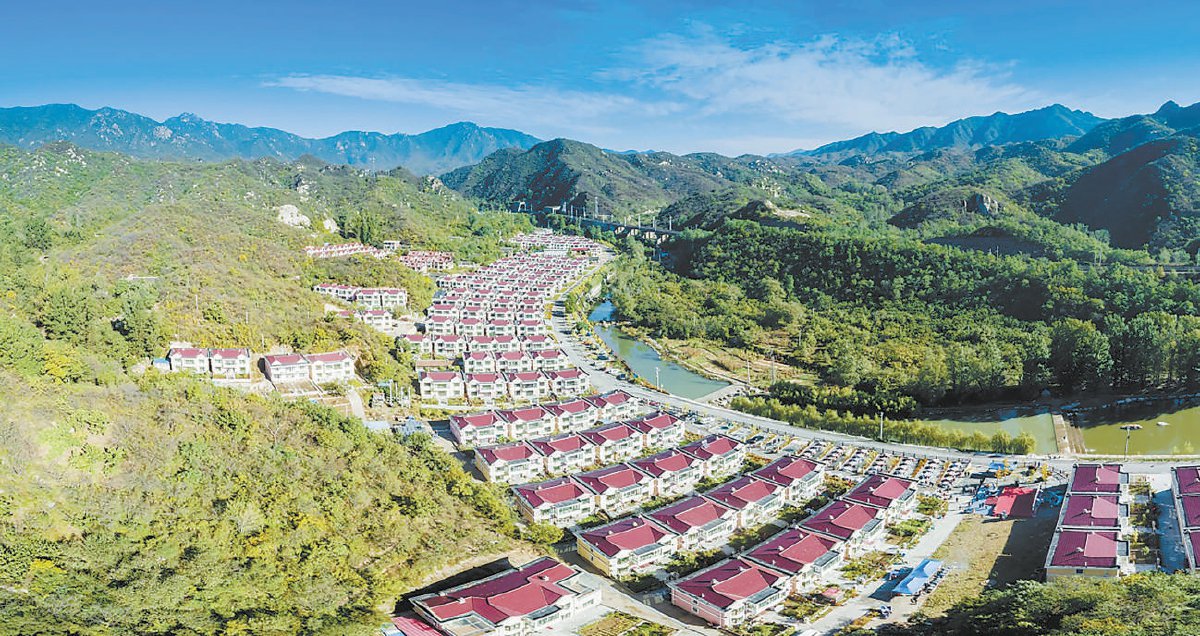
讲好革命故事 传承红色基因
Liao Ning Ri Bao· 2025-07-14 01:14
Core Points - The Desheng Village Party History Museum has attracted over 300 visitors from various sectors, including government agencies, schools, and enterprises, showcasing its significant appeal [1] - The museum's establishment is largely attributed to Lu Wanchang, a retired school principal, who initiated the project to educate villagers about their history and the Party's role in it [2] - Lu Wanchang has actively collected historical artifacts and stories from the village, emphasizing the importance of local heroes and their contributions to the Party's history [2] - The museum features seven thematic sections that reflect both revolutionary history and the village's development journey, making it a comprehensive educational resource [3] - The museum has become a well-known Party history education base, with Lu Wanchang personally conducting thousands of tours and lectures over 13 years [3][4] - The success of the museum has led to the development of tourism and agricultural industries in Desheng Village, contributing to the community's prosperity [4] - Lu Wanchang's dedication has inspired younger generations, with a recent university graduate taking over his role as a guide, ensuring the continuity of Party history education [4]
铭记历史 缅怀先烈丨山河回响
Xin Hua She· 2025-07-12 07:49
Core Viewpoint - The article emphasizes the heroic sacrifices made during the Anti-Japanese War, particularly in the Jin-Cha-Ji base area, highlighting the resilience and strength of the local military and civilians against brutal invaders [1][5][11]. Group 1: Historical Significance - The Jin-Cha-Ji base was the first anti-Japanese base established behind enemy lines, where numerous heroic stories are still celebrated today [1][2]. - The article recounts the tragic story of Zhang Li, a key figure who endured severe torture and ultimately sacrificed her life for her country at the age of 23 [3][6]. - The region is known for significant battles such as the Pingxingguan victory and the Hundred Regiments Offensive, which greatly inspired the national spirit during the war [11][13]. Group 2: Cultural Heritage and Tourism - The Jin-Cha-Ji Revolutionary Memorial Museum attracts numerous visitors, where stories of heroism continue to evoke strong emotions [2][4]. - The underground tunnels in the village of Ranzhuang, known as the "Underground Great Wall," were constructed by locals to protect themselves and fight back against the enemy [5][7]. - The memorials and museums serve as educational sites, fostering a deeper understanding of history among younger generations [25][26]. Group 3: Economic Development and Modernization - The article discusses the transformation of the region, particularly in Fuping County, where poverty rates have significantly decreased from 54.4% to a much lower figure since 2012, with per capita income increasing by 3.7 times [30][36]. - Fuping is now integrating red tourism with local agricultural experiences, enhancing the local economy through initiatives like mushroom cultivation and fruit orchards [28][34]. - The region is also diversifying its economy by introducing new industries, including photovoltaic and equipment manufacturing projects, to further boost economic growth [36].
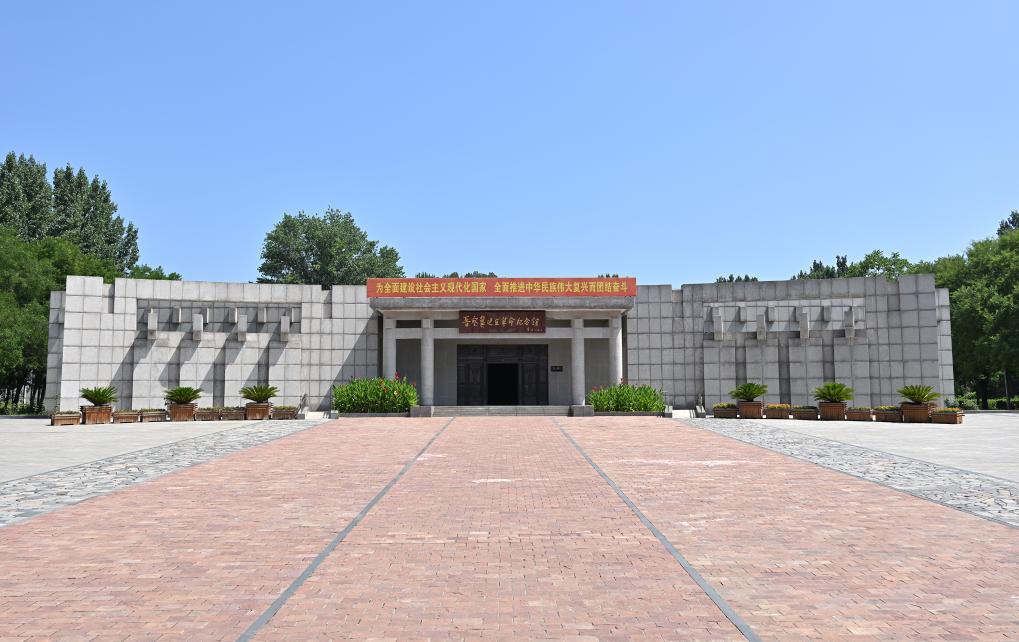
山西阳泉:从百团大战浴血奋战到绿色富民乡村振兴
Zhong Guo Xin Wen Wang· 2025-07-11 06:58
Core Viewpoint - The article highlights the historical significance of the Hundred Regiments Offensive in the context of China's anti-Japanese war and its transformation into a resource for local tourism and economic development in Yangquan, Shanxi Province [2][4][7]. Group 1: Historical Significance - The Hundred Regiments Offensive, initiated by the Eighth Route Army in August 1940, aimed to break the Japanese "cage policy" and was a major battle in the anti-Japanese war, boosting national morale [2]. - The memorial and museum dedicated to the Hundred Regiments Offensive serve as a testament to the bravery and sacrifices made during this pivotal moment in history, with the museum featuring over 470 images and 200 artifacts [2]. Group 2: Tourism and Economic Development - The local government has integrated the historical significance of the Hundred Regiments Offensive into tourism, with the memorial and related sites attracting over 30,000 visitors annually, contributing to the local economy [7]. - The village of Nanguo has adopted a "red lead + green prosperity" development strategy, establishing various agricultural initiatives alongside red tourism, which has resulted in significant economic benefits for the local community [7].
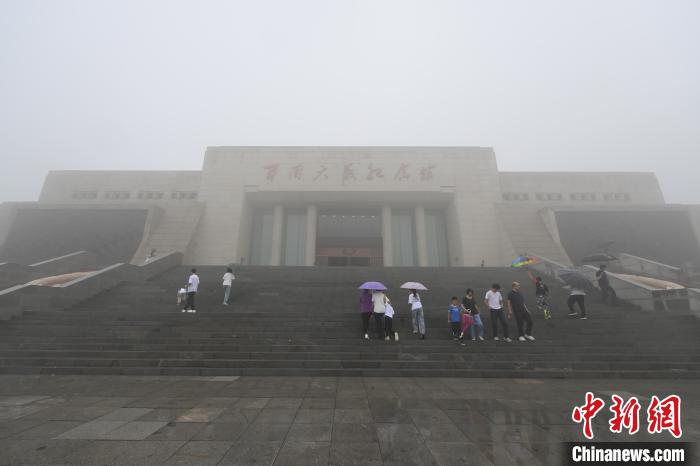
山河壮歌丨百团烽火淬炼 太行逐梦新篇
Yang Guang Wang· 2025-07-09 01:52
Core Viewpoint - The article highlights the historical significance of the Zhuangbi Village as a site of the Eighth Route Army's headquarters during the Anti-Japanese War, particularly its role in the "Hundred Regiments Offensive," and discusses the transformation of the area into a vibrant red tourism destination that benefits the local economy [1][2]. Group 1: Historical Significance - The Eighth Route Army headquarters was stationed in Zhuangbi Village from 1939 to 1942, where it commanded significant battles, including the "Hundred Regiments Offensive" [1][2]. - The "Hundred Regiments Offensive," initiated on August 20, 1940, involved 105 regiments and nearly 200,000 troops, disrupting Japanese military operations and boosting morale during World War II [2]. Group 2: Economic Impact - The Zhuangbi site has become a major red patriotic education base, attracting numerous tourists annually, which has revitalized the local economy [2]. - Local residents, such as a young entrepreneur running a plum apricot picking garden, have benefited from increased visitor traffic, leading to improved sales and economic opportunities [3].
铭记历史 缅怀先烈丨辽宁桓仁:革命老区绘就多彩乡村振兴画卷
Xin Hua She· 2025-07-04 11:38
Core Viewpoint - The article highlights the efforts of Huanren County in Liaoning Province to leverage its rich historical and ecological resources for rural revitalization, focusing on the development of tourism and the cultivation of medicinal herbs like ginseng [1][2][3]. Group 1: Historical and Cultural Resources - Huanren County has a significant historical background related to the Northeast Anti-Japanese Volunteer Army, with key sites being preserved and opened to the public, such as the Northeast Anti-Japanese Volunteer Army Memorial Museum [1]. - The county has actively excavated and protected important anti-war sites, enhancing cultural tourism [1]. Group 2: Economic Development through Tourism - The Fenglin Valley scenic area has developed over 50 tourist attractions, with a daily capacity of 35,000 visitors, contributing to local economic growth [1]. - Local businesses, such as those run by farmers in Xiangyang Township, have seen substantial income increases, with some earning over 300,000 yuan annually during peak tourist seasons [2]. Group 3: Agricultural and Ecological Initiatives - Huanren County has implemented policies since 2002 to support the cultivation of under-forest ginseng, with a protected area of 650,000 acres, increasing its market share nationally [2]. - The county's forest coverage rate has reached 78.94%, with significant cultivation of medicinal herbs and other crops, positioning Huanren as a major producer of ice wine in China [2].
天津航空暑运执飞38条红色航线 助力红色之旅高效启程
Zhong Guo Min Hang Wang· 2025-07-02 03:26
Core Viewpoint - Tianjin Airlines is enhancing the development of red tourism by operating 38 dedicated routes during the summer travel season, connecting key revolutionary historical areas with major cities in China [1][2][3] Group 1: Route Network and Accessibility - The airline plans to operate 38 red tourism routes, focusing on regions such as the former Central Soviet Area, Dabie Mountain Revolutionary Area, and Shaanxi-Gansu-Ningxia Revolutionary Area [1] - The red tourism routes will connect 45 major cities including Xi'an, Tianjin, Shenyang, and Urumqi, allowing travelers to easily reach historical areas like Ganzhou and Meizhou [2] - The routes feature flexible scheduling, with options for daily and multiple weekly flights, catering to various travel plans [2] Group 2: Economic Impact and Cultural Integration - By enhancing connectivity between revolutionary areas and urban centers, the initiative aims to boost tourism and economic growth in these regions [2] - The airline is committed to integrating aviation services with red cultural resources, fostering collaboration with airports in revolutionary areas [2] - Future plans include analyzing market demand to optimize flight operations and develop high-quality red tourism products [3]
“一片绿叶”绘共富新景
Ren Min Ri Bao Hai Wai Ban· 2025-06-30 02:38
Core Viewpoint - The article highlights the transformation and modernization of the tea industry in Sanzhou Township, showcasing how traditional practices are being integrated with innovative approaches to drive economic growth and community prosperity [2][3][4][5][6]. Group 1: Traditional Practices and Modernization - Sanzhou Township's tea farmers are leveraging their local resources to create a new model of shared prosperity through tea cultivation [2]. - The introduction of automated tea processing machines has revolutionized traditional tea-making methods, allowing for increased efficiency and production capacity [3]. - A modern tea production complex has been established, featuring over 100 automatic tea roasting machines, achieving a daily transaction volume exceeding 1.3 million yuan [3]. Group 2: E-commerce and Youth Engagement - The return of young entrepreneurs like Qiu Wutao has led to innovative marketing strategies, including live-streaming sales, which have expanded the market reach of local tea products [4]. - Training programs for aspiring e-commerce hosts have been initiated, resulting in the emergence of a new generation of successful online sellers [4]. Group 3: Cultural and Educational Integration - The integration of local history and culture into tourism has been emphasized, with the development of educational programs that highlight the region's revolutionary past [5]. - The establishment of immersive experiences related to tea production and local history has attracted approximately 32,000 tourists annually, benefiting local households through increased income [5]. Group 4: Overall Economic Impact - The combination of traditional tea production, modern technology, and cultural tourism is creating a sustainable economic model that supports community development and enhances local livelihoods [6].