适老化改造

Search documents
浴室适老化“小改造”,撬动幸福生活“大工程” “我们老年人,现在洗澡更安心”(民生一线·银发经济促消费)
Ren Min Ri Bao· 2025-05-14 22:19
Core Viewpoint - The article highlights the challenges faced by elderly individuals in adapting their living spaces, particularly bathrooms, to ensure safety and comfort as they age. It emphasizes the importance of home modifications to enhance the quality of life for seniors in urban areas, particularly in Shanghai's Changning District, which has a significant aging population [4][6]. Group 1: Elderly Challenges - Elderly individuals, like Xuan Huiqing, face significant difficulties in using traditional bathrooms due to physical limitations, such as the risk of falling when stepping over thresholds and using slippery surfaces [3][4]. - The psychological impact of these challenges is evident, as elderly individuals express anxiety and fear regarding their safety during daily activities like bathing [3][6]. Group 2: Home Modification Solutions - A market-driven initiative in Shanghai offers a comprehensive bathroom modification package for seniors, addressing specific safety concerns such as removing thresholds, adding non-slip surfaces, and installing grab bars [4][5]. - The cost of the modification package is approximately 9,900 yuan, with government subsidies available to reduce the financial burden on families, allowing Xuan Huiqing to pay less than 7,000 yuan after subsidies [4][5]. Group 3: Implementation and Impact - The modification process is designed to minimize disruption to daily life, utilizing "dry construction" techniques that reduce noise and dust, allowing seniors to continue their routines during renovations [5][6]. - Post-modification, seniors report improved safety and comfort, with many expressing regret for not having made changes sooner, indicating a strong demand for such services in the community [6][7]. Group 4: Future Developments - As of 2024, Changning District has completed 1,835 elderly-friendly modifications, with a total subsidy of 6.8 million yuan, highlighting the growing need for such services [6]. - Future policies will allow seniors to apply for multiple subsidies over a three-year period, further encouraging home modifications to enhance living conditions for the elderly [6][7].
“银发族”变身“剁手党”,老年人网购有多野?
Tai Mei Ti A P P· 2025-05-06 04:48
Core Insights - The article highlights the emergence of the silver economy, where elderly consumers are increasingly engaging in online shopping, demonstrating a significant shift in their purchasing behavior and preferences [1][2][3] Group 1: Consumer Behavior - Elderly consumers are becoming a key demographic in e-commerce, with a 238% annual growth rate in online transaction volume among those aged 60 and above [1] - The shopping habits of older adults reflect a blend of practicality and emotional fulfillment, with significant increases in spending on health supplements and luxury items [2][3] - The traditional view of elderly consumers as price-sensitive is being challenged, as they are willing to spend on both affordable and high-end products [2][3] Group 2: Emotional and Social Factors - Emotional marketing strategies are effectively engaging elderly consumers, who often use online shopping as a means to connect with others and combat loneliness [5][6] - The social dynamics within elderly communities, such as shared activities like square dancing, play a crucial role in influencing their shopping behaviors and preferences [7][8] Group 3: Technological Adaptation - E-commerce platforms are adapting their services to better cater to elderly consumers, moving beyond basic accessibility features to more nuanced, user-friendly designs [6][13] - The shift from merely making technology accessible to providing tailored services that address the unique needs of elderly consumers is crucial for enhancing their shopping experience [13][14] Group 4: Market Opportunities - The silver economy represents a significant market opportunity, with businesses encouraged to develop products and services that resonate with the values and needs of older consumers [17][18] - Companies are advised to focus on building trust and long-term relationships with elderly customers through personalized services and community engagement [10][11] Group 5: Ethical Considerations - The rapid growth of the silver economy has raised concerns about potential exploitation of elderly consumers through aggressive marketing tactics [16] - There is a call for regulatory measures to protect elderly consumers from manipulative marketing practices, drawing inspiration from international examples [16]
多措并举,激发消费新动能
Zhong Guo Qing Nian Bao· 2025-04-28 23:12
H C a 1 0 11 "叮!"4月24日晚上,甘肃省兰州市某制造企业员工杨天琦的手机弹出特别提醒:"4天后,您即将前往 泉州,当地气温……"杨天琦向记者描述此次旅程时,难掩兴奋:"领导鼓励我把'五一'假期和年假连 休,终于能打卡心心念念的福建深度游了!错峰出行,机票实惠还能避开人潮。" 一场期待已久的福建之旅,不仅承载着杨天琦的旅行梦想,更折射出今年提振消费政策的切实利好。3 月16日,中共中央办公厅、国务院办公厅印发的《提振消费专项行动方案》(以下简称《行动方案》) 正式落地,一系列惠民举措持续加码。其中提出,鼓励带薪年休假与小长假连休,实现弹性错峰休假。 从真金白银的育儿消费补贴,到落实休息休假权益等消费保障,再到通过适老化改造开拓银发消费空 间,《行动方案》多措并举,正推动不同年龄人群"敢消费、能消费、愿消费",全面释放消费市场活 力。 作为即将在山东省青岛市迎接新生命的准妈妈,王丹一直密切关注生育养育政策。在她看来,如今不断 完善的政策体系,减轻了家庭的生育焦虑和育儿负担。"有些地区适龄儿童上幼儿园是免费的,而且现 在很多地方都在搞生育补贴。"她说。 研究建立育儿补贴制度是《行动方案》的亮点政策, ...


适老化改造能否成为家居产业新蓝海
Bei Jing Shang Bao· 2025-04-24 14:04
卢金辉向北京商报记者表示,针对适老化改造,箭牌卫浴推出了适老化扶手、智能坐便器、浴室柜等产品,有助于改善老年人日常生活中的问题。此外,针 对健康监测需求,公司还推出国内首个采用湿法尿液检测法的ARROW-P9智能尿检坐便器,坐便器支持自检六项尿检指标,在3分钟内出结果,可以让消费 者时刻关注自己的身体健康。 此外,家居卖场等企业则通过场景化方式入局适老化改造市场。去年10月,宜家宣布将助力提升老年人群体的居家生活质量,并在第七届中国国际进口博览 会上设置"长者友好家"展区,展示专为长者设计的卧室和浴室场景;同年7月,梵客家装奥体中心店开业,体验馆内打造了适老化样板间,设置无障碍、适 老化设施和设计。 中国建筑材料流通协会会长秦占学表示,随着人口老龄化程度不断加深,家居行业向适老化发展是一个战略性方向。适老化改造已从单一的卫浴产品扩展到 全屋定制、智能家居、装修服务等多个领域,成为家居行业的新增长点。 随着老龄化进程加速,适老化家居改造正成为家居产业下一个蓝海市场。4月24日,北京商报记者注意到,箭牌卫浴推出了针对女性需求的卫浴新品,深耕 垂直细分赛道。对此,箭牌卫浴副总经理卢金辉指出,未来女性、儿童、老年人市 ...

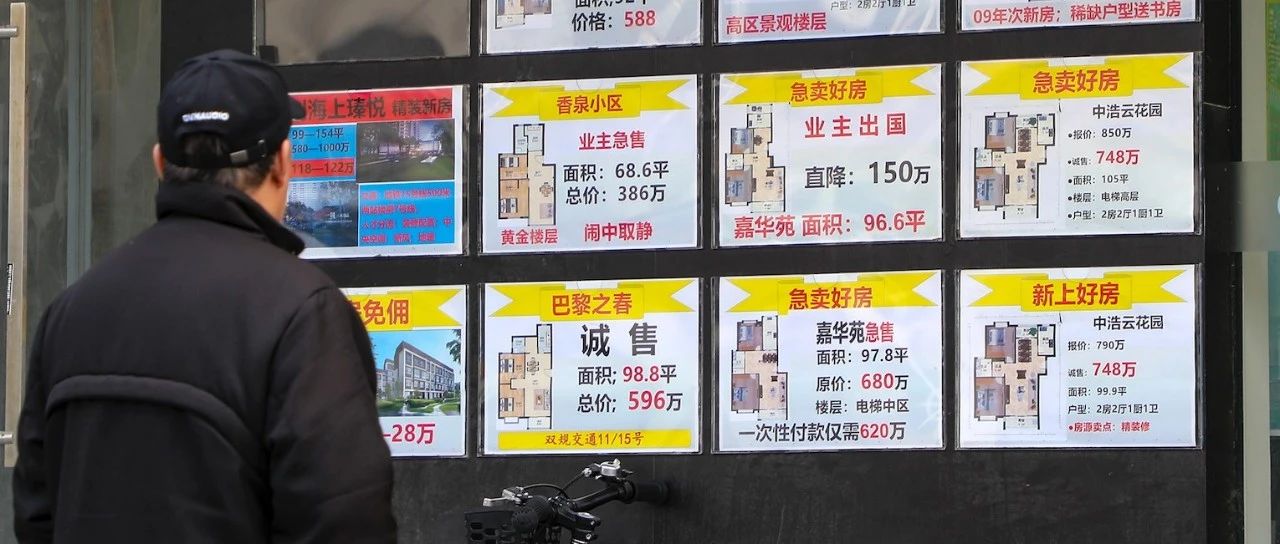
3天被拒20次,老年人租房咋这么难
Xin Jing Bao· 2025-04-24 03:01
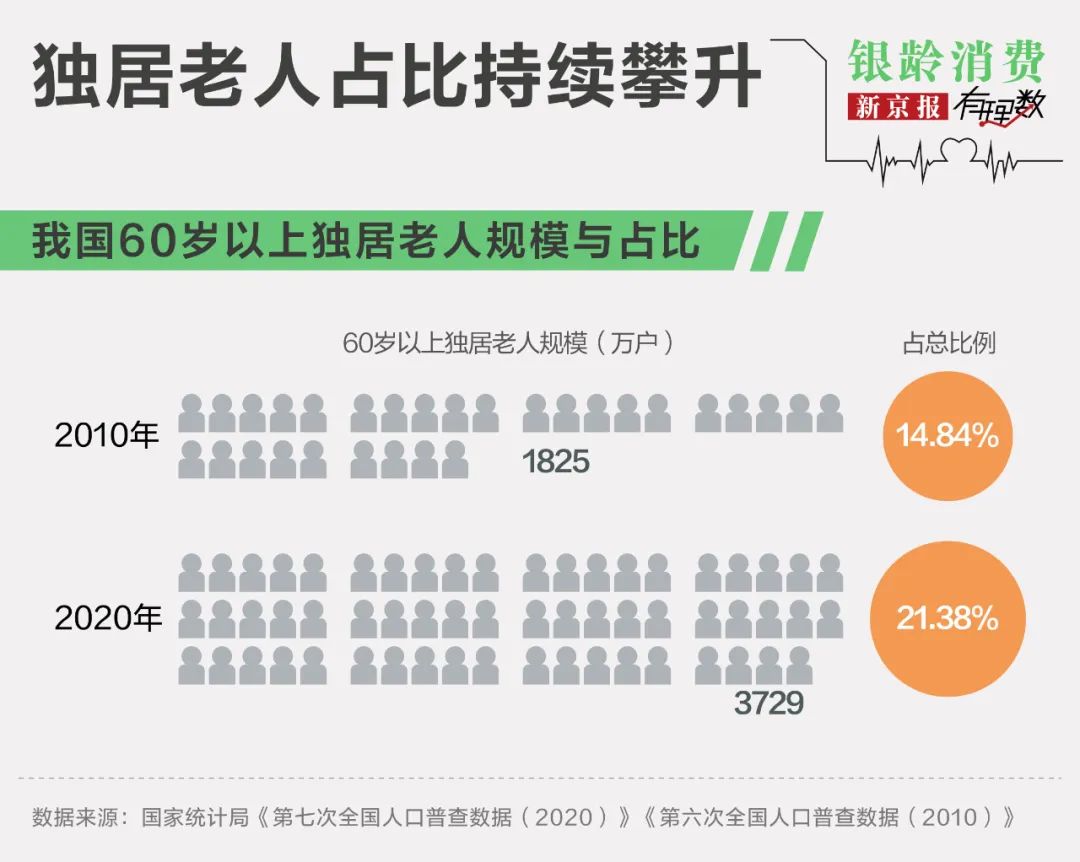
数据新闻编辑:陈华罗 实习生余姿桦 新媒体设计:苗奇卉 校对:李立军 3月末,一则"为65岁母亲和年迈外婆租房3天被拒20次"的新闻上了热搜,引发社会关注。 有媒体记者调查发现,北京、上海等城市大部分的中介直言"房东不租给老人",部分平台甚至将"60岁以上租客"自动归类为高风险群体。 这一现象背后,是租赁市场对老年群体的系统性排斥——房东因担心老人突发疾病、房屋贬值等风险,宁肯承担空置损失也不愿出租。此类事件折射出老 年群体在租房市场中遭遇的较为普遍的困境。在我国老龄化程度不断加深的背景下,适老化房源供应短缺、租房市场对老年人存在歧视等问题愈发凸显。 为了量化老年人租房的现实困境,新京报有理数基于社交媒体平台,抓取了数千条网络评论,通过拆解社交媒体的多维数据,试图精准描绘老年人租房的 核心风险议题分布,追踪代际矛盾和租赁年龄歧视链,评估制度保障与适老化改造的社会缺口,用数据化呈现老年人租房遇到的现实困境。 这表明,几乎每五户有老年人居住的家庭中,就有一户是独居状态,这数千万独自生活的身影,折射出当下老龄社会中日益突出的居住孤独与照护缺口。 城市独居老人的租房需求尤为突出。据社科院研究,19.8%的城市独居老人 ...
3天被拒20次,老年人租房咋这么难?
新京报· 2025-04-24 02:41
Core Viewpoint - The rental market in China is increasingly discriminatory against the elderly, with landlords often refusing to rent to older individuals due to concerns about health risks and property value depreciation, reflecting a systemic exclusion of the elderly from housing options [1][3][12]. Group 1: Elderly Population and Housing Demand - As of 2023, there are 216 million people aged 65 and above in China, accounting for 15.4% of the total population, with a rising trend in the number of elderly living alone [3][6]. - The number of elderly individuals living alone reached 29.93 million in 2020, a 3.82-fold increase from 2000, indicating a growing issue of living alone and care gaps in an aging society [3][6]. Group 2: Rental Market Challenges for the Elderly - Approximately 19.8% of urban elderly rely on renting or borrowing housing, with many facing barriers due to landlords' preferences for younger tenants [6][12]. - The rental market lacks suitable housing for the elderly, with many older properties not equipped with necessary facilities, leading to a shortage of appropriate living conditions for older renters [7][9]. Group 3: Landlord Concerns and Discrimination - Landlords exhibit a cautious attitude towards elderly tenants, fearing potential health issues and the associated liabilities, which leads to a pattern of exclusion [14][18]. - The perception that elderly tenants pose higher risks has resulted in a significant reluctance among landlords to rent to them, creating a dual challenge of longer vacancy periods and lower acceptance rates for elderly renters [18][20]. Group 4: Economic Pressures on Elderly Renters - The average annual income for urban elderly individuals is approximately 47,000 yuan, which is only 45%-75% of the income of urban workers, leading to a high rental burden [20][21]. - In major cities, the median monthly rent has reached 4,750 yuan, while rents in smaller cities are generally above 1,500 yuan, creating significant financial strain for elderly individuals [23][24]. Group 5: Systemic Barriers and Policy Gaps - Despite some policies aimed at improving elderly housing conditions, many rental platforms and agencies impose age restrictions, effectively marginalizing elderly renters [26][30]. - Legal protections against age discrimination in housing are weak, as landlords retain the right to choose tenants, complicating the enforcement of anti-discrimination laws [30][32]. Group 6: Future Implications and Solutions - The ongoing exclusion of elderly renters is expected to worsen, with predictions indicating that by 2050, nearly 48% of the elderly population will be living alone, exacerbating the housing crisis [33]. - Innovative practices in some cities, such as lowering public rental standards for the elderly and integrating elderly care services into rental management, may provide pathways to address these challenges [33][34].