
数字孪生

Search documents
★商务部等八部门发布专项行动计划 培育数智供应链领军企业和供应链中心城市
Shang Hai Zheng Quan Bao· 2025-07-03 01:56
Core Insights - The "Action Plan" aims to accelerate the development of intelligent supply chains across five key sectors, focusing on targeted measures for each industry [1][2] - The initiative emphasizes the importance of leveraging new technologies such as AI, IoT, and blockchain to enhance supply chain resilience and efficiency [1][2] Group 1: Key Areas of Focus - The "Action Plan" identifies five major sectors: agriculture, manufacturing, wholesale, retail, and logistics, with specific strategies for each to promote digital transformation [2] - It aims to cultivate around 100 leading intelligent supply chain enterprises to enhance the resilience and security of China's supply chains by 2030 [1] Group 2: Technological Integration - The plan includes the establishment of intelligent supply chain control towers utilizing IoT, AI, and digital twin technologies for real-time insights and decision-making support [2] - It encourages the exploration of supply chain data trading, promoting data sharing and the development of standards for data asset recognition and quality evaluation [2] Group 3: Collaborative Efforts - The "Action Plan" stresses the need for coordination among government departments and collaboration between industry, academia, and research institutions to facilitate smooth data flow across the supply chain [2]
“数字孪生”建造显身手 西北最大高铁枢纽西安东站主体结构封顶
Zhong Guo Jing Ji Wang· 2025-07-02 03:58
Group 1 - The Xi'an East Station, a key railway passenger hub in Northwest China, has completed the concrete structure topping, marking the full completion of the main framework and transitioning to the steel structure roof and decoration phase [1] - Xi'an East Station is a critical node in the national "eight vertical and eight horizontal" high-speed rail network, featuring a large scale of 13 platforms and 27 lines, leading the Northwest region [1] - The construction team, including China Railway Third Bureau, has implemented a low-carbon, green construction philosophy, focusing on structural integrity over decoration, which has resulted in high-quality exposed concrete with reduced construction waste [1] Group 2 - The project utilizes a "digital twin" construction system developed by China Railway Third Bureau, enabling intelligent real-time control of the concrete mixing and curing process through an IoT platform [2] - An innovative "bridge-building integration" structural system has been applied, featuring self-developed intelligent tensioning and grouting equipment for the largest prestressed box girder in China, achieving automated and high-precision control [2] - The construction of Xi'an East Station has entered the "fine decoration" phase for underground structures, with a focus on precision craftsmanship to accelerate the development of this important hub in the Belt and Road Initiative [2]
四年亏超5亿、现金流告急,“数字孪生第一股”51WORLD流血闯关IPO
Sou Hu Cai Jing· 2025-07-02 03:25
Core Viewpoint - 51WORLD is facing significant challenges as it attempts to go public on the Hong Kong Stock Exchange, including ongoing losses, cash flow issues, and declining gross margins [2][3] Financial Performance - From 2022 to 2024, 51WORLD's revenue grew from 190 million to 287 million, with a compound annual growth rate of 22.90% [4] - Despite revenue growth, the company reported losses of 190 million, 87 million, and 82 million during the same period, totaling over 505 million in losses over four years [4] - Operating cash flow has been negative for three consecutive years, with net outflows of 104 million, 133 million, and 114 million, amounting to over 350 million in total [4][5] Cost Structure - High operating costs are a significant burden, with sales expenses of 58 million, 51 million, and 58 million during the reporting period, remaining high relative to revenue [5] - Research and development expenditures have drastically decreased, from 85.7% of revenue in 2021 to 40.2% and 20.3% in 2023 and 2024, respectively [5] Funding Situation - The company's cash reserves have dwindled from 177 million in 2021 to 40 million in 2023, despite a 200 million Pre-IPO round in 2024 [6] - The ability to secure future external financing is uncertain, highlighting the company's precarious position [7] Business Model and Client Base - 51WORLD's revenue heavily relies on its digital twin platform, 51Aes, which accounted for 83.3%, 79.8%, and 82.2% of total revenue during the reporting period [8] - The number of clients for 51Aes decreased from 183 in 2023 to 131 in 2024, indicating challenges in client retention and growth [8][11] - The customer acquisition cost for 51Aes increased from 91,500 to 157,400, impacting its gross margin, which fell from 55.7% to 52.8% [8] Competitive Landscape - 51WORLD's other platforms, such as 51Sim and 51Earth, have shown limited growth and increasing customer acquisition costs, with 51Earth's revenue declining significantly [10][12] - The company faces intense competition from major players like Alibaba Cloud and Tencent Cloud, which have established ecosystems in the "cloud + AI + digital twin" space [12]


一天新增41家!2025年上半年IPO受理177家
梧桐树下V· 2025-07-01 13:24
Group 1 - The article highlights that on June 30, 2025, the three major stock exchanges in China received 41 new IPO applications, setting a new single-day record for the year, with a total of 177 IPO projects accepted in the first half of 2025, of which 150 were accepted in June, accounting for 85% of the total [1] Group 2 - Moer Thread Intelligent Technology (Beijing) Co., Ltd. was established on June 11, 2020, and transformed into a joint-stock company on October 28, 2024, with a registered capital of 400.028217 million yuan [2] - The company focuses on the research, design, and sales of GPUs and related products, aiming to provide computing acceleration platforms for high-performance computing fields such as AI and digital twins [3] - The company has no single shareholder holding more than 30% of the shares, with Zhang Jianzhong being the actual controller, holding 11.06% directly and controlling a total of 36.36% through agreements with other platforms [4] Group 3 - The company's revenue for 2022, 2023, and 2024 was 46.0883 million yuan, 123.9819 million yuan, and 438.4595 million yuan, respectively, with net profits of -1.412 billion yuan, -1.6906622 billion yuan, and -1.5069072 billion yuan [5][6] - The total assets increased significantly from 207.47645 million yuan in 2022 to 708.23964 million yuan in 2024, while the total liabilities rose from 37.51154 million yuan to 259.242 million yuan [6] Group 4 - The company plans to raise 800 million yuan through its IPO for three projects, including the development of a new generation of AI training and inference integrated systems, a new generation of controllable graphics chips, and supplementary working capital [9][11] Group 5 - Youyan Metal Composite Materials (Beijing) Co., Ltd. was established on September 19, 2019, and transformed into a joint-stock company on May 23, 2024, with a registered capital of 371.238468 million yuan [12] - The company specializes in the research, production, and sales of metal composite materials and special non-ferrous metal alloy products, with applications in aerospace, military electronics, and smart terminals [13] - The company reported revenues of 414.3541 million yuan, 497.9687 million yuan, and 609.6398 million yuan for 2022, 2023, and 2024, respectively, with net profits of 23.6542 million yuan, 45.0587 million yuan, and 55.3612 million yuan [15][16] Group 6 - The company intends to raise 90 million yuan through its IPO for two projects, including the industrialization of advanced metal matrix composites and the establishment of a research and development center [18][19] Group 7 - Muxi Integrated Circuit (Shanghai) Co., Ltd. was established on September 14, 2020, and transformed into a joint-stock company on December 27, 2024, with a registered capital of 360 million yuan [20] - The company focuses on the research, design, and sales of high-performance GPU chips and computing platforms for AI training and inference [21] - The company reported revenues of 426,400 yuan, 5.30212 million yuan, and 74.30716 million yuan for 2022, 2023, and 2024, respectively, with net profits of -784,305.6 yuan, -889,875.3 yuan, and -1.0438720 million yuan [23][24] Group 8 - The company plans to raise 390.36659 million yuan through its IPO for three projects, including the development and industrialization of new high-performance general-purpose GPUs [29] Group 9 - Nanjing Qinheng Microelectronics Co., Ltd. was established on May 9, 2004, and transformed into a joint-stock company on June 24, 2019, with a registered capital of 63.242187 million yuan [31] - The company specializes in the research, design, and sales of interface chips and interconnect MCU chips [32] - The company reported revenues of 238.2564 million yuan, 307.6107 million yuan, and 396.7953 million yuan for 2022, 2023, and 2024, respectively, with net profits of 48.9457 million yuan, 62.8909 million yuan, and 97.2430 million yuan [34] Group 10 - The company intends to raise 93.15392 million yuan through its IPO for three projects, including the development and industrialization of USB chips and network chips [39]

资产置换获高票通过,广西广电拥抱智慧交通新赛道
Guan Cha Zhe Wang· 2025-06-30 14:44
Core Viewpoint - Guangxi Broadcasting has successfully passed a significant asset swap proposal with a high approval rate of approximately 94.34%, marking a substantial step in its strategic shift towards the smart transportation sector [1] Group 1: Industry Challenges - The broadcasting industry is facing unprecedented challenges due to the rapid development of internet technology and the rise of new media, which have impacted traditional broadcasting revenue streams [3] - Guangxi Broadcasting's cable television revenue is declining, and its broadband business is under intense market competition, leading to compressed profit margins [3] Group 2: Asset Swap Details - The core of the asset swap involves Guangxi Broadcasting divesting 100% of Guangxi Broadcasting Technology while acquiring 51% of Guangxi Transportation Science and Technology Group, with both parties valuing the transaction at 1.411 billion yuan [3][4] - Post-transaction, the company's main business will shift from traditional broadcasting operations to smart engineering, surveying and design, testing and inspection, and new materials research and development, aligning with the national "new infrastructure" strategy [3][4] Group 3: Strength of Acquired Assets - Guangxi Transportation Science and Technology Group is recognized as a leading high-tech enterprise in Guangxi, ranking first among the top 100 high-tech companies in the region, with a focus on research and innovation [3][4] - The group covers the entire smart transportation industry chain, including intelligent engineering, surveying and design, testing and inspection, and new materials production and sales [4] Group 4: Financial Outlook - Following the transaction, Guangxi Broadcasting's projected revenue for 2024 is expected to be 3.19 billion yuan, an increase of 1.831 billion yuan compared to before the transaction, with a net profit of nearly 200 million yuan, marking a turnaround from losses [5][6] - The company's debt-to-asset ratio will significantly decrease from 91.04% to 75.76% post-transaction, indicating improved financial health [6] Group 5: Strategic Implications - The transaction is expected to enhance Guangxi's digital economy development and create a virtuous cycle of "technology research and development - scenario application - industrial cluster" [5] - With the integration of Guangxi Transportation Science and Technology Group, Guangxi Broadcasting aims to leverage technology to empower transportation, embarking on a new journey in the wave of smart China construction [6]


【IPO一线】摩尔线程科创板IPO获受理 募资80亿元投建图形芯片/AI训推一体芯片等项目
Ju Chao Zi Xun· 2025-06-30 13:19
Core Viewpoint - The company, Moore Threads, has officially submitted its IPO application to the Shanghai Stock Exchange, aiming to raise 8 billion yuan for the development of next-generation AI and graphics chips, enhancing its competitive edge in the GPU market [1][4]. Group 1: Company Overview - Moore Threads specializes in the research, design, and sales of GPUs and related products, focusing on high-performance computing areas such as AI, digital twins, and scientific computing since its establishment in 2020 [1]. - The company has successfully launched four generations of GPU architectures, creating a diverse product matrix that covers various applications including AI intelligence, high-performance computing, graphics rendering, and personal entertainment tools [1][2]. Group 2: Product Lines - The AI computing product line includes AI training and inference cards, AI supernode servers, and KUAE computing clusters, designed to meet the needs of AI computing centers and cloud service platforms [2]. - Professional graphics acceleration products are aimed at high-end applications such as industrial design and video editing, featuring various GPU series and integrated solutions [3]. - Desktop graphics acceleration products cater to AI PCs, gaming PCs, and office PCs, supporting multiple operating systems and CPU platforms [3]. - Intelligent SoC products are designed for AI PCs, edge intelligence, and smart vehicles, providing integrated solutions for AI training and inference needs [3]. Group 3: Fundraising and Strategic Goals - The IPO aims to raise 8 billion yuan for projects focused on the development of next-generation AI training and inference chips, graphics chips, and AI SoC chips, as well as to supplement working capital [4]. - The fundraising projects are aligned with the company's development plans, aimed at enhancing GPU performance, driving product innovation, and expanding the company's business scale [4]. - Moore Threads aims to become a leading GPU enterprise with international competitiveness, providing robust AI computing support for digital transformation across various industries [4].
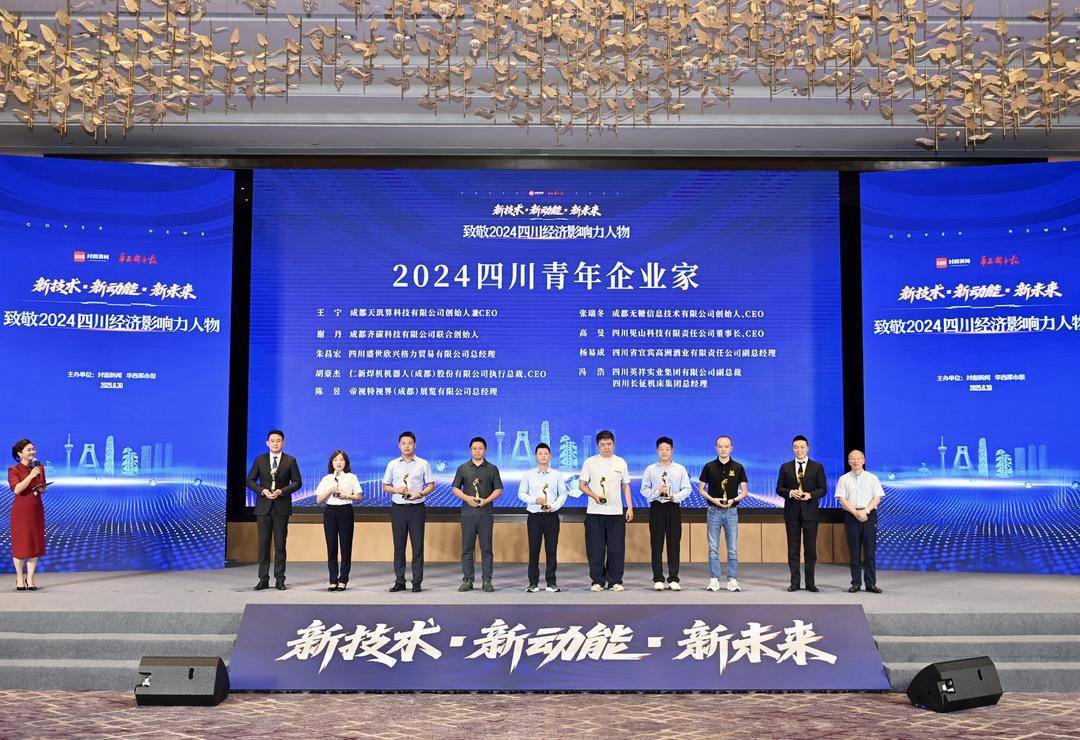
四川见山科技董事长高旻获“2024四川青年企业家”
Sou Hu Cai Jing· 2025-06-30 11:20
封面新闻记者 陈彦霏 6月30日,"新技术·新动能·新未来——致敬2024四川经济影响力人物"大型活动在成都隆重举行。四川见山科技有限责任公司董事长、CEO高旻获"2024四 川青年企业家"奖项。 他的颁奖词里写道:从4人初创团队到300人精英方阵,他是领路人。高旻带领团队以数字孪生技术为笔,绘就智慧城市创新蓝图。8年奋进,首创国内领 先的超大城市级三维模型自动生成、轻量化处理与实时渲染技术体系,布局知识产权220余项,编制国际/国家等标准8项,业务覆盖45座城市,技术迈向 海外,为城市发展提供最优解,让世界见证成都数字力量。 据了解,四川见山科技有限责任公司成立于2016年5月,是一家以计算机图形学为核心的国家高新技术企业,公司以运营城市元宇宙数字孪生底座为主要 核心业务,融合BIM、CIM、AI、IOT、GIS等技术,致力于提供全球顶尖的孪生城市场景和行业应用。公司现有员工300余人,已布局220多项自主研发 的知识产权,客户覆盖华南、华东、西南、华中及华北等45座城市,是国家级专精特新"小巨人"企业、四川省瞪羚企业、四川省新经济示范企业。 见山科技自主研发的元宇宙城市数字底座平台,提供数字孪生可视化解决 ...
浙江加快建设全国首个“智慧农业引领区”
Xin Hua Wang· 2025-06-30 02:56
Core Insights - Zhejiang has been entrusted with the construction of China's first "Smart Agriculture Leading Zone" by the Ministry of Agriculture and Rural Affairs, focusing on the deep application of AI technologies in agriculture from 2025 to 2030 [1] - The integration of large models in agriculture is expected to revolutionize traditional farming practices, enhancing autonomous analysis and predictive capabilities [1][2] - The development of digital twin technology is enabling precise monitoring and management of crops, leading to improved efficiency and reduced resource waste [2][3] Group 1: Smart Agriculture Initiatives - The construction plan for the Smart Agriculture Leading Zone will rely on an integrated intelligent public data platform, targeting core industries such as planting, animal husbandry, and aquaculture [1] - The use of digital twin technology in agriculture allows for real-time monitoring of plant health and growth conditions, facilitating data-driven decision-making [2] - The goal is to establish 1,000 digital agriculture factories and 100 future farms by the end of 2027, indicating a significant push towards modernization in agriculture [5] Group 2: Technological Advancements - The introduction of AI and digital technologies is transforming traditional breeding methods, increasing efficiency and precision in crop development [6] - The use of drones for data collection is becoming essential, with predictions of widespread drone deployment for tasks such as crop monitoring and yield prediction [3] - Companies are leveraging AI-driven models to enhance logistics and supply chain management, improving the efficiency of agricultural product distribution [8] Group 3: Economic Impact - The integration of smart agriculture technologies is projected to generate significant economic benefits, with examples of cost savings and increased revenue for farmers [3][8] - E-commerce and digital marketing strategies are contributing to the growth of agricultural sales, with online retail sales of agricultural products reaching 28.97 billion yuan, a year-on-year increase of 8.49% [7] - The collaboration between agricultural enterprises and tech companies is fostering innovation, leading to enhanced product quality and market reach [8]

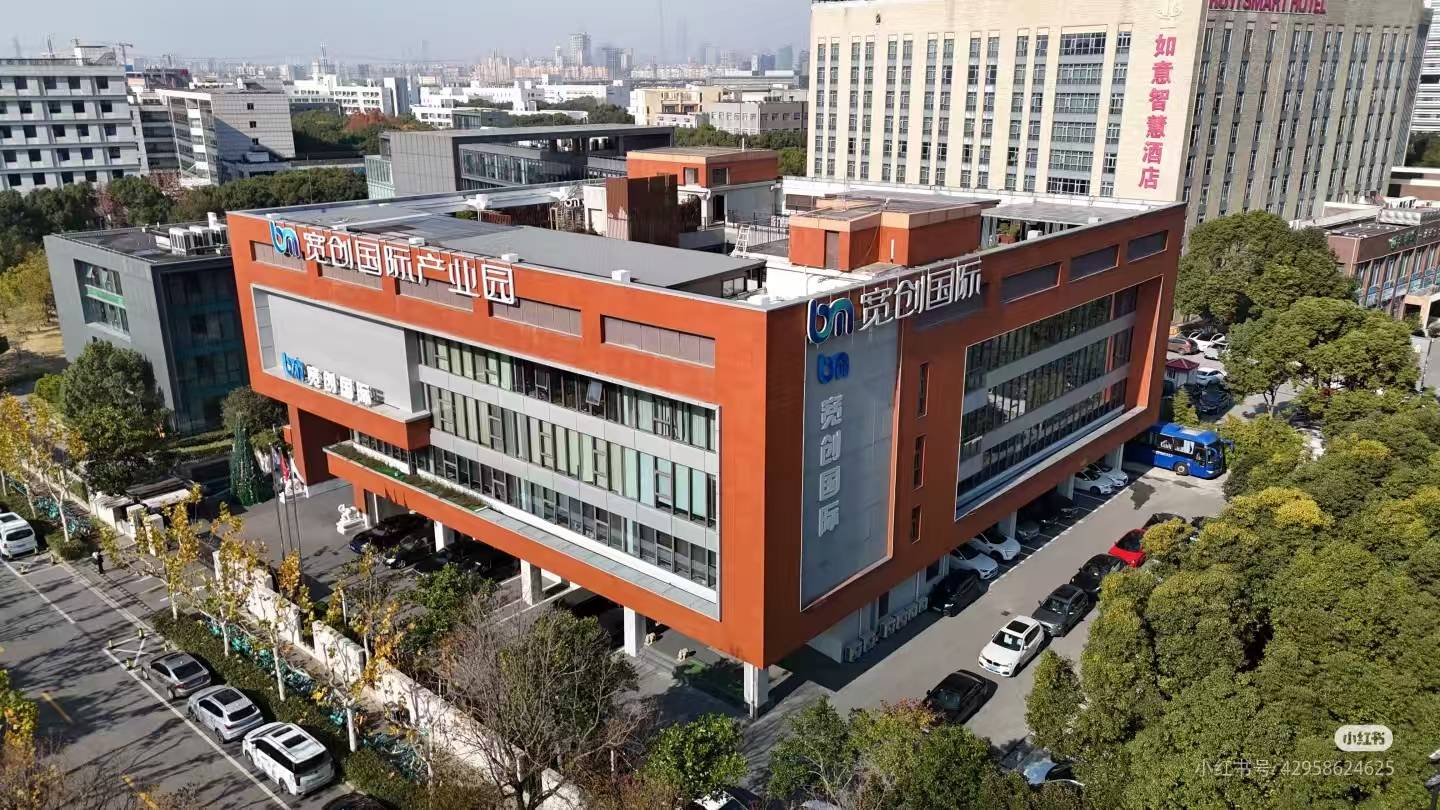
品牌空间的幕后操盘手——宽创国际展厅设计公司市场部专访
Sou Hu Cai Jing· 2025-06-30 02:31
Core Insights - The article discusses how KuanChuang International Exhibition Design Company has positioned itself as a leading partner in creating brand spaces by combining professionalism and creativity with market insights and services [1][4]. Group 1: Industry Trends - The transformation of corporate exhibition spaces from "display areas" to "experience ecosystems" is highlighted, with digital technology playing a crucial role [4]. - The use of AI navigation and mixed reality technology in a project for a leading new energy company has significantly enhanced brand communication efficiency by over 80% [4]. - Sustainability is emphasized as a standard requirement, with the company developing modular biodegradable exhibition materials that achieve 100% material recycling, reducing construction time by 30% and costs by 40% [4]. Group 2: Marketing Innovations - The marketing department has created a "content + scene + ecosystem" communication network, turning project processes into brand storytelling materials [5]. - A video series titled "Exhibition Birth Story" has garnered over 30 million views, leading to a 200% increase in online inquiries [5]. - The "Future Exhibition Laboratory" at an international design biennale attracted over 8,000 professional visitors and generated over 50 million yuan in on-site contracts [5]. Group 3: Customer Experience - The company offers a comprehensive "360° Brand Escort Plan" that includes demand diagnosis, digital twin previews, intelligent construction supervision, and annual content renewal [6]. - The use of digital twin technology in a project for a tech unicorn improved decision-making efficiency by 60% [6]. - A collaborative "iron triangle" mechanism during construction ensures precise implementation of creative ideas, achieving 100% customer satisfaction in a major project [6]. Group 4: Collaborative Innovation - The formation of an "innovation joint team" that breaks down departmental barriers is key to success, exemplified by a project that utilized BIM and digital twin technology to compress the construction timeline by one-third [8]. - Future developments in technologies such as AIGC and brain-computer interfaces are expected to evolve exhibition spaces into multi-modal brand interaction environments [8]. - The company aims to redefine exhibition value through professional creativity and innovative services, leading the industry to new heights [8].
北京西城举办2025年非遗演出季传统武术专场演出
Bei Jing Shang Bao· 2025-06-28 14:17
Core Points - The 2025 Intangible Cultural Heritage (ICH) Performance Season in Xicheng District, Beijing, will feature traditional martial arts performances at the Tianqiao Theater, showcasing the unique charm of martial arts through three thematic chapters [1] - Xicheng District has 13 traditional martial arts ICH projects and over 20 representative inheritors, contributing to a total of 224 ICH protection projects in the area [1] - Since its launch in 2013, the ICH Performance Season has included various performances such as opera, acrobatics, and traditional music, positively impacting cultural heritage transmission and enriching community cultural life [1] - The 2025 ICH Performance Season will leverage modern technology to explore the cultural value and historical stories of Xicheng's ICH resources, promoting the integration of technology, culture, art, and creativity [2] - An online "ICH Cloud Experience" will be provided through the "Cloud Xicheng" platform, utilizing AI, digital twins, and VR technology to create an engaging and diverse ICH experience [2]