数据标注

Search documents
这些在校大学生成为AI训练师,是“数字零工”还是“提前入场”
Zhong Guo Qing Nian Bao· 2026-02-25 00:34
Core Viewpoint - The article discusses the increasing trend of university students participating in AI training tasks as a form of "micro digital labor," highlighting the dual role of these tasks as both a source of income and a means to gain practical experience in AI technology [1][2][3]. Group 1: AI Training Platforms and Student Participation - University students are increasingly engaging in AI training tasks through platforms provided by tech companies, performing data classification, annotation, and quality assessment for pay, which ranges from 0.1 to 0.8 yuan per task [1][3]. - Students can earn between 1,000 to 2,500 yuan monthly by completing these tasks, with many valuing the experience of participating in AI model training over immediate financial gain [3][4]. - The demand for data annotation and quality evaluation roles is growing as AI is recognized as a strategic emerging industry in China [1][2]. Group 2: Impact on Career Development - Participation in AI training tasks is reshaping students' career aspirations, with some shifting their focus from traditional roles to areas that intersect technology and humanities [2][3]. - Students are consciously selecting tasks in specific fields like law, healthcare, and finance to accumulate domain knowledge, which enhances their employability [3][4]. - The experience gained from these tasks is seen as a valuable addition to resumes, providing insights into AI's operational logic and contributing to their understanding of content generation in the digital age [2][3]. Group 3: Educational Implications and Future Directions - Educational institutions are beginning to integrate AI training tasks into their curricula, promoting a more systematic approach to student involvement in AI technology [6][7]. - Experts emphasize the importance of maintaining a human-centered approach in AI education, ensuring that students do not merely engage in labor but also develop critical thinking and comprehensive skills [6][7]. - The evolving landscape of AI is prompting a rethinking of educational strategies, advocating for interdisciplinary learning and practical problem-solving to prepare students for future challenges in the AI-driven job market [6][7].
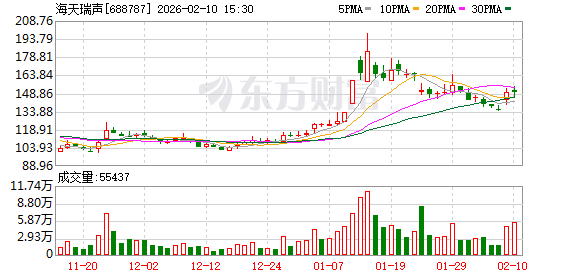
海天瑞声:公司具备图像/视频标注、多模态数据融合等技术能力
Zheng Quan Ri Bao· 2026-02-10 13:12
Core Viewpoint - The company, Hai Tian Rui Sheng, emphasizes its technological capabilities in the visual field, particularly in image/video annotation and multimodal data fusion, which are crucial for enhancing model performance and efficiency [2] Group 1: Technological Capabilities - The company possesses advanced technology in image/video annotation and multimodal data fusion [2] - High-quality annotation significantly accelerates model performance improvement and indirectly saves computing power [2] - Precise data reduces training noise, speeds up model convergence, and optimizes data usage efficiency, thereby lowering overall computing power consumption [2]


单价上千的新型数据外包,正在围猎985毕业生
3 6 Ke· 2026-02-04 09:58
Core Insights - The article discusses the evolution of data annotation tasks, highlighting a shift from low-paying, low-skill jobs to high-paying, specialized roles that require advanced cognitive skills and knowledge [1][3][9] Group 1: Evolution of Data Annotation - Data annotation has transformed from simple tasks with minimal requirements to complex assignments that demand language sensitivity, reasoning abilities, and even legal or ethical knowledge [3][9] - The pay for basic annotation tasks has increased significantly, with ordinary tasks starting at 100 yuan and complex scenarios fetching between 800 to 1000 yuan [3][12] - The rise of AI has led to a bifurcation in the labor market, creating a divide between low-wage, repetitive tasks and high-value, cognitive output roles [9][10] Group 2: Labor Market Dynamics - The demand for data annotation has created a digital gig economy, where individuals from various backgrounds, including students and retirees, participate in this labor market [5][8] - However, the working conditions for low-wage annotators are often harsh, with high output expectations and minimal pay, leading to a "cyber sweatshop" environment [5][6] - In contrast, high-paying annotation tasks are increasingly reserved for individuals with advanced degrees, creating a new skill barrier that limits access to these opportunities [10][17] Group 3: Implications of AI Evolution - The evolution of AI is continuously redefining job roles, leading to the emergence of new positions such as "AI trainers" and "ethical alignment specialists," while simultaneously phasing out traditional data annotation jobs [15][18] - Despite the higher pay for specialized roles, the nature of employment remains precarious, with many workers classified as freelancers without job security or benefits [18][21] - The article warns that the narrative of skill-based pay may obscure the underlying inequalities in the labor market, as the tasks required are often fragmented and do not contribute to long-term career development [18][21]

隐秘的“知识买断”生意:AI公司用千元时薪,撬动价值百万的行业经验
创业邦· 2026-01-16 03:43
Core Viewpoint - The article discusses the evolving role of AI trainers and the challenges faced by individuals in the data annotation industry, highlighting the precarious nature of these jobs and the increasing demands for qualifications and experience [6][11][31]. Group 1: Job Nature and Responsibilities - AI trainers are tasked with teaching AI systems by providing real-world data and experiences, which often involves a significant sacrifice of their own professional knowledge [8][10]. - The work of AI trainers is described as highly industrialized, often reducing them to mere data providers rather than creative contributors [26][29]. - The role has evolved from basic data annotation to more complex tasks involving logical reasoning and value judgment, requiring higher educational qualifications and specialized knowledge [20][15]. Group 2: Industry Trends and Challenges - The demand for AI trainers is expected to grow, with a projected talent gap of up to one million in China over the next five years [11]. - The recruitment process for data annotation roles has become increasingly competitive, with a hiring rate of approximately 50% [16]. - Many individuals face a challenging entry process, often involving unpaid trials and rigorous testing, which can lead to feelings of exploitation [30][31]. Group 3: Economic Aspects - Compensation for AI trainers varies widely, with some positions offering high hourly rates, while others pay significantly less, reflecting the lack of technical barriers in the industry [23][30]. - The article notes that the financial rewards may not be as substantial as they seem, with many workers experiencing issues such as unpaid work and low job security [30][31]. - The industry is characterized by a lack of true competitive advantages, leading to high turnover rates and a constant influx of new entrants [34]. Group 4: Future Outlook - There is a growing concern among AI trainers about their long-term job security, as AI systems become more capable of performing tasks traditionally done by humans [31][36]. - The article emphasizes the potential for AI to replace human trainers, raising questions about the future role of humans in the AI development process [31][37]. - The business model of AI data companies is shifting, focusing on high-end annotation services, which may further marginalize entry-level positions [33].

数据公司正在把高级牛马当饲料榨干?
虎嗅APP· 2026-01-12 13:34
Core Viewpoint - The article discusses the evolving role of AI trainers and data annotators, highlighting the paradox of high pay and job insecurity in the AI training industry, where human expertise is being commodified and potentially replaced by AI itself [5][24][37]. Group 1: Job Nature and Experience - The job of an AI trainer involves providing data to AI systems, often requiring the sharing of proprietary knowledge and experience, which raises concerns about the commodification of human expertise [8][9]. - The role is increasingly seen as a "one-time buyout" of past experiences, where once the AI has learned from an individual, it no longer requires their input [9][10]. - The demand for AI trainers is growing, with a projected talent gap of up to one million in China over the next five years, as the role has evolved to require higher educational qualifications and specialized knowledge [10][13]. Group 2: Job Market Dynamics - The entry barriers for data annotation jobs have risen significantly, with many positions now requiring advanced degrees and relevant work experience, contrasting sharply with earlier, more accessible roles [13][14]. - The competition for these roles is fierce, with a hiring rate of approximately 50%, indicating a highly selective process [14]. - The nature of the work is becoming more complex, moving from simple data labeling to tasks requiring logical reasoning and creative problem-solving [18][21]. Group 3: Economic Aspects - Salaries for AI trainers can be attractive, with some positions offering hourly rates as high as 1,000 yuan, but the reality often includes a wide range of pay and the potential for unpaid trial work [21][27]. - The industry is characterized by a lack of job security, as many trainers fear being replaced by the very AI systems they help to train, leading to a sense of being disposable [29][30]. - The business model of AI data companies is increasingly precarious, with high turnover rates and a lack of true competitive advantage, making the future of data annotation roles uncertain [32][34]. Group 4: Industry Trends - The article notes a shift in the AI training landscape, where companies are increasingly seeking to automate data annotation processes, potentially reducing the need for human trainers [30][34]. - The rise of AI has led to a re-evaluation of the role of human trainers, with some companies positioning themselves to leverage human expertise while also developing AI systems capable of performing similar tasks [34][37]. - The future of work in this context raises questions about the long-term role of humans in AI development, as the industry continues to evolve rapidly [37].

给AI当老师是种什么体验
Xin Lang Cai Jing· 2026-01-10 09:09
Core Insights - The rapid development of artificial intelligence (AI) is heavily reliant on data annotation technology, with data annotators acting as "teachers" for AI systems [1] - The demand for high-quality datasets is increasing, leading to data annotation becoming a new career for young people [1] Group 1: Data Annotation Role - Data annotators are responsible for labeling various video and image information to ensure AI systems can accurately interpret data [1] - The work involves correcting AI-generated classification tags, which helps reduce the error rate of AI models over time [1] Group 2: Application in Industries - Annotated data is crucial for applications in intelligent driving, enhancing vehicle recognition of roads, obstacles, and traffic signs [1] - The output from data annotators supports nationwide smart applications, improving navigation accuracy and safety in automated driving [1] Group 3: Personal Development and Future Aspirations - Data annotators are continuously learning and adapting to new technologies to enhance their skills and improve the quality of their annotations [1] - There is a collective aspiration among data annotators to refine their work, ensuring AI systems better understand human needs and provide more effective solutions [1]
医疗数据“上架”,成果转化“上车”
Xin Hua Ri Bao· 2026-01-02 19:57
Group 1 - The Jiangsu Provincial Cancer Hospital has registered a "perioperative anesthesia and analgesia dataset" and is the first provincial tertiary hospital in Jiangsu to monetize data assets [1] - The collaboration involves the Jiangsu Provincial Cancer Hospital, the government, and enterprises, with the Xuanwu District Intellectual Property Bureau facilitating the process and Jiangsu Chuan Gu Technology providing technical support [1] - The hospital's medical data has been transformed into a product with intellectual property rights, allowing healthcare professionals to incorporate data transfer results into the research transformation system [1] Group 2 - The completion of intellectual property registration is just the beginning; the hospital aims to generate value from the data [2] - The hospital has established a "Medical Data Technology Transformation Joint Laboratory" with Xuanwu District to promote the application of "AI + healthcare" and explore the integration of tumor prevention and health data [2] - The Xuanwu District Intellectual Property Bureau plans to deepen cooperation with the hospital and focus on data annotation, which is crucial for artificial intelligence and model training [2]
甘肃首批持证残疾人AI训练师结业
Xin Lang Cai Jing· 2026-01-01 19:47
Core Insights - The establishment of the "AI Employment Workshop for Disabled Persons" in Lanzhou highlights the potential for disabled individuals to engage in valuable work from home, utilizing skills in data annotation for AI applications [1] - A recent training program in Gansu Province successfully graduated 25 students, with 19 obtaining a nationally recognized AI trainer certification, emphasizing the growing importance of AI-related skills in the job market [1] - The role of AI trainers, particularly in data annotation, is becoming a viable employment option for disabled individuals due to its lower physical demands and higher cognitive requirements [1] Group 1 - The training program adopted a "theory + practice + employment" model, creating a comprehensive support system that facilitates skill acquisition, certification, and job placement for disabled individuals [2] - This initiative represents a significant shift towards digital and high-end vocational training for disabled persons in Gansu Province, showcasing their potential in the AI sector [1][2] - The data annotation work performed by trainees is crucial for enhancing the accuracy of AI models, particularly in applications like autonomous driving, thereby contributing to future transportation safety [1]
时薪上千,大模型公司抢985文科生给AI当老师
吴晓波频道· 2025-12-09 00:29
Core Viewpoint - The article discusses the evolving role and challenges of data annotators in the AI industry, highlighting the increasing demand for high-quality talent and the paradox of low job satisfaction despite the industry's growth [4][19][28]. Group 1: Job Market and Talent Demand - The position of AI data annotator is critical, with a high monthly salary of nearly 20,000 yuan for top roles, reflecting the importance of this job in training AI systems [4][12]. - As of September 2023, there are 362 data annotation companies in China, employing approximately 85,000 annotators, yet the industry faces a talent shortage, with a projected gap of one million professionals in the next five years [4][28]. - The educational requirements for data annotators have risen significantly, with over 50% of candidates now holding at least a bachelor's degree, compared to earlier requirements that often included only high school education [14][15]. Group 2: Job Nature and Challenges - Data annotators are responsible for labeling and categorizing data, which involves complex tasks that require a deep understanding of various terminologies and scoring criteria [10][11]. - The job is often perceived as lacking respect and dignity, with annotators feeling undervalued despite their significant contribution to AI development [21][28]. - The work environment is characterized by high turnover rates and limited upward mobility, as most annotators remain in their roles without significant career advancement opportunities [26][27]. Group 3: Industry Trends and Future Outlook - The data annotation industry is experiencing a shift towards higher-end talent, with companies like DeepSeek offering competitive salaries and requiring diverse knowledge backgrounds [35][41]. - The trend of using high-quality data annotation is becoming essential for AI model performance, as better data quality can significantly enhance model accuracy [41][42]. - Despite the challenges, the role of data annotators may evolve into a more respected position, especially as the industry recognizes the need for individuals who can bridge the gap between AI and human understanding [46][50].

探索跨境“来数加工”,东莞竞逐高端数据标注新赛道
2 1 Shi Ji Jing Ji Bao Dao· 2025-12-05 06:27
Core Insights - The establishment of the Dongguan Data Annotation Industrial Park marks a significant step in enhancing the data annotation industry, which is crucial for AI model training and applications in advanced fields like autonomous driving [1][2] - Dongguan is positioning itself as a hub for high-end data annotation, leveraging its industrial strengths and aiming to attract over 50 data companies and create more than 30 high-quality datasets within three years [2][6] - The data annotation industry is evolving from labor-intensive processes to high-tech, knowledge-intensive applications, with a growing demand for skilled data annotators [3][4] Industry Overview - Data annotation is essential for AI systems, with data, algorithms, and computing power being the three core elements [1] - The industry is transitioning from simple manual annotation to complex, high-value applications, particularly in industrial manufacturing, which is currently a national shortfall [2][4] - The demand for high-quality, specialized data annotation is increasing, especially with the rise of large AI models and the need for precise, efficient data processing [4][5] Regional Development - Dongguan is actively developing its AI application pilot base and data industry cluster, focusing on high-quality data annotation to extract value from vast industrial data [1][6] - The Dongguan Data Annotation Industrial Park is supported by significant investments and partnerships with major companies like Baidu and China Telecom, aiming to create a comprehensive data annotation ecosystem [6][8] - The region benefits from a rich talent pool, with approximately 176,500 university students and over 20,000 graduates in AI and big data fields annually [7] Strategic Initiatives - The park aims to provide substantial support to enterprises through rent reductions and talent subsidies, fostering collaboration with local industries [5][6] - The establishment of specialized data annotation bases by Baidu and China Telecom is set to enhance the capabilities of local companies in high-end data annotation [6][8] - The introduction of advanced technologies and platforms for data annotation is expected to create a differentiated, intelligent, and high-level data annotation capacity in Dongguan [8]