多边主义

Search documents
商务部强调:中方在世贸组织当前和未来谈判中的三个不会变
Nan Fang Du Shi Bao· 2025-09-24 05:32
Core Viewpoint - China, as a responsible developing country, will not seek new special and differential treatment in WTO negotiations, which is expected to bring new opportunities and momentum for global economic cooperation [1][2]. Group 1: Direction - The current international economic order is under severe impact, and WTO reforms are necessary for better functionality. China's pragmatic actions aim to support WTO reforms and drive multilateral negotiations, contributing to a cooperative and win-win scenario [1][2]. Group 2: Confidence - Multilateralism is essential for addressing global challenges. China's announcement not to seek new special and differential treatment sends a strong signal of responsibility and collaboration, enhancing confidence in the multilateral trading system and injecting stability into the global economy [2]. Group 3: Development - With over two-thirds of WTO members being developing countries, China's initiative focuses on development issues, promoting inclusivity and bridging the North-South development gap, aligning with the WTO's goal of fostering global development [2][3]. Group 4: China's Position - China's status as a developing member will remain unchanged, along with its commitment to safeguarding the rights of developing members and promoting trade and investment liberalization [2].
坚定支持多边主义的重大举措
Zhong Guo Xin Wen Wang· 2025-09-24 05:22
(对外经济贸易大学国际经贸学院教授、中国世界贸易组织研究会首席专家崔凡) 来源:中国新闻网 在多边贸易体制面临严峻挑战的背景下,中国宣布在世贸组织当前和未来谈判中,将不再寻求新的特殊 和差别待遇,体现了中国的大国责任和担当,为多边贸易体制提供了有力的支持。中国的这一承诺是实 事求是的,必定是会说到做到的。与此同时,我们也需要准确理解中国的这一承诺。2024年,中国人均 国内生产总值约为1.34万美元,大体相当于世界平均水平。中国作为最大的发展中国家的事实没有改 变。中国不会放弃自己的发展中国家地位,中国的这一承诺恰恰是基于自身的发展中国家地位作出的承 诺。 中国的这一承诺不影响中国享受现有世贸组织协定中特殊和差别待遇条款的权利。例如,根据世贸组织 《农业协定》和中国加入世贸组织议定书,中国可以在国内支持方面相对发达成员有更多的政策灵活 度;根据授权条款,作为发展中成员,中国有权和其他发展中成员达成优惠贸易安排。这些权利,中国 将继续享受。中国的这一承诺也不影响中国在任何其他国际组织和国际条约中的地位和待遇。 中国的这一承诺是根据自身国情做出的。世贸组织的其他发展中成员可以根据世贸组织规则和各自的情 况维护自身 ...
李强会见奥地利总理施托克尔
Xin Hua She· 2025-09-24 02:33
施托克尔表示,中国是奥地利最重要的贸易伙伴之一,双边经贸关系发展强劲。奥政府坚定奉行一个中 国政策,不承认台湾是一个主权国家,不同台湾开展官方往来。明年两国将迎来建交55周年,奥方愿同 中方加强高层往来,巩固长期友好,挖掘合作潜力,拓展经贸、旅游、人文等各领域合作,推动奥中友 好战略伙伴关系取得更大发展。欢迎更多中国游客赴奥旅游。奥方期待同中方加强在联合国等多边机制 的协作,推进改革和完善全球治理体系。奥方愿为促进欧中关系发展发挥积极作用。 (文章来源:新华社) 李强表示,中奥建交以来,始终相互尊重、平等相待,两国关系经受住了国际风云变幻考验,总体保持 平稳发展。近年来,在习近平主席同范德贝伦总统的战略引领下,中奥关系的内涵不断丰富,已升级为 友好战略伙伴关系,两国各领域合作持续推进,为双方都带来了实实在在的利益。中方愿同奥方以明年 两国建交55周年为契机,密切高层交往,巩固政治互信,深化互利合作,推动取得更多务实成果。希望 奥方恪守一个中国原则,筑牢双边关系政治基础。 李强指出,中奥经济互补性强、利益契合点多,深化合作具有很大空间和潜力。中方愿同奥方继续用好 两国经贸、科技联委会等交流机制,促进双边贸易不断 ...
第80届联大一般性辩论开幕
Zhong Guo Xin Wen Wang· 2025-09-24 02:30
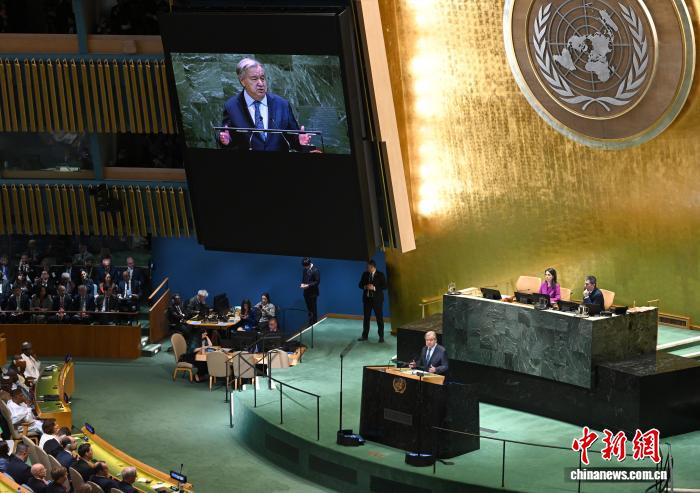
Group 1 - The 80th United Nations General Assembly opened on September 23, 2023, in New York, emphasizing the need for countries to make five key choices to address global crises [1][3] - UN Secretary-General António Guterres highlighted the ongoing attacks on international principles and the necessity for effective multilateral mechanisms to prevent chaos in a multipolar world [1][3] - The theme of the General Debate is "Together for Peace, Development, and Human Rights: 80 Years of the UN, Moving Forward Together" [5] Group 2 - Brazilian President Lula stated that the world is in a state of chaos, with crises in multilateralism and democracy, and called for international action on issues like the climate crisis and the situation in Gaza [3][4] - Turkish President Erdoğan focused on the humanitarian crisis in Gaza, urging countries that have not recognized Palestine to do so and to fulfill their humanitarian responsibilities [4] - French President Macron addressed the deepening divisions in the world, stressing the need to restore cooperation and return to multilateralism to maintain global peace and stability [5]

李强出席全球发展倡议高级别会议
Xin Hua Cai Jing· 2025-09-24 02:16
Core Points - The meeting held on September 23 in New York focused on the Global Development Initiative proposed by President Xi Jinping, emphasizing the importance of multilateralism and cooperation for sustainable development [1][2][3] Group 1: Global Development Initiative - The Global Development Initiative has over 130 participating countries and international organizations, highlighting its status as a widely accepted international public good [1] - The initiative aims to address current global challenges by promoting development and cooperation among nations [2] Group 2: Key Proposals - China proposes to create a stable and open international development environment, advocating for multilateralism and free trade [2] - The initiative emphasizes the need for balanced and inclusive development partnerships, particularly addressing the needs of developing countries [2] - There is a focus on fostering innovative development through international technological cooperation and opposing protectionist measures [2] - The initiative promotes sustainable green development and collaboration in new energy industries to achieve harmony between humanity and nature [2] Group 3: China's Commitment - China commits to being a supporter and promoter of common development, increasing investment in global development, and enhancing technological cooperation [3] - The country will not seek special treatment in current and future WTO negotiations, reinforcing its role as a responsible developing nation [3] - The meeting participants expressed support for China's initiatives, including the Global Development Initiative and the Belt and Road Initiative, recognizing China's leadership in global governance reform [3]
卢拉在联大呼吁捍卫多边主义及拉美和平稳定
Xin Hua Wang· 2025-09-24 00:32
Group 1 - The core message emphasizes the need for the international community to defend multilateralism and democratic systems while opposing unilateral sanctions and interference in sovereign nations [1][3][5] - Lula expressed strong dissatisfaction with recent U.S. sanctions and interference against Brazil, stating that there is no justification for such actions and that violations of Brazil's judicial independence are "unacceptable" [3][5] - Lula highlighted the recent conviction of former President Bolsonaro for undermining democracy, marking a significant moment in Brazil's history where a former head of state was held accountable under strict judicial processes [5][7] Group 2 - Lula called for peace in the Latin American and Caribbean regions, advocating for international cooperation to combat drug trafficking through measures like money laundering and arms control rather than resorting to lethal force [7] - He warned against the lessons learned from military interventions in other regions that have led to humanitarian disasters, urging Latin America to avoid repeating such mistakes [7]
巴西总统呼吁捍卫多边主义及拉美和平稳定
Yang Shi Xin Wen· 2025-09-23 23:21
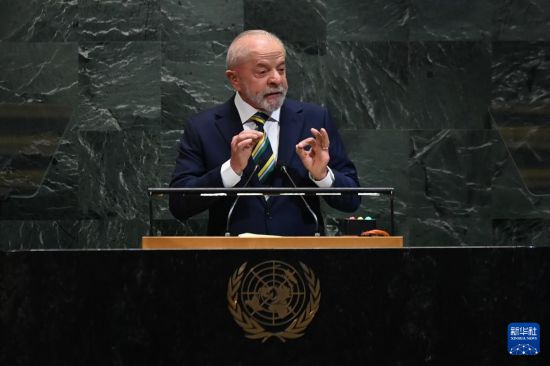
巴西总统卢拉23日出席联合国大会一般性辩论时发表讲话,呼吁捍卫多边主义及拉美和平稳定。针对巴 西近期遭到美国制裁和干涉,卢拉表达强烈不满,表示没有任何理由可以为针对巴西制度和经济的单边 制裁辩护,对巴西司法独立的侵犯"不可接受"。 卢拉指出,拉美和加勒比地区必须保持和平。在打击毒品贩运方面,最有效途径是通过国际合作遏制洗 钱和军火流通。在非战争状态下动用致命武力无异于"法外处决"。 (文章来源:央视新闻) ...
韩国各界期待APEC峰会举行
Jing Ji Ri Bao· 2025-09-23 22:12
Group 1: APEC Summit Preparation - The APEC summit is set to take place in Gyeongju, South Korea, at the end of October, with preparations nearing completion [2][3] - The main venue, the Hwaeom Conference Center, has a total area of 31,800 square meters and a construction cost of $11 million, with over 90% of the construction work completed [2] - Gyeongju is expected to gain approximately 740 billion KRW in economic benefits from the APEC summit, with long-term effects anticipated to exceed this figure [3] Group 2: Cultural and Economic Significance - The summit will feature cultural events showcasing Korea's heritage, including an exhibition of gold crowns from the Silla Dynasty and performances highlighting traditional Korean culture [3] - Gyeongju, known as a "museum on land," is home to four UNESCO World Heritage sites, enhancing its appeal during the summit [3] Group 3: Multilateral Cooperation and Trade - The APEC summit aims to promote multilateralism and regional cooperation amidst rising global uncertainties, with a focus on free trade and collaboration on issues like AI regulation and demographic changes [4][5] - The summit's theme, "Building a Sustainable Tomorrow—Connecting, Innovating, and Prosperity," aligns with the goals of enhancing trade and investment liberalization in the Asia-Pacific region [4] Group 4: China-Korea Relations - China and South Korea are significant trading partners, with bilateral trade expected to reach $328.08 billion in 2024, highlighting the importance of their economic relationship [6] - Recent policy changes, such as visa exemptions for group tourists, indicate a positive shift in bilateral relations, providing a platform for enhanced cooperation during the APEC summit [6][7] - The upcoming APEC summit in 2026 will be hosted by China, further promoting frequent exchanges and cooperation between the two nations [7]
为破解全球治理赤字贡献中国方案(国际论坛)
Ren Min Ri Bao· 2025-09-23 22:00
Core Ideas - The global governance initiative focuses on the question of what kind of global governance system to build and how to reform and improve it, addressing the common aspirations of most countries and the needs of people worldwide [1][2] - The initiative emphasizes five core principles: sovereign equality, adherence to international law, multilateralism, a people-centered approach, and action-oriented strategies, which align with the purposes and principles of the UN Charter [1][2][3] Sovereign Equality - Sovereign equality is the primary premise and important foundation of global governance, yet it is not fully realized in international relations, with some countries engaging in bullying behavior [2][3] - China advocates for a global governance perspective that emphasizes shared destiny, collective rule-making, and equal sharing of development outcomes among nations [2][3] International Rule of Law - International law is the fundamental guarantee and important guideline for global governance, with the UN Charter serving as the recognized basic principle of international relations [2][3] - China supports the authority of international law and the multilateral system based on rules, ensuring equal and unified application of international law and rules [2][3] Multilateralism - Multilateralism is the basic path and realistic choice for global governance, with China actively participating in multilateral cooperation and advocating for a multipolar world and inclusive economic globalization [3] - The initiative aims to address the underrepresentation of the Global South and promote lasting peace, universal security, and common prosperity [3] People-Centered Approach - The value orientation of global governance is people-centered, aiming to turn the aspirations of people for a better life into reality [3] - China's development is linked to the aspirations of people worldwide, exemplified by the high-quality co-construction of the Belt and Road Initiative [3] Action-Oriented Strategies - The vitality of global governance comes from practice, with a focus on action and tangible results [3] - China plays a responsible role in international organizations and proposes practical actions and measures at international meetings to deepen consensus and achieve positive outcomes in global governance [3]
呼吁多边主义应对全球挑战 联合国副秘书长称赞中国维和贡献丨世界观
Zhong Guo Xin Wen Wang· 2025-09-23 12:13
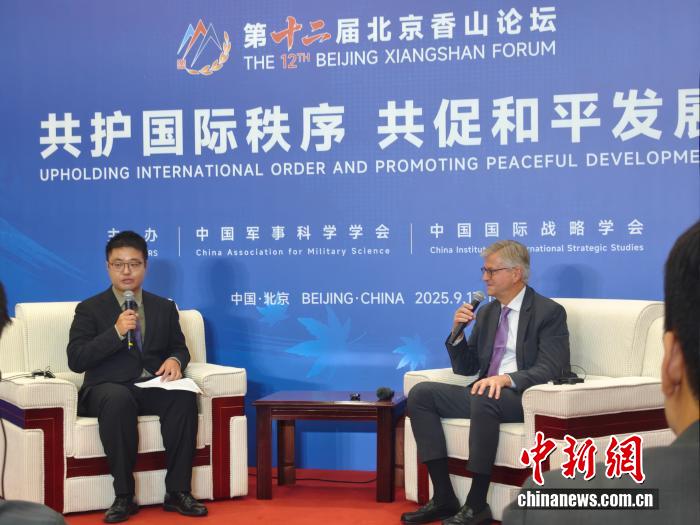
2025年是联合国成立80周年、联合国维和行动开展77周年、中国参与联合国维和行动35周年,也是中国 人民抗日战争暨世界反法西斯战争胜利80周年。因此,联合国在战后及当下的重要作用成为了本届北京 香山论坛热议的焦点之一。 对话伊始,谈及世界反法西斯战争胜利80周年之际,国际社会应当如何从历史中汲取经验,拉克鲁瓦表 示,二战带给各国的教训和二战的悲剧事件在某种程度上是已经被总结在《联合国宪章》中。正如《联 合国宪章》所述,联合国的主要目的,就是从根本上保护人类子孙后代免受战争带来的影响。 "《联合国宪章》是一部非常严谨的法律,它对于武力的使用有非常严格的规定。因为只有在自卫或联 合国安理会授权情况下,各国才可以开展武力行动,这也是《宪章》的关键条款。"拉克鲁瓦说。 图为联合国负责维和事务的副秘书长让-皮埃尔·拉克鲁瓦(Jean-Pierre Lacroix)在第十二届北京香山论坛 高端对话期间接受媒体采访。中新网记者 薛凌桥 摄 诞生于二战之后的联合国,寄托着人类永不再战的理想。面对当前全球各地冲突和危机不断的局面,拉 克鲁瓦呼吁各国通过和平手段解决争端。 "我们生活在一个冲突越来越多的世界中,而且冲突的性质也 ...