体验式消费

Search documents
解锁新场景 通州阳光新生活广场三层焕新亮相
Bei Jing Shang Bao· 2025-04-29 14:09
Core Insights - The company, Sunshine Group, is set to unveil the upgraded third floor of Beijing Tongzhou Sunshine New Life Plaza during the "May Day" holiday, featuring a diverse range of brands including entertainment, family activities, and specialty dining [1][2] - The "Sunshine Opening Carnival" will take place from May 1 to May 5, offering various promotional activities aimed at boosting consumer spending [1] - Starting in 2024, the plaza will adjust its leasing strategy to focus on becoming a "family experience center" for young families, optimizing its brand mix and introducing new brands [1] Group 1 - The upgraded third floor will include brands such as cinemas, KTV, arcades, children's playgrounds, and fitness options, with stores opening gradually [1] - The project aims to enhance market vitality and improve the quality and efficiency of the commercial area through innovative business formats and service upgrades [1][2] Group 2 - The plaza's glass facade will be renovated to create distinctive scenes, transitioning the mall into an experiential and immersive social space [2] - The deputy general manager of Sunshine New Life Plaza emphasized that the new brands will provide a more diverse shopping experience and create a family-friendly environment for local residents [2]

圆桌热议:贸易变局之下,如何打造经济新动能? |新京智库
Xin Jing Bao· 2025-04-23 12:16
贸易变局之下,中国如何重新定位在全球价值链中的角色?中国本土企业应该制定什么样的国际战略以 避免风险,同时把握全球市场机遇?企业又当如何把握AI技术红利,提升核心竞争力?4月22日,由新 京报社主办,新京智库承办的"直面关税战,锻造经济韧性——2025新京智库春季论坛"在京举行,来自 学界、高校的嘉宾,在圆桌论坛上针对这些问题进行了深入的讨论。 "深耕亚洲,拉动欧洲" 北京师范大学教授、"一带一路"学院研究员万喆认为,短期来看,内外贸一体化战略和多元化结构调 整,是应对美国关税挑战的有效手段;从中长期看,中国需要在国际秩序和贸易规则重构中举起多边主 义大旗。同时,积极参与服务贸易,这样才能提高在国际贸易规则制定上的影响力和话语权,为经济发 展创造更好的外部环境。"'一带一路'倡议本身为我们的产业以及外贸的结构优化提供了一个很好的布 局,在此基础上,未来我们还可以有更多的结构性扩展和优化。" 北京工业大学经济与管理学院研究员、国家一流专业负责人乔小勇表示,当下已是全球价值链重塑的时 代,区域化、本土化、生产回岸化、数字化、绿色化成为重要趋势。"中国应积极成为数字经济的'技术 突破者',同时在全球经贸合作中,成为 ...
解码2025中国消费:悦己驱动下的消费变革
EY· 2025-04-14 01:45
Investment Rating - The report does not explicitly state an investment rating for the industry Core Insights - The report highlights a significant shift in consumer behavior towards personalized and experiential consumption, driven by a desire for quality and emotional value [6][12][18] - The government is implementing measures to boost consumption and improve the consumption environment, indicating a strategic focus on expanding domestic demand [5][8] - The report identifies three key drivers for the new consumption era: demand-side linkage, supply-side collaboration, and supply chain integration [25][33] Summary by Sections 1. Introduction - The report discusses the government's focus on boosting consumption and expanding domestic demand as a strategic initiative for 2025 [5] 2. Portrait of New Consumerism - Personalized and quality consumption is becoming mainstream, with consumers seeking unique products that meet their individual needs [14][16] - The "first-release economy" is driving market growth through limited supply and exclusive designs, creating a sense of scarcity [15] - Consumers are increasingly concerned about product quality and sustainability, reflecting a shift from basic functionality to a focus on high-quality, eco-friendly products [16][17] 3. Keys to Unlocking a New Era of Consumption - Demand-side linkage is crucial, as consumer behavior is influenced by travel experiences that trigger luxury purchases [26][28] - Supply-side collaboration is evident as luxury brands invest in tourism infrastructure to enhance consumer experiences [29][30] - Supply chain integration allows luxury brands to control the entire service process, enhancing quality and brand loyalty [32] 4. Implications for Enterprises and Investors - Enterprises face opportunities and challenges as consumer preferences shift towards high-quality, personalized, and sustainable products [36] - Investors should focus on the luxury goods sector, high-end tourism, and cultural entertainment industries, which are poised for growth [39][40] 5. Conclusion - The report concludes that the evolving consumer landscape requires brands to create meaningful experiences and emotional connections with consumers, moving beyond mere material growth [42]
日租1万!第一批SU7 Ultra车主已经赚翻了
创业邦· 2025-03-04 10:43
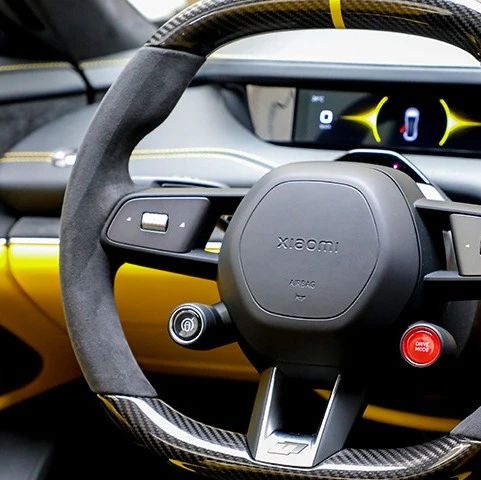
Core Viewpoint - The article discusses the phenomenon of order speculation and high rental prices surrounding the launch of the Xiaomi SU7 Ultra, highlighting the dynamics of supply and demand in the automotive market, particularly in the context of electric vehicles and consumer behavior [4][25]. Group 1: Order Speculation and Market Dynamics - The Xiaomi SU7 Ultra was launched at a price of 529,900 yuan, significantly lower than its pre-sale price, leading to a surge in orders with 6,900 units sold within 10 minutes [2][3]. - The secondary market has seen "small deposit orders" being traded at premiums of 2,000 to 6,000 yuan, transforming these orders into tradable financial derivatives [6][9]. - The supply-demand imbalance is evident, with 248,000 orders placed against an annual production capacity of only 135,000 units, creating a "time value" for early delivery [13][14]. Group 2: Rental Market and Consumer Behavior - The rental market for the SU7 Ultra has emerged, with daily rental prices ranging from 2,000 to over 10,000 yuan, driven by various consumer segments seeking early access to the vehicle [11][12]. - The phenomenon reflects a shift towards experience-based consumption, where younger consumers prefer short-term rentals over long-term ownership [26]. - The article notes that the second-hand luxury car rental market in China reached 4.7 billion yuan in 2024, marking a 210% year-on-year increase, indicating a growing trend in the automotive rental sector [25]. Group 3: Brand Value and Social Currency - The SU7 Ultra's performance and branding, likened to luxury brands like Porsche, enhance its social currency, making it a status symbol among consumers [17][18]. - The article emphasizes that the demand for rental services is not just about the vehicle itself but also about the social identity associated with driving such a car [18][19]. - The transformation of car orders into tradable assets reflects a broader change in consumer values, where the experience of "having driven" is prioritized over "owning" [28].



日租1万,第一批SU7 Ultra车主已经赚翻了
36氪· 2025-03-03 09:03
Core Viewpoint - The article discusses the phenomenon surrounding the Xiaomi SU7 Ultra, highlighting the significant demand and market dynamics that have led to a speculative environment for orders and rentals, transforming them into financial assets rather than mere consumer goods [3][4][5]. Group 1: Market Dynamics - The official price of the Xiaomi SU7 Ultra was set at 529,900 yuan, a reduction of nearly 300,000 yuan from the pre-sale price, resulting in 6,900 orders within 10 minutes and achieving the annual sales target in just two hours [4]. - The secondary market has seen "gray market" transactions where small orders are being resold for 6,000 yuan, and daily rental prices have exceeded 10,000 yuan, indicating a speculative trading environment [5][10]. - The demand for the SU7 Ultra is driven by a significant price difference between the pre-sale and official price, leading to a revaluation of the "time value" of orders, with premiums ranging from 2,000 to 6,000 yuan [10][17]. Group 2: Consumer Behavior - The rental market for the SU7 Ultra has emerged with daily rental prices ranging from 2,000 to 5,000 yuan, attracting various consumer segments including media influencers and genuine consumers eager for early access [12][13]. - The phenomenon of "order securitization" is noted, where early adopters and professional resellers capitalize on the scarcity of orders, with some resellers reportedly making over 100,000 yuan in profits [22]. - The article emphasizes a shift in consumer behavior, where younger consumers prefer short-term experiences over long-term ownership, reflecting a broader trend in the automotive market [36]. Group 3: Industry Implications - The article highlights the ongoing tension between consumer demand and production capacity, with Xiaomi's SU7 Ultra experiencing a backlog of orders due to limited production capabilities, which has led to a thriving secondary market [17][34]. - The rapid growth of the second-hand luxury car rental market in China, which reached 4.7 billion yuan in 2024, showcases the potential for new business models in the automotive industry [35]. - The article suggests that the current trends may lead to a fundamental transformation in the automotive industry, where the distinction between ownership and usage rights is increasingly blurred [36][40].