智慧养老

Search documents
陈颖:以整合式生态破解养老痛点,探索品质康养新路径
Xin Hua Cai Jing· 2025-10-31 12:22
Core Insights - The article discusses the challenges and solutions in the elderly care sector in China, particularly focusing on the innovative strategies employed by Taikang to address these issues [1][2]. Group 1: Current Challenges in Elderly Care - The elderly care sector faces three core challenges: supply imbalance with occupancy rates below 50%, misallocation of medical resources leading to difficulties in accessing healthcare, and dual pressures of aging without adequate preparation and low pension replacement rates at 46% [2]. - The phenomenon of "one and a half years rotating through eight facilities, employing eight caregivers, and seeking medical help four times" exemplifies the shortcomings of the current elderly care system [1]. Group 2: Taikang's Innovative Solutions - Taikang has developed a "longevity era solution" that integrates payment, investment, and service into a comprehensive model, addressing the fragmentation and disconnection in elderly care services [2]. - The company has established 46 elderly care communities across 37 cities in China, with over 20,000 residents expected by the end of the year, and has served more than 1,400 elderly individuals in Chengdu [2]. Group 3: Future Directions - Taikang aims to deepen the integration of medical and elderly care services, leveraging five medical centers and a partnership with Wuhan University to promote a comprehensive approach to healthcare [3]. - The company is also embracing smart elderly care solutions, utilizing AI and voice interaction technology to enhance service efficiency and reduce feelings of loneliness among the elderly [3].
栾雨骅:以“服务+科技”双轮驱动,构建覆盖全场景的智慧养老生态
Xin Hua Cai Jing· 2025-10-31 08:03
Core Viewpoint - The 2025 Silver Economy High-Quality Development Forum and Chengdu Elderly Health Development Annual Conference highlighted innovative paths for the development of the silver economy, focusing on smart elderly care solutions through technology integration [1][3]. Group 1: Smart Elderly Care Innovations - Tianyu Smart Elderly Care Company emphasizes "smart elderly care + home care," leveraging IoT, big data, and AI to enhance the quality of life for the elderly [1]. - The company has developed a smart supervision system that allows real-time monitoring of care services, ensuring service quality and providing data support for regulatory bodies [2]. Group 2: Safety and Emergency Response - Tianyu employs millimeter-wave radar technology to upgrade traditional emergency response systems, enabling proactive alerts for fall risks and accidents [2]. - The company has established a 24/7 elderly care service system with a strict emergency response mechanism, ensuring rapid assistance and emotional support for the elderly [2]. Group 3: Promotion of Age-Friendly Products - Tianyu has created mobile exhibition vehicles to showcase age-friendly renovation results, significantly increasing on-site sales through government subsidy policies [3]. - The company offers comprehensive services from purchase to after-sales maintenance, focusing on user-friendly designs to enhance customer engagement [3]. Group 4: Industry Infrastructure Development - Tianyu aims to build three foundational infrastructures for the elderly care industry: digital infrastructure, service infrastructure, and social infrastructure, promoting digital transformation and talent cultivation [3]. - The company has formed a diverse partnership matrix, collaborating with various stakeholders in the elderly care ecosystem, including service providers, insurance companies, and technology firms [3].
“苏适养老”引领产业创新融合风向
Jiang Nan Shi Bao· 2025-10-30 15:08
Core Insights - The 13th Jiangsu International Elderly Care Service Expo showcases innovations in the elderly care industry, featuring nearly 500 domestic and international exhibitors, highlighting new trends and vitality in the sector [1][3] - The expo emphasizes the role of technology in driving the "silver economy," with a focus on smart living solutions, rehabilitation equipment, and intelligent mobility solutions [1][2] Industry Developments - Companies like Xiamen Liling Technology Co., Ltd. are leveraging digital service platforms to connect elderly individuals, their children, and service providers, creating a comprehensive management service chain [1][2] - The "AI Silver Advisor" from Nanjing Fukan Tong Health Industry Co., Ltd. serves as a policy translator for elderly users, showcasing the potential of AI in the elderly care sector [2][3] Product Innovations - Nanjing Yufeng Intelligent Technology Co., Ltd. has developed a smart anti-fall suit that uses high-precision motion sensors to detect falls and deploy airbags to reduce injury risks [3] - The anti-fall suit also includes a positioning chip to help family members track the elderly's location and send emergency alerts if needed [3] Market Context - Jiangsu province has a significant elderly population, with 21.75 million residents aged 60 and above, accounting for 25.5% of the total population, indicating a mature aging society [3] - The expo has become a key platform for the elderly care industry in the Yangtze River Delta and nationwide, reflecting the depth and innovation of the "Su Suitable Elderly Care" service brand [3][4] Event Highlights - The expo will host 15 high-quality supporting activities, including forums and innovation seminars, aimed at promoting industry collaboration and sharing best practices [4]
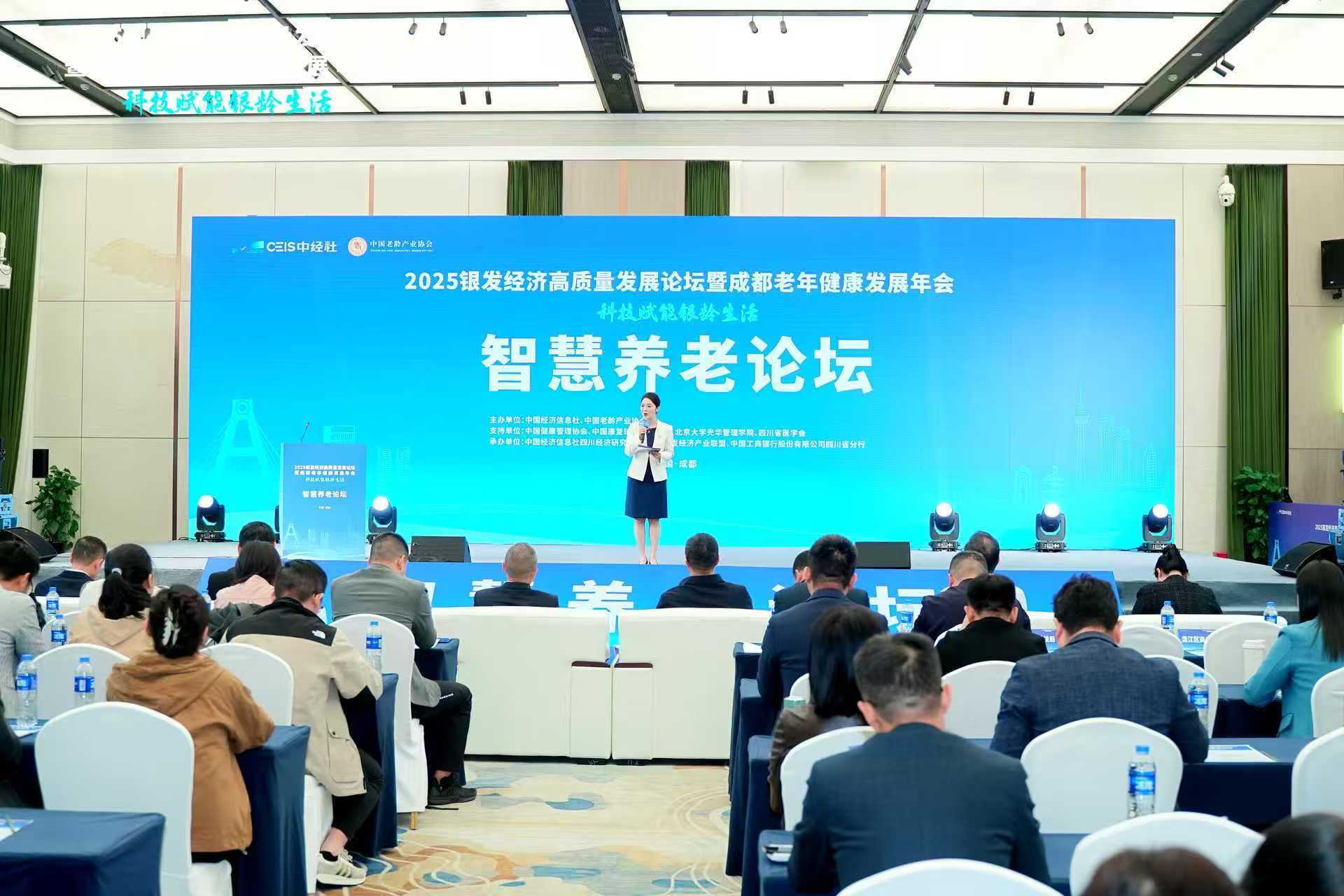
科技赋能银发经济高质量发展 智慧养老绘就幸福图景
Xin Hua Cai Jing· 2025-10-30 14:09
Core Insights - The forum focused on the transition of smart elderly care from concept to daily practice, addressing the challenges faced by traditional elderly care models due to demographic changes [1][3] Industry Opportunities - The silver economy is experiencing three major opportunities: 1. Upgraded consumption concepts among the elderly, leading to increased demand for high-quality products like AI health management and portable nutrition monitoring [3] 2. The rise of regional health and wellness alliances that integrate medical resources through smart platforms, helping small elderly care institutions reduce costs [3] 3. Accelerated adoption of comprehensive smart health management platforms in cities, promoting data sharing and avoiding redundant testing [3] Industry Challenges and Recommendations - Companies are advised to focus on vertical sectors, adapt technology for the elderly, utilize B2B2C models to lower customer acquisition costs, and enhance cross-sector collaboration and policy alignment [3] Market Trends - The elderly population is becoming a significant growth driver in the consumer market, with 16.98% of the elderly demographic being "silver youth" who are financially stable and digitally engaged [5] - There is a lack of dedicated brands and products tailored for this demographic, indicating a gap in the market that companies can exploit [5] Government Initiatives - Local governments are actively developing the silver economy, with Chenghua District in Chengdu aiming to become a major rehabilitation and assistive device production base, housing 30 key medical institutions and enterprises [5] - Jin Tang County has set ambitious targets for the silver economy, aiming for a scale of 10 billion yuan by 2027 and over 20 billion yuan by 2030 [5] Technological Innovations - Companies like Tianyu Wisdom, Zhongke Source Code, and Ant Group showcased innovative practices in smart elderly care, highlighting the role of technology in enhancing the elderly care industry [6] Collaborative Efforts - The forum served as a platform for deep exchanges among government, industry, academia, and research, reaching consensus on technology development, industry implementation, policy coordination, and regional cooperation [6]

北京前三季度新设机构27.81万户同比增长21%
Zhong Guo Zhi Liang Xin Wen Wang· 2025-10-30 07:01
Core Insights - The number of newly established institutions in Beijing reached 278,100 in the first three quarters of 2025, representing a year-on-year growth of 21%, indicating a strong upward trend in both quantity and quality [1] Group 1: Digital Economy - The digital economy in Beijing is experiencing rapid growth, with 18,100 new institutions established, a year-on-year increase of 46.97% [2] - Within the digital economy, the application of digital technology accounts for over 60% (63.66%), with software development growing by 135.28% and information technology services increasing by 23.14%, together contributing 61.92% to the city's digital economic growth [2] - The new institutions in the digital economy are concentrated in the Plain New Town, with over 7,500 new establishments (up 51.37%) and in the central urban areas with over 7,400 new institutions (up 88.4%) [2] Group 2: Elderly Care Industry - The elderly care industry is expanding rapidly, with 138,600 new institutions established, a year-on-year growth of 30.54%, surpassing the city's average growth rate by 9.54 percentage points [3] - Institutions focused on elderly technology and smart elderly care services saw significant growth, with 95,100 new establishments (up 47%) and smart elderly care services alone increasing by 70.87% [3] - The central urban areas contributed 55,600 new elderly care institutions (up 54.59%), while the Plain New Town added 57,000 (up 44.31%), together accounting for over 80% of the total [3] Group 3: Cultural Industry - The cultural and related industries are showing steady recovery, with 33,600 new institutions established, reflecting a year-on-year growth of 17.57% [4] - Content creation and production institutions led the growth with 23,500 new establishments (up 19.42%), while cultural investment and operation institutions surged by 111.3% [4] - In the central urban areas, 15,600 new cultural institutions were established (up 49%), while the Plain New Town saw 11,400 new institutions (up 29.34%), together representing over 80% of the total [4] Overall Summary - The overall trend indicates a robust growth in newly established institutions across key sectors such as digital economy, elderly care, and cultural industries, contributing to the high-quality economic development of the capital [1][2][3][4]
2025第十一届北京国际老龄产业博览会在京开幕
Bei Jing Shang Bao· 2025-10-30 03:32
Core Insights - The 11th Beijing International Aging Industry Expo (referred to as "Aging Expo") commenced on October 29, 2025, focusing on the quality of life needs of the elderly in the new era [1] Group 1: Event Overview - The exhibition area of this year's Aging Expo reached 11,000 square meters, significantly larger than previous editions [1] - Over 200 industry enterprises participated, showcasing projects and products in six core areas: travel and health care, smart elderly care technology, age-friendly facilities and products, elderly services, medical care services and products, and elderly financial services and products [1] Group 2: Thematic Focus - The expo emphasized themes such as smart elderly care, integrated medical and elderly care, age-friendly renovations, elderly care services, health tourism, and elderly finance [1] - A smart elderly care experience area was set up to allow seniors to experience the convenience of smart home and health monitoring technologies [1] Group 3: Community Engagement - Activities such as the Silver Age Market, health consultations, and public lectures were organized to address the real needs of the elderly in areas like healthcare, legal matters, and finance [1] - The travel and health care segment aimed to integrate resources from the Beijing-Tianjin-Hebei region, offering unique travel routes such as desert therapy and seaside vacations [1]
让高质量发展成果更好惠及广大老年人 重阳节之际 陈吉宁龚正黄莉新胡文容分别走访慰问 向全市老年人致诚挚问候
Jie Fang Ri Bao· 2025-10-30 01:40
Core Viewpoint - The article emphasizes the importance of enhancing elderly care services in Shanghai, highlighting the city's commitment to improving the quality of life for senior citizens through various initiatives and community support [1][2][4]. Group 1: Government Initiatives - City leaders, including Mayor Chen Jining, visited various elderly care facilities to understand the progress of services and to express holiday greetings to the elderly [1][2]. - The government aims to deepen the integration of medical and elderly care services, ensuring that the needs of senior citizens are met effectively [4][5]. Group 2: Community Engagement - The article highlights the establishment of comprehensive elderly care service centers that combine medical, nursing, rehabilitation, and leisure services, providing high-quality care close to home [4][5]. - Local leaders encouraged community involvement and volunteerism among seniors, promoting a positive and active lifestyle [3][5]. Group 3: Technological Integration - The implementation of smart healthcare platforms and facilities in elderly care homes is being explored to enhance service delivery and meet the diverse needs of the elderly population [2][4]. - The use of high-tech rehabilitation equipment in care facilities is noted as a significant advancement in supporting the health and well-being of seniors [2].
破解“银发”需求难题 “赛博养老”时代到来?
Zhong Guo Jing Ying Bao· 2025-10-29 19:28
Core Viewpoint - The aging population in China is driving significant changes in the consumption landscape, with a shift towards quality, experience, and emotional connection in the silver economy, leading to a rapid development of the smart elderly care industry [1][3]. Industry Overview - The smart elderly care market in China is projected to reach approximately 6.80 trillion yuan in 2024, with an expected growth to 7.21 trillion yuan by 2025, reflecting a compound annual growth rate of 12.34% [1]. - The silver economy market size has reached 8.3 trillion yuan in 2024, with expectations to exceed 20 trillion yuan by 2030, driven by diverse demands for quality and dignified living among the elderly [3]. Government Initiatives - The Chaoyang District in Beijing is developing a "three-level three-side" elderly care service system, which includes 19 regional elderly service centers, 83 elderly care institutions, and 166 community service stations, leading the city in service facilities and bed availability [3][4]. - The establishment of the first "Elderly-Friendly Smart Experience Center" in Beijing aims to bridge the gap between elderly individuals and care service providers, showcasing innovative solutions for home-based elderly care [6]. Technological Advancements - The smart elderly care device market is rapidly growing, with a projected market size of 156 billion yuan in 2024, marking a 20% increase from the previous year, and expected to reach 184.08 billion yuan by 2025 [7]. - Companies are developing advanced technologies, such as smart care robots that can recognize emotional changes in elderly users and provide proactive support [7][8]. Challenges and Opportunities - Despite the rapid growth, the industry faces challenges, including the need for products to adapt to diverse home environments and the current lack of comprehensive AI integration in elderly care solutions [7][9]. - The government is promoting the development of smart elderly care robots through pilot programs, requiring extensive application validation and deployment in community settings [8].
九九重阳节 浓浓敬老情
Yang Shi Wang· 2025-10-29 12:18
央视网消息(新闻联播):各地在重阳节举行丰富多彩的活动,为老人送去关爱和温暖。 在山东泰安,老人们沿着泰山拾级而上登高望远,欣赏美景过重阳。在福建福州,趣味运动会热热闹闹,"弹跳乒乓球""水瓶保龄球"等项目让老人们在 欢声笑语中锻炼手眼协调能力。在湖北建始,上千名老人伴着音乐跳起欢快的土家族摆手舞,展现新时代老年人的活力与风采。 让老年人生活更便利,在四川成都,一批智慧养老装备、设施亮相,上百款创新产品覆盖医疗辅助、养老照护、康复训练、日常陪护等不同场景,为智 慧养老提供全新解决方案。北京市首个"老龄友好智慧体验中心"启用,可升降带扶手的洗漱台、防老人摔倒的自动预警系统等居家养老新设施全场景打造智 慧养老体系,为老人提供更为舒适便捷的居家养老生活。 爱满重阳节,浓浓敬老情。在浙江平湖、安徽淮南等地,老人们聚在一起话家常,共享长桌宴,热气腾腾的重阳糕饱含着对老人们健康长寿、幸福安康 的美好祝愿。在上海闵行,打糕、剪纸、竹编等传统技艺展示和体验吸引了众多老年人参与,大家一同感受传统文化的魅力。在黑龙江北安,医务人员走进 养老护理中心为老年人进行义诊服务,送去"重阳健康礼"。 ...
邻里互助、智慧监管、“四床联动”,北京怀柔多举措织密养老服务网
Bei Jing Shang Bao· 2025-10-29 11:03
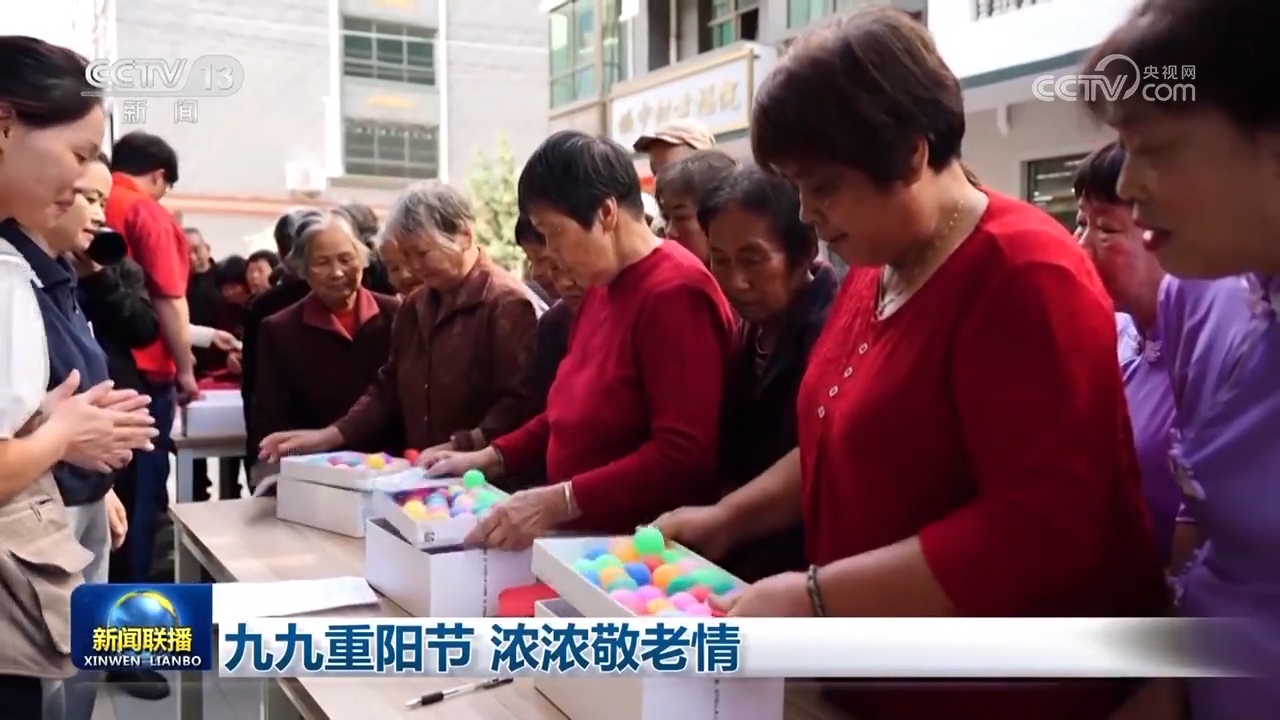
一张覆盖城乡、贯通区村的三级养老服务网,正在将专业的养老力量源源不断地输送到北京怀柔的老人 身边与家中。10月28日,北京商报记者从北京市怀柔区民政局了解到,作为全国县域养老服务体系创新 试点,从农村邻里互助的"熟人服务",到区级智慧平台的"精准监控",再到养老机构与医疗资源的"无 缝衔接",怀柔区正通过构建三级养老服务网,精准对接全区老年人的养老需求,为老年人提供了身 边、家边、周边的普惠服务。 146个互助点,志愿服务2.4万人 农村邻里互助养老服务点,是怀柔区三级养老服务体系的重要补充。针对部分村庄缺乏养老机构、养老 服务驿站的现状,怀柔区优先在这类"服务空白村"布局互助点,依托邻里间距离近、感情亲、易沟通的 优势,以村为单位、农村党组织为核心,广泛动员本村党员、网格员、低龄健康老年人、假期返村学生 等群体担任邻里互助员,重点解决独居、高龄老年人的日常养老需求。 在怀柔区北沟村,邻里互助点正有序运转。北沟村党支部书记、村主任王全介绍,村里老人较多,针对 高龄、卧床老人的照护需求,村里邻里互助养老服务点组建了18人志愿者队伍,重点服务12名老人。 "每次来都给我母亲理发、测血压,还陪她聊天。"百岁老人李凤 ...