
智能养老服务机器人

Search documents
河北廊坊市市长刘媛:以协同之力 聚融合之势 谋发展新篇
Xin Lang Cai Jing· 2026-02-28 02:43
Core Viewpoint - The article emphasizes the deep integration and high-quality development of the Beijing-Tianjin-Hebei (Jing-Jin-Ji) region, highlighting the strategic initiatives and achievements of Langfang City in this collaborative effort during the 14th Five-Year Plan and the new opportunities presented in the 15th Five-Year Plan [1][3][4]. Group 1: Achievements and Strategic Initiatives - Langfang City has actively integrated into the Jing-Jin-Ji collaborative development framework, leveraging its unique geographical advantages to enhance transportation, industry, public services, and ecology [3][4]. - During the 14th Five-Year Plan, Langfang's GDP exceeded 400 billion yuan, ranking third in per capita GDP in the province, and second in per capita disposable income [4][5]. - The city has established 266 subsidiaries of central enterprises and built 126 joint R&D platforms with Beijing and Tianjin, achieving an annual growth of 41.8% in technology contract transactions with these cities [4][5]. Group 2: Future Plans and Development Goals - In the 15th Five-Year Plan, Langfang aims to deepen its integration into the Jing-Jin-Ji collaborative development, focusing on the spatial coordination outlined in the modern capital metropolitan area plan [7][8]. - The city plans to enhance its role in the "two corridors and four belts" industrial collaborative innovation framework and actively seek to establish a branch of the Beijing-Tianjin-Hebei International Technology Innovation Center [7][8]. - Langfang will continue to develop its transportation, industry, public services, and ecological sectors to achieve greater breakthroughs in collaboration with Beijing and Tianjin [7][8]. Group 3: Economic Corridors and Industry Development - Langfang has constructed a "two chains and five corridors" economic corridor, focusing on integrating into the Jing-Jin-Ji industrial layout [11][12]. - The city is developing two key industrial chains: the new energy and intelligent connected vehicle industry chain, and the robotics industry chain, with significant growth in revenue and project signings [11][12]. - Langfang is also building five distinctive industrial corridors, including logistics, computing power, intelligent manufacturing, health care, and cultural tourism, to enhance its economic competitiveness [13][15][19].


锚定产业链高质量发展 市级部门这样干
Xin Lang Cai Jing· 2026-02-26 18:39
Group 1 - Chengdu is focusing on high-quality development of key industrial chains as part of its "14th Five-Year Plan" to enhance urban development advantages [1] - The Municipal Development and Reform Commission is implementing a gradient cultivation project for market entities, focusing on major projects and product quality improvement [1] - The city aims to create 45 "park within a park" models in key industrial sectors to enhance industry visibility [1] Group 2 - The Municipal Port and Logistics Office plans to lead new development through smart logistics, aiming to create over 5 intelligent logistics platforms and 3 multi-modal transport routes [2] - The Investment Promotion Bureau is focusing on large enterprises and foreign investment, utilizing various channels for investment attraction and project implementation [2] - The Municipal State-owned Assets Supervision and Administration Commission is ensuring state-owned enterprises align with city strategies and is promoting the establishment of new industrial companies [3] Group 3 - The Civil Affairs Bureau is promoting the integration of elderly care and the silver economy, with plans to develop at least 10 specialized industrial parks [3] - The bureau is also focusing on smart elderly care services and creating new tourism products for the elderly [3]
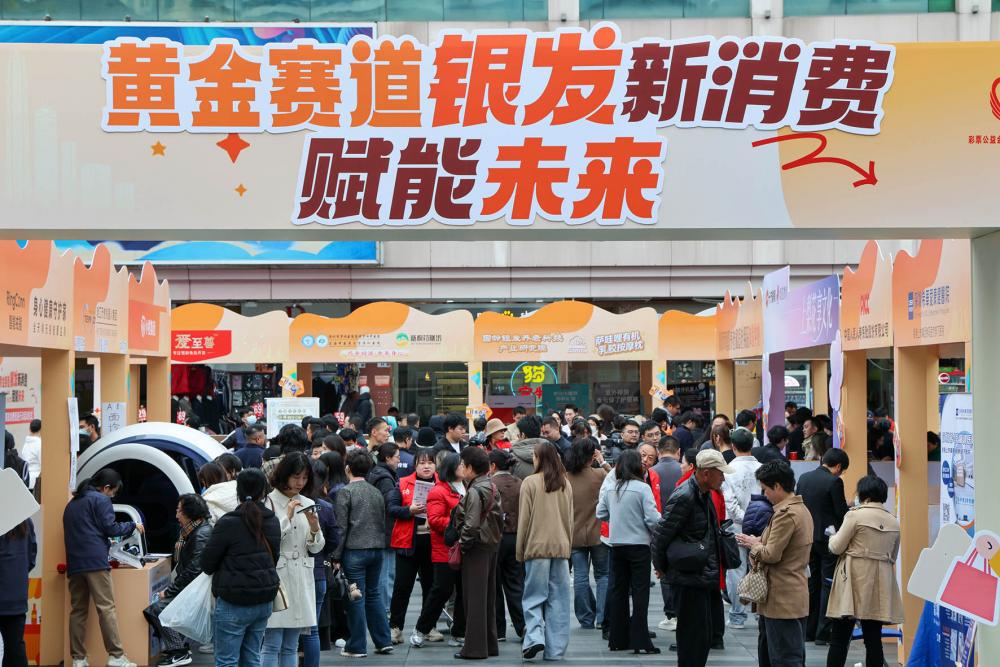
消费补贴+新业态新场景 银发经济和养老服务再迎政策力挺
2 1 Shi Ji Jing Ji Bao Dao· 2026-02-25 23:06
Core Insights - The Chinese government is focusing on the development of the silver economy and elderly care services, recognizing its significant potential and the need for supportive measures to address the challenges of an aging population [1][3][4] Policy Initiatives - A series of policies have been introduced since 2024 to enhance the silver economy, including opinions and measures aimed at improving elderly welfare and promoting consumption in the sector [3][4] - By 2026, additional measures will be implemented to cultivate service providers and promote technological innovation in elderly care [3][4] Market Potential - The silver economy is projected to exceed 30 trillion yuan by 2035, indicating substantial growth potential [3] - Despite this potential, challenges such as insufficient supply, low professional standards, and a shortage of workforce in elderly care services remain [3][4] Service Quality and Safety - The government aims to improve the quality and accessibility of elderly care services, ensuring a sustainable system that covers both urban and rural areas [4] - Safety management in elderly care institutions will be strengthened, with measures to combat fraud and protect the rights of the elderly [4] Consumption Incentives - The government is encouraging the issuance of consumption subsidies to stimulate demand among the elderly, with plans to create new consumption scenarios and business models [4][5][7] - Various regions have started providing electronic vouchers for elderly care services, enhancing purchasing power for the elderly [6] Technological Innovation - The Ministry of Civil Affairs is promoting technological innovation as a key strategy to address aging, focusing on developing smart elderly care products and services [8][9] - The integration of technology, such as robots and AI, is expected to play a significant role in the future of elderly care [8][9] Market Development - The exploration of new consumption scenarios for the silver economy is ongoing, with initiatives to showcase products and services at major trade events [9] - E-commerce platforms are being encouraged to enhance the supply of elderly-friendly products and services, catering to diverse needs [9]
进一步推进老龄和养老服务科技创新
Ke Ji Ri Bao· 2026-01-30 07:36
Core Viewpoint - The Ministry of Civil Affairs has issued the "Guiding Opinions on Further Promoting Technological Innovation in Civil Affairs," which aims to leverage new technological and industrial transformation opportunities to innovate civil affairs work and enhance the technological innovation system in the sector [1] Group 1: Overall Requirements and Measures - The "Opinions" is the first comprehensive policy document on civil affairs technological innovation issued for the 14th Five-Year Plan, proposing 14 specific measures across five areas: overall requirements, strengthening key core technology breakthroughs, promoting the transformation and application of technological achievements, enhancing technological support capabilities, and strengthening organizational guarantees [1] Group 2: Technological Integration and Innovation - The document emphasizes the need to widely apply cutting-edge technologies such as humanoid robots, brain-computer interfaces, and artificial intelligence in areas like disability prevention, elderly care, rehabilitation, mental comfort, safety monitoring, and the construction of age-friendly environments [2] - It highlights the importance of deeply integrating technological products with typical service scenarios in home, community, and institutional settings to create comprehensive care solutions for the elderly [2] Group 3: Industry Development and Standards - The "Opinions" supports the establishment of regional clusters for the elderly and elderly care service industries, focusing on intelligent elderly care service robots and smart elderly products [2] - It proposes measures for building national-level technological innovation platforms and international cooperation platforms in the elderly and elderly care service sectors, as well as establishing a technical standards system [3] - The Ministry encourages collaboration among universities, research institutions, leading technology enterprises, and elderly care service organizations to drive technological innovation in the sector [3]
每日市场观察-20260130
Caida Securities· 2026-01-30 07:07
Market Overview - On January 29, the three major indices showed mixed results, with the Shanghai Composite Index rising by 0.16% and the ChiNext Index falling by 0.57%[3] - The main sectors experiencing inflows included liquor, advertising, and software development, while semiconductor, consumer electronics, and components saw significant outflows[3] Industry Trends - The market is witnessing a shift from technology stocks to cyclical and consumer assets, with notable increases in sectors like food and beverage, real estate, and non-ferrous metals[1] - Precious metals are experiencing significant short-term price increases, driven by global geopolitical changes rather than solely by the decline of the US dollar index[2] Economic Indicators - The total cross-regional population flow during the 2026 Spring Festival is expected to reach 9.5 billion people, marking a historical high[6] - The National Development and Reform Commission anticipates a 5.3% year-on-year increase in railway passenger capacity during the Spring Festival[4] Fund Dynamics - As of December 2025, the total net asset value of public funds in China reached 37.71 trillion yuan, with a monthly increase of 695.75 billion yuan, marking a nine-month consecutive high[13]
“智慧+养老”服务科技创新再发力 智慧“享”老为银发族兜牢稳稳幸福
Yang Shi Wang· 2026-01-30 05:38
Group 1 - The Ministry of Civil Affairs has issued the first comprehensive policy document on civil affairs technology innovation for the "14th Five-Year Plan" period [1][3] - The document outlines 14 specific measures across five areas: overall requirements, strengthening key core technology breakthroughs, promoting the transformation and application of technological achievements, enhancing technological support capabilities, and strengthening organizational guarantees [3] Group 2 - The document emphasizes the application of advanced technologies such as humanoid robots, brain-computer interfaces, and artificial intelligence in elderly care and aging services [5] - Key technology development areas include prevention and management of disabilities and dementia, life care and rehabilitation, mental comfort and social participation, safety risk monitoring and emergency rescue, and the construction of age-friendly living environments [5][9] - The Ministry aims to integrate technology equipment with elderly care services to create comprehensive solutions for multi-scenario care for the elderly [9] Group 3 - The document encourages localities to develop aging and elderly care service industry clusters, focusing on intelligent elderly care service robots and smart elderly care products [12] - It also highlights leveraging the advantages of urban agglomerations such as Beijing-Tianjin-Hebei, Yangtze River Delta, Guangdong-Hong Kong-Macao Greater Bay Area, and Chengdu-Chongqing to promote the construction of innovation-driven industrial development hubs [12]
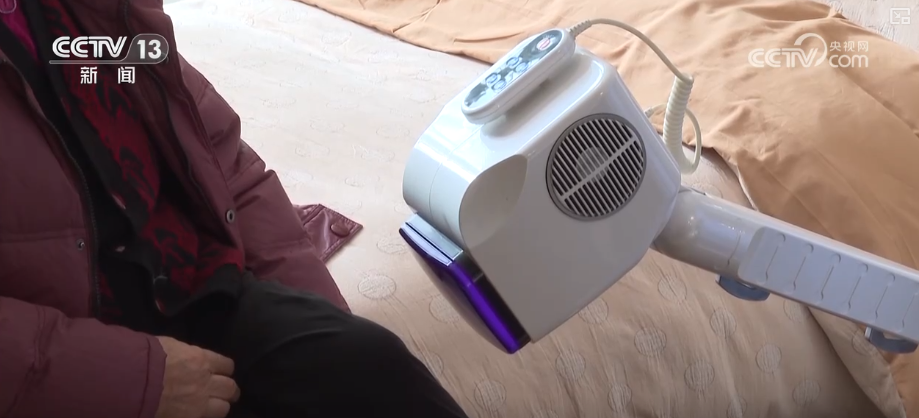
民政部: 探索使用投资融资等渠道 设立民政科创基金
Zhong Guo Zheng Quan Bao· 2026-01-29 21:40
Core Insights - The Ministry of Civil Affairs has issued guidelines to promote technological innovation in civil affairs, aiming to establish a civil affairs technology innovation fund to support the research, industrialization, and application of suitable technology products by 2030 [1] Group 1: Key Objectives - By 2030, the goal is to enhance the civil affairs technology innovation system, increase technological investment, improve innovation levels and efficiency, and achieve breakthroughs in key core technologies [1] - The initiative aims to foster a batch of landmark technological achievements and significantly increase the localization rate of high-end equipment and products [1] Group 2: Strengthening Core Technology - The guidelines emphasize the need for technological support in the aging and elderly care sectors, advocating for the use of advanced technologies such as humanoid robots, brain-computer interfaces, and artificial intelligence [2] - Key areas for technological development include disability prevention, elderly care, rehabilitation, mental comfort, and emergency response, with a focus on integrating and scaling up product applications [2] Group 3: Promoting Technology Transfer - The guidelines propose leveraging urban clusters like Beijing-Tianjin-Hebei, Yangtze River Delta, and Guangdong-Hong Kong-Macau Greater Bay Area to build high grounds for civil affairs technology industry innovation [3] - There is a focus on developing the elderly care service industry, particularly in smart elderly care robots and products, and expanding the application of new technologies in the rehabilitation assistive devices sector [3] Group 4: Organizational Support - The guidelines call for improving investment mechanisms and actively seeking national science and technology projects to bolster civil affairs technology innovation [3] - Encouragement is given for local governments to establish specialized funds for civil affairs technology innovation and to effectively coordinate financial resources to support this sector [3]
探索使用投资融资等渠道设立民政科创基金
Zhong Guo Zheng Quan Bao· 2026-01-29 21:01
Core Insights - The Ministry of Civil Affairs has issued guidelines to promote technological innovation in civil affairs, aiming to establish a civil affairs technology innovation fund to support the research, industrialization, and application of suitable technology products by 2030 [1] Group 1: Goals and Objectives - The main objective is to enhance the civil affairs technology innovation system, increase technological investment, improve innovation levels and efficiency, and achieve breakthroughs in key core technologies by 2030 [1] - The initiative aims to foster a batch of landmark technological achievements and significantly increase the localization rate of high-end equipment and products [1] Group 2: Key Areas of Focus - Emphasis on strengthening technological support in the aging and elderly care sectors, utilizing advanced technologies such as humanoid robots, brain-computer interfaces, and artificial intelligence for various applications [1] - Development of critical technology equipment for elderly care, including meal assistance, mobility support, and emergency response systems [1] Group 3: Technological Innovations in Rehabilitation and Funeral Services - Focus on technological innovation in rehabilitation aids and funeral services, including the development of exoskeleton robots, smart prosthetics, and rehabilitation aids for mental health patients [2] - Promotion of the application of large language models and brain-computer interfaces in the rehabilitation of disabled children [2] Group 4: Industrial Development and Support Mechanisms - Encouragement of industrial innovation in civil affairs by leveraging the advantages of major urban clusters, aiming to create a highland for civil affairs technology industry innovation [2] - Support for the development of the elderly care service industry, particularly in smart elderly care products and services [2] Group 5: Organizational Support and Funding Mechanisms - The guidelines propose improving investment mechanisms and encouraging local governments to establish dedicated civil affairs technology innovation funds [3] - Emphasis on mobilizing social capital and establishing a diversified funding mechanism to support civil affairs technology innovation [3]
中国将强化老龄和养老服务科技支撑 广泛应用人工智能等前沿技术
Zhong Guo Xin Wen Wang· 2026-01-29 07:02
Group 1 - The core viewpoint of the article emphasizes the strengthening of technological support for elderly care and services in China, with a focus on the application of advanced technologies such as humanoid robots, brain-computer interfaces, and artificial intelligence [1][2] - The Ministry of Civil Affairs has released a comprehensive policy document aimed at promoting technological innovation in the civil affairs sector, which is expected to support the national strategy for actively addressing population aging [1] - The document outlines five key areas of focus, including overall requirements, strengthening core technology research, promoting the application of technological achievements, enhancing technological support capabilities, and reinforcing organizational guarantees, with 14 specific measures proposed [1] Group 2 - The policy also highlights the establishment of innovation hubs for civil affairs technology industries, leveraging the advantages of urban agglomerations such as Beijing-Tianjin-Hebei, Yangtze River Delta, Guangdong-Hong Kong-Macao Greater Bay Area, and Chengdu-Chongqing [2] - It supports the development of regional elderly care and service industry clusters, particularly focusing on intelligent elderly care robots and smart elderly care products [2]
民政部:瞄准培育银发经济新动能 支持各地结合实际打造老龄和养老服务产业集群
Xin Lang Cai Jing· 2026-01-29 02:15
Core Viewpoint - The Ministry of Civil Affairs has issued guidelines to further promote technological innovation in the civil affairs sector, emphasizing the need for industry innovation and development [1] Group 1: Industry Development - The guidelines aim to leverage the advantages of urban agglomerations such as Beijing-Tianjin-Hebei, Yangtze River Delta, Guangdong-Hong Kong-Macau Greater Bay Area, and Chengdu-Chongqing to build a highland for technological innovation in civil affairs [1] - There is a focus on cultivating new momentum in the silver economy, supporting localities to create clusters in elderly care and pension services, particularly emphasizing smart elderly care service robots and intelligent elderly care products [1] Group 2: Rehabilitation and Assistive Devices - The guidelines advocate for the vigorous development of the rehabilitation assistive devices industry, expanding the application scope of new technologies and products [1] - There is a call to improve the configuration service network, which will drive the upgrade of the rehabilitation assistive devices industry chain and service chain [1] Group 3: Policy Support - The guidelines suggest utilizing financial tools such as loan interest subsidies and risk compensation to support innovation and development in related industries within the civil affairs sector [1]