
多边主义

Search documents
习近平: 同上合组织国一道实施"千万千瓦光伏"和"千万千瓦风电"项目
Xin Hua She· 2025-09-02 08:37
Core Points - The speech emphasizes the importance of global governance and the need for a more just and equitable system, particularly in light of historical events and current global challenges [1][2][3] - The Shanghai Cooperation Organization (SCO) is highlighted as a key player in promoting democratic and fair international political and economic order [3][5] - The initiative includes a commitment to multilateralism, respect for international law, and the promotion of human-centered governance [2][4] Group 1 - The need for sovereign equality among nations in global governance, ensuring equal participation and decision-making for all countries [1][2] - The call for adherence to international law and principles, avoiding double standards in the application of rules [1][2] - The promotion of multilateralism and the strengthening of the United Nations' role in global governance [2][3] Group 2 - The SCO's role in maintaining regional stability through long-term cooperation agreements and security collaborations among member states [3][4] - The commitment to economic cooperation and the promotion of inclusive globalization, particularly through initiatives like the Belt and Road [3][4] - The emphasis on cultural exchange and mutual understanding among diverse civilizations to foster peaceful coexistence [4][5] Group 3 - The proposal for collaborative platforms in energy, green industries, and digital economy among SCO member states [4] - The commitment to humanitarian initiatives, including medical assistance and health screenings for member countries [4][5] - The stance against hegemonism and the promotion of a multipolar world and democratic international relations [5][6]
马来西亚总理:全球治理倡议极具现实意义
Xin Hua Wang· 2025-09-02 08:10
新华社吉隆坡9月2日电(记者王嘉伟 毛鹏飞)马来西亚总理安瓦尔9月1日晚在社交媒体发文表 示,马来西亚完全支持习近平主席在"上海合作组织+"会议上提出的全球治理倡议,该倡议在多边主义 体系遭遇挑战的当下,极具现实意义。 他表示,今天的国际体系面临信任赤字,在全球贸易、金融以及气候变化等领域面临挑战,世界范 围内仍存在战争等暴行,马来西亚因此"强烈支持"全球治理倡议,该倡议基于正义、人道与合作,并以 多边主义为核心,有助于推动各国共同塑造和平世界。 安瓦尔当天在天津出席了"上海合作组织+"会议。他当晚在帖文中写道:"在多边体系举步维艰的今 天,全球治理倡议引发了深刻共鸣。" ...
上合峰会提出全球治理倡议,中方愿积极分享超大规模市场机遇
第一财经· 2025-09-02 07:15
Core Viewpoint - The article discusses the outcomes of the Shanghai Cooperation Organization (SCO) summit held in Tianjin, emphasizing China's global governance initiative that promotes multilateralism, equality, and sustainable development [3][4][6]. Economic Cooperation - China proposed the establishment of three cooperation platforms focusing on energy, green industries, and digital economy, along with three centers for technological innovation, higher education, and vocational training [3][10]. - The SCO aims to deepen cooperation in energy and green industries, with funding arrangements such as the establishment of the SCO Development Bank to facilitate regional economic sharing [4][10]. - In 2024, trade between China and other SCO member states reached approximately $512.4 billion, a 2.7% increase year-on-year, with significant imports of energy products [10][12]. Shanghai Spirit - SCO member states reaffirmed their commitment to the "Shanghai Spirit," which emphasizes mutual trust, mutual benefit, equality, consultation, respect for diverse civilizations, and common development [6][7]. - The summit's context is marked by the challenges posed by unilateral trade policies from the U.S., highlighting the importance of multilateral cooperation among member states [6][7]. Green Energy and Sustainable Development - China aims to share its large market opportunities and implement high-quality economic cooperation plans with SCO countries, focusing on renewable energy projects like the addition of 10 million kilowatts of solar and wind power [10][11]. - The emphasis on green energy and climate transition aligns with global consensus, with China leading in wind, solar, and energy storage technologies [11][15]. Artificial Intelligence and Digital Cooperation - China proposed the establishment of an AI application cooperation center to share the benefits of AI development among SCO members [14][15]. - The initiative includes enhancing e-commerce cooperation and building digital capabilities among member states, addressing the digital divide and fostering regional collaboration [14][15].

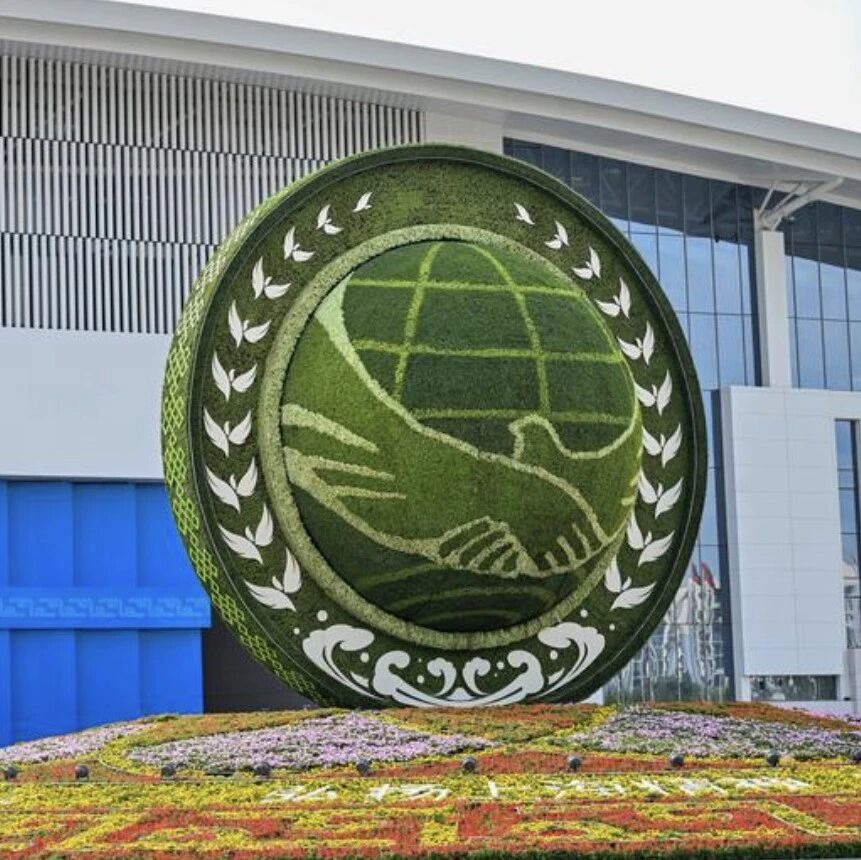
习近平同俄罗斯总统普京会谈
证券时报· 2025-09-02 06:09
习近平强调,中俄两国各自发展振兴都有强大动力,双方要以大项目引领合作,打造标杆合作项目,促进 深层次利益融合。要增强合作韧性,提升合作默契,全力巩固和维护合作大局。 新华社北京9月2日电 9月2日上午,国家主席习近平在北京人民大会堂同来华出席2025年上海合作组织 峰会和纪念中国人民抗日战争暨世界反法西斯战争胜利80周年活动的俄罗斯总统普京举行会谈。 习近平指出,中俄关系经受住了国际风云变幻的考验,树立了永久睦邻友好、全面战略协作、互利合作共 赢的大国关系典范。双方坚守初心、保持定力,各领域合作取得积极成果。中方愿同俄方密切高层交往, 支持彼此发展振兴,在涉及两国核心利益和重大关切问题上及时协调立场,推动中俄关系取得更大发展。 当天中午,习近平同普京小范围茶叙并宴请。 双方签署能源、航天、人工智能、农业、检验检疫、卫生、科研、教育、媒体等领域20余份双边合作文 件。 蔡奇、王毅参加上述活动。 责编:叶舒筠 校对: 彭其华 习近平指出,中俄两国元首相互出席对方国家举办的纪念世界反法西斯战争胜利庆典,充分彰显了作为第 二次世界大战主要战胜国和联合国安理会常任理事国的大国担当,展示了维护二战胜利成果、捍卫正确二 战 ...
“这是‘全球南方’国家凝聚共识、展现团结的有力体现” | 聚焦上合组织峰会
Guo Ji Jin Rong Bao· 2025-09-02 05:12
Core Points - The Shanghai Cooperation Organization (SCO) summit held in Tianjin from August 31 to September 1 is recognized as the largest and most significant since its establishment in 2001, showcasing unity among "Global South" countries [1][3][4] - The summit emphasizes the importance of multilateralism in the face of challenges posed by unilateralism, with member countries reaffirming their commitment to collaborative efforts [4][5] Economic Cooperation - In the first seven months of this year, trade between China and other SCO member countries reached $293.18 billion, marking a 1.8% year-on-year increase [5] - Over the past five years, trade volumes have consistently surpassed $300 billion, $400 billion, and $500 billion, projected to reach a historical high of $512.4 billion by 2024 [5] - As of June this year, China's direct investment in other member countries exceeded $40 billion, expanding from traditional sectors like energy and infrastructure to emerging fields such as digital economy and green development [5] Future Projections - Predictions indicate that by 2025, the combined GDP of SCO member and observer countries, calculated by purchasing power parity, will reach $82 trillion [5] - The summit's economic mechanisms are expected to contribute to the creation of a new multipolar world, promoting equal opportunities [6]
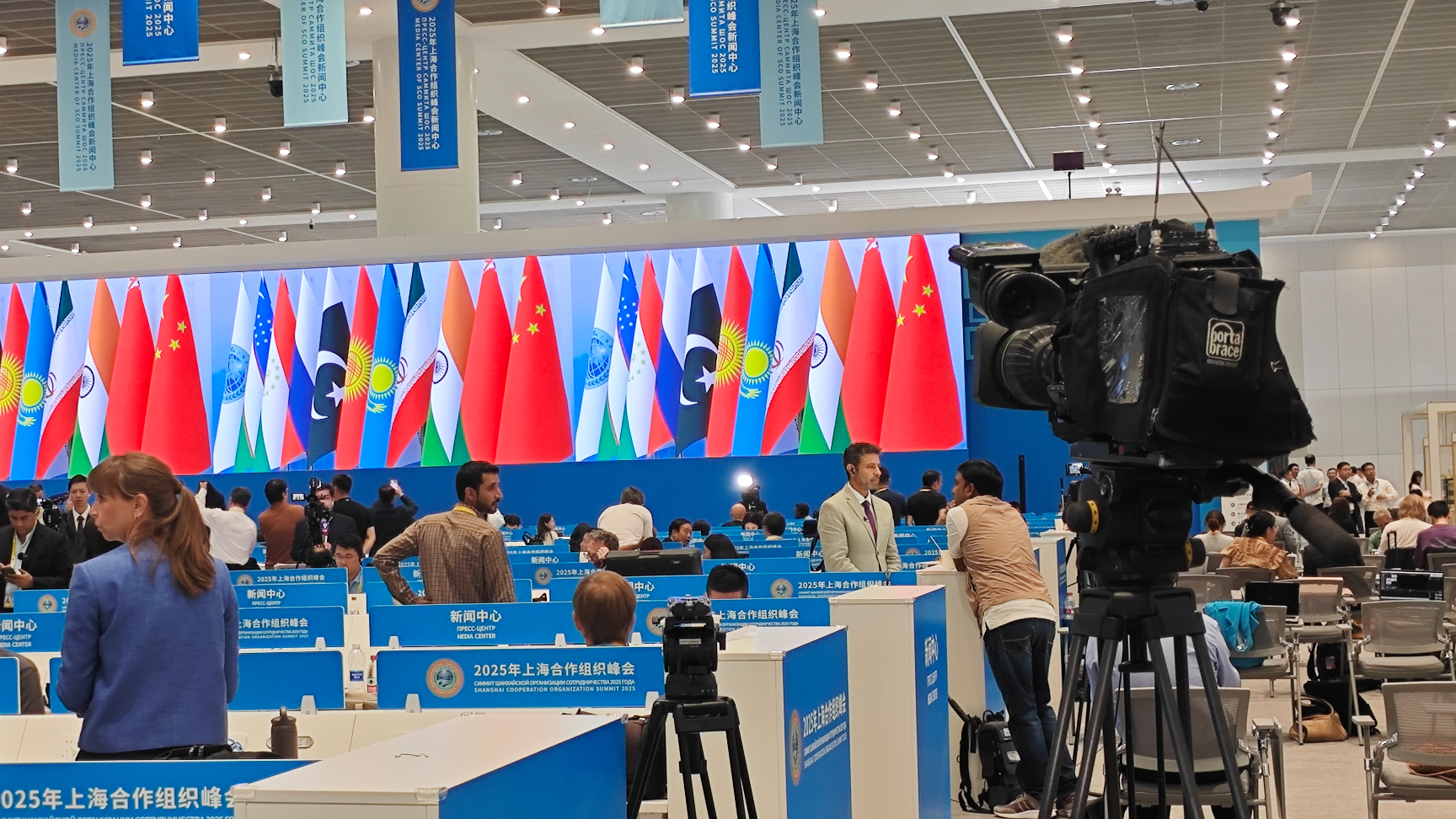
习主席首次提出“全球治理倡议”,将为世界带来什么?
Yang Shi Xin Wen· 2025-09-02 04:48
9月1日下午,"上海合作组织+"会议在天津梅江会展中心举行。国家主席习近平主持会议并发表重要讲 话。 此次天津峰会,习主席会见联合国秘书长时指出,我们要重温联合国创立初心,重申对联合国宪章宗旨 和原则的承诺。 作为联合国安理会常任理事国,中国始终坚定站在历史正确一边。从倡导国际关系民主化,到坚持国家 不分大小、强弱、贫富一律平等,从支持联合国发挥积极作用,到支持扩大发展中国家在国际事务中的 代表性和发言权,中国一直挺膺担当,广受国际社会认同。 继全球发展倡议、全球安全倡议和全球文明倡议之后,习近平在讲话中提出全球治理倡议——奉行主权 平等;遵守国际法治;践行多边主义;倡导以人为本;注重行动导向。 遵守国际法治 "我愿提出全球治理倡议,同各国一道,推动构建更加公正合理的全球治理体系,携手迈向人类命运共 同体。" 加强全球治理是国际社会共享发展机遇、应对全球性挑战的正确选择。当前,和平、发展、合作、共赢 的时代潮流没有变,但冷战思维、霸权主义、保护主义阴霾不散,新威胁新挑战有增无减,世界进入新 的动荡变革期,全球治理走到新的十字路口。 在这个时代背景中,习近平主席站在世界各国安危与共和人类社会发展进步的高度,提出 ...
习主席首次提出“全球治理倡议”,将为世界带来什么?
Yang Shi Xin Wen Ke Hu Duan· 2025-09-02 04:30
Group 1 - The core viewpoint of the news is the proposal of a global governance initiative by President Xi Jinping, emphasizing the need for a more just and equitable global governance system to address global challenges and promote shared development [1][3][10] - The initiative highlights the importance of sovereign equality, where all countries, regardless of size or wealth, participate equally in global governance [4][5] - The call for adherence to international law and the principles of the United Nations Charter is emphasized, advocating for a unified application of international rules without double standards [6][7] Group 2 - The initiative promotes multilateralism as a response to rising unilateralism and protectionism, stressing the need for collective action and cooperation among nations [7][8] - A human-centered approach is advocated, focusing on the well-being of people and ensuring that all nations share in the benefits of global governance [8][9] - The emphasis on action-oriented strategies aims to coordinate global efforts effectively, ensuring tangible outcomes and addressing issues like sustainable development [9][10]
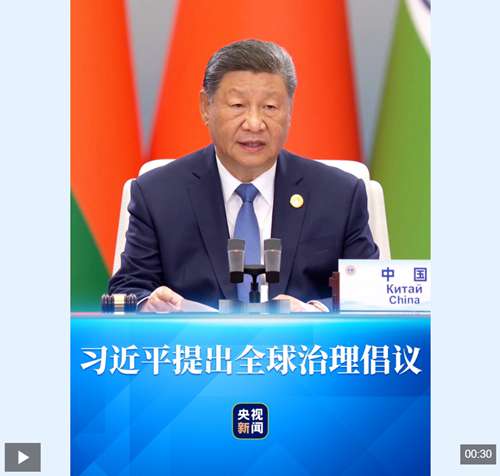
(上合天津峰会)海外人士话上合天津峰会:在凝聚共识、团结协作中创造更好未来
Zhong Guo Xin Wen Wang· 2025-09-02 03:50
9月1日,习近平还在"上海合作组织+"会议上提出全球治理倡议。来自巴基斯坦萨玛电视台的阿什拉夫 (Irfan Ashraf)告诉记者,这一倡议的提出恰逢其时。他说,在这个时代,人们面临来自经济、安全等方 面的诸多挑战,"现在是采纳并立即践行这一倡议的最佳时机"。 阿什拉夫表示,中国提出这一倡议是为了维护全球公共利益。他相信,如果各国能一同践行这一倡议, 将有助于减少贫困,打击恐怖主义,最终提升和改善相关国家民众的生活。 哈萨克斯坦欧亚国际研究协会执行主任凯拉特·巴特尔巴耶夫在受访时指出,上合组织天津峰会是该组 织发展进程中的重要一环,彰显各国在全球局势复杂多变背景下携手应对挑战、共同寻求解决方案的意 愿。 他表示,对哈萨克斯坦而言,参与此次峰会不仅有助于推进本国在生态、数字化和社会政策领域的倡 议,也为深化地区合作、推动可持续发展提供了重要机遇。 "上合组织天津峰会不仅是一场重要的多边合作盛会,更是凝聚共识、推动务实合作的重要平台。"巴特 尔巴耶夫说。(完) 中新社天津9月2日电 (记者 官逸伦 张焕迪 单璐)8月31日至9月1日,2025年上海合作组织峰会在中国天 津举行。多位海外人士向中新社记者表示,此次 ...
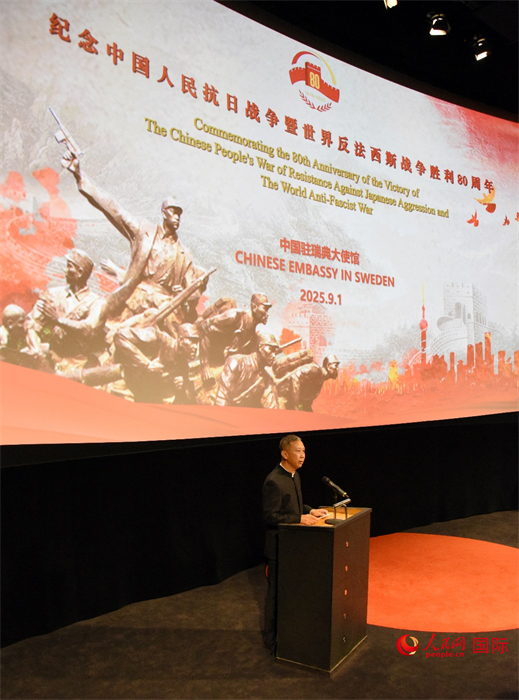
中国驻瑞典大使馆举办纪念中国人民抗日战争暨世界反法西斯战争胜利80周年电影招待会
人民网-国际频道 原创稿· 2025-09-02 03:39
Group 1 - The event commemorated the 80th anniversary of the victory in the Chinese People's War of Resistance Against Japanese Aggression and the World Anti-Fascist War, attended by over 300 representatives from various sectors in Sweden [1][2] - Chinese Ambassador to Sweden, Cui Aimin, emphasized the historical contributions of the Chinese People's War of Resistance to the victory of the World Anti-Fascist War and called for a unified perspective on World War II history among nations [2] - Attendees expressed a strong emotional response to the film "Nanjing Photo Studio," highlighting the importance of remembering history, cherishing peace, and deepening cooperation for a better world [5]
和音:推动构建更加公正合理的全球治理体系
Ren Min Ri Bao· 2025-09-02 03:37
今年是世界反法西斯战争胜利80周年,也是联合国成立80周年。历史启示我们,多边主义、团结合作是 解决全球性难题的正确答案。中方将携手各方一道,践行全球治理倡议,推动构建更加公正合理的全球 治理体系,让推进全球治理体系变革、推动构建人类命运共同体的成果更多更好造福全人类。 全球治理倡议具有鲜明的时代性,是对现有全球治理体系的有益补充和创新完善。回望历史,全球治理 是在国际体系建立和完善的进程中产生的,也应随着国际格局和形势的变化而动态调整。当前,百年变 局向纵深演进,新兴市场国家和发展中国家群体性崛起,国际力量对比发生革命性变化,广大发展中国 家的代表性和发言权未能充分体现,全球治理体系不适应、不匹配的问题空前突出。与此同时,国际形 势变乱交织,强权霸凌行径危害深重,严重冲击联合国等多边机制,国际社会面临的问题挑战更趋复杂 多元,没有哪个国家可以独善其身。立足国际格局变化,着眼应对全球性挑战需要,在广泛协商、凝聚 共识的基础上改革和完善全球治理体系,反映发展中国家群体性崛起的国际政治现实,是弥补治理赤字 的应有之义。全球治理倡议高擎多边主义旗帜,倡导以人为本,注重行动导向,旨在增强全球治理体系 的执行力与有效性 ...