
多边主义

Search documents
习近平用四个“率先”总结上合组织建设和合作成果
Yang Shi Xin Wen Ke Hu Duan· 2025-09-01 02:58
Core Viewpoint - The meeting of the Shanghai Cooperation Organization (SCO) member states emphasizes the importance of regional cooperation, security, and economic development, highlighting China's proactive role in fostering trust and collaboration among member countries [1] Group 1: Security and Cooperation - The establishment of a military trust mechanism in border areas aims to transform long borders into links of friendship, mutual trust, and cooperation [1] - China has taken the lead in multilateral actions against "three forces" (terrorism, separatism, extremism) and has advanced law enforcement and security cooperation [1] - The country opposes external interference and is committed to maintaining regional peace and stability [1] Group 2: Economic Development - China has initiated the Belt and Road cooperation, significantly boosting regional development and prosperity [1] - The trade volume between China and SCO countries has exceeded $2.3 trillion ahead of schedule [1] - International road transport routes of nearly 14,000 kilometers have been established, and over 110,000 China-Europe freight trains have been operated [1] Group 3: Cultural and People-to-People Exchanges - A long-term friendly cooperation treaty has been signed, promoting enduring friendship and non-hostility among member states [1] - The establishment of the SCO Neighborly Friendship Cooperation Committee aims to enhance civil exchanges and cooperation across various sectors, including local governments, media, think tanks, women, and youth [1] - These efforts have fostered mutual understanding and connection among the peoples of member countries [1] Group 4: Global Governance - China has proposed a global governance concept of consultation, contribution, and shared benefits, advocating for true multilateralism [1] - The country seeks to deepen cooperation with international organizations like the United Nations and actively participates in international and regional affairs [1] - China stands for international fairness and justice, promoting inclusivity and opposing hegemony, thereby contributing positively to global peace and development [1]
上海合作组织天津峰会拉开帷幕,为动荡世界注入积极力量
Xin Jing Bao· 2025-08-31 23:13
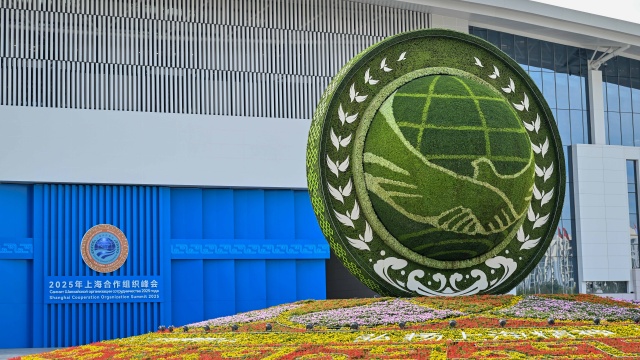
在天津梅江国际会展中心门前,有一个绿色的圆球,球的一侧是上合组织会徽,另一侧是飞翔的和平鸽 以及交握的双手,底部的花坛上则写着"弘扬上海精神 上合组织在行动"的标语。过去几天,众多天津 市民前来拍照打卡,沉浸式感受上合峰会的浓厚氛围。 据新华社消息,8月31日至9月1日,2025年上海合作组织峰会将在天津举行。国家主席习近平将主持上 海合作组织成员国元首理事会第二十五次会议和"上海合作组织+"会议并发表主旨讲话。 这是上合组织峰会时隔7年再次回到中国,也是峰会首次落地天津。据报道,本届天津峰会共有20多位 外国领导人和10位国际组织负责人莅临参会,是上合组织成立24年以来规模最大的一届峰会。在全球局 势动荡不安、地缘冲突此起彼伏的大背景下,多方认为上合组织将为世界注入更多积极、稳定的力量。 "天津时间"到来 8月31日,2025年上合组织峰会在天津正式拉开帷幕。据央视新闻消息,当天晚上,出席此次上合峰会 的外国领导人已全部抵达天津。这也就意味着,自2024年7月开始的上合组织轮值主席国"中国年"即将 迎来最高潮。 自2001年成立以来,中国曾四次主办上合组织峰会,2001年、2006年在发源地上海,2012年 ...
习近平:中白两国人民曾并肩战斗 共同为粉碎军国主义和法西斯主义作出重大历史贡献
Yang Shi Xin Wen Ke Hu Duan· 2025-08-31 10:02
习近平指出,中国和白俄罗斯人民曾并肩战斗,共同为粉碎军国主义和法西斯主义作出重大贡献,结下 深厚友谊。当前,世界百年变局加速演进,人类又一次站在十字路口。中方愿同白方担当时代责任,践 行真正的多边主义,共同促进世界和平、发展、合作、共赢。 监制丨申勇记者丨史伟 王鹏飞 邢彬 刘乐摄像丨李铮 李增仁 郭鸿 陆泓宇 蒋硕 曹亚星 范凯录音丨孙洋 翻译丨刘晓华 8月31日上午,国家主席习近平在天津迎宾馆会见来华出席2025年上海合作组织峰会和纪念中国人民抗 日战争暨世界反法西斯战争胜利80周年活动的白俄罗斯总统卢卡申科。 卢卡申科说:"尊敬的主席阁下,我在街上看到了中国数年来发生的巨大变化,整个社会秩序井井有 条。我看到的是中国的巨大成就,更是您领导的巨大成就。无论是在政策还是国家制度方面,贵国的经 验都值得学习借鉴。" ...
贸易额成倍增长!上合组织成员国经贸合作不断升级:规模扩大,产供链合作深化
Di Yi Cai Jing· 2025-08-31 09:59
天津峰会是中方今年最重要的元首外交和主场外交活动之一。 8月31日,2025年上海合作组织峰会在天津拉开帷幕。这是中国第五次主办上合组织峰会,也是上合组 织成立以来规模最大的一届峰会。 外交部部长助理刘彬在近日的中外媒体吹风会上介绍,天津峰会是中方今年最重要的元首外交和主场外 交活动之一。上合成员国领导人将共同签署并发表《天津宣言》,批准《上合组织未来10年发展战 略》,发表世界反法西斯战争胜利和联合国成立80周年的声明,通过关于加强安全、经济、人文合作的 一系列成果文件,为上合组织未来发展指明方向。 中国社会科学院俄罗斯东欧中亚研究所多边与区域合作研究室主任李勇慧对第一财经记者表示:"此次 峰会在中国举办,具有中国引领的作用。我们将引领提出上合方案,为上合组织的进一步发展提供巨大 的支持动力。" 规模最大 据新华社,应邀出席峰会的外国领导人有白俄罗斯总统卢卡申科,印度总理莫迪,伊朗总统佩泽希齐 扬,哈萨克斯坦总统托卡耶夫,吉尔吉斯斯坦总统扎帕罗夫,巴基斯坦总理夏巴兹,俄罗斯总统普京, 塔吉克斯坦总统拉赫蒙,乌兹别克斯坦总统米尔济约耶夫,蒙古国总统呼日勒苏赫,阿塞拜疆总统阿利 耶夫,亚美尼亚总理帕什尼扬,柬埔 ...

上合组织天津峰会|习近平会见亚美尼亚总理帕什尼扬
证监会发布· 2025-08-31 09:25
8月31日上午,国家主席习近平在天津迎宾馆会见来华出席2025年上海合作组织峰会和纪念 中国人民抗日战争暨世界反法西斯战争胜利80周年活动的亚美尼亚总理帕什尼扬。新华社记者 谢 环驰 摄 习近平强调,双方要高质量共建"一带一路",加强互联互通,推进教育、科技、文化、旅游 等交流,为两国人民创造更多福祉。中方支持亚美尼亚加入上海合作组织,愿同亚方一道,践行 真正的多边主义,携手推动构建人类命运共同体。 新华社天津8月31日电(记者陆君钰、刘惟真)8月31日上午,国家主席习近平在天津迎宾馆 会见来华出席2025年上海合作组织峰会和纪念中国人民抗日战争暨世界反法西斯战争胜利80周年 活动的亚美尼亚总理帕什尼扬。两国领导人宣布,中国和亚美尼亚建立战略伙伴关系。 习近平指出,中国和亚美尼亚友谊源远流长,历久弥坚。建交33年来,两国互尊互信、互利 互惠、互学互鉴,双边关系持续健康稳定发展。建立战略伙伴关系是两国关系发展史上的重要里 程碑,双方要赓续传统友谊,坚定相互支持,深化各领域合作,推动双边关系在新起点上不断取 得新成果。 8月31日上午,国家主席习近平在天津迎宾馆会见来华出席2025年上海合作组织峰会和纪念 中国人 ...
外媒热议:美国主导的国际体系之外,上合组织为各国提供对话与合作的空间
Guan Cha Zhe Wang· 2025-08-31 09:03
Core Points - The 2025 Shanghai Cooperation Organization (SCO) summit will take place in Tianjin from August 31 to September 1, marking China's fifth time hosting the summit and the largest since the organization's establishment in 2001, with over 20 foreign leaders and 10 international organization heads attending [1][3] - The summit is seen as a platform for dialogue and cooperation outside the "US-led international system," providing China with strategic leverage in global affairs [1][5] - The SCO has expanded significantly over the past 20 years, now encompassing 26 countries across Asia, Europe, and Africa, with ongoing interest from additional nations to join [6][7] Group 1: Summit Significance - The attendance of prominent leaders such as Russian President Putin and Indian Prime Minister Modi highlights the summit's global importance, especially in the context of shifting geopolitical dynamics [1][4] - Modi's visit is particularly noteworthy as it comes at a critical time for India-China relations, emphasizing the need for stable bilateral ties for regional peace and prosperity [3][4] - Analysts suggest that the summit will serve as a crucial indicator of the evolving India-China relationship, with official statements post-summit expected to reflect this [4] Group 2: China's Role and Influence - The SCO is increasingly viewed as a "parallel international governance structure" for China, allowing for shared grievances among member states, particularly in light of US trade policies [5] - China's leadership in the SCO is characterized by its ability to facilitate dialogue among major powers, transforming competition into mutual dependence [5] - The summit and subsequent events, such as the September 3 military parade, are expected to enhance China's influence in the Global South, showcasing its diplomatic reach [5][6] Group 3: Organizational Expansion and Impact - The SCO's expansion has led to a unique ecological position that surpasses traditional Central Asian focus, with no current international organization able to compete with it [8] - The organization has become the largest regional group by population and holds significant global energy reserves, further solidifying its strategic importance [7][8] - China's contributions to the SCO include initiatives for economic cooperation and security, such as the establishment of a joint anti-terrorism framework and financial support mechanisms [8]
上合组织天津峰会丨上合组织对维护多边主义意义重大——访伊朗外交部发言人巴加埃
Xin Hua Wang· 2025-08-31 08:22
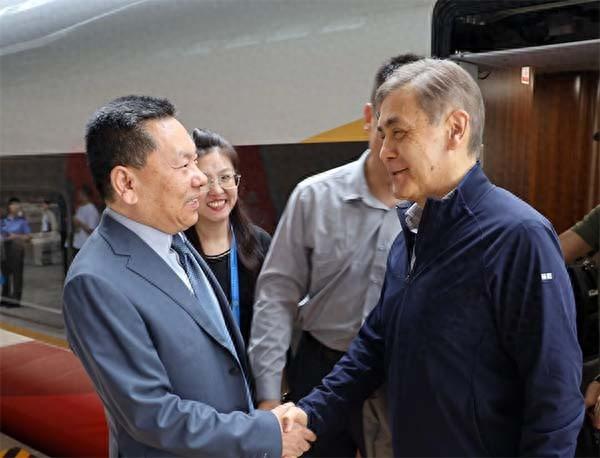
Group 1 - The Shanghai Cooperation Organization (SCO) plays a significant role in maintaining multilateralism and has global influence and execution capabilities [1] - Iran's President Raisi will attend the SCO Tianjin Summit and the 80th anniversary of the victory in the Chinese People's War of Resistance Against Japanese Aggression, aiming to deepen bilateral relations with China [1] - The SCO addresses the interests of global South countries and acts against unilateralism, particularly in response to Western countries' coercive measures against developing nations [1] Group 2 - Iran places high importance on developing relations with China, viewing the cooperation potential as vast and promising [2] - Under the leadership of both countries, Iran and China are continuously advancing and deepening bilateral relations, with increasing mutual understanding and trust [2] - Various cooperation agreements have been signed in trade, economy, energy, agriculture, and tourism, with the comprehensive cooperation plan between Iran and China currently being implemented [2]
上合组织对维护多边主义意义重大——访伊朗外交部发言人巴加埃
Xin Hua She· 2025-08-31 08:10
Group 1 - The spokesperson of the Iranian Foreign Ministry emphasized that the Shanghai Cooperation Organization (SCO) plays a significant role in maintaining multilateralism and has global influence and execution power [1] - Iranian President Pezeshkian is set to attend the SCO Tianjin Summit and the commemoration of the 80th anniversary of the victory in the Chinese People's War of Resistance Against Japanese Aggression and the World Anti-Fascist War, aiming to deepen bilateral relations with China [1] - The Iranian official highlighted the importance of the SCO in addressing common challenges such as unilateralism and the threats posed by Western countries to developing nations, asserting that the organization actively supports international law and the interests of developing countries [1] Group 2 - Iran places high importance on developing relations with China, viewing the cooperation potential as immense and optimistic about the future [2] - Under the leadership of both countries, Iran and China are continuously advancing and deepening bilateral relations, with increasing mutual understanding and trust [2] - Various cooperation agreements have been signed in multiple sectors including trade, energy, agriculture, and tourism, with the comprehensive cooperation plan between Iran and China currently being implemented [2]
习近平会见印度总理莫迪
证券时报· 2025-08-31 08:06
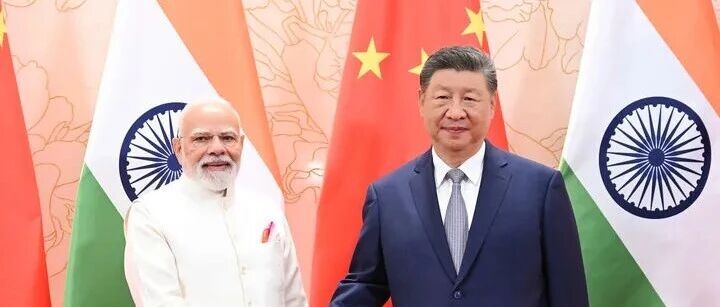
Core Viewpoint - The meeting between Chinese President Xi Jinping and Indian Prime Minister Narendra Modi emphasizes the importance of strengthening Sino-Indian relations, focusing on cooperation, mutual benefits, and maintaining peace along the border [2][3][5]. Group 1: Strategic Communication and Cooperation - Both leaders highlighted the need for strategic communication to deepen mutual trust, emphasizing that they are partners rather than rivals, which is crucial for the stability of Sino-Indian relations [3]. - The focus should be on expanding cooperation and achieving mutual benefits, as both countries are at critical stages of development [3][5]. Group 2: Peaceful Coexistence and Border Issues - The leaders reiterated the importance of adhering to the principles of peaceful coexistence and maintaining peace in border areas, suggesting that border issues should not define the overall relationship [3][5]. - Modi expressed India's willingness to seek a fair and acceptable solution to border issues, indicating a commitment to strategic autonomy and independent diplomacy [5]. Group 3: Multilateral Cooperation - Both countries aim to enhance multilateral cooperation to uphold common interests and contribute to global peace and prosperity, advocating for multilateralism in international affairs [3][5].
上合组织天津峰会丨习近平会见印度总理莫迪
Xin Hua Wang· 2025-08-31 07:43
Group 1 - The core viewpoint emphasizes the importance of China-India relations, highlighting their roles as major civilizations and populous nations with responsibilities for mutual benefit and global progress [1][2]. - The meeting aims to enhance strategic communication and mutual trust, focusing on cooperation rather than competition, which is essential for the stability and development of bilateral relations [2][3]. - Both countries are encouraged to expand cooperation and support each other's development, recognizing the significance of mutual interests in the context of their current growth phases [2][3]. Group 2 - The leaders reaffirmed the need to respect each other's concerns and maintain peaceful coexistence, advocating for the principles of peaceful coexistence established by previous leaders [2]. - There is a call for strengthened multilateral collaboration to uphold common interests and promote international justice, contributing to global peace and prosperity [2][3]. - Modi expressed optimism about the future of China-India relations, emphasizing the importance of cooperation amidst global economic uncertainties and the potential for a shared approach to border issues [3].