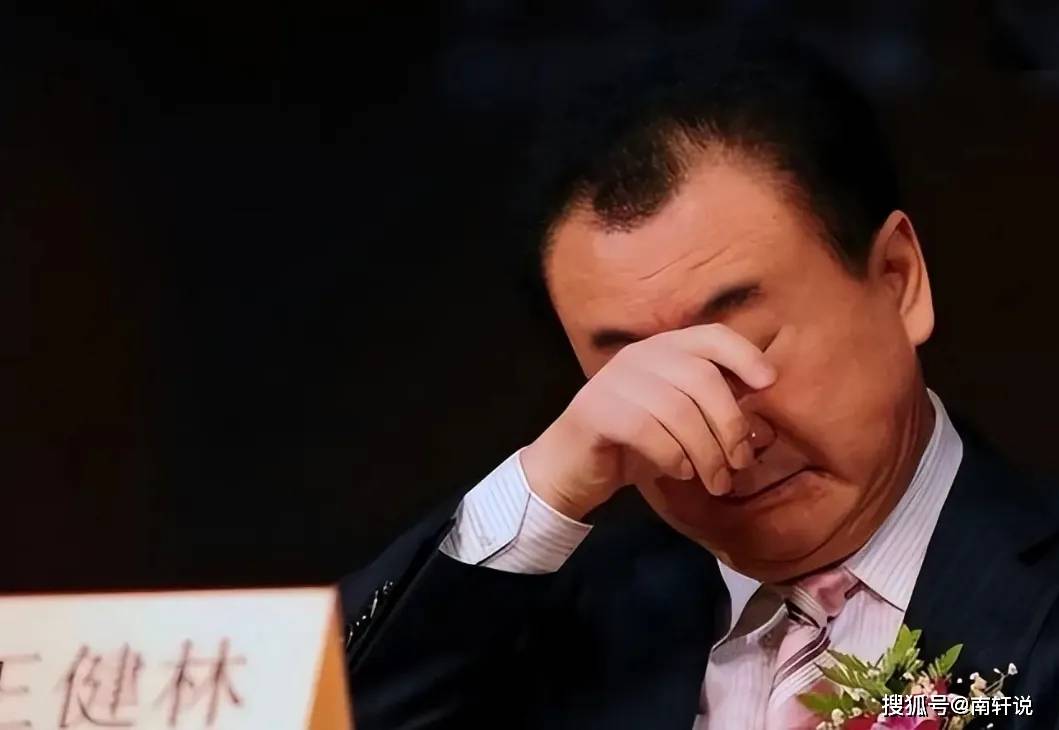
对赌协议

Search documents
11份对赌协议下的IPO 富泰和能顺利闯关北交所吗?
Xi Niu Cai Jing· 2025-06-09 07:54
Core Viewpoint - Shenzhen Futaihe Precision Manufacturing Co., Ltd. has completed its first round of inquiry responses regarding its IPO application, raising concerns about its ability to meet the necessary requirements due to the disclosure of 11 betting agreements [2] Group 1: Company Overview - Futaihe was established in 2005 and specializes in the R&D, production, and sales of automotive engine parts, chassis parts, new energy vehicle electric drive components, and home appliance accessories [6] - The company initiated its listing plan after being listed on the New Third Board in 2015, with its IPO application being accepted by the Beijing Stock Exchange on January 20, 2025 [6] Group 2: Financial Obligations and Risks - Futaihe has signed 11 betting agreements with investors, committing to an IPO timeline that has been postponed from the end of 2019 to the end of 2025 due to previous performance declines [6] - The company faces a significant short-term debt pressure, with cash reserves of only 85 million yuan and total short-term debts amounting to 313 million yuan, resulting in a shortfall of 228 million yuan [7] - The company's actual controller is under financial strain, with 14 million yuan in outstanding loans, which could be exacerbated by the obligation to repurchase shares if the IPO fails [7] Group 3: Market Position and Future Outlook - The company has experienced a decline in performance growth and instability in its financial personnel, leading to internal control issues, which raises questions about its ability to successfully navigate the IPO process by the deadline [7] - The recent signing of termination agreements by some investors indicates potential shifts in the company's equity structure, which could have significant implications for its future [6]

*ST太和: 上海太和水科技发展股份有限公司关于股东部分股份被司法冻结的进展公告
Zheng Quan Zhi Xing· 2025-06-05 13:14
Core Viewpoint - The announcement details the judicial freezing of shares held by shareholder He Wenhui, which has implications for the company's governance and financial obligations [1][3][4] Group 1: Shareholder Information - He Wenhui holds 11,963,918 shares, representing 10.56% of the company's total shares, with 4,721,218 shares, or 4.17%, currently frozen [1] - The freezing of shares is a result of a lawsuit initiated by Huachong Fund against He Wenhui regarding a performance compensation agreement [1][2] Group 2: Legal Proceedings - The Shanghai Jing'an District Court ruled that the performance compensation agreement's valuation adjustment and compensation method are part of a "betting agreement" and deemed it invalid due to public order considerations [3][4] - The court's first-instance judgment was appealed by Huachong Fund, leading to a second-instance ruling by the Shanghai Financial Court, which upheld the validity of the performance compensation agreement [3][4] Group 3: Financial Implications - The Shanghai Financial Court ordered He Wenhui to pay Huachong Fund a cash compensation of 65,864,800 yuan and a penalty of 12,894,312 yuan, along with additional daily penalties until full payment [4] - The company has applied for a retrial regarding the freezing of shares, which has not significantly impacted its operations or governance [4]

当王健林,失去「五百个小目标」
Sou Hu Cai Jing· 2025-06-04 09:00
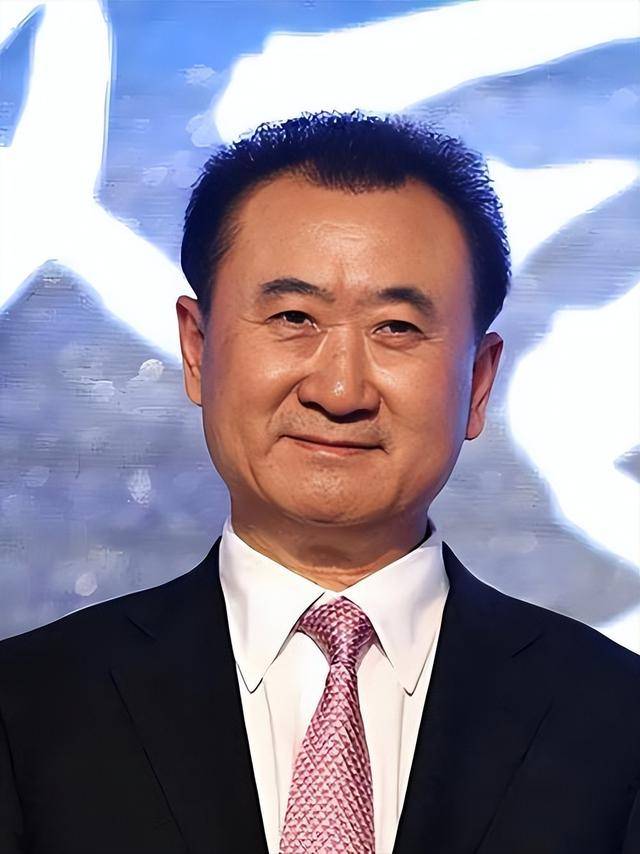
声明|题图来源于网络。惊蛰研究所原创文章,如需转载请留言申请开白。 端午节前,国家市场监督管理总局的一则公示引爆网络——万达集团以近500亿元的价格将48座万达广场打包出售。太盟投资集团(PAG)联合腾讯、京 东、阳光人寿等机构设立的合营企业,拟收购大连万达商管旗下48家公司的全部股权。 如此大规模出售核心资产的背后,是王健林身上日益增大的债务压力。 早在5月初,王健林所持大连万达商业管理集团股份有限公司,已有约3亿股权冻结。加上此前被冻结的大连万达集团、大连合兴投资、万达体育等公司股 权,这位前首富被冻结股权数额已累计达到4.9亿元。 仔细观察会发现,不论接盘万达抑或申请冻结万达股权的,都是王健林的"老熟人"。不同的是,有人慷慨解囊,有人冷面追债。世故的冷暖混杂着生意场 上的考量,正在这位三度"中国首富"得主的朋友圈里,上演着悲喜交加的故事。 老王发愁,"老友"出手 作者|吴嗯 危急之时,马化腾前来雪中送炭。2018年,腾讯控股作为主发起方,联合另外三家企业投资约340亿元人民币,为万达之前的对赌协议"买单"。 2021年,A股上市未果之后,万达又以珠海万达商管为主体,与22家投资者签订了股份转让协议,协议 ...
手回集团较招股价跌近三成
Nan Fang Du Shi Bao· 2025-06-03 23:11
Group 1 - The core point of the article is that Shenzhen Shouhui Technology Group Co., Ltd. has successfully passed the listing hearing on the Hong Kong Stock Exchange after multiple attempts, but faces significant challenges ahead, including financial losses and market competition [2][9]. - The company issued 24.36 million new shares at a price of HKD 8.08 per share, raising a total of HKD 197 million, but the stock price fell significantly on its debut, closing at HKD 6.61, a drop of 18.19% [2][3]. - The company has experienced substantial financial volatility, with revenues of HKD 8.06 billion in 2022, HKD 16.34 billion in 2023 (a 102.7% increase), and a drop to HKD 13.87 billion in 2024 (a 15.1% decrease) [5][6]. Group 2 - The company has accumulated losses of HKD 4.92 billion over the years 2023 and 2024, with net losses of HKD 3.56 billion in 2023 and HKD 1.36 billion in 2024 [5][6]. - The revenue structure is heavily reliant on insurance transaction commissions, with over 99% of income derived from this source, indicating a vulnerability in its business model [6][7]. - Approximately 60% of the funds raised from the IPO are intended for optimizing the sales network and research and development, highlighting the company's focus on improving operational efficiency [7][8]. Group 3 - The company has faced internal governance issues, including a notable incident in 2020 involving a power struggle among founders, which raises concerns about management stability [8][9]. - The company operates under significant pressure from investor agreements that could lead to substantial financial liabilities if it fails to meet certain milestones [7][8]. - The competitive landscape is challenging, with major players like Ant Group and Tencent exerting pressure on smaller platforms, necessitating strategic adaptations for future growth [9].

比恒大更惨?王健林3年还债6000亿,如今再卖48座万达广场
Sou Hu Cai Jing· 2025-06-03 13:26
Core Viewpoint - Wang Jianlin, once a prominent figure in the real estate industry, is now facing significant financial difficulties, leading to the repeated sale of Wanda Plaza assets to manage debt obligations [1][3][12]. Group 1: Background and Initial Success - Wang Jianlin built his fortune through real estate, with Wanda Plaza thriving until 2017, generating substantial income from shopping malls and cinemas [3][5]. - In 2014, Wanda went public, marking a peak in Wang's success, but he later decided to delist the company, believing its value was underestimated [3][5]. Group 2: Challenges and Debt Accumulation - Following the delisting, Wang faced a drastically changed market environment, with strict regulations on real estate investments, making it difficult for Wanda to relist [5][7]. - Wang's failure to relist by 2018, as per a betting agreement with investors, led to escalating debts, which have now reached 600 billion yuan [9][10]. Group 3: Asset Sales and Financial Strategy - To alleviate financial pressure, Wang has sold numerous assets, including over 70 hotels and 13 cultural tourism projects in 2017, and recently, 48 Wanda Plazas [10][12][18]. - The recent sales have been to familiar investors, including Taikang, which previously invested 78 billion yuan in Wanda [12][15]. Group 4: Ongoing Financial Struggles - Despite asset sales, Wanda continues to face significant financial challenges, with a large portion of revenue dependent on rental income from physical stores, which have been adversely affected by the rise of e-commerce [20][22]. - The ongoing sales of Wanda Plaza indicate a persistent struggle to manage debt, with speculation about the company's future viability [20][22].
万达广场,王健林的套现中心
Sou Hu Cai Jing· 2025-05-30 05:36
Core Viewpoint - The recent sale of 48 Wanda Plaza locations by Wang Jianlin has sparked significant public discussion, with the transaction valued at approximately 50 billion yuan, indicating a drastic reduction in asset value compared to previous peaks [2][4][6]. Group 1: Transaction Details - The sale involves 48 Wanda Plaza projects located in various cities including Guangzhou, Chengdu, Hangzhou, Nanjing, and Wuhan, with the total transaction scale estimated at 50 billion yuan, averaging 10 billion yuan per plaza [4][6]. - This transaction marks the largest divestment by Wang Jianlin in the past two years, following the sale of over 40 Wanda Plazas during this period [6][8]. - The selling price of some projects has decreased by 40% compared to their peak values, making them attractive for investment institutions looking to acquire undervalued assets [8][9]. Group 2: Financial Context - As of the first three quarters of 2024, Wanda Commercial Management reported a net profit of 9.779 billion yuan, reflecting an 11.55% decline year-over-year [8]. - The total liabilities of Wanda Commercial Management reached 137.561 billion yuan, with cash on hand only at 11.577 billion yuan, indicating a severe liquidity crisis [13]. - Wang Jianlin's debt obligations, stemming from previous agreements with investors, amount to nearly 80 billion yuan, exacerbating the financial strain on the company [11][13]. Group 3: Strategic Implications - The sale of Wanda Plazas is seen as a necessary move to address the company's debt crisis, as Wang Jianlin has previously stated that Wanda Plaza is a core asset and a significant source of cash flow [6][11]. - The shift towards a lighter asset model raises concerns about the long-term profitability of Wanda Commercial Management, as management fees typically yield lower margins compared to owned properties [16]. - Despite the challenges, the remaining assets, including over 300 Wanda Plazas, still hold potential value, and the brand's recognition remains a significant asset for future recovery [17][22].
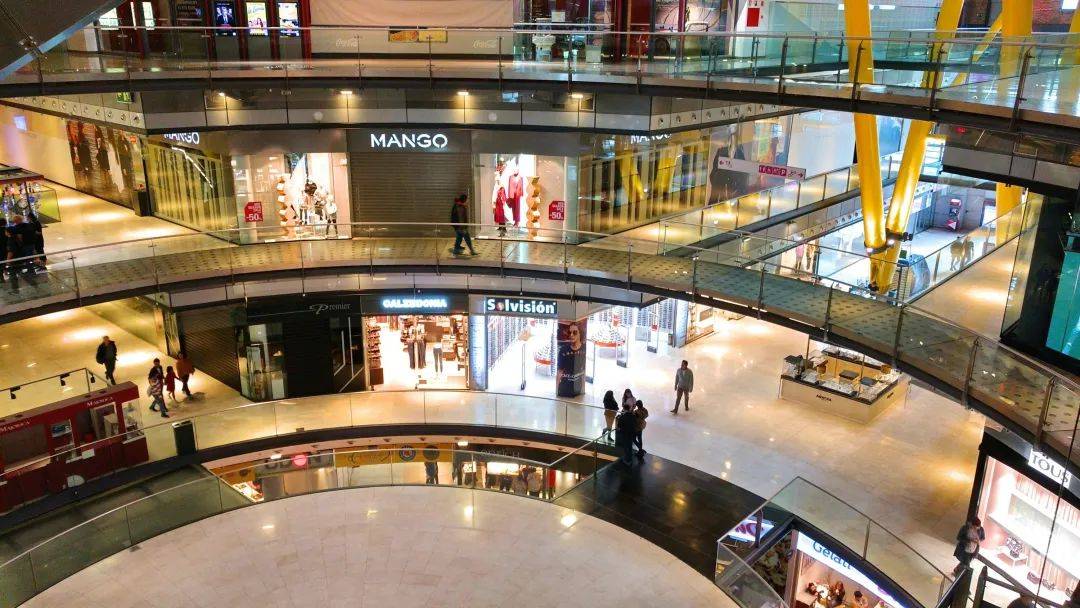
被书面警示5个月后又赴港IPO,飞速创新内控“毛病”是否“痊愈”?
Di Yi Cai Jing· 2025-05-29 10:19
Core Viewpoint - Shenzhen Feisuo Innovation Technology Co., Ltd. (Feisuo Innovation) has submitted an IPO application to the Hong Kong Stock Exchange after facing regulatory penalties in the Shenzhen market, raising questions about its internal control issues and the necessity of going public [1][4]. Group 1: IPO Application and Background - Feisuo Innovation initially planned to list on the Shenzhen Stock Exchange but withdrew its application in early 2023 after receiving a penalty for internal control deficiencies [1][4]. - The company has now submitted its IPO application to the Hong Kong Stock Exchange, with CICC, CITIC Securities International, and China Merchants Securities International as joint sponsors [2]. - Feisuo Innovation is recognized as the second-largest online DTC network solutions provider globally, based on projected 2024 revenue [2]. Group 2: Internal Control Issues - The Shenzhen Stock Exchange raised multiple concerns during its review, particularly regarding the company's sales and information system verification, highlighting discrepancies in customer data and sales figures [3]. - Specific issues included multiple customers linked to the same shipping address and inconsistencies between order IP addresses and customer locations, with these anomalies representing over 10% of total sales in certain years [3]. - Following a second round of inquiries, the exchange demanded further clarification on data management and internal controls, emphasizing the need for accurate and complete data records [3]. Group 3: Financial Performance - Feisuo Innovation reported revenues of 1.988 billion RMB, 2.213 billion RMB, and 2.612 billion RMB for the years 2022 to 2024, reflecting a compound annual growth rate of 14.6% [8]. - Net profits for the same period were 365 million RMB, 457 million RMB, and 397 million RMB, with a noted decline in net profit for 2024 [8]. - The company generates nearly all its revenue from overseas markets, with approximately 46% of sales coming from the United States during the reporting period [8][9]. Group 4: Risks and Challenges - Feisuo Innovation's reliance on international markets makes it vulnerable to geopolitical tensions, particularly between the U.S. and China, which could adversely affect its business operations and financial performance [9]. - The company has entered into several financing rounds and signed agreements with investors that include buyback clauses if the IPO does not proceed as planned [6].
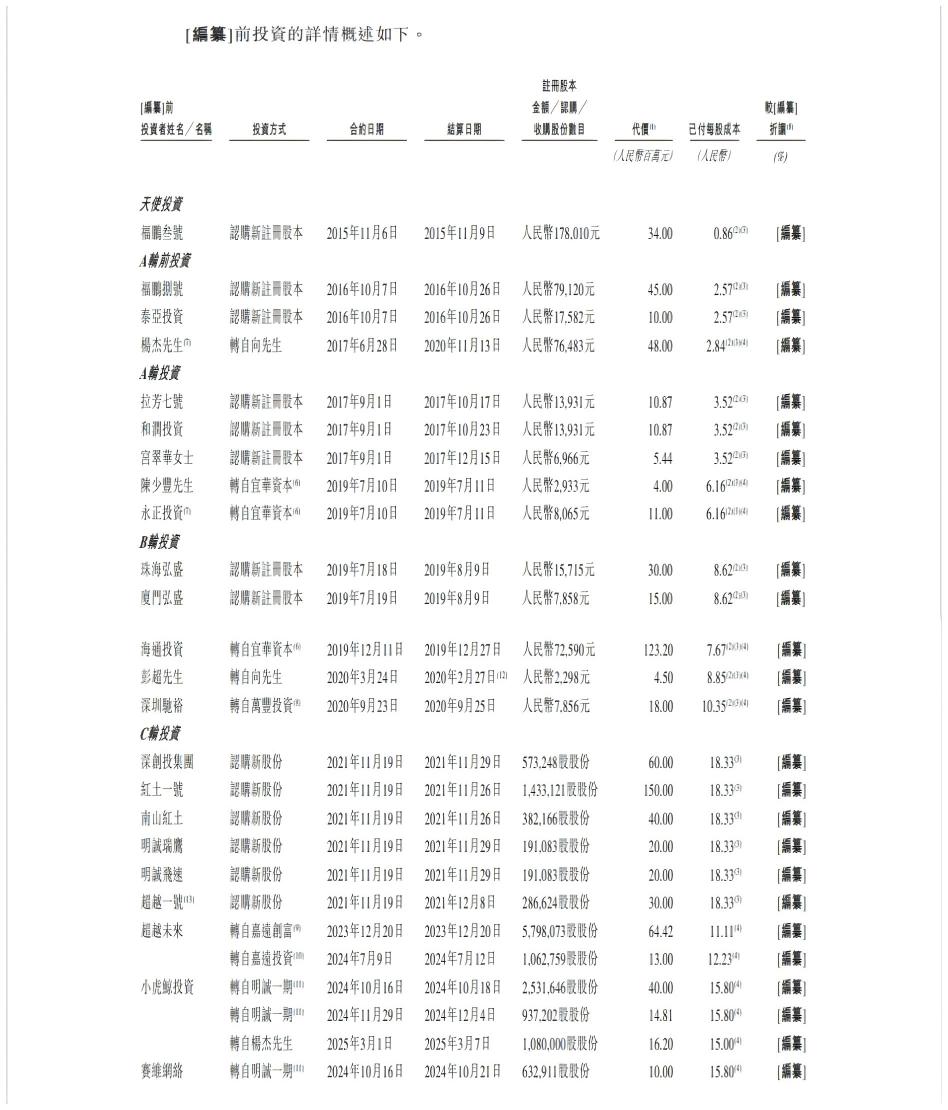
王健林,大消息!再卖48座万达广场,腾讯、阳光人寿等“熟人团”接盘
Sou Hu Cai Jing· 2025-05-29 07:07
Core Viewpoint - The article discusses the significant asset sale of 48 Wanda Plaza locations by Wanda Group, driven by the company's urgent need to address a short-term debt of 40 billion yuan, marking the fifth major asset disposal since 2025 [3][4]. Group 1: Asset Sale and Financial Context - Wanda Group is selling 48 of its properties, including locations in major cities like Beijing, Guangzhou, and Hangzhou, to a consortium of investors including Taiping Investment, Tencent, and Sunshine Life [3]. - The company faces a mounting debt crisis, with liabilities reaching nearly 40 billion yuan, exacerbated by failed IPO attempts and a significant drop in market valuation from 600 billion yuan to under 100 billion yuan [4][5]. - The asset sale is part of a broader strategy to transition to a light-asset model, allowing Wanda to retain operational rights while offloading heavy asset burdens, which has already generated over 20 billion yuan in cash flow [7]. Group 2: Debt and Market Challenges - As of Q3 2024, Wanda's cash reserves stand at only 14 billion yuan, creating a substantial liquidity gap against its 40 billion yuan short-term debt, leading to a spike in bond interest rates to 15% [9]. - The company is facing a crisis of confidence in the market, with high turnover rates among tenants and a pressing need to improve operational efficiency by 20% across its properties to compensate for reduced management fee income [9]. Group 3: Leadership and Strategic Direction - Wang Jianlin, the 70-year-old founder of Wanda, has demonstrated a strong resolve to avoid bankruptcy, emphasizing a commitment to not default on debts or lay off employees, even pledging personal assets as collateral [9]. - The article highlights a shift in the commercial real estate sector towards refined operations and a departure from high-leverage models, reflecting broader industry trends [9][10]. - Wanda's transformation strategy includes reimagining its properties as "urban micro-resort complexes," aligning with new regulatory frameworks that support light-asset models and commercial consumption upgrades [10].
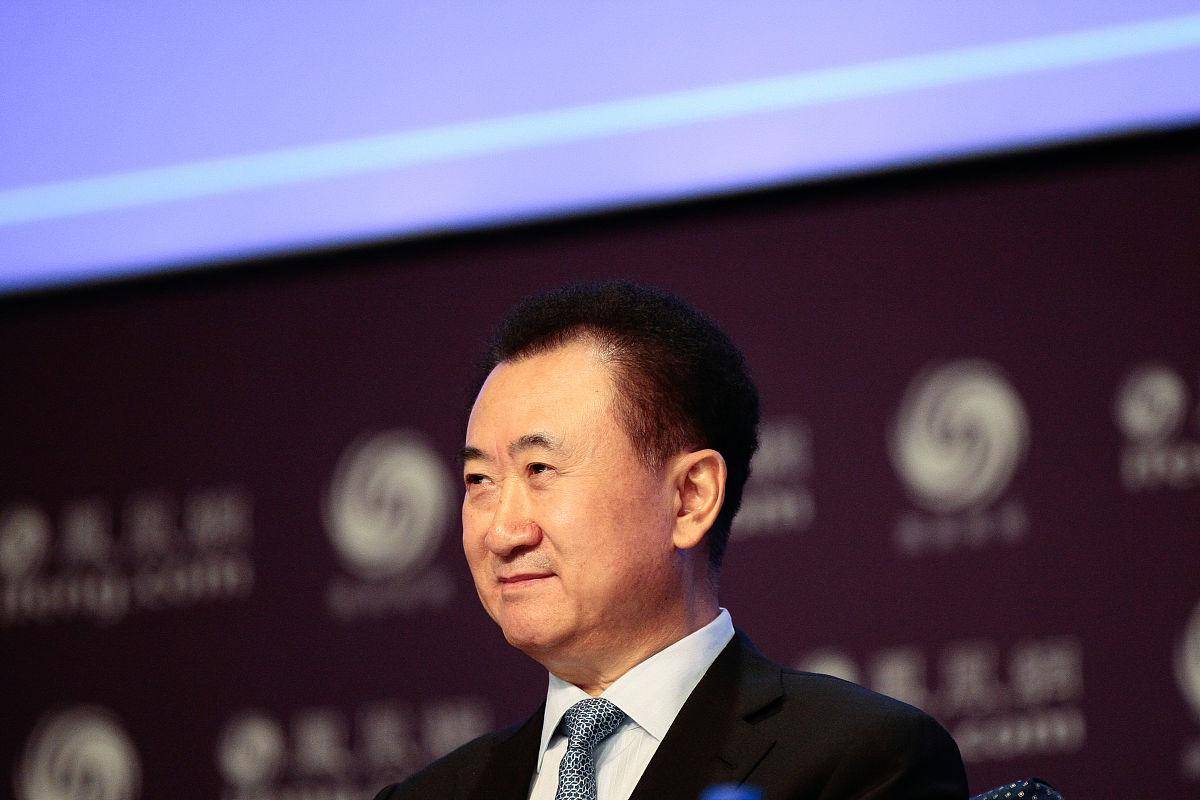
“1亿元”还是王健林的小目标吗?
Sou Hu Cai Jing· 2025-05-28 02:38
Group 1 - The core point of the news is the establishment of a joint venture by several companies, including Tencent and JD, to acquire 100% equity of 48 target companies held by Dalian Wanda, amidst financial difficulties faced by Wang Jianlin [1] - Wang Jianlin's frozen equity amounts to approximately 490 million, with over 40 associated enterprises, of which 10 are operational while the rest are in various states of deregistration or suspension [1] - The article reflects on Wang Jianlin's past struggles, particularly in 2017 when he faced a severe financial crisis, leading to asset sales to avoid collapse, and questions whether he can recover again [3][5] Group 2 - The narrative discusses Wang Jianlin's ambitious expansion plans post-crisis, including attempts to list Wanda Commercial Management, which ultimately failed, leading to renewed financial strain [3][7] - It highlights the irony of Wang Jianlin's previous motivational statements about setting a "1 billion yuan small goal" for entrepreneurs, contrasting it with his current financial predicament [5] - The article suggests that Wang Jianlin's current situation is a result of his own decisions and ambitions, indicating a lack of self-control and an overestimation of his capabilities [7][9]
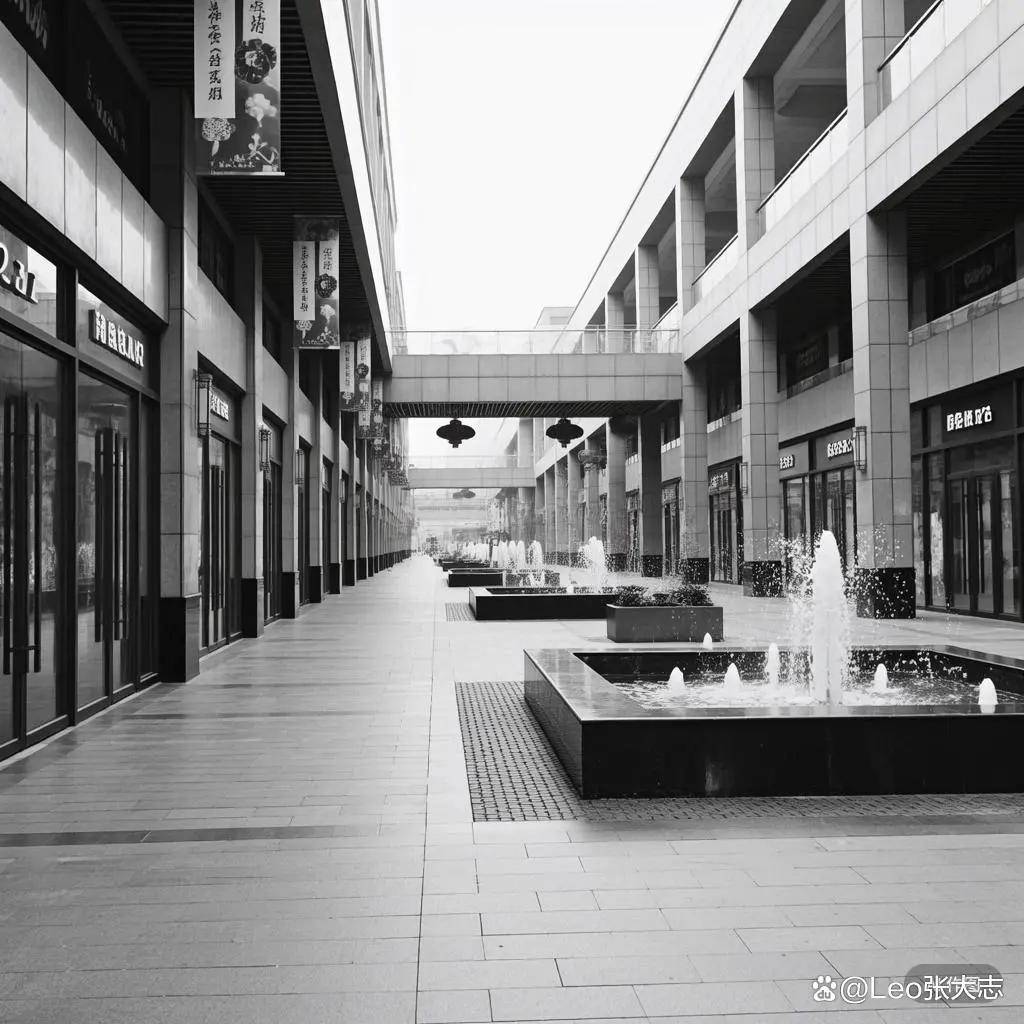
深度视角 | 从首富到“卖楼狂人”:王健林再卖48座万达广场的背后
Sou Hu Cai Jing· 2025-05-27 13:13
Core Viewpoint - Wang Jianlin's sale of 48 Wanda Plazas for approximately 50 billion yuan is a response to the company's debt crisis and a critical step in its long-term asset-light strategy [1][10][17] Group 1: Debt Crisis and Financial Maneuvering - The debt crisis for Wanda began with a "listing gamble" agreement signed in 2016, which required high-interest buybacks if the company failed to go public [3][4] - After four failed attempts to list on the Hong Kong stock exchange, Wanda faced a 38 billion yuan buyback obligation, severely draining its cash flow [4][5] - By May 2025, Wang Jianlin's equity worth 490 million yuan was frozen, and Wanda's total liabilities exceeded 600 billion yuan, with a significant portion of short-term debt due [5][16] Group 2: Strategic Asset Sales and Market Dynamics - The sale of Wanda's assets is seen as a "bloodletting" to manage debt, with the company transitioning to a light-asset model that focuses on brand management and rental income [10][11] - Major investors like Tencent and JD.com are acquiring assets at a 40% discount, securing guaranteed rental yields of 5%-6% [6][9] - The shift to a light-asset strategy has resulted in a decline in owned properties from 513 to approximately 300, impacting brand control and rental income [14][17] Group 3: Future Outlook and Industry Implications - The case of Wanda reflects a broader trend in the Chinese commercial real estate sector, moving from "scale worship" to a focus on survival and operational efficiency [11][17] - The reliance on high-risk financing tools and the pressure from debt obligations may lead to further asset sales, raising concerns about the long-term viability of the brand [12][18] - The ongoing challenges in the commercial real estate market, including declining rental yields and increased competition from e-commerce, suggest a need for strategic restructuring [14][18]