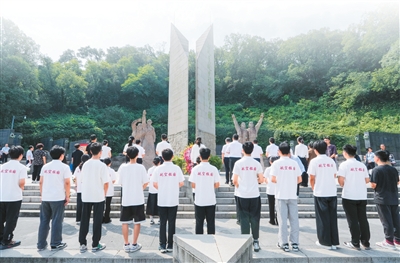
铭记历史

Search documents
纪念抗战胜利80周年名家名作展在港举办
Xin Hua She· 2025-08-06 09:20
新华社香港8月6日电(奚天麒)"铭记历史 珍爱和平——纪念中国人民抗日战争暨世界反法西斯战 争胜利80周年名家名作展"6日在香港会议展览中心举办,展期至8月10日。 本次展览的主要作品包括著名雕塑家吴为山创作的侵华日军南京大屠杀遇难同胞纪念馆组雕、著名 画家张仃创作的抗战组画、著名版画家梁永泰创作的《战斗中的铁骑》等。 除此之外,香港艺术家的创作相当引人注目,沈平的《抗日英烈刘春祥》《夜袭》,王秋童的《英 雄花开遍地红》,张龙新的《英容》香港抗战人物组画等作品,聚焦东江纵队港九大队保家卫国的壮烈 史诗,生动诠释了香港与祖国休戚与共的历史篇章。 本次展览由紫荆文化集团主办,紫荆杂志社与中国对外文化集团联合承办,得到香港特区政府文化 体育及旅游局、中央政府驻港联络办宣传文体部等机构支持。 展览汇聚了超过200件艺术珍品,通过"铭记历史""缅怀先烈""春回大地""江山永固""开天辟地""珍 爱和平"六大主题单元,全景式展现了中华民族从危亡中奋起、于和平中永续的壮阔征程。 紫荆文化集团董事长许正中在开幕典礼致辞表示,此次展览,既是对全民族抗战历史的集体回望, 也是对香港独特贡献的深情致敬——我们希望通过笔墨丹青,让这 ...
电影731定档9月18日意味着什么?这个形势你看懂了吗?
Hu Xiu· 2025-08-05 14:04
电影《731》定档9月18日,选在"九一八事变"纪念日,拒绝遗忘侵华战争的黑暗历史。日军六大细菌部 队在中国犯下的罪行罄竹难书,活体解剖、细菌实验、芥子气武器遗害至今。历史真相长期被掩盖,连 一部揭露731部队的电影上映都一波三折,海外势力极力抵制。铭记历史不是为了仇恨,而是为了让废 墟上生出和平之花。 ...
战火记忆丨铁心向党 百折不挠
Zhong Yang Ji Wei Guo Jia Jian Wei Wang Zhan· 2025-08-03 23:49
Group 1 - The article highlights the importance of remembering and honoring the experiences of veterans who participated in significant historical conflicts, particularly focusing on the personal stories of those who fought in the Anti-Japanese War and the Korean War [1] - It emphasizes the emotional and physical hardships faced by soldiers during wartime, including the loss of family members and the struggle for survival in dire conditions [2][5] - The narrative showcases the bravery and determination of young soldiers who joined the fight against oppression, illustrating their commitment to their country and the sacrifices made [2][4] Group 2 - The article recounts specific battles and experiences, such as the successful transmission of critical information under enemy fire during the Battle of Yangshan, which prevented friendly fire [3][4] - It describes the extreme conditions faced during the Korean War, including the psychological and physical toll of prolonged combat and the necessity of resilience in the face of adversity [5][6] - The importance of education and self-improvement is highlighted, as veterans reflect on their experiences and encourage future generations to value knowledge and perseverance [6]
“铭记历史、面向未来”——纪念抗战胜利80周年主题交流会在日本名古屋举行
Xin Hua She· 2025-08-03 15:38
Core Viewpoint - The event commemorates the 80th anniversary of the victory in the Chinese People's Anti-Japanese War and the World Anti-Fascist War, emphasizing the importance of remembering history to foster peace and improve Sino-Japanese relations [1][2] Group 1: Event Overview - The "Remembering History, Facing the Future" Sino-Japanese Peace and Friendship Exchange Conference was held in Nagoya, Japan, attended by over 140 representatives from political, academic, and civil sectors [1] - Chinese officials expressed a commitment to combat any distortion or denial of historical facts regarding wartime aggression [1] Group 2: Contributions and Statements - Chinese Consul General Yang Xian highlighted China's significant contributions to the victory in the World Anti-Fascist War and called for collaboration to create a better future for Sino-Japanese relations [1] - Japanese House of Representatives member Matsuda Isao emphasized the importance of remembering history to maintain peace and advance Sino-Japanese relations [1] Group 3: Historical Evidence - Daito Jin, the abbot of Enkoji Temple in Aichi Prefecture, presented a batch of historical materials related to the Japanese military's invasion of China, underscoring the importance of historical evidence in promoting peace [2]
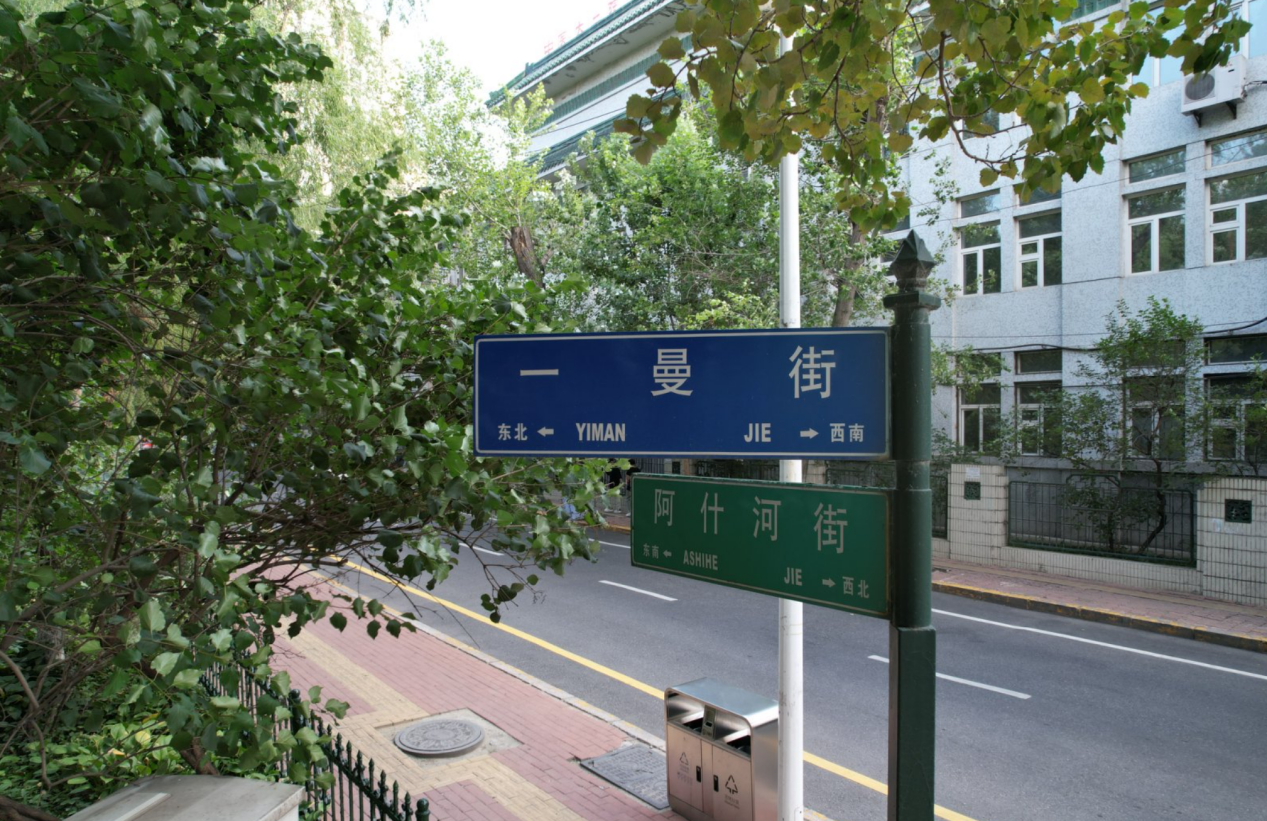
AI中国范儿丨“哈尔滨有一条一曼街”
Yang Guang Wang· 2025-08-02 06:03
Core Points - The street named "Yiman Street" in Harbin was established in 1915 and renamed in 1946 to honor the anti-Japanese hero Zhao Yiman [1][3] - Zhao Yiman had a significant connection to Yiman Street, spending her last days in the area, which includes various historical sites [1][5] - In 1932, Zhao Yiman was sent to the Northeast front to lead labor movements, notably organizing a successful strike at the electric car factory [3][5] - Zhao Yiman was captured in 1935 and faced severe torture but remained unyielding until her execution in 1936 [5][7] - A memorial square and statue were erected in her honor in the 1990s, emphasizing the importance of remembering historical sacrifices [7][8]

通讯|回望历史 携手前行——纪念抗战胜利80周年图片展在明斯克举办
Xin Hua She· 2025-08-01 14:58
Core Points - The exhibition titled "Fighting Side by Side, Moving Forward Together" commemorates the 80th anniversary of the victory in the Chinese People's War of Resistance Against Japanese Aggression and the World Anti-Fascist War, held in Minsk, Belarus [1][2] - The event gathered hundreds of guests and showcased 34 historically significant photographs that depict the struggles of the Chinese people against Japanese invaders and the support from the Soviet Air Volunteer Corps [1][2] - Belarusian officials emphasized the importance of remembering history to foster mutual respect and understanding between China and Belarus, highlighting the shared experiences of suffering during wartime [1][2][4] Summary by Sections Exhibition Overview - The exhibition is organized by Xinhua News Agency and China Photo Press, supported by the Chinese Embassy in Belarus, and aims to reflect on the historical ties between China and Belarus during wartime [1] - The photographs serve as a testament to the sacrifices made by the Chinese people and the solidarity between the two nations [1][3] Guest Reactions - Belarusian Deputy Foreign Minister Lukashevich praised the exhibition for its rich content and historical accuracy, stating it evokes deep resonance among the Belarusian people [1] - Alina Grishkevich, Vice Chair of the Belarus-China Friendship Association, expressed emotional connections to the displayed images, relating them to her own family's wartime experiences [1][2] Historical Significance - Analysts and officials noted that the exhibition reinforces the historical bond between Belarus and China, with references to shared values and a commitment to preserving historical memory [2][3] - The event is seen as a platform for younger generations to learn about the past and appreciate the friendship between the two countries [2][3]
英雄之城圣彼得堡(旅人心语)
Ren Min Ri Bao· 2025-07-31 22:22
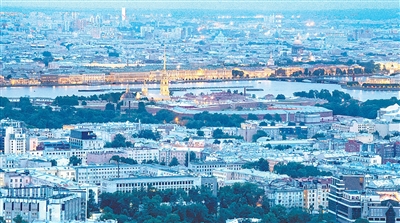
1941年9月8日,纳粹德国封锁列宁格勒,对这座城市展开全面围攻。遭受残酷攻袭和饥荒威胁的列宁格 勒军民顽强抵抗,伤亡惨重。1944年1月27日,苏联红军粉碎长达872天的封锁,全面解放列宁格勒。苏 联伟大卫国战争胜利,这座城市成为苏联首批"英雄城"之一。 如今,漫步圣彼得堡大街小巷,历史留下的印记历历在目。涅瓦大街14号的墙体上,围城时期蓝底白字 的标语"公民们,空袭时街道这侧最危险"依旧醒目;在纪念列宁格勒人民英勇无畏精神的石刻铭牌下, 鲜花常年摆放;丰坦卡河旁的纪念碑上,"被围困的列宁格勒居民从此冰窟窿处取水"的字样,记录下战 争期间民众冬季从河中取水维持生活的情形;伊萨基辅大教堂里,柱廊上纳粹德国轰炸留下的弹痕清晰 可见……点滴细节,令人追忆起这场军民共同铸就的伟大胜利。 行至涅瓦大街与小萨多瓦娅街交叉处楼宇,墙上悬挂的老旧扩音器处,不少游人驻足拍照。"这是'围困 扩音器'。围城时期全市各处安装约1500个,向民众播放警报和战事信息。"圣彼得堡国立大学历史学院 学生伊万诺夫正实地调研卫国战争课题,顺便为游人讲解,"那场战争虽已远去,扩音器仿佛仍在呼 喊,勿忘历史的教训。" 为纪念列宁格勒保卫战胜利、更 ...
文化新观察·聚焦暑期档|主创谈电影《南京照相馆》:守护不能忘却的历史真相
Xin Hua Wang· 2025-07-30 20:31
Core Viewpoint - The film "Nanjing Photo Studio," based on real historical evidence from the Nanjing Massacre, has sparked significant interest, grossing over 600 million yuan within five days of release, leading the daily box office charts [2] Group 1: Film Narrative and Themes - The film tells the story of ordinary citizens in Nanjing who, while seeking refuge in a photo studio, are forced to assist Japanese soldiers in developing photographs that document war crimes, ultimately planning to expose these atrocities [4] - The narrative centers around the concept of photography as a dual tool for both documentation and propaganda, highlighting the manipulation of images during wartime [4][5] - The film emphasizes the importance of discerning truth from propaganda, reflecting on the historical context while drawing parallels to contemporary issues of misinformation [5] Group 2: Character and Storytelling - The film employs a multi-character narrative to depict the awakening of ordinary people from survival to resistance against the invaders, showcasing their diverse backgrounds and experiences [7] - Characters represent various societal roles, enhancing relatability and engagement for the audience, with the protagonist embodying the spirit of resilience and courage [9] - The collective effort of these characters to preserve evidence of war crimes illustrates the theme of unity and shared struggle against oppression [9] Group 3: Historical Context and Research - The production team conducted extensive research, visiting memorials and archives to ensure historical accuracy and depth in storytelling [10] - The film references real events, such as the preservation of crucial photographic evidence that played a significant role in post-war trials against Japanese war criminals [12] - The narrative also critiques the ongoing influence of militaristic ideologies in Japan, emphasizing the need for continued awareness and education regarding historical truths [12] Group 4: Audience Reception and Impact - Viewers have expressed that the film effectively connects historical events to contemporary realities, enhancing understanding of the past and the value of peace [13] - The film's portrayal of resilience and the importance of memory resonates with audiences, prompting reflections on national identity and collective memory [13]
“对历史罪行的无知是一种罪”——日本民间团体坚守相模湖水库强征劳工真相
Xin Hua She· 2025-07-28 09:42
Core Viewpoint - The article highlights the tragic history of laborers from China, Korea, and other countries who suffered and died during the construction of the Sagami Lake Reservoir in Japan, emphasizing the importance of remembering and acknowledging this dark chapter in history [1][2][4]. Group 1: Historical Context - The Sagami Lake Reservoir, Japan's first multipurpose artificial lake, was constructed between 1940 and 1947, utilizing 3.6 million laborers, including nearly 300 Chinese individuals forcibly taken by the Japanese military [1]. - The harsh working conditions led to numerous fatalities among the laborers, with 28 documented Chinese laborers losing their lives during the construction [1]. Group 2: Memorial Activities - A memorial event was held on July 27, attended by over 350 participants, including local residents, students, and representatives from various governments, to honor the deceased laborers [1][2]. - The Sagami Lake Historical Records Association was established in 1976 to document the history of the laborers and has been conducting annual memorial activities since 1979 [2]. Group 3: Advocacy for Historical Truth - The article emphasizes the efforts of individuals like Hashimoto Toshiko, a founding member of the Historical Records Association, who advocate for the recognition of the suffering endured by the laborers [2][3]. - The memorial site includes a "Lake Monument" inscribed with the names of the deceased laborers, symbolizing the commitment to preserving this historical truth [2]. Group 4: Reflection on Historical Responsibility - The narrative stresses the importance of confronting negative historical events rather than concealing them, as articulated by Hashimoto, who reflects on the moral responsibility of acknowledging past injustices [3][4]. - The article concludes with a call to remember history as a means to foster peace and prevent the repetition of past atrocities, particularly in light of the 80th anniversary of the victory in the World Anti-Fascist War [4].
做堂堂正正、光荣自豪的中国人
Ren Min Ri Bao Hai Wai Ban· 2025-07-10 22:45
Core Viewpoint - This year marks the 80th anniversary of the victory in the Chinese People's Anti-Japanese War and the World Anti-Fascist War, with various commemorative activities held nationwide to honor the martyrs and reflect on history to safeguard peace [6][10]. Group 1: Commemorative Activities - On July 7, multiple locations across the country held events to commemorate the 88th anniversary of the outbreak of the national anti-Japanese war, paying tribute to heroes and remembering the deceased [6][10]. - A significant event took place at the Lugou Bridge, where a solemn ceremony was held, including a moment of silence and the laying of flowers to honor the anti-Japanese heroes [9]. - The "Forever Remembering Anti-Japanese Heroes" topic gained traction on social media, with nearly 17.6 million people engaging with it by July 9 [11]. Group 2: Thematic Exhibition - The "For National Liberation and World Peace" exhibition opened to the public, featuring a striking photo wall made up of 5,098 historical images that document the 14-year struggle from September 18, 1931, to September 2, 1945 [6][9]. - The exhibition spans 12,200 square meters and is divided into eight sections, showcasing precious artifacts and documents, including the earliest declaration of war against Japan and detailed accounts of martyrs like Zhao Yiman [9][10]. - The exhibition aims to provide a comprehensive review of the anti-Japanese war, using various methods to recreate significant battles and struggles, deeply impacting the audience [9]. Group 3: Public Engagement and Reflection - A video titled "One Night" produced by the People's Daily to commemorate the anniversary garnered over 151 million views in just three days, emphasizing the importance of remembering history [12][13]. - The public's emotional response to the exhibition and commemorative activities highlights a collective desire to honor the sacrifices made during the war and to instill a sense of national pride and responsibility in future generations [14].