
城乡融合发展

Search documents
“百千万”再造新广东
Xin Lang Cai Jing· 2025-12-22 03:54
Core Viewpoint - The "Hundred Counties, Thousand Towns, and Ten Thousand Villages High-Quality Development Project" has significantly transformed Guangdong's rural and urban landscape over the past three years, addressing the imbalance in regional development and enhancing economic vitality [1][2]. Group 1: Three-Year Achievements - The project has restructured the high-quality development framework of counties, towns, and villages, involving 122 counties, 1,612 towns, and 26,500 administrative villages [2]. - Modern agricultural industries have emerged as new growth drivers, with the establishment of 8 trillion-level and 17 hundred-billion-level agricultural industry clusters [3]. - The industrial output value of the Guangqing Economic Cooperation Zone reached 24.7 billion yuan in the first three quarters of this year, marking a 22.6% year-on-year increase [3]. Group 2: Rural and Urban Integration - The project has led to significant improvements in rural living environments, with innovative models like "strong village companies + rural craftsmen" enhancing local housing and creating popular tourist spots [6]. - The urbanization rate in counties increased from 44.72% to 46.48%, with a reduction in the income disparity between urban and rural residents from 2.41:1 to 2.31:1 [8]. Group 3: Implementation Mechanisms - A high-level coordination system was established, with a command center led by provincial leaders to ensure effective implementation across all levels [10]. - The project has seen the formation of specialized working groups focusing on county economy, urban construction, and rural revitalization, aiming for significant changes within five to ten years [10][11]. Group 4: Collaborative Efforts - The initiative has mobilized various sectors, including education and healthcare, to support rural development and modernize living conditions for farmers [13]. - A new cooperative support mechanism has been established, facilitating resource sharing between urban and rural areas, particularly between the Pearl River Delta and less developed regions [16]. Group 5: Future Directions - The project aims to continue driving forward with a focus on achieving significant changes in five years and fundamental transformations in ten years, aligning with the broader goals of China's modernization [18].
全力抓好明年经济工作的重点任务
Xin Lang Cai Jing· 2025-12-20 23:09
Group 1 - The core focus of the provincial economic work meeting is to identify key tasks for the upcoming year, ensuring effective implementation and tangible results [1][2] - The meeting emphasizes the importance of coordinating various economic activities while focusing on critical areas, reflecting a strong commitment to national strategies and local realities [1][2] - Eight key tasks have been outlined, which are problem-oriented and goal-oriented, aimed at enhancing both qualitative and quantitative economic growth [1][2] Group 2 - The strategy includes promoting the coordinated development of the Beijing-Tianjin-Hebei region, enhancing local growth through integration with major cities [2] - Emphasis is placed on leveraging domestic market strength and fostering a positive interaction between consumption and investment [2] - Technological innovation is highlighted as a core element for upgrading industries and developing new productive forces [2] - The need for deepening reforms and opening up to address development challenges and risks is underscored [2] - Urban-rural integration is identified as essential for modernization, with a focus on town and rural revitalization [2] - A commitment to green development is emphasized, promoting the idea that ecological health is integral to economic prosperity [2] - Ensuring and improving the well-being of the population is prioritized, enhancing public satisfaction and security [2] - The importance of maintaining systemic risk prevention as a foundation for development is stressed [2]
教育先行 在推进城乡融合发展中全面振兴乡村
Xin Lang Cai Jing· 2025-12-20 21:04
Group 1 - The core viewpoint emphasizes the importance of addressing the "three rural issues" as a priority for the party's work, aiming for urban-rural integration and setting a new direction for rural revitalization [1] - The article highlights the need to prioritize rural education development as a fundamental support for rural revitalization, which can enhance technology adoption and cultivate talent for rural construction [1] - It points out the unique agricultural conditions in China, stressing the necessity of maintaining a certain scale of labor force in agriculture to ensure food security, while also addressing the complexities of regional agricultural conditions [1] Group 2 - The article discusses the need for promoting the two-way flow of urban and rural factors, utilizing digital and green technologies to help farmers integrate into new agricultural models, thereby reducing the development gap between urban and rural areas [2] - It emphasizes the importance of enhancing rural public services in line with demographic changes, optimizing education, healthcare, and social assistance to achieve synchronization of urbanization and citizenization [2] - The focus is on attracting young talent to rural areas by fostering quality entrepreneurial projects in modern agriculture, processing, and rural tourism, while also addressing the needs of the aging population [2] Group 3 - The article underscores the significance of optimizing infrastructure construction to support urban-rural integration, with a focus on assessing construction needs in densely populated rural areas and improving infrastructure related to ecological transformation [3] - It mentions the successful development of cultural and sports integration in Jiangsu, which serves as a model for promoting urban-rural integration through innovative event organization and community engagement [3]
观山湖区委三届十一次全会举行
Xin Lang Cai Jing· 2025-12-19 20:27
经济发展提质增效是年度答卷的鲜明亮点。今年前三季度该区地区生产总值610.63亿元,同比增长 5.7%。产业结构持续优化,主攻工业成效显著,前三季度规上工业增加值同比增长27.6%,成功获批省 级经济开发区;服务业提质升级,线上社零总额预计突破300亿元,楼宇经济年税收超百亿元,演艺赛 事活动有效带动旅游总收入与接待旅客数分别增长17.04%和13.52%;数字经济布局提速,小兰山数字 文化产业生态村落项目年营收预计超过8亿元。 转自:贵州日报 本报讯 12月18日,中国共产党观山湖区第三届委员会第十一次全体会议举行,全面总结区委常委会 2025年工作成效。这一年,观山湖区在经济建设、社会发展、生态宜居等领域多点发力,交出了一份高 质量发展的亮眼答卷,为"十五五"时期发展奠定了坚实基础。 展望"十五五",观山湖区已锚定清晰发展方向,将继续围绕建设"美美观山湖"愿景,继续推进产业、宜 居、活力、幸福之城建设,全力打造生态文明建设示范区、现代服务产业试验区、现代城市活力践行 区、人工智能产业创新区,奋力在高质量发展道路上书写新的篇章。 (贵阳日报融媒体记者 蔡婕) (《观山湖区委三届十一次全会举行》由贵阳日报为您 ...
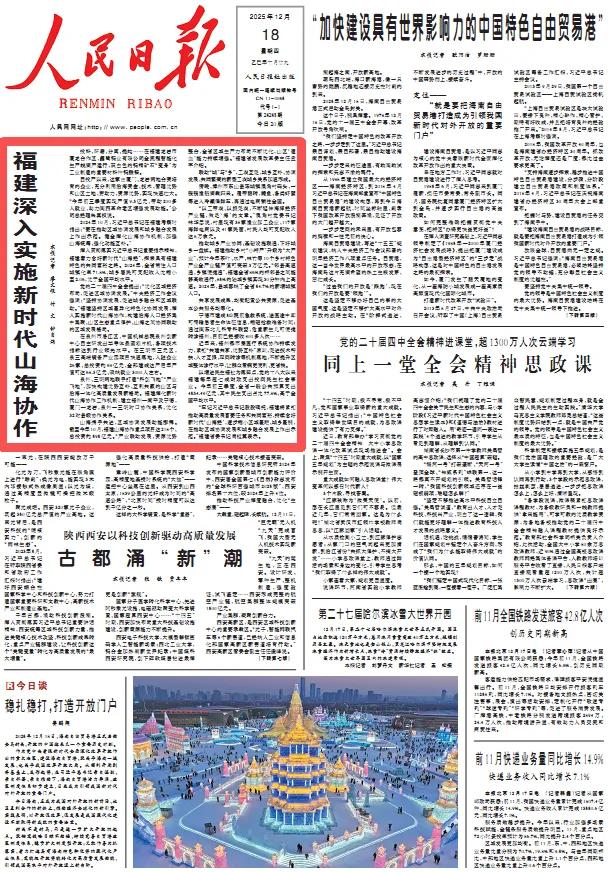
人民日报头版头条!福建深入实施新时代山海协作
Xin Lang Cai Jing· 2025-12-19 12:49
(来源:石狮市金融服务中心) 12月18日,人民日报头版头条刊发题为《福建深入实施新时代山海协作》通讯。近年来,福建深入贯彻 落实习近平总书记重要指示精神,统筹"山"与"海"、联动"城"与"乡"、促进基本公共服务均等化,着力 念好新时代"山海经",探索具有福建特色的共同富裕之路。 全文如下—— 泉州、三明两地联手打造"科创飞地""产业飞地",加快构建优势互补、互利共赢的山区与沿海一体化高 质量发展新格局。福建深化新时代山海协作工作机制,建立福州—南平及宁德,厦门—龙岩,泉州—三 明对口协作关系,优化32对县级协作关系。 山海携手共进,区域协调发展动能澎湃。截至今年10月,福建山海协作重点项目达218个、总投资约595 亿元。"产业联动发展、资源优势整合,全省区域生产力布局不断优化,山区'造血'能力持续增强。"福 建省发展改革委主任孟芊介绍。 联动"城"与"乡",工农互促、城乡互补、协调发展、共同繁荣的新型工农城乡关系加速形成。 傍晚,漳州市东山县陈城镇澳角村码头,一艘艘渔船满载归来。履带翻转,鳗鱼、各类虾蟹等进入冷藏 保鲜车,再通过电商销往全国。 福建深入实施新时代山海协作 投料、研磨、分离、提纯……在福建龙 ...

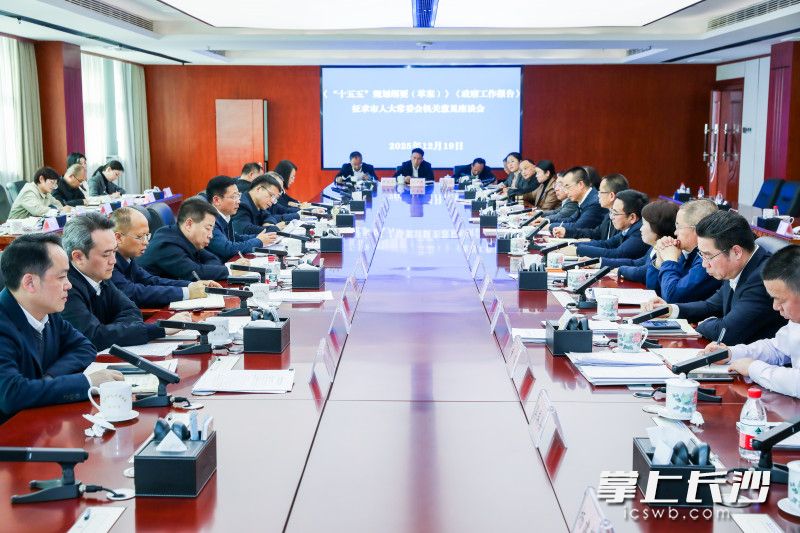
市《“十五五”规划纲要(草案)》和《政府工作报告》征求市人大常委会机关意见座谈会举行 陈博彰罗缵吉出席
Xin Lang Cai Jing· 2025-12-19 12:12
Group 1 - The meeting focused on soliciting opinions for the draft of the "14th Five-Year Plan" and the government work report, emphasizing the importance of local context and high political positioning [3][4] - Participants expressed that the draft plan and report are well-grounded and mature, laying a solid foundation for the future development of Changsha over the next five years [4][5] - The government aims to incorporate feedback from the meeting into its future work, emphasizing a comprehensive approach to development, including industry, urban management, and public welfare [3][4] Group 2 - The city government will adhere to the principles of "integration, coordination, and closure" in its work, focusing on major areas such as industry development, urban construction, and improving public services [3] - The meeting highlighted the need for detailed and quantifiable implementation of the party's directives, ensuring a clear timeline and roadmap for the city's future [4][5] - The local legislative body expressed ongoing support for the government's initiatives, aiming for collaborative efforts to enhance the quality of life in Changsha [5]
以协调发展促进城乡融合和区域联动
Xin Hua She· 2025-12-19 00:44
"千钧将一羽,轻重在平衡。""协调"是新发展理念的重要内容,区域协调发展是中国式现代化的内在要 求,是高质量发展的战略支撑。新时代以来,以习近平同志为核心的党中央在全局上谋势、在关键处落 子,不断丰富完善协调发展的理念、战略和政策体系。在习近平经济思想科学指引下,我国城乡融合、 区域协调发展扎实推进,经济发展空间格局持续向纵深拓展,逐步构建优势互补、高质量发展的区域经 济布局,积蓄推动高质量发展的强大势能。 当前,我国正坚定不移以高质量发展推进中国式现代化,但发展不平衡不充分问题仍然突出。破解发展 难题,拓展发展空间,要求纵深推进区域协调发展,让城乡之间、区域和区域之间进一步协同融通,畅 通国内大循环,进一步发挥中国特色社会主义制度优势、超大规模市场优势、完整产业体系优势、丰富 人才资源优势,进一步形成高质量发展合力。必须坚持系统思维,统筹经济社会发展全局,采取务实有 力举措进一步增强发展的协调性和平衡性,更好地稳中求进、提质增效,为高质量发展持续赋能,推动 中国式现代化行稳致远。 中央经济工作会议着眼经济社会发展全局,强调坚持协调发展,促进城乡融合和区域联动。会议聚焦推 动协调发展作出的一系列决策部署、提出 ...
刘雪梅:注重策略方法统筹“城”与“乡”
Jing Ji Ri Bao· 2025-12-19 00:14
Group 1 - The core viewpoint emphasizes the importance of coordinating urbanization and rural revitalization as a strategic measure for promoting urban-rural integration and common prosperity, reflecting the need for a new development pattern [1] - The approach respects the objective laws of urban-rural relationships, highlighting the evolution from separation to integration as production forces develop, as noted by Marx and Engels [1] - The strategy aims to facilitate the flow of resources and promote complementary functions between urban and rural areas, requiring tailored policies that leverage local advantages [1] Group 2 - The new urbanization model focuses on human-centered development, prioritizing the improvement of the overall quality of life and addressing urgent issues related to residency, education, employment, social security, and housing for agricultural migrants [2] - Rural revitalization is centered on safeguarding farmers' fundamental interests and promoting common prosperity, ensuring that farmers' rights are respected and that they can benefit from urbanization without concerns [2] - The initiative aims to create job opportunities in rural areas through the development of county-level industries and to ensure equitable access to basic public services for all [2] Group 3 - The dual structure of urban and rural areas is identified as a major obstacle to integration, with challenges including the one-way flow of resources to cities and the lack of quality resources in rural areas [3] - Issues such as inadequate public resource allocation, insufficient infrastructure in rural areas, and the need for better coordination among various sectors are highlighted as critical challenges [3] - The strategy identifies key pain points in urban-rural integration, providing a foundation for systematic policy measures [3] Group 4 - A systematic approach is advocated, focusing on the overall, interactive, and coordinated development of urban and rural areas [4] - Integrated planning for urban and rural layouts is essential, ensuring complementary functions and connections between different levels of urban and rural development [4] - The strategy promotes the integration of resource allocation, industrial development, public services, and governance to enhance the synergy between urban and rural areas [4]
注重策略方法统筹“城”与“乡”
Jing Ji Ri Bao· 2025-12-18 22:40
统筹推进新型城镇化和乡村全面振兴,既是促进城乡融合发展、共同繁荣的战略举措,也是构建新发展 格局的内在要求。在新时代经济发展实践中,"城"与"乡"的统筹与联动,注重策略方法,体现了理论与 实践相结合、认识论和方法论相统一的鲜明特点。 体现科学性。尊重工农城乡关系发展的客观规律。马克思、恩格斯从生产力和社会分工发展的角度揭示 了城乡关系演变规律,认为随着生产力的高度发展,城市和农村之间的对立将消失,城乡关系会由分 离、对立走向融合。习近平总书记指出,我们全面建设社会主义现代化国家,既要建设繁华的城市,也 要建设繁荣的农村,推动形成工农互促、城乡互补、协调发展、共同繁荣的新型工农城乡关系。这进一 步丰富了马克思主义城乡关系理论,也体现了对唯物辩证法的对立统一规律的具体运用。统筹推进新型 城镇化和乡村全面振兴,强调通过畅通工农城乡循环,促进人口流动、城乡功能互补,要求因地制宜、 分类施策,充分发挥各自的优势,推动城乡从二元对立走向融合发展。 彰显人民性。统筹考虑不同群体的需求,促进人的全面发展。新型城镇化强调以人为本,从过去注重土 地扩张、人口转移向注重提升人口整体素质和生活水平转变,坚持把推进农业转移人口市民化作 ...
坚持片区化推进 高质量打造乡村振兴齐鲁样板
Ren Min Ri Bao· 2025-12-17 23:19
党的二十届四中全会通过的《中共中央关于制定国民经济和社会发展第十五个五年规划的建议》提 出,"学习运用'千万工程'经验,因地制宜完善乡村建设实施机制,分类有序、片区化推进乡村振兴"。 近年来,山东牢记习近平总书记"打造乡村振兴的齐鲁样板"的殷殷嘱托,全面贯彻党中央关于"三农"工 作的决策部署,立足实际、改革创新,将若干区域相邻、功能相近、配套相通的村组成片区,连片规 划、连片建设、连片发展,探索走出协同推进"五个振兴"、高质量打造乡村振兴齐鲁样板的路子,有力 推动了农业增效益、农民增收入、农村增活力。 一、坚持因势而为、在实践中探索完善 山东坚定扛牢农业大省责任,在鼓励基层探索、总结经验的基础上,把乡村振兴片区建设连续列为省委 一号文件、省委常委会工作要点、省政府工作报告重要事项,写入省委十二届六次全会决定,召开高规 格现场推进会议,组织全省上下真抓实干、持续深化,逐步形成了片区化推进乡村全面振兴的创新性实 践。 突出因地制宜,分步协调实施。正确处理好当前与长远、局部与整体的关系,统筹考量地方发展水平、 财政承受能力、农民接受程度,探索形成符合当地实际、路径多样的发展方式。注重建设实效。制定乡 村建设行动任务 ...