数字金融

Search documents
四中全会精神在基层|“阳光存折”背后的“致富”路
Zhong Guo Jing Ying Bao· 2026-01-26 15:09
初冬时节,河北保定的杨大娘家暖意融融。"自从安装了光伏板之后,家里的房子不仅整修了,未来20 年,每年还能获得2000元的稳定收入。"这笔"阳光收益",正是来自户用光伏经营性租赁业务。 中经记者 石健 北京报道 中信金租提供的数据显示,截至2025年10月末,中信金租户用光伏业务已覆盖全国27个省份、237个地 级市,累计投放规模超276亿元,惠及近27万个农户,每年为农户创造近6亿元的绿色电力收益。 "中信金租将继续大力拓展户用分布式光伏业务,进一步完善满足农户需求、保障农户权益的经营性租 赁产品,加快系统建设,打造集融资性租赁与经营性租赁于一体的全流程线上操作系统。"公司相关负 责人对记者表示。 2024年7月26日,中国人民银行等五部门联合发布《关于金融支持天津高质量发展的意见》,提出要支 持金融租赁公司在天津设立项目公司,拓宽租赁物范围。 近年来,中信金融租赁有限公司(以下简称"中信金租")将户用光伏经营性租赁作为主营业务之一,截 至2025年10月末,公司户用光伏业务已覆盖全国27个省份、237个地级市,累计投放规模超276亿元,惠 及近27万个农户,每年为农户创造近6亿元的绿色电力收益。 中信金租 ...
【微聚焦】青岛数字人民币试点持续“深一度”
Xin Lang Cai Jing· 2026-01-26 11:09
(来源:青岛金融) 从预付式消费场景的"拓维"到破解供应链中小企业支付难题,从海关关税代扣到企业跨境收付业务效率 提升,从公共交通到零售消费、餐饮文旅等日常支付的不断扩容……2025年,青岛数字人民币试点持 续"深一度",基本形成高频场景全维度、主要场景广覆盖的应用格局,一幅智慧城市的"数币生活"图景 正徐徐展开。 来自人民银行青岛市分行的数据显示,截至2025年末,青岛接收数字人民币的商户达62万个,累计开立 个人钱包807万个,对公钱包191万个,累计交易233亿元。 为预付费"上锁" 通过数字人民币智能合约加强预付费管理,是数字人民币青岛试点的特色之一。 2025年,青岛不断深化数字人民币预付式消费场景建设,依托数字人民币智能合约技术优势,在数字人 民币预付式消费平台"智金卫士"推出年卡、季卡、月卡、次卡和储值卡服务,建立全线上化商户入驻流 程;在胶州市、黄岛区探索具有区域特色的数字人民币预付式消费监管模式,为公众提供安全可靠的预 付式消费选择。 深耕各类生态场景,赋能实体经济,也是数字人民币青岛试点的耀眼亮色。 2025年,青岛落地全国首笔数字人民币关税代扣业务,企业通过"中国国际贸易单一窗口"客户端 ...

国际清算银行:人工智能与数字金融需在创新与金融稳定间寻求平衡
Zheng Quan Shi Bao Wang· 2026-01-26 07:46
但张涛在演讲中警示,人工智能与数字金融在带来效率提升和市场整合机遇的同时,也对金融稳定构成 多维度挑战。在市场层面,人工智能驱动的快速交易可能加剧短期价格波动,而代币化资产在市场承压 时的快速流转,可能引发流动性紧张,破坏市场秩序;在操作层面,相关技术对少数专用硬件、云计算 服务提供商及数据供应商的高度依赖,以及数字金融领域共享平台的系统重要性,使其面临的运营中 断、网络攻击等风险可能扩散至整个金融体系;在风险传播层面,同质化的人工智能模型与决策规则会 增强机构行为的关联性,代币化平台构建的跨市场依赖关系,可能加速风险传染,放大冲击效应。此 外,技术变革还提升了风险的复杂性,给监管机构的风险识别与管理工作带来巨大考验。 面对跨司法管辖区运作的技术服务与各国分散的金融稳定责任之间的矛盾,张涛强调国际合作的必要 性。他指出,构建涵盖问责制、风险管理、监督等要素的全球治理框架是关键,需重点解决人工智能领 域的数据治理、第三方依赖,以及数字金融和代币化过程中的准入安排、运营责任界定等问题。作为国 际央行合作的重要平台,BIS正通过搭建交流渠道、支持学术研究、运营创新中心等方式,促进各国央 行协作,并联合金融稳定理事会 ...
恒丰银行与中国电信签署战略合作协议共筑数字金融新生态
Jin Rong Jie· 2026-01-26 07:01
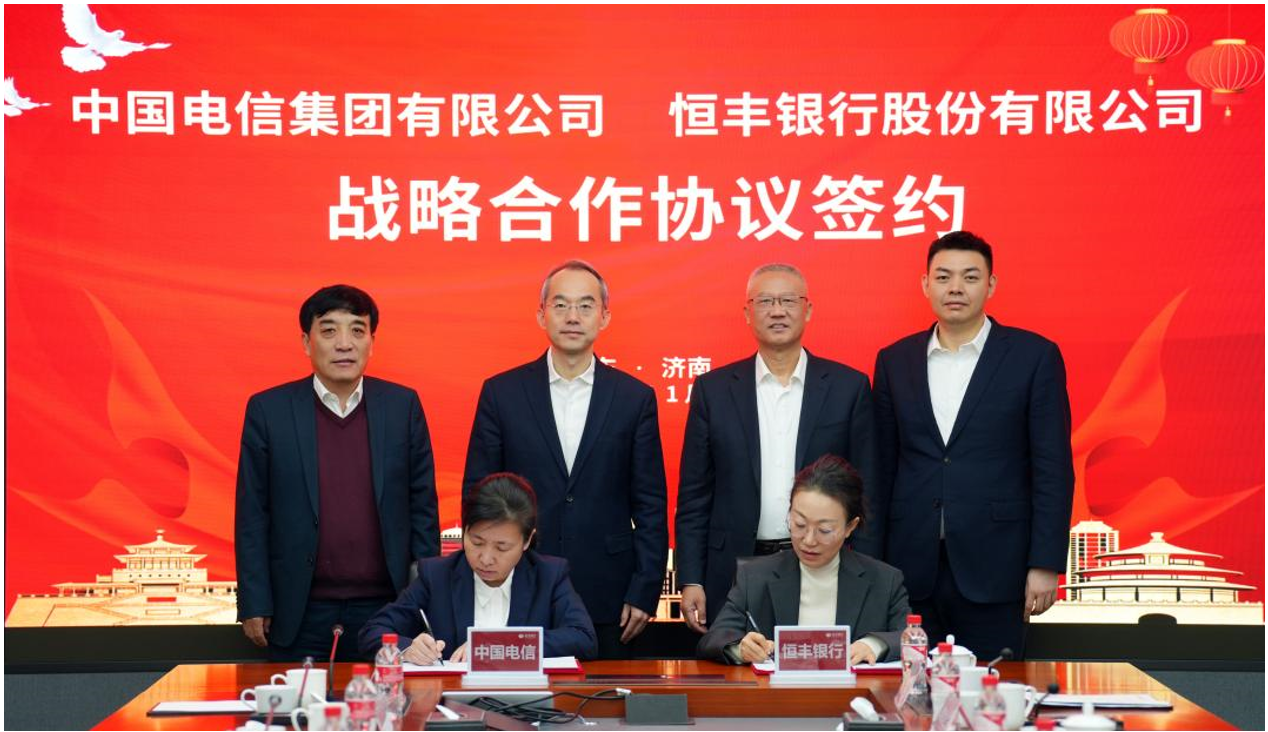
近日,恒丰银行与中国电信签署战略合作协议,双方将在科技融合创新、业务生态共建、资源协同共享等方面开展全方位、深层次合作,探索"通信+金 融"融合创新路径,共筑数字金融新生态。恒丰银行党委书记、董事长辛树人与中国电信董事、党组副书记唐珂出席签约活动。 恒丰银行党委副书记、行长白雨石,党委委员、副行长房毅;中国电信政企信息服务事业群金融行业事业部总裁、中电信翼金科技公司总经理王志宏,中国 电信山东分公司党委书记、总经理李延平等出席签约活动。 此次战略合作协议的签署,标志着恒丰银行与中国电信的合作迈入了全面深化、共谋发展的新阶段。根据合作协议,双方将共同推进智能算力中心建设、金 融信创攻关、数据联合建模与安全应用,探索5G+智慧网点、量子通信在金融领域的应用,同时加强客户资源互荐、渠道互联互通,联合开展市场拓展活 动,共同服务国家战略和区域经济社会发展。恒丰银行将为中国电信及产业链上下游企业提供综合金融服务,中国电信将支持恒丰银行完善通信基础设施, 并提供智慧楼宇、绿色数据中心等解决方案。 辛树人表示,中国电信作为全球领先的综合智能信息服务运营商,在5G、云计算、人工智能、量子通信等前沿科技领域实力雄厚,与恒丰银行 ...


苏商银行荣获“铁马—最佳数字金融中小银行”奖
Jin Rong Jie· 2026-01-26 03:59
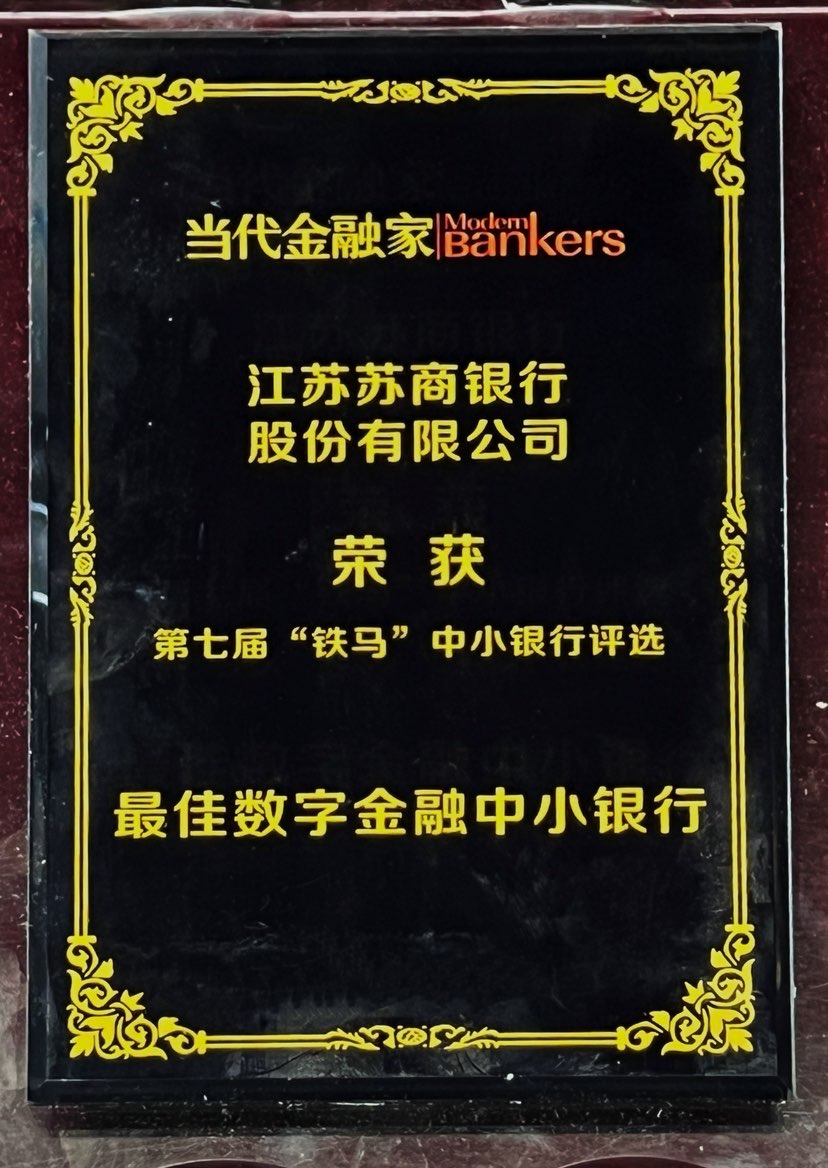
近日,由《当代金融家》杂志社主办的"首届博鳌金融强国大会—2025第十三届中小银行发展高峰论坛"在海南博鳌亚 洲论坛大酒店成功召开。本届论坛以"驱动增长质跃未来"为主题,汇聚了来自政府机构、行业协会以及全国性商业银 行、地方中小银行等多家金融机构的专家与管理者,共同探讨新形势下中小银行的高质量发展路径。苏商银行凭借在 数字金融领域的卓越创新与深入实践,荣获"铁马—最佳数字金融中小银行"奖,彰显了行业权威对该行数字银行建设 成果的充分肯定。 当代金融家 ankers 江苏苏商银行 股份有限公司 港 荣 第七届"铁马"中小银行评选 作为江苏省首家数字银行,苏商银行自创立之初便确立了"科技驱动的O2O银行"战略定位,将数字技术作为核心竞争 力。成立八年以来,该行始终坚持高强度的科技投入:研发费用占营业收入比常年保持在6%左右,科技人员占比超 51%,持续深耕技术自主创新。通过自主研发"云开"核心系统,构建起自主可控的核心技术底座。同时,依托"透 镜"智能风控引擎、"天衡"小微风控矩阵等一系列数字工具,该行搭建了覆盖营销、审批、贷后全链路的智能风控体 系。在实践中,苏商银行遵循"金融科技+场景金融=普惠金融"的理念, ...
以金融“五篇大文章”为战略支点 提升价值创造 助力金融强国建设——对话招银理财董事长吴涧兵
Sou Hu Cai Jing· 2026-01-26 00:37
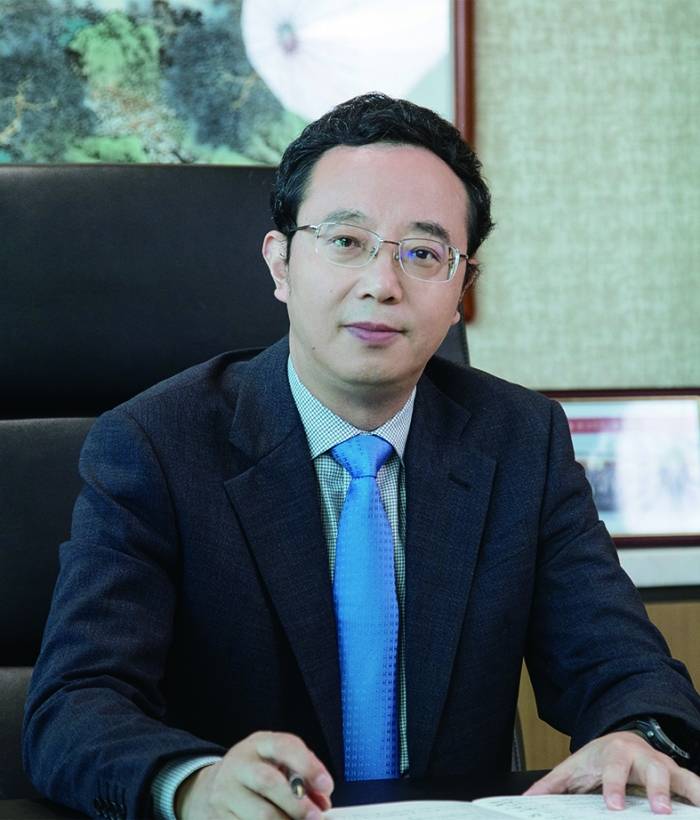
Core Viewpoint - The financial "Five Major Articles" are essential for the banking asset management institutions to serve China's modernization and achieve high-quality development [1][4][5] Group 1: Financial "Five Major Articles" - The "Five Major Articles" include the development of technology finance, green finance, inclusive finance, pension finance, and digital finance, which serve as both a task list and a guideline for high-quality development [5][6] - The banking asset management sector is a crucial link between residents' wealth and the real economy, with a total scale exceeding 33 trillion yuan [1][4] Group 2: Strategic Implementation - The company has established a dual-layer structure of "leadership group + special task groups" to systematically promote the implementation of the "Five Major Articles" [5][6] - By the end of 2025, the company aims to support over 2 trillion yuan in funding for the real economy, demonstrating its commitment to the mission of contributing to the construction of a financial power [6] Group 3: Unique Advantages of Banking Asset Management - The company has a strong inclusive finance foundation, having served over 65 million clients by the end of 2025, which enhances its ability to promote inclusive and pension finance [7][8] - The synergy within the banking group allows for efficient collaboration across various financial services, providing a comprehensive financial service model [7][8] Group 4: Business Development Paths - The company employs a systematic approach to break down macro strategies into specific business capabilities, forming a supportive "combination punch" across different areas [7][8] - In technology finance, the company emphasizes understanding technology and rational support, having launched 47 technology finance-themed products by the end of 2025 [8][9] Group 5: Challenges and Responses - The company faces common challenges such as the need to enhance equity research capabilities, improve investor education, and advance digitalization [11][12] - To address these challenges, the company focuses on enhancing two core capabilities: aligning funding with national strategies and improving value creation through high-quality, low-volatility financial products [11][12]
【智库圆桌】深耕普惠金融促发展惠民生
Xin Lang Cai Jing· 2026-01-25 00:45
Core Viewpoint - The development of inclusive finance in China reflects a people-centered approach, emphasizing the importance of financial services for all social strata, particularly small and micro enterprises, to promote social equity and inclusive growth [2][3]. Group 1: Importance and Achievements of Inclusive Finance - Inclusive finance is defined as providing appropriate and effective financial services at affordable costs to all social groups, focusing on equal opportunities and commercial sustainability [2]. - Since the concept was introduced by the UN in 2005, China has made significant progress in inclusive finance, with policies established since 2013 to support its development [2][3]. - The 2023 State Council's implementation opinions highlight the need for high-quality development of inclusive finance to promote common prosperity for all [2]. Group 2: Support for Micro and Small Enterprises - Inclusive finance is crucial for enhancing the vitality of micro and small enterprises, which play a vital role in stabilizing employment and promoting innovation [3]. - Challenges such as high financing costs and difficulties in obtaining subsidies persist for these enterprises, necessitating improved financial services [3][4]. - Financial institutions are innovating products and services tailored to the unique needs of small enterprises, leading to increased loan volumes and reduced costs [5]. Group 3: Policy and Service System Development - China has established a comprehensive policy and service system for inclusive finance, significantly improving service coverage, accessibility, and satisfaction [4]. - By the end of 2024, there will be an average of 1.62 bank outlets per 10,000 people, with nearly 98% coverage in rural areas [4]. - The development of digital financial services has led to a substantial increase in mobile payment transactions in rural areas, reaching 339.33 billion transactions in 2024, a 33.03% increase year-on-year [4]. Group 4: Technological Empowerment - The integration of advanced technologies such as big data and artificial intelligence is transforming the operational model of inclusive finance, addressing challenges of high costs and risks [6]. - Digital banks are innovating lending models that significantly enhance loan application efficiency, such as the "310" model, which allows for quick loan processing [6]. Group 5: Reform Pilot Zones and Innovations - Various pilot zones for inclusive finance reform have been established, focusing on different regional needs and challenges, such as supporting rural revitalization and small enterprises [7][8]. - Innovations in credit information sharing and risk-sharing mechanisms have been implemented to enhance financial support for rural areas and small businesses [8][9]. Group 6: Enhancing Financial Services for Vulnerable Groups - Inclusive finance targets five key groups: micro enterprises, agricultural workers, new urban residents, the elderly, and flexible employment individuals, each facing unique financial challenges [12]. - Efforts are being made to improve the quality of financial services in the livelihood sector, ensuring that financial products are better suited to the needs of these groups [12][13]. Group 7: Future Directions and Recommendations - Continued emphasis on policy coordination and incentive mechanisms is necessary to support financial resources in underserved areas [15]. - The development of a national integrated financing credit service platform is recommended to enhance data sharing and improve financial service delivery [15]. - Financial institutions are encouraged to innovate products that cater to the specific cash flow characteristics of small enterprises and flexible employment [15].
中国银行业理财市场年度报告(2025年)
银行业理财登记托管中心· 2026-01-24 02:10
Investment Rating - The report does not explicitly provide an investment rating for the industry Core Insights - The banking wealth management market in China reached a total scale of 33.29 trillion yuan by the end of 2025, reflecting an 11.15% increase from the beginning of the year, with 3.34 million new wealth management products issued, raising 76.33 trillion yuan in funds [6][20] - The report emphasizes the importance of the wealth management industry in supporting the real economy, with approximately 21 trillion yuan allocated to support various sectors [6] - The number of investors holding wealth management products reached 143 million, a growth of 14.37% year-on-year, generating returns of 730.3 billion yuan for investors throughout the year [6] Summary by Sections Development Environment of the Wealth Management Industry - The report highlights the complex changes in the development environment, including global geopolitical tensions and domestic economic challenges, while emphasizing the resilience and potential of China's economy [8] - The "14th Five-Year Plan" and the upcoming "15th Five-Year Plan" outline the strategic direction for the financial sector, focusing on technology finance, green finance, inclusive finance, pension finance, and digital finance [8][9] Wealth Management Products - By the end of 2025, the total number of wealth management products in the market was 46,300, with a total scale of 33.29 trillion yuan, marking a 14.89% increase in the number of products [21][24] - The report indicates a shift from single-asset driven strategies to multi-asset allocation, with a focus on risk management and dynamic adjustments to enhance portfolio resilience [26][27] - Fixed income products dominate the market, accounting for 97.09% of the total scale, while mixed and equity products remain relatively small [32][33] Investor Profile - The report notes that the wealth management industry has seen a significant increase in the number of investors, with a focus on enhancing investor protection and appropriate management of wealth management products [19][40] - The risk management framework is emphasized, with a focus on compliance and transparency to safeguard investor interests [14][16] Market Institutions and Services - The report discusses the establishment of various wealth management companies and the importance of digital financial services, including the use of AI and big data in wealth management [10][12] - It highlights the role of wealth management companies in supporting the pension finance sector and the ongoing development of a centralized data exchange platform for wealth management products [7][12]
非银行业月报:金融行业:多项监管法规首次出台,夯实非银行业长期业绩根基
金融街证券· 2026-01-23 13:30
Investment Rating - The report provides a positive outlook on the non-banking financial sector, indicating a strong performance and potential for continued growth in the coming years [1][2]. Core Insights - The report highlights the introduction of multiple regulatory frameworks aimed at strengthening the long-term performance of the non-banking sector, which is expected to enhance the overall stability and growth prospects of the industry [1][39]. - The insurance market is expanding steadily, with significant growth in premium income and investment returns, indicating a robust recovery and potential for further development [7][58]. - The report emphasizes the performance of various non-banking sectors, with insurance leading the growth, followed by diversified finance and securities [22][58]. Summary by Sections Regulatory Dynamics - The China Banking and Insurance Regulatory Commission (CBIRC) has introduced several new regulations, including adjustments to risk factors for insurance companies and management guidelines for financial leasing companies, aimed at enhancing regulatory efficiency and promoting high-quality development in the non-banking sector [3][39]. - New regulations also include the asset-liability management guidelines for insurance companies and the information disclosure management for asset management products, which are expected to improve transparency and investor protection [40][43]. Industry Dynamics - The non-banking sector has shown varied performance, with the insurance sector achieving a premium income of CNY 5.76 trillion, a year-on-year increase of 7.56% [58]. - The report notes that the A-share market's average daily trading volume reached CNY 10,768 billion, reflecting a year-on-year growth of 53.24%, although there was a slight decline in trading activity towards the end of the year [10][64]. Market Performance - In December 2025, the non-banking index rose by 6.31%, outperforming major indices, with insurance stocks showing the highest gains at 14.59% [19][22]. - The report identifies key ETFs in the non-banking sector, highlighting strong performance in the securities insurance ETFs and financial technology ETFs, which saw significant inflows [13][38]. Investment Opportunities - The report recommends focusing on the valuation recovery logic in the non-banking sector, particularly in ETFs such as the Hong Kong Stock Connect Non-Banking ETF and the Financial Technology ETF, which are expected to benefit from the positive market dynamics [13][38]. - The insurance sector's dividend yields are becoming increasingly attractive, with several companies offering yields above 3.5%, indicating a potential investment opportunity for income-focused investors [12].






2025年深圳普惠小微贷款余额突破2万亿元大关
Nan Fang Du Shi Bao· 2026-01-23 08:31
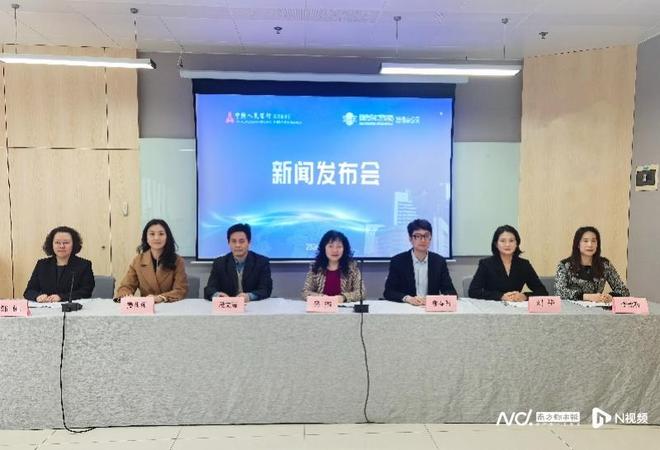
Core Insights - The People's Bank of China and the State Administration of Foreign Exchange held a press conference on Shenzhen's financial operations in 2025, emphasizing the use of structural monetary policy tools to support consumption and technological innovation [2] Group 1: Financial Support and Loan Growth - By the end of 2025, loans for technology, green, and digital economy sectors in Shenzhen increased by 1.9%, 3.3%, and 1.4% respectively compared to the end of 2024, significantly supporting the transition to high-end, intelligent, and green production [2] - The balance of loans for the private economy in Shenzhen reached 4.35 trillion yuan, accounting for 43.7% of total loans, while inclusive micro and small loans surpassed 2 trillion yuan, reaching 2.01 trillion yuan [3] - The balance of technology loans in Shenzhen reached 2.28 trillion yuan by the end of 2025, with the issuance of technology innovation bonds totaling 44.15 billion yuan, ranking second among cities nationwide [2] Group 2: Green Finance Initiatives - Shenzhen initiated a pilot program for green foreign debt and enhanced the application of corporate "carbon accounts," promoting innovation in carbon financial products [4] - Loans issued using carbon reduction support tools amounted to 2.72 billion yuan, supporting small-scale green projects [4] - The "carbon reduction loan" product provided credit of 1.23 billion yuan to 44 enterprises, aiding the green and low-carbon transformation of small and micro enterprises [4] Group 3: Consumer Finance and Digital Economy - Personal medium- and long-term non-housing consumption loans in Shenzhen grew by 13.12% year-on-year, outpacing overall loan growth by 8 percentage points [4] - The total inbound consumption in Shenzhen reached 1.88 billion transactions worth 26.462 billion yuan, reflecting a year-on-year increase of 27.7% and 31.3% respectively [4] - The balance of loans in the digital economy sector increased by 17.3% year-on-year, with innovative financial scenarios such as "cross-border credit" providing 2.092 billion yuan in loans to enterprises in Shenzhen and Hong Kong [4] Group 4: Cross-Border Financial Developments - Shenzhen ranked third nationwide in cross-border payment and receipt scale, with a total of 5.83 trillion yuan in cross-border RMB transactions, maintaining its position as the primary currency for cross-border settlements between Shenzhen and Hong Kong [5] - The cross-border RMB payment and receipt for goods trade reached 1.2352 trillion yuan, a year-on-year increase of 191.3 billion yuan, marking a new high since the business commenced in 2009 [6] - The upgraded "3.0 version" of the integrated currency pool trial has benefited nearly 2,000 member enterprises, with a business scale of 390 billion USD [5]