
基层治理

Search documents
红色引擎赋能“闻川之治”
Xin Lang Cai Jing· 2026-01-07 23:22
Core Viewpoint - Wang Jiangjing Town is leveraging party leadership to drive economic development and social governance, transforming political and organizational advantages into developmental momentum and governance effectiveness [1] Group 1: Economic Development - Wang Jiangjing Town is transitioning from a traditional industrial town to a smart manufacturing hub, utilizing party leadership to connect talent and accelerate the construction of high-energy industrial platforms [2] - The town has established the "Wenchuan·Tongxin Hui" platform to unite new social classes and entrepreneurs, facilitating academic exchanges, technology connections, and project promotions to build a stable talent pool for continuous innovation [2] - The town is seizing opportunities from the establishment of the Xiuzhou National Modern Agricultural Industrial Park, fostering regional agricultural leaders like Qinfeng Seed Industry and enhancing agricultural productivity [2] Group 2: Urban Infrastructure - The completion of key public projects such as shopping centers and kindergartens has improved urban livability and aesthetics [3] - The town has addressed traffic congestion by opening new roads, enhancing the urban development framework [3] Group 3: Social Governance - Wang Jiangjing Town is enhancing grassroots governance through party-led initiatives, establishing a "red network" for community services [4] - The town has effectively managed 19,929 urban management and safety incidents in 2025, achieving a 100% resolution rate through improved grid governance [4] Group 4: Emergency Management - The establishment of 14 emergency water supply points has significantly improved emergency water supply capabilities in village industrial parks [5] - The town plans to expand emergency water supply points to cover all hard-to-reach villages by 2026, enhancing disaster response and self-rescue capabilities [5] Group 5: Rural Development - The "He Mei Wenchuan" area has been recognized as a leading rural area, generating an average of over 1.2 million yuan in village income through collaborative development efforts [6] - The town is exploring cross-province party-building initiatives with neighboring towns to enhance collective economic growth and resource integration [6]
广州市以“智”提“质”激发善治新动能
Zhong Guo Fa Zhan Wang· 2026-01-07 21:35
Core Insights - The article emphasizes the integration of technology in grassroots governance to enhance efficiency and effectiveness in economic development and public service delivery [1][5] Group 1: Technology Empowerment - The Guangzhou Planning and Natural Resources Bureau aims to leverage technology to free grassroots workers from repetitive tasks, achieving a governance upgrade that allows for "less effort, more output, and improved quality" [1] - The implementation of AI and data integration has significantly reduced the workload for law enforcement personnel, decreasing the verification workload by 80% and shifting from "mass screening" to "precise handling" of illegal activities [2] Group 2: Proactive Management - The establishment of a four-tiered "field manager" system for farmland protection has enabled a shift from "post-event rectification" to "pre-event intervention," enhancing the monitoring and protection of agricultural land [3] - The introduction of a comprehensive monitoring system has allowed for a 24-hour dynamic warning system, improving the efficiency of farmland protection while reducing patrol time by 80% [3] Group 3: Collaborative Governance - The "Guangzhou Eagle Eye" low-altitude intelligent inspection system has been developed to address urban management challenges, enhancing inspection efficiency by over three times compared to traditional methods [4] - The system has successfully reduced the need for manual inspections by 70%, resulting in significant cost savings for local governments, with some areas saving over 20 million yuan annually [5] Group 4: Broader Impact - The technological advancements in Guangzhou have set a benchmark for modernizing social governance, attracting interest from various regions and countries, and showcasing the potential for replicating these innovations elsewhere [5] - The integration of various data sources and innovative technologies has transformed governance from reactive to proactive, enhancing service precision and community satisfaction [5]
海州让新就业群体“心”有所依
Xin Lang Cai Jing· 2026-01-07 19:17
Group 1 - The core viewpoint of the articles emphasizes the establishment of a comprehensive service network for new employment groups in Haizhou District, integrating various community resources to enhance service delivery [1][2] - A total of 7 industry-specific stations, 219 "Warm New Stations," and 41 "Warm New Houses" have been built, creating a well-distributed service network that facilitates convenient access for new employment groups [1] - The district has shifted from a fragmented service approach to a grid-based system, ensuring comprehensive coverage and efficient service delivery [1] Group 2 - Community governance is enhanced through initiatives like "Community Discussion Days," which involve residents, volunteers, and delivery personnel in decision-making processes [2] - The introduction of a "part-time grid member" mechanism allows delivery workers to participate in community governance, providing insights on local issues and promoting civic responsibility [2] - The "Warm Sunshine" volunteer service brand has been developed to offer tailored support activities for new employment groups, including educational programs and welfare initiatives [2]
塔山镇人大依“法”赋能基层治理
Xin Lang Cai Jing· 2026-01-07 19:17
本报讯 (李欣) 新修改的代表法颁布实施以来,赣榆区塔山镇人大将贯彻落实代表法与基层治理实践 深度融合,推动新修改的代表法从"纸面规定"转化为"民生实绩"。 在法规制度完善上,紧扣为民核心要义。联动地方法庭召开专题宣讲、座谈会,将传递社会主义核心价 值观、矛盾纠纷源头化解等融入代表制度建设,确保本地规范与新法精神同频共振。在代表学习培训 上,突出"精准实效"培训。采取"集中学+自己学""理论学+实践练"相结合的方式,邀请法律专家解读代 表法核心条款,结合本地产业发展、基层治理重点设置课程,同时组织代表在选民接待、民生项目监督 中锤炼本领。在贯彻落实过程中,推出"三维履职"模式。依托数字化平台打造"指尖履职阵地",实现民 意收集不打烊。深化"代表+网格"联动,组织代表下沉基层,在环境整治、民生保障等工作中亮身份、 践承诺。 (来源:新华日报) ...
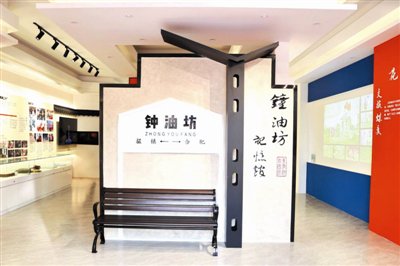
钟油坊记忆馆在合肥市瑶海区正式开馆
Xin Lang Cai Jing· 2026-01-06 17:29
Core Viewpoint - The opening of the Zhongyoufang Memory Museum in Hefei's Yaohai District enhances grassroots cultural construction and reflects the transformation of the community while preserving local heritage [2]. Group 1: Museum Overview - The Zhongyoufang Memory Museum covers an area of over 100 square meters and is themed "Cherishing the Homeland: Zhongyoufang" [2]. - The museum features four main exhibition sections: "Seeds: Local Roots," "Growth: Oil Mill Images," "Flourishing: Urban-Rural Integration," and "Blossoming: Cultural and Tourism Transformation" [2]. - The exhibits include historical artifacts such as wooden oil presses and costumes, along with multimedia materials that illustrate the development of Zhongyoufang from agricultural roots to modern community [2]. Group 2: Community Development - The museum serves as a response to the challenge of preserving collective memory amid urban renewal and aims to help residents retain their sense of nostalgia [2]. - Zhongyoufang community exemplifies the transformation from rural fields to livable urban spaces, showcasing the evolution from traditional villages to modern communities [2]. - The establishment of the museum is a warm response to the important issue of grassroots governance in the context of rapid urban development [2]. Group 3: Future Plans - The museum will continue to deepen the excavation and digital preservation of community historical materials [3]. - Regular activities such as "Old Photo Storytelling," "Three Generations Dialogue," and "Community Cultural Festival" will be organized [3]. - The museum aims to expand its role as a space for community discussions and volunteer services, positioning itself as a "Cultural Reception Hall" that showcases the cultural heritage and governance achievements of Yaohai [3].

江西安远:网格“绣花针”穿起治理千条线 破解基层治理难题暖民心
Xin Lang Cai Jing· 2026-01-06 02:56
Core Viewpoint - The article discusses how the implementation of grid governance in Anyuan County, Jiangxi Province, effectively addresses the challenges of grassroots governance, transforming community management from being overwhelmed by responsibilities to a more responsive and collaborative approach [1][2][3] Group 1: Challenges in Grassroots Governance - Grassroots governance faces issues of insufficient manpower and limited resources, which hinder the ability to serve the community effectively [1] - In the Zhongshan Street community, six community workers are responsible for over 8,000 residents, highlighting the strain on human resources [1] - Long-standing issues such as leaking roofs and damaged walls in the Baishuxia community have created urgent demands for housing improvements, which have been delayed due to inadequate governance capacity [1] Group 2: Implementation of Grid Governance - Anyuan County has implemented community governance reforms by dividing urban communities into 60 grids, ensuring each grid is staffed with adequate personnel and resources [2] - The integration of county-level units into the grid system has transformed grids into service hubs, effectively addressing the shortcomings in grassroots governance [2] - The renovation project for old houses in Baishuxia community has commenced, with completion expected next month, resolving long-standing housing issues for residents [2] Group 3: Community Engagement and Service Delivery - The grid governance system has established a 24-hour service hotline and "grid face-to-face" meetings, allowing for proactive collection of public opinions and more efficient service delivery [2] - In the largest community, Sunlight Community, a retired party member and a grid worker collaborated to resolve water supply issues, demonstrating effective community engagement [2] - Residents now view grid workers and community officials as their first point of contact for problem-solving, leading to improved living conditions and increased satisfaction among the community [3] Group 4: Outcomes of Grid Governance - The grid governance approach has led to a significant improvement in the living environment and a heightened sense of happiness and fulfillment among residents [3] - The strategy ensures that minor issues are resolved within the grid while major issues are handled at the community level, effectively extending governance to the grassroots [3] - The initiative has created a responsive governance model that prioritizes the needs of the people, showcasing a successful example of community-driven governance [3]
深化理论武装 赋能乡村振兴
Xin Lang Cai Jing· 2026-01-05 16:39
Core Viewpoint - The article emphasizes the importance of grassroots governance and community organization in promoting rural revitalization, focusing on theoretical education, organizational leadership, and effective governance practices [1][2]. Group 1: Theoretical Empowerment - The community party organization has established a three-tiered learning mechanism involving party secretaries, committee members, and party members to enhance theoretical understanding and practical application [1] - Learning initiatives are extended to practical settings, addressing issues such as land transfer, collective economic development, and environmental improvement through case studies [1] Group 2: Organizational Leadership - The community aims to strengthen its leadership by setting up responsibility zones and demonstration posts for party members, encouraging contributions in key areas like industrial development and environmental management [1] - Activities are designed to enhance party member visibility and accountability, fostering closer relationships between the party and the community [1] Group 3: Governance Enhancement - The community focuses on improving governance efficiency by optimizing its organizational structure and implementing a grid management system for refined services [2] - The "Four Discussions and Two Publics" method is being deepened to stimulate self-governance and enhance community regulations [2] - Efforts are directed towards developing unique industries, improving living conditions, and resolving conflicts to create a collaborative governance model that increases residents' sense of well-being and security [2]
党建领航强堡垒 凝心聚力促发展
Xin Lang Cai Jing· 2026-01-04 19:01
Group 1 - The core objective of the grassroots party organization in Tianjun County is to enhance its political and organizational functions, focusing on the "Three Grabs and Three Promotions" initiative to support rural revitalization and grassroots governance [1] - As of December 29, a total of 8 training sessions have been held with 624 participants, 112 special party lectures delivered, and 1,270 themed party day activities conducted [1] - Tianjun County has innovatively established a "lead learning - co-learning - research learning" mechanism, organizing various forms of classes such as "open party classes" and "on-site experiential party classes" [1] Group 2 - The implementation of the "Youth Power University Student Assistance to Villages and Pastures" project has resulted in 123 university students receiving "five insurances and one fund," with 23 students sent for practical experience [2] - A total of 450 assistance activities have been conducted under the "One Link, Two Helps" co-construction initiative, promoting community support [2] - A three-level screening mechanism has been used to evaluate 52 exemplary party member positions, encouraging party members to showcase their identities, commitments, and achievements [2]
稀土高新区综治“绣花针”穿起民生“万根线”
Xin Lang Cai Jing· 2026-01-04 19:01
(来源:内蒙古日报) 转自:内蒙古日报 本报包头1月4日电 (记者 刘向平 通讯员 贾婷婷)"多年的疙瘩终于解开了!"近日,看着重新畅通的下 水管道,包头稀土高新区某底店商户与楼上居民握手言和,脸上露出了久违的笑容。这温暖一幕的背 后,是稀土高新区综治中心用"绣花"功夫深耕基层治理的生动实践。 2025年以来,该中心累计受理矛盾纠纷超千件,化解率达73%,以"最多跑一地、接办跟到底"的承诺, 通过整合资源、创新机制、多元联动,将民生难题化解在"家门口"。 此前,稀土高新区某小区底店商户与楼上居民因下水管道维修僵持多年。底商方面,已经更改了独立下 水系统,自认为与居民住宅的排水情况再无关联,没有义务协助居民进行管道维修。而楼上居民提出的 维修方案,需要破开商户门前路面并进入底店内施工,这无疑会对底店的生意造成影响。双方多年来私 下协商多次,却始终无法达成一致,居民住宅也因此常年无法正常居住,邻里关系降至冰点。 综治中心接案后,迅速组建"中心人员+网格员+居民代表"调解团队,从"法、理、情"三端发力,依据民 法典明确相邻权义务,用"远亲不如近邻"的情理拉近距离。最终,底商同意施工,居民承诺恢复原状, 多年积怨在耐 ...
基层治理的第一要义是为民服务
Si Chuan Ri Bao· 2026-01-04 07:19
Core Viewpoint - The integration of governance and service is essential for enhancing grassroots governance, with a focus on improving public service delivery to meet community needs [1][2] Group 1: Governance and Service Integration - The necessity of aligning governance with service delivery was emphasized, with representatives suggesting that public service facilities should better reflect community needs rather than bureaucratic structures [1] - The establishment of well-structured and interconnected party-community service centers is proposed as an effective measure to merge governance with service [1] - The role of intermediary organizations in grassroots service work was highlighted as a means to achieve more efficient outcomes [1] Group 2: Community Service Supply System - The importance of developing a community service supply system was underscored, with a focus on creating a basic public service list and a dynamic adjustment mechanism to enhance service delivery [1] - The integration of various departmental service functions to extend public services into communities was identified as a critical step for effective service implementation [1] Group 3: Internet and Communication - The use of the internet to facilitate communication between the government and the public was discussed, with examples of successful online governance platforms that analyze public demands for informed decision-making [2] - The suggestion to build a comprehensive community service information platform leveraging existing government service platforms was made to achieve seamless public service access [2]