文化遗产保护

Search documents
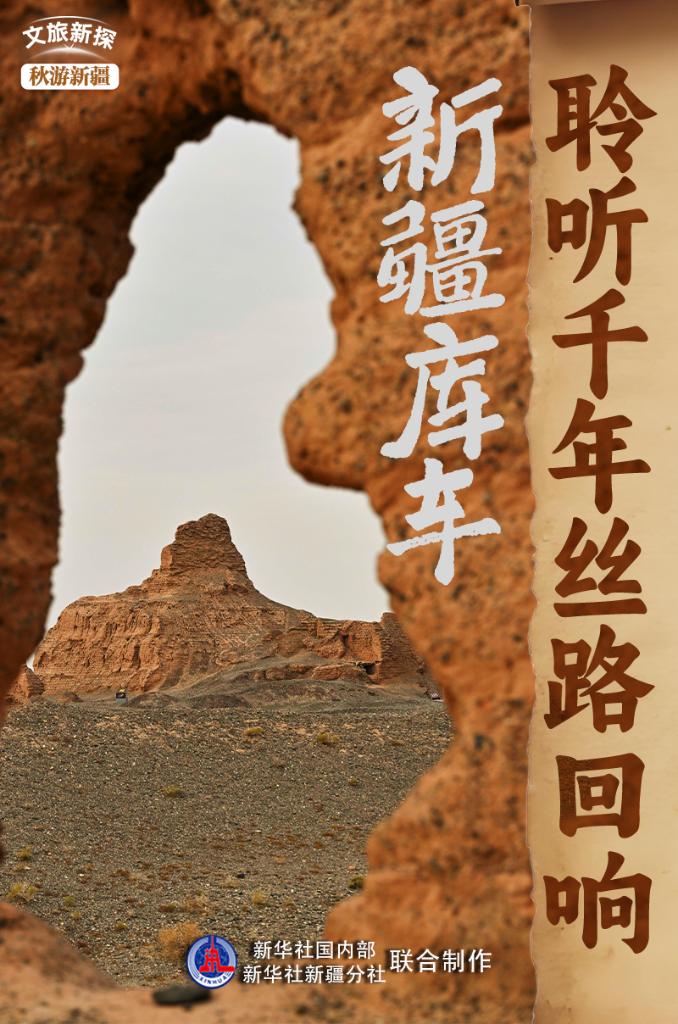
文旅新探·秋游新疆|新疆库车:聆听千年丝路回响
Xin Hua She· 2025-09-25 12:58
Core Viewpoint - The article highlights the cultural and historical significance of Kuqa City in Xinjiang, showcasing its rich heritage through various archaeological sites and museums, which attract increasing numbers of tourists [4][7][13]. Group 1: Historical Significance - The Subash Buddhist Temple site, established during the Wei and Jin dynasties, is a notable historical site where the Tang dynasty monk Xuanzang once lectured [3]. - Kuqa City is recognized as a national historical and cultural city, serving as an important hub on the ancient Silk Road, where diverse cultures converged [4]. - The Kizil Gaha Beacon Tower, built during the Han dynasty, is part of the Han Great Wall defense system and has been a witness to the prosperity and changes along the Silk Road for over 2000 years [8]. Group 2: Cultural Heritage and Tourism - Kuqa City boasts 180 cultural relics, including 2 UNESCO World Heritage sites and 11 national key cultural relic protection units, emphasizing its rich cultural heritage [4]. - The Kizil Wei Jin Ruins Museum, the first underground museum in Xinjiang, allows visitors to closely observe valuable Han-style brick tombs, enhancing the cultural experience [7]. - The local government has initiated projects like the "Save the Old Houses" campaign to preserve historical buildings, which has led to increased tourism and local business opportunities [13]. Group 3: Visitor Experience - Visitors to the Kizil Gaha Beacon Tower express a sense of connection to history, as the site evokes imagery of ancient signal fires [8]. - The Kizil Museum has opened its doors for free to visitors this year, aiming to bring the collection of cultural relics to life and present the historical context authentically [7]. - Local entrepreneurs, such as Abdukarim, have capitalized on the growing tourist influx by transforming old houses into family tea houses, reflecting the economic benefits of cultural tourism [13].

“全国文化中心建设2024年度十件大事”,都有何来头?
Xin Jing Bao· 2025-09-25 12:22
Core Insights - Beijing has made significant advancements in cultural heritage protection, including the successful application for the World Heritage status of the Central Axis and the innovative practices in the protection of the Great Wall and archaeological discoveries at the Liuli River site [1][5][4]. Group 1: Great Wall Protection - The Great Wall in Beijing has received over 580 million yuan in financial support since 2000, with more than 120 protection projects implemented, significantly improving its management status [2]. - Beijing has initiated 73 emergency protection projects since 2019, aiming for no major hazards along the Great Wall by 2035, and has pioneered archaeological excavations and research-based restoration efforts [2]. - Social funding of 40 million yuan has been gathered from various foundations to support the Great Wall restoration, and a team of nearly 500 local guardians has been established to protect the structure [3]. Group 2: Archaeological Discoveries - The Liuli River archaeological site has revealed a dual-walled structure from the Western Zhou period, indicating a city size of up to one million square meters, and has been recognized as one of the top ten archaeological discoveries of 2024 [4]. - New findings include large rammed earth facilities and a significant family burial site, contributing valuable insights into ancient social structures and urban planning in Beijing's 3,000-year history [4]. Group 3: Central Axis Heritage - The successful inclusion of the Beijing Central Axis in the World Heritage List marks a milestone and a new starting point for cultural heritage protection, with new regulations and action plans set for 2025-2027 [5][6]. - A series of 25 measures have been introduced to enhance cultural interpretation and public engagement, including the publication of related literature and the organization of cultural events [6]. Group 4: Cultural and Creative Products - The Beijing Cultural Forum showcased over 600 creative cultural products, including innovative AR refrigerator magnets that blend traditional elements with modern technology, reflecting a trend in cultural heritage digitization [7][8]. - The "Tiangong Zhaojing" refrigerator magnet has sold over 20,000 units since its initial release, demonstrating the market potential for culturally inspired products [7].
海门老街:从“小上海”到文化遗产新名片
Zhong Guo Xin Wen Wang· 2025-09-25 01:31
Core Insights - Haimen Old Street, a 225-meter long historical street in Taizhou, Zhejiang, has become a cultural heritage site attracting tourists and scholars due to its rich history and unique cultural charm [1][2] - Established in 1387, Haimen Old Street evolved into a significant commercial center in southeastern Zhejiang after the opening of Haimen Port during the Qing Dynasty [1] - The street was awarded the UNESCO Asia-Pacific Heritage Award for Cultural Heritage Conservation in 2010, highlighting its international recognition for preservation and value [1] Historical Significance - The architecture of Haimen Old Street showcases a blend of traditional Ming and Qing styles on the south side and European-style facades on the north side, reflecting the historical maritime culture and architectural wisdom brought back by local residents [1] - The street earned the nickname "Little Shanghai" due to its unique architectural styles and historical significance [1] Cultural Activities - Haimen Old Street serves as a vibrant stage for the integration of traditional culture and modern life, featuring activities such as micro-sculpture art and traditional festivals like the "Thousand Elderly Feast" and Qixi wedding ceremonies [2] - The street attracts numerous visitors who enjoy local delicacies and shop for souvenirs, enhancing the local cultural experience [2] Modern Relevance - In the contemporary era, Haimen Old Street continues to evolve, embracing an open and inclusive attitude, and is positioned as a prominent cultural tourism destination in Taizhou [2]
从抢救、预防到监测 中国文化遗产保护经验为全球提供思路
Zhong Guo Xin Wen Wang· 2025-09-24 12:12
Core Viewpoint - The integration of technology in cultural heritage preservation is highlighted, showcasing innovative monitoring systems and digital restoration techniques that enhance the protection and understanding of historical sites [1][3][4]. Group 1: Technological Innovations - The monitoring system at the Potala Palace functions like a "health doctor" for ancient architecture, tracking various indicators of structural health over 18 years [3]. - The application of "space-air-ground" multi-modal remote sensing technology allows for precise monitoring of the Xinjiao Temple and the Xuanzang Tower, utilizing satellite SAR data and drone laser scanning [3]. - Realistic 3D modeling technology has been successfully implemented in projects such as the virtual restoration of the Dazhu Stone Carvings and the semantic modeling of the Yungang Grottoes [3]. Group 2: Expert Insights and Future Directions - Experts emphasize that the fusion of remote sensing, artificial intelligence, and 3D modeling provides efficient and precise solutions for cultural heritage protection, making invisible risks visible [4]. - There is a call for enhanced interdisciplinary collaboration and international exchange to standardize preventive protection technologies and establish regular monitoring systems [4]. - The evolution of digitalization in Chinese architectural heritage is moving from crisis response to proactive protection, ultimately leading to dynamic interaction and transmission of cultural values [4][5].
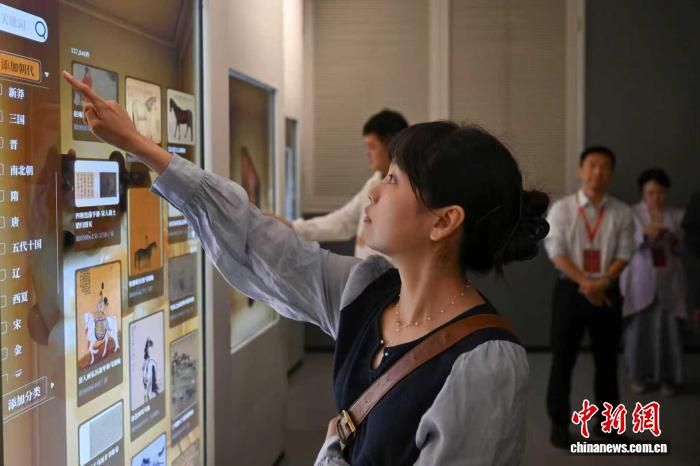
全球专家聚首北京文化论坛 探讨数字化技术如何赋能文化遗产
Huan Qiu Wang· 2025-09-24 02:49
Core Viewpoint - The "2025 Beijing Cultural Forum" focuses on the innovative application of digital technology in the protection and inheritance of cultural heritage, aiming to provide new solutions for the transmission of human civilization [1][6]. Group 1: Digital Technology in Cultural Heritage - Digital technology enhances the clarity and completeness of cultural heritage management, acting as a "guardian" for artifacts and improving archaeological and historical research capabilities [3][9]. - The use of virtual reality and interactive technologies in smart museums creates immersive exhibition spaces, with 12,000 online exhibitions planned for 2024, offering continuous cultural services to the public [3][6]. Group 2: Global Collaboration and Innovations - Experts from various countries presented their experiences, such as the application of satellite remote sensing and radar technology in archaeological site analysis [3][6]. - The forum highlighted successful digital preservation projects, including the digitization of 195,000 artifacts in the Palace Museum and over 500 terabytes of data from the Dunhuang Academy [6][9]. Group 3: Future of Cultural Heritage - A roundtable discussion emphasized the role of digital technologies like 3D imaging, digital twins, and generative AI in enhancing the protection and management of cultural heritage while ensuring safety and public service [7][9]. - The forum called for open collaboration in cultural heritage protection actions and the establishment of a global digital display platform for important cultural heritage resources [9].

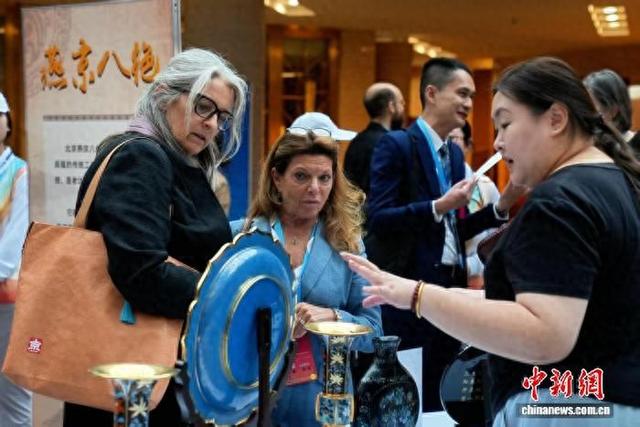
数字化守护文明瑰宝
Jing Ji Ri Bao· 2025-09-23 22:16
Core Insights - The digital wave is rapidly integrating into economic and social development, significantly transforming traditional production and lifestyle, and creating new pathways for cultural heritage protection and transmission [1][2] Group 1: Digital Technology in Cultural Heritage - Digital technology is enhancing the clarity and completeness of cultural heritage management, allowing for more precise and scientific management [1] - Satellite remote sensing has achieved full coverage of over 40 world cultural heritage sites and 5,058 national key cultural relic protection units, supporting a shift from reactive to preventive protection [2] - The integration of big data, IoT, and cloud computing is providing a solid foundation for digital safety supervision in cultural heritage [2] Group 2: Systematic Protection Approaches - Systematic thinking is essential for cultural heritage protection, emphasizing comprehensive coverage and the integration of cultural heritage with urban development [2] - The focus is on activating the value of cultural heritage by aligning it with urban planning, improving livelihoods, and upgrading industries [2] Group 3: Digital Initiatives by Institutions - The Palace Museum has been building a digital framework for nearly 30 years, with plans to digitize all 1.95 million artifacts over the next 10 to 20 years [2] - The Dunhuang Academy has completed digital collection of 300 caves and aims to utilize high-tech methods for sharing digital resources securely [2] - The Beijing Central Axis Heritage Protection Center is promoting public participation in heritage protection through digital platforms, creating a replicable model for global cultural heritage digital protection [2]
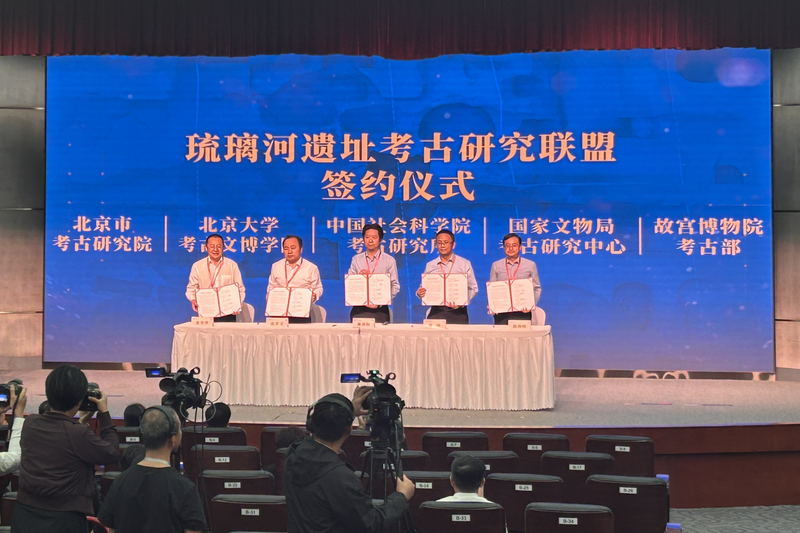
发现80周年,琉璃河遗址考古研究联盟成立
Xin Jing Bao· 2025-09-23 04:06
Core Viewpoint - The establishment of the "Liulihe Site Archaeological Research Alliance" aims to enhance archaeological research, protection, and value interpretation of the Liulihe site, a significant archaeological site from the Western Zhou period in the Beijing-Tianjin-Hebei region [1][6]. Group 1: Alliance Formation - The alliance was initiated by several key institutions, including the Beijing Archaeological Research Institute and the Palace Museum, to integrate resources and promote collaborative archaeological efforts [1][6]. - The agreement emphasizes principles of resource sharing, complementary advantages, collaborative innovation, and mutual benefits among the member institutions [6][8]. Group 2: Historical Significance of Liulihe Site - The Liulihe site is crucial for understanding early urban development in Beijing, the history and culture of the Yan state, and cultural exchanges between the north and south [3]. - The site has a rich excavation history, with significant findings from various periods, including large-scale excavations from 1972 to 1977 and 1980 to 1986, confirming its status as the early capital of the Yan state [3][5]. Group 3: Research and Collaboration Focus - The alliance will focus on joint archaeological excavations and research, utilizing multidisciplinary approaches to deepen understanding of the site's cultural significance and historical evolution [6][7]. - There will be an emphasis on technological archaeology and artifact preservation, leveraging advanced facilities and techniques from member institutions [6][7]. Group 4: Knowledge Dissemination and Talent Development - The alliance aims to promote the transformation of research outcomes into public knowledge through academic publications, exhibitions, and public archaeology activities [6][8]. - A talent exchange and training mechanism will be established to cultivate high-level archaeological professionals through joint guidance and fieldwork [7][8].
在文化繁荣发展中绽芳华(今日谈)
Ren Min Ri Bao· 2025-09-20 21:48
Core Insights - The white paper titled "Practices and Achievements in Promoting Women's Comprehensive Development in the New Era of China" highlights the significant role of women in creating cultural wealth, with 45.2% of the National Cultural Talent Project participants being women and 25% of national intangible cultural heritage representatives being female [1] Group 1: Women's Contributions to Culture - Female artists are using their talents to narrate stories of rural transformation and evoke admiration for the lives of border herders, showcasing the importance of women's perspectives in contemporary art [1] - The preservation of cultural heritage is supported by both veteran guardians like Fan Jinshi and a new generation of female inheritors, indicating a continuity and evolution in cultural stewardship [1] Group 2: Economic and Social Empowerment - Women leaders are transforming local natural and cultural resources into cultural products and industries, demonstrating their role in driving cultural innovation and economic development [1] - The era is characterized as one where women can fully express their talents, contributing to aesthetic enlightenment and enriching the spiritual world of the people, thereby supporting the construction of a culturally strong nation [1]
世界文化遗产点敦煌悬泉置文化展示中心建成揭牌
Xin Hua She· 2025-09-20 13:54
Core Points - The Dunhuang Xuanquan Cultural Exhibition Center was inaugurated on September 20, 2023, in Dunhuang, Gansu Province, showcasing the historical significance of the ancient Silk Road postal station [1] - The center, which began construction in March 2022 and is set for full completion by June 2025, will feature advanced technologies such as naked-eye 3D and cloud interaction [1] - The exhibition center aims to create a multifaceted platform integrating historical exploration, cultural dissemination, regional connectivity, and leisure tourism [1] Summary by Sections - **Cultural Significance**: The Xuanquan site is a large official postal station on the ancient Silk Road, with a history of over 2000 years. In 2014, it was recognized as a UNESCO World Heritage site as part of the "Silk Road: The Network of Roads from Chang'an to the Tianshan Corridor" [1] - **Archaeological Discoveries**: The site has undergone three major excavations, yielding over 70,000 artifacts, including documents and letters that cover various fields such as politics, economy, and military [1] - **Impact on Local Economy**: The project is expected to introduce international cultural heritage protection and creative concepts to Dunhuang, effectively promoting the sustainable development of Gansu's cultural tourism industry [1]
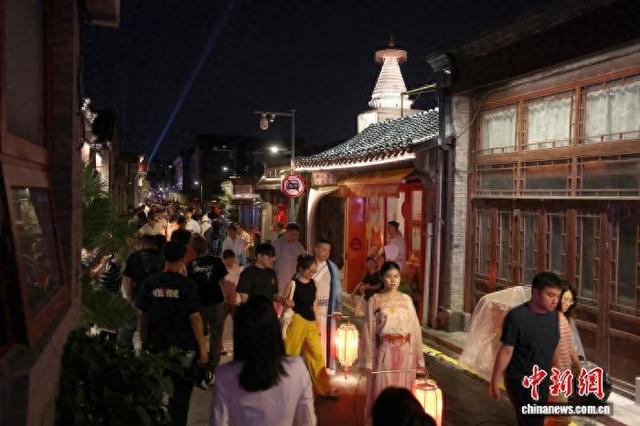
老城古建焕新颜,北京历史文化地标解锁新玩法
Zhong Guo Xin Wen Wang· 2025-09-19 03:38
Core Insights - The successful inclusion of Beijing's central axis into the World Heritage List has revitalized cultural heritage preservation and urban vitality, blending historical relics with modern life [1][3] Group 1: Cultural Heritage and Urban Revitalization - The White Pagoda Temple area has transformed into a popular nightlife destination since its opening on July 12, featuring a mix of new stores and themed routes, enhancing consumer experiences [1][3] - Visitor numbers at the White Pagoda Temple have surged from an annual average of 80,000-100,000 to over 300,000 last year, driven by regular cultural events [3] - The "White Pagoda Night" events have been held over 40 times, showcasing various cultural performances and creating a unique nighttime landscape [3] Group 2: Digital Technology and Exhibition - The Bell and Drum Towers have revitalized their cultural significance through the integration of digital technology in exhibitions, enhancing public engagement with historical narratives [3][6] - The "Centennial Vision" exhibition features over a hundred artifacts combined with interactive digital installations, providing an immersive historical experience [6] Group 3: Agricultural Culture and Community Engagement - The preservation and activation of the Agricultural Ancestors' Altar have expanded to include the surrounding environment, aiming for a comprehensive cultural heritage presentation [7][9] - The Agricultural Museum has sold 510,000 cultural products, generating over 46 million yuan in revenue since the World Heritage designation, with plans for more innovative products [9] Group 4: Upcoming Cultural Events - The 2025 Beijing Cultural Forum will take place on September 23-24, focusing on the integration of culture and technology, promoting global cultural exchanges [9]