AI视频生成

Search documents
NeurIPS'25 Oral:何必DiT,字节首次拿着自回归,单GPU一分钟生成5秒720p视频
3 6 Ke· 2025-11-14 08:35
Core Insights - InfinityStar, developed by ByteDance's commercialization technology team, presents a new method for video generation that balances quality and efficiency, addressing challenges in computational complexity and resource consumption [2][3][24] Group 1: InfinityStar Highlights - InfinityStar is the first discrete autoregressive video generator to surpass diffusion models on VBench [3] - It eliminates delays in video generation, transitioning from a slow denoising process to a faster autoregressive approach [3] - The method supports various tasks including text-to-image, text-to-video, image-to-video, and interactive long video generation [3] Group 2: Technical Innovations - The core architecture of InfinityStar utilizes a spatiotemporal pyramid modeling approach, allowing it to unify image and video tasks while being an order of magnitude faster than mainstream diffusion models [9] - The model decomposes video into two parts: the first frame captures static appearance information, while subsequent segments focus on dynamic changes [10][11] - InfinityStar employs an efficient visual tokenizer and introduces techniques like knowledge inheritance and stochastic quantizer depth to enhance training speed and model performance [14][15] Group 3: Performance Metrics - InfinityStar demonstrates superior performance in text-to-image (T2I) and text-to-video (T2V) tasks, achieving excellent results on GenEval, DPG, and VBench benchmarks, outperforming previous autoregressive models and diffusion-based methods [18][21][24] - Specifically, in the VBench benchmark, InfinityStar achieved a human preference evaluation score that surpassed HunyuanVideo, particularly excelling in instruction adherence [22][24] Group 4: Efficiency - The generation speed of InfinityStar is significantly faster than that of DiT-based methods, capable of producing a 5-second 720p video in under one minute on a single GPU [24]


可灵2.5 Turbo模型上线首尾帧功能
Xin Lang Ke Ji· 2025-11-12 12:27
Core Insights - The launch of the new 2.5 Turbo model introduces a frame feature that significantly enhances video generation capabilities compared to the previous 2.1 model [1] - Improvements in dynamic effects, text responsiveness, style consistency, and aesthetic quality have been noted, reinforcing the controllability, stability, and consistency of AI video generation [1] - This advancement lays a foundation for broader applications in professional creative content production across various sectors such as film, short dramas, gaming, animation, and advertising [1] Summary by Categories - **Product Development** - The 2.5 Turbo model features a new frame function that improves video generation [1] - Significant enhancements in various dimensions of video generation have been achieved compared to the 2.1 model [1] - **Performance Improvements** - The model shows notable advancements in dynamic effects, text responsiveness, style retention, and aesthetic quality [1] - These improvements contribute to better controllability, stability, and consistency in AI-generated videos [1] - **Market Applications** - The enhanced capabilities of the 2.5 Turbo model support its application in diverse fields such as film, short dramas, gaming, animation, and advertising marketing [1] - The model provides creators with a higher quality video generation solution [1]
这家好莱坞公司提供了全新的影视工业AI解决方案
Tai Mei Ti A P P· 2025-11-11 09:33
Core Insights - The global AI video generation market is projected to exceed $30 billion by 2025, with a compound annual growth rate (CAGR) of over 40%, indicating a split between short video platforms and general model providers [2] - Short video platforms like Kuaishou and Douyin are outperforming technology leaders such as Sora and Google Veo in market share due to their large traffic base and effective content creation and distribution models [2] - Mainstream AI video models struggle with long-form content, particularly in maintaining consistency and narrative coherence, highlighting a divergence in development paths between short and long video content [3] Utopai Studios and AI in Film Production - Utopai Studios has announced a partnership with Stock Farm Road to establish the first AI-native film production system, focusing on creating AI models designed for film and television [4] - Utopai Studios, which transitioned from being a tech supplier to an AI-native film studio, aims to leverage AI to enhance the filmmaking process by understanding scripts and assisting directors [4][7] - The company has achieved $110 million in pre-sales revenue in its first year, indicating strong market interest in AI-generated long-form content [7] AI Model Capabilities - Utopai's AI model can deconstruct scripts into storyboards, generate interactive 3D scenes, and produce controllable videos, creating an end-to-end pipeline from script to video [10] - The model employs an auto-regressive mechanism to ensure narrative coherence and visual consistency, addressing challenges faced by mainstream models in long-form video production [12] - Utopai's approach integrates a self-regulating model that plans and generates video content, ensuring alignment with the director's vision [14] Training and Data Strategy - Utopai's model training relies on high-quality, accurately labeled 3D synthetic data, avoiding common pitfalls associated with generic video models [18] - The training process consists of two phases: geometric and semantic alignment pre-training, followed by multi-modal instruction fine-tuning, enhancing the model's ability to understand complex narratives [18] - Utopai emphasizes compliance and transparency in its data usage, ensuring that all training data is authorized and relevant to the film industry [18] Future of AI in Film - The company anticipates that AI will significantly automate processes in the film industry, potentially replacing 80-90% of repetitive tasks while enhancing creative collaboration [23] - Utopai's vision is for AI to serve as a collaborator rather than a replacement for human creativity, aiming to expand the imaginative capabilities of filmmakers [23] - The future of video models is expected to evolve into unified systems with narrative logic and understanding, potentially allowing AI to take on more directorial roles [23]
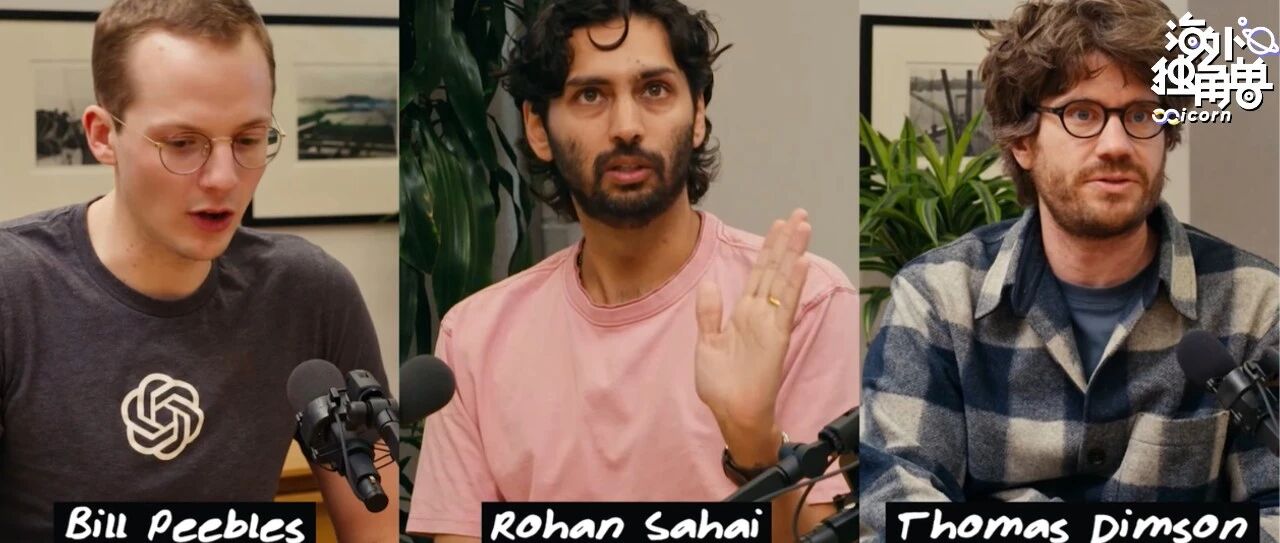
对谈 Sora 核心团队:Sora 其实是一个社交产品,视频生成模型会带来科研突破
海外独角兽· 2025-11-09 08:17
Core Insights - Sora 2 has rapidly gained popularity, topping the Apple App Store charts shortly after its launch, attributed to its unique features and viral potential [2][3] - The product emphasizes creativity and social interaction, distinguishing it from traditional video generation tools [3][4] - The Cameos feature allows users to integrate their likeness into AI-generated videos, enhancing personalization and engagement [5][8] - The long-term vision for Sora includes evolving into a "world simulator," capable of generating extensive video content for various applications, including scientific research [2][29] Group 1: Product Features and Development - Sora is designed as a social product, focusing on user creativity rather than passive content consumption [3][4] - The Cameos feature emerged unexpectedly as a core highlight, showcasing the product's ability to blend real and virtual elements [5][6] - The Storyboard function allows for the generation of coherent video segments from natural language, marking a significant advancement in video generation technology [6][8] Group 2: User Engagement and Community - The application aims to democratize content creation, enabling users of all skill levels to participate and grow as creators [10][11] - The recommendation system is designed to support creative expression rather than merely driving consumption, addressing concerns about algorithmic content overload [8][9] - The platform encourages remixing and collaborative creativity, fostering a community-driven environment [9][10] Group 3: Commercialization and Market Position - Sora is exploring monetization strategies, including a potential fee structure after a certain usage threshold, while ensuring a beneficial ecosystem for all participants [16][17] - The platform's unique features, such as Cameos, present new opportunities for brand marketing and content monetization [19][20] - The team is committed to maintaining a competitive edge in the rapidly evolving video generation market, focusing on user engagement and innovative features [25][26] Group 4: Future Prospects and Technological Advancements - The next breakthroughs in video generation technology are expected to involve longer-duration content and enhanced realism, with applications in various scientific fields [29][30] - The integration of Sora with other OpenAI projects, such as ChatGPT, is anticipated to create new interactive experiences for users [21][22] - The ongoing development of video models is seen as a key driver for advancements in robotics and other complex tasks, highlighting the potential for significant breakthroughs in these areas [31][32]
3.6亿,前腾讯混元技术负责人创业,0产品融资了
3 6 Ke· 2025-11-07 07:57
Core Insights - Video Rebirth, a video generation startup founded by Dr. Liu Wei, has completed a $50 million financing round to accelerate the development of its AI video generation model, "Bach" [2][3][4] Company Overview - Video Rebirth was established in October 2024 and is headquartered in Singapore, focusing on creating a "world model" for AI video generation [3] - The company plans to shift its focus from consumer-level tools to professional creative fields such as advertising, e-commerce, film, and animation [3][8] Technology and Development - The financing will support the development of the "Bach" model and the company's proprietary "Physics Native Attention" (PNA) architecture, which aims to address challenges in AI-generated entertainment by achieving accurate modeling of light, motion, and interaction [3][6] - Video Rebirth's previous model, Avenger 0.5 Pro, ranked second in the Artificial Analysis video arena, indicating its competitive position in the market [7] Market Position and Competition - The company aims to differentiate itself in the professional video generation market, which is highly competitive with major players like ByteDance and Kuaishou offering similar services [8] - The focus on high fidelity and physical consistency in video generation may provide Video Rebirth with a unique value proposition in a crowded landscape [8]


让AI生成视频「又长又快」:Rolling Forcing实现分钟级实时生成
机器之心· 2025-11-05 00:18
Core Insights - The article discusses a breakthrough in real-time long video generation through a new method called Rolling Forcing, developed by researchers from Nanyang Technological University and Tencent ARC Lab [2][4][12]. Group 1: Challenges in Real-Time Video Generation - Real-time long video generation faces a "impossible triangle" dilemma, where high quality, consistency, and real-time performance are difficult to achieve simultaneously [8]. - The core challenges include the need for sequential frame generation with low latency, the difficulty in eliminating error accumulation while maintaining consistency, and the limitations of self-regressive frame generation methods [10][11]. Group 2: Rolling Forcing Methodology - Rolling Forcing introduces a "sliding window" approach that allows for parallel processing of frames within a window, enabling real-time generation while correcting errors as they occur [12][14]. - The method incorporates three key innovations: 1. A sliding window for joint denoising, optimizing multiple frames simultaneously [14]. 2. An Attention Sink mechanism to ensure long-term consistency by caching initial frames as global anchors [14]. 3. An efficient training algorithm that uses self-generated historical frames to simulate real inference scenarios [14]. Group 3: Experimental Results - Rolling Forcing demonstrates significant improvements over existing methods, achieving a generation speed of 16 frames per second (fps) while maintaining low error accumulation [17][20]. - In qualitative comparisons, Rolling Forcing maintains high fidelity in long video generation, avoiding issues like color drift and detail degradation that affect other models [20][21]. Group 4: Future Directions - Future research may focus on optimizing memory mechanisms for better retention of key information, improving training efficiency to reduce computational costs, and minimizing interaction delays for applications requiring ultra-low latency [25].

不上班在家怎么赚钱:在家靠AI工具生成视频每月也能有5000+的进账
Sou Hu Cai Jing· 2025-11-02 18:59
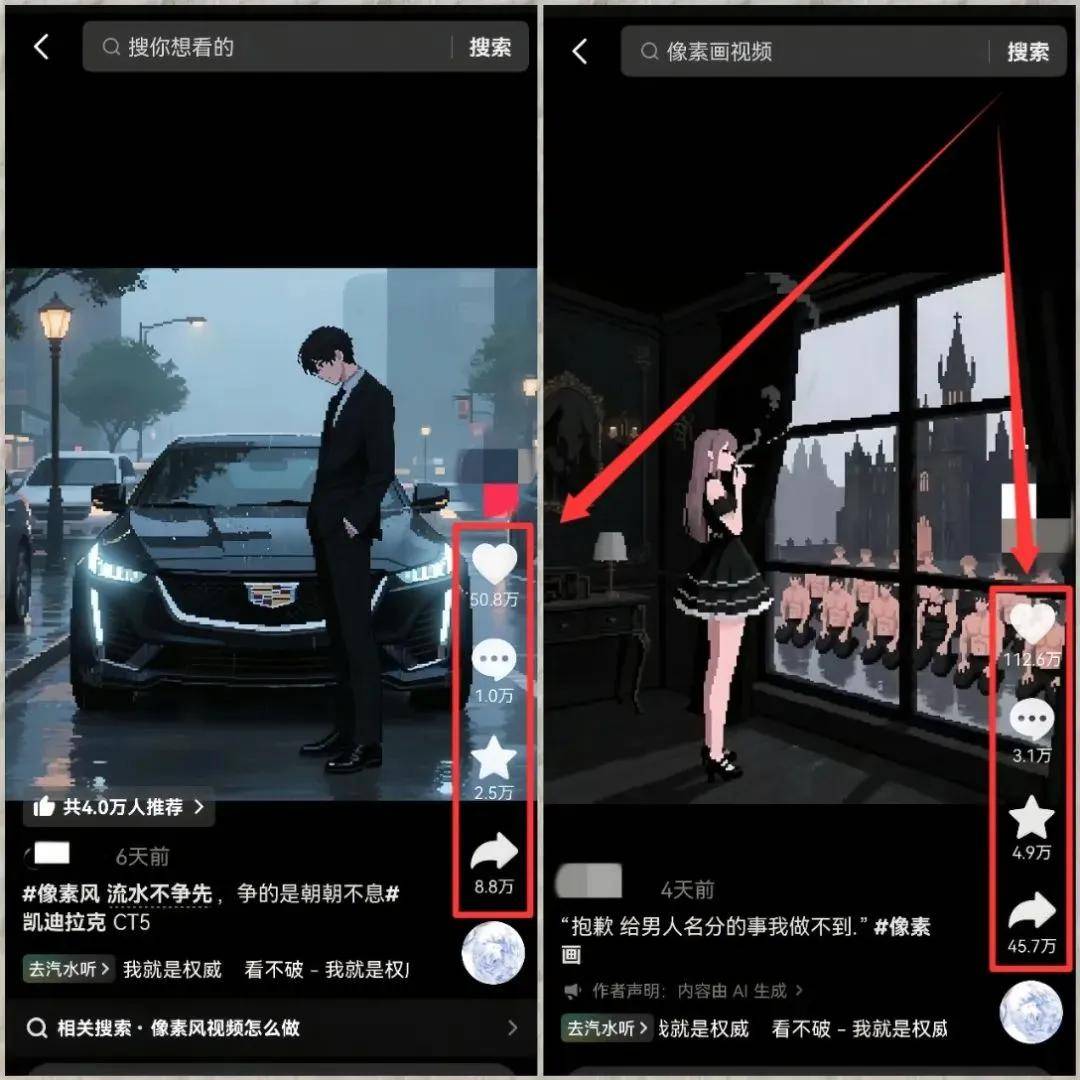
Core Insights - The article discusses a new trend in creating pixel art videos using AI tools, emphasizing the ease and efficiency of the process for individuals looking to generate income without extensive design skills [1][4]. Group 1: Market Demand and Opportunities - There is a significant demand for pixel art videos, as evidenced by a community member gaining over 8,000 followers in a week by posting such content [2]. - The concept of "information asymmetry" plays a crucial role, where many individuals appreciate pixel art but lack the skills or knowledge to create it themselves, indicating a market opportunity [4]. Group 2: Monetization Strategies - Selling pixel art services on platforms like Xianyu (闲鱼) is suggested as a low-effort way to monetize this trend, with prices ranging from 3 to 8 yuan per item [7]. - Another strategy involves leveraging platform traffic by creating a TikTok account, reaching 1,000 followers, and utilizing the TikTok Partner Program to earn revenue from video views [9]. Group 3: Simplified Process for Content Creation - The article outlines a three-step process for creating pixel art videos using AI, which includes generating images with simple commands, setting parameters, and compiling them into videos [13][15]. - This method is designed to be quick and efficient, allowing users to produce content in a matter of minutes, making it suitable for those with limited time [17].
从视频生成工具到“世界模型”距离有多远?
Zhong Guo Jing Ying Bao· 2025-10-31 09:49
Core Insights - OpenAI's Sora is positioned as a significant milestone towards achieving AGI, with its second generation, Sora2, launching in October 2025 and achieving over 1 million downloads within five days, surpassing ChatGPT's growth rate [1] - The video generation model sector has attracted major tech companies like Google and Meta, as well as numerous startups, indicating a competitive landscape [1] - The rise of AI video generation tools is democratizing content creation, allowing a broader audience to produce high-quality content, thus shifting the focus back to creativity and imagination [2] Industry Trends - The video generation technology is entering a mature phase, impacting various fields including social media, micro-dramas, and professional content creation, leading to a comprehensive transformation of the video content ecosystem [4] - AI-generated videos are becoming a new form of social currency on platforms like Douyin and WeChat, catering to consumer demands for personalization and emotional expression [2] - The market for AI video generation is projected to grow from $615 million in 2022 to $717 million in 2023, with an expected CAGR of 20% reaching $2.563 billion by 2032 [8] Competitive Landscape - Companies like Meituan are entering the video generation space, focusing on integrating these technologies into their existing business models rather than competing solely on technical specifications [6][7] - The competition is shifting from a focus on general models to vertical ecosystems, emphasizing the importance of aligning AI-generated content with specific business scenarios [7] - The development of specialized models for targeted tasks is anticipated, moving away from the traditional LLM approach of "base model + fine-tuning" [7] Challenges and Considerations - Achieving the vision of a "world model" requires overcoming significant challenges, including accurate simulation of complex physical laws and ensuring content controllability [7] - Concerns regarding the misuse of AI-generated content and the potential for creating indistinguishable fake videos pose regulatory and societal challenges [7]
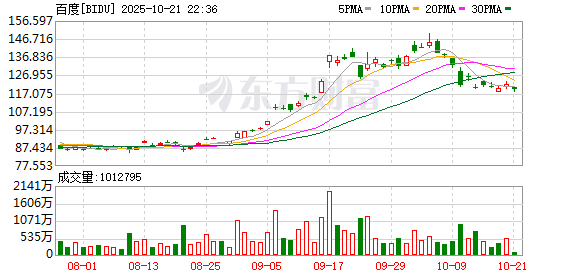
Sora App的AI视频社交,给了百度们新希望
3 6 Ke· 2025-10-24 03:25
Core Insights - The release of Sora 2 has prompted both Baidu and Google to accelerate their AI video model launches, indicating a competitive pressure in the market [1] - Sora 2 is described as a significant advancement in AI video generation, evolving from a "text-to-video" tool to a "creative ecosystem" platform, which could reshape content creation business logic [1][2] - The competition among major AI model providers has shifted from simple model comparisons to product implementation and monetization strategies [1][2] Technical Advancements - Sora 2 has made substantial improvements in video generation quality and interactivity, including better physical consistency, enhanced controllability, and the introduction of native audio features [4][7] - The model allows for real-time interaction during video generation, enabling users to create videos of unlimited length and modify content dynamically [9] Market Performance - Sora App achieved the top position in the US App Store free applications chart shortly after its launch, surpassing established apps like ChatGPT and Gemini [9][12] - Despite being in an invitation-only testing phase, Sora garnered 164,000 downloads in its first two days, indicating strong market potential [12] User Engagement Features - The app incorporates innovative features such as Cameo and Remix, which enhance user engagement by allowing for immersive interactive videos and user-generated content [14][13] - The invitation system promotes social virality, as new users can invite friends, creating a sense of exclusivity and increasing the app's perceived value [14] Strategic Implications - OpenAI's shift from being a tool provider to an ecosystem builder is evident, as Sora aims to connect IP owners with creators, establishing a revenue-sharing model [17][18] - The potential for monetization through user-generated content could transform the landscape of AI video applications, making it a viable platform for creators and IP holders alike [18][22] Industry Response - Competitors in the domestic market, such as Baidu and 360, are likely to pursue similar social features to enhance their AI video offerings, as they recognize the importance of social engagement in driving user adoption [14][22] - The success of Sora may inspire other companies to develop independent AI video applications, particularly in overseas markets where it poses a competitive threat [15][22]


对话百度蒸汽机团队:国内视频生成模型赛道非常“卷” Sora2发布后团队都没休假
Zhong Guo Jing Ying Bao· 2025-10-21 14:35
Core Insights - The competition in the video generation model sector has intensified significantly following the launch of OpenAI's Sora2, which features 10-second audio-visual integration and social sharing capabilities, leading to a viral response and increased pressure on domestic video model teams [2][3]. Group 1: Industry Response - Domestic video generation model teams, including Baidu's Steam Engine and Kuaishou AI, have ramped up their efforts, with teams working continuously during the National Day and Mid-Autumn Festival holidays to keep pace with Sora2's impact [2][3]. - Baidu's Steam Engine team has demonstrated rapid innovation, achieving two major updates within 50 days, showcasing the urgency and intensity of competition in the sector [3]. Group 2: Technological Advancements - The latest upgrade of Baidu's Steam Engine has broken the traditional 10-second video generation limit, enabling real-time interactive long video generation, allowing users to modify content during the creation process, marking a shift from "one-time output" to "dynamic creation flow" [4][6]. - The team has innovatively combined autoregressive streaming generation with diffusion models to address the challenges of real-time video generation, which typically faces exponential cost increases with longer time windows [5][6]. Group 3: Market Dynamics - The competitive landscape is characterized by a lack of long-term technological advantages, with execution speed becoming the key differentiator among teams [4][5]. - Despite Sora2's popularity, Baidu's Steam Engine team plans to maintain its pricing strategy, focusing on long-term cost reductions through technological advancements rather than engaging in short-term price wars [6].