文化传承

Search documents
“汉武帝被活埋”雕像给地方文旅出了道必答题
Xin Lang Cai Jing· 2026-01-06 16:24
据悉,这座2020年建成、高12.5米的"汉武雄风"雕塑作品,以红砂岩雕琢,仅露出汉武帝头部,身体隐 于戈壁之中,脚下六块石头对应河西四郡及两关(指的是玉门关和阳关)。 作为清华大学美术学院教授董书兵发起的"荒野艺术计划"作品的一部分,其本应是艺术与历史交融的佳 作,不想几年后却陷入争议漩涡。 (来源:千龙网) 地方文旅部门在引入艺术作品时,需做好艺术与大众之间的桥梁。 据报道,近日,位于甘肃瓜州的"汉武雄风"雕像在网络上引发争议。有网友认为,雕像只有头没有身 体,仿佛汉武帝被埋了。对此,瓜州县委宣传部的一位工作人员也向记者坦言:刚开始的时候大家评价 都挺好的,当时文旅部门也有过(雕像创意的)解释。 这就需要建立制度化的沟通与导览机制,通过专业的讲解、丰富的活动,帮助大众理解艺术作品的内 涵,化解误解与分歧。 事实上,此次雕塑争议本身并非一定是坏事,它让更多人关注瓜州、关注河西文化。瓜州文旅应把握这 一契机,化争议为动力,加强对"汉武雄风"雕塑的解读与宣传,为地方文旅发展开辟新的道路。 从视觉层面看,此次争议凸显了艺术创作与大众审美习惯的错位。创作者"以祁连为躯,以大地为体"的 巧思,试图彰显汉武帝"列四郡据 ...
习近平总书记关切事·嘱托|文化传承人的薪火实践
Xin Hua She· 2026-01-06 14:28
Core Viewpoint - The article emphasizes the importance of cultural heritage preservation and innovation in traditional crafts, showcasing various practitioners who blend traditional techniques with modern creativity to ensure the continuity of Chinese culture across generations [1][9]. Group 1: Cultural Heritage and Transmission - Xi Jinping's call for the transmission of excellent traditional Chinese culture is exemplified by cultural inheritors who actively practice and innovate within their crafts [1]. - Suzhou's Su embroidery, represented by Lu Jianying, showcases a family tradition spanning four generations, highlighting the blend of traditional skills with modern design [2][3]. - The significance of Su embroidery as a cultural symbol of China is underscored, with its 2000-year history recognized as a national intangible cultural heritage [3]. Group 2: Innovation in Traditional Crafts - The article discusses the innovative practices of cultural inheritors, such as Lu Jianying, who incorporates modern artistic elements into traditional embroidery, thus revitalizing the craft [4]. - In Guizhou's Zhaoxing Dong Village, the wax dyeing craft is being preserved and innovated by Lu Yongmei, who has expanded her cooperative from 7 to over 200 members, integrating modern aesthetics into traditional techniques [6][7]. - The cooperative has developed over 600 new products, reflecting a successful adaptation to market demands while preserving traditional dyeing methods [8]. Group 3: Technological Integration in Cultural Preservation - The Dunhuang Academy employs advanced technology for the preservation of cultural heritage, focusing on preventive measures rather than just restoration [9][10]. - The establishment of a large-scale climate simulation laboratory aims to enhance the protection of cultural relics, ensuring their longevity through scientific methods [9]. - Collaborative efforts with Kyrgyzstan aim to address common challenges in the preservation of Silk Road cultural heritage, indicating a commitment to international cooperation in cultural preservation [11].
“汉武帝被活埋”雕像,给地方文旅出了道必答题
Xin Jing Bao· 2026-01-06 08:26
这警示地方文旅部门,在引入艺术作品时,不能仅注重其艺术价值,更要考虑大众的审美习惯和接受程 度,做好艺术与大众之间的桥梁。 文化解读的分歧,也反映出公共艺术创作在文化传承上的责任与挑战。部分人认为这是艺术创新,是对 历史人物和文化的独特诠释;而另一部分人则质疑其亵渎历史人物。 这背后,是不同群体对文化传承方式的不同理解。公共艺术创作作为文化传承的一种形式,虽不同于文 物保护等工作,但也应遵循尊重历史、传承文化的原则。创作者在追求艺术创新的同时,要确保作品不 会对历史文化造成误解或歪曲。地方文旅部门有责任引导大众正确理解艺术作品与文化传承的关系,让 艺术创作成为文化传承的助力而非阻力。 传播偏差效应进一步放大了此次争议。这座雕塑初期正面评价与当下负面舆论形成强烈反差,这提醒地 方文旅部门,在宣传推广艺术作品时,不能只注重前期的宣传造势,而忽视后期的持续引导。在信息传 播迅速的今天,一个小的争议点可能被无限放大,对地方文旅形象造成负面影响。对此,地方文旅部门 应建立长效的宣传机制,及时回应公众关切,引导舆论朝着积极健康的方向发展。 据极目新闻报道,近日,位于甘肃瓜州的"汉武雄风"雕像在网络上引发争议。有网友认为, ...
大学生长城哽咽诵诗,文化传承的动人模样
Xin Lang Cai Jing· 2026-01-05 18:44
Group 1 - The core message emphasizes the powerful emotional connection and cultural resonance that traditional poetry and historical sites like the Great Wall can evoke in individuals, particularly the youth [1][2] - The article highlights a shift in the dissemination of traditional culture from a one-way teaching approach to a more interactive and experiential engagement, as seen in various cultural initiatives [2][3] - The increasing participation of young people in cultural activities, such as reciting poetry at historical sites, signifies a revitalization of traditional culture and its integration into modern life [2][3] Group 2 - The article notes that the vitality of culture lies in its practical application in daily life, rather than being preserved in isolation, which is increasingly recognized by the younger generation [3] - It points out that the characteristics of the short video era, where young people express themselves in spontaneous and authentic ways, align well with the needs of cultural transmission [3] - The future vision encourages more young individuals to engage with traditional culture in natural settings, thereby infusing it with vitality and creativity [3]
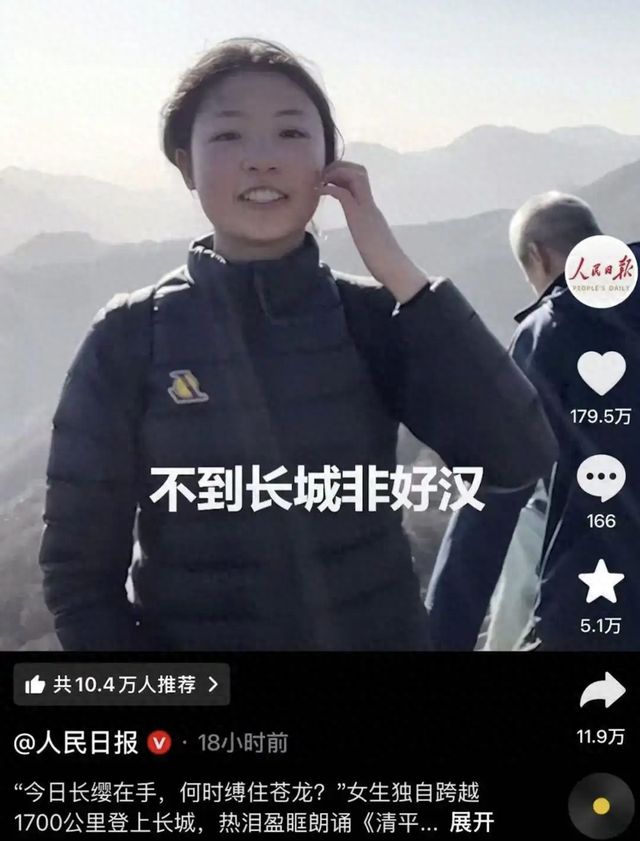
快评 | 00后一曲“长城诵”何以燃爆全网?
Xin Lang Cai Jing· 2026-01-05 15:37
转自:扬子晚报 近日,一段视频在社交平台走红——19岁大四女生陈欣妍从湖南来到北京,在八达岭长城热泪盈眶朗诵 《清平乐·六盘山》,很多网友动容慨叹"这是怎样的一种浪漫"。随即,八达岭文旅集团向全国"陈欣妍 们"发出热情邀请,近期已有多名大学生登临长城时,自发吟诵古诗词。这般相继响起的朗诵声,不仅 展现出年轻一代对传统文化的热爱与认同,也唤醒了深植于血脉之中的文化记忆。 据北京日报报道,陈欣妍早已对"不到长城非好汉"心生向往,当她真正登上八达岭,瞬间就被长城的雄 伟壮阔所震撼,为给此行画上圆满句号,她决定录制朗诵《清平乐·六盘山》的视频。因心情激动,第 一次录制未能成功,第二次刚说出"天高"二字便已哽咽。而当她诵到"不到长城非好汉"时,一名游客随 之呼应"屈指行程二万"。这份来自现场的共鸣给了她莫大的鼓励。 "今日长缨在手,何时缚住苍龙?"陈欣妍自信而又激动地诵读,迅速在网上收获超过500万点赞,评论 区一时间成为当代青年情感共鸣的聚集地。有人分享自己登长城时背诵《沁园春·雪》的经历,也有很 多人表达了对"诗与远方"的向往。这场看似简单的诗词朗诵,实则是跨越时空的情感对手,每一次点 赞、每一条留言,都是当代青年 ...

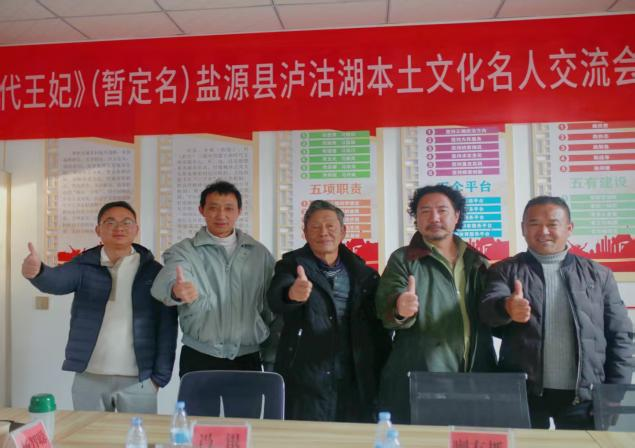
两年五赴泸沽湖深耕历史 《末代王妃》剧本获本土名家盛赞
Yang Shi Wang· 2026-01-05 08:10
交流会上,剧本所展现的严谨态度与艺术完成度,赢得了在场文化名家们的高度评价。四川摩梭文 化协会会长李达珠指出,剧本"叙事视角新颖,人物命运跌宕而根基坚实",不仅准确把握了民族交融的 历史脉络,更将泸沽湖的山水灵气化为叙事的内在肌理,"让风景成为有情的角色"。作为肖淑明的亲 属,同时也是盐源县文化馆馆长,喇友爪凭借其独特的双重身份,为剧本的真实性提供了来自家族记忆 与专业视角的双重印证。他特别提及剧本中对肖淑明左撇子习惯、喇宝臣"大耳朵"特征等细节的捕 捉,"让我仿佛亲见长辈们的生活场景,瞬间重回那段历史"。他个人对剧本表示高度认同,并期待影片 的拍摄。 盐源旅游局副局长冯银展望,影片有望成为摩梭非物质文化遗产的生动影像志,使甲搓舞的豪迈、 摩梭服饰的华美及其背后深厚的生活哲学,得以借银幕之光远播。盐源县文联主席杨志聪则从文化发展 近日,电影《末代王妃》(暂定名)本土文化名人交流会在四川盐源举行,摩梭文化研究者、地方 史学者与包括主人公肖淑明亲属在内的各界人士齐聚一堂,围绕这部历时近两年、主创团队十余次深入 泸沽湖地区打磨完成的剧本展开深度研讨。现场既是对文本的审阅,更是一场关于历史记忆、文化传承 与艺术表达的 ...
以“文化+科技”激发文化创新创造活力
Xin Lang Cai Jing· 2026-01-04 19:01
Group 1 - The core viewpoint emphasizes that cultural prosperity is a significant indicator of Chinese-style modernization, and without the development of socialist culture, there can be no socialist modernization [1] - The 20th Central Committee's Fourth Plenary Session highlights the importance of integrating culture with technology to promote cultural construction and develop new cultural formats as a key path to building a culturally strong nation [1][2] - The integration of culture and technology is seen as essential for enhancing cultural supply quality and meeting the growing personalized demands of the public [2][3] Group 2 - The article outlines the basic requirements for activating cultural innovation and creativity, stating that culture is the spiritual foundation of national rejuvenation, while technology is the core driving force for social change [2] - It emphasizes the need for deep integration of culture and technology across various fields to inject strong momentum into the construction of a culturally strong nation [3] - The article discusses the importance of using new technologies like big data, IoT, cloud computing, and AI to preserve and promote traditional Chinese culture, ensuring it remains relevant in modern times [4] Group 3 - The article highlights the role of technology in fostering cultural innovation and creating new cultural formats, urging the cultural industry to leverage opportunities presented by the digital economy [5] - It suggests creating immersive cultural experiences and developing new digital cultural consumption models to enhance public engagement and participation in cultural activities [5][6] - The establishment of a modern public cultural service system that utilizes digital and intelligent means to meet the growing spiritual and cultural needs of the people is emphasized [6][7] Group 4 - The article discusses the importance of enhancing cultural dissemination through technology to improve national cultural soft power, advocating for innovative cultural communication methods in the digital age [8] - It suggests leveraging China's advantages in digital technologies to expand the international influence of Chinese culture, utilizing social media and immersive experiences to engage global audiences [8]
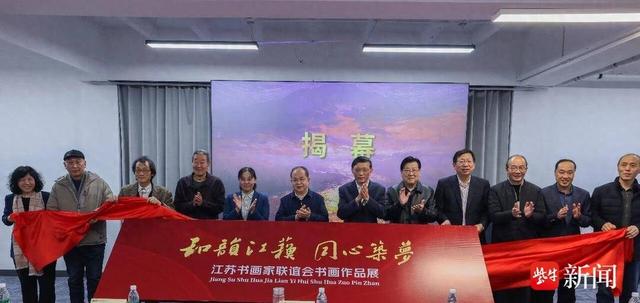
“和韵江苏 同心筑梦”江苏书画家联谊会书画作品展在南京大学开幕
Xin Lang Cai Jing· 2026-01-04 13:52
转自:扬子晚报 焦瑞华回顾了百廿南大艺术教育悠久历史,从最初的图画手工科到如今的"双一流"艺术学科,众多艺术 巨匠与学术名家曾在此为现代艺术教育奠定深厚基础。她希望以本次展览为契机,助力师生厚植文化自 信、增进文化认同,持续推动艺术育人、文化传承。 12月30日,由江苏中华文化学院主办、南京大学艺术学院承办、中国标准草书学社协办的"和韵江苏 同 心筑梦"江苏书画家联谊会书画作品展在南京大学艺术学院隆重启幕。 江苏省委统战部常务副部长顾万峰,江苏省委统战部副部长、江苏中华文化学院党组书记潘漫,南京大 学党委副书记焦瑞华,江苏省文史研究馆书画院院长、民进江海书画会会长萧平,江苏省政协常委、澳 门书画研究院院长孙蒋涛,江苏书画家联谊会会长刘云、副会长徐建明等嘉宾出席活动。南京大学艺术 学院党委书记周计武主持开幕式。江苏书画家联谊会理事、江苏高校青年艺术家代表等百余人参加。 潘漫在致辞中指出,书画是中华优秀传统文化的璀璨瑰宝,也是连接心灵的桥梁,未来江苏中华文化学 院将继续支持江苏书画家联谊会,搭建更多文化交流平台,深化苏港澳台侨艺术家之间的互动互鉴,让 中华优秀传统文化在交流中焕发更持久的生命力。 刘云在致辞时说, ...
2026年春考语文卷点评:紧扣时代以文化人 聚焦素养引领教学
Xin Lang Cai Jing· 2026-01-04 03:30
Group 1 - The 2026 Shanghai Spring Examination Chinese Language Test emphasizes the fundamental task of moral education and assesses core subject competencies, positively guiding teaching and aiding in the scientific selection of talent [1][2] - The test paper incorporates a wide range of materials that encourage candidates to explore the future through technology, focus on current social practices, and value culture in urban development, reflecting a teaching orientation that emphasizes cultural education [4][5] - The test promotes traditional Chinese culture, starting with the recitation of a famous line from "Li Sao," encouraging candidates to pursue moral goodness and reflect on life values through various literary works [4][6] Group 2 - The test closely aligns with curriculum standards, creating authentic language use scenarios and fulfilling learning task requirements, thereby achieving a comprehensive assessment of core literacy in the Chinese language subject [6][7] - Social science text readings are designed to construct a space for critical thinking, guiding candidates to analyze logical relationships and differing viewpoints, fostering awareness of contemporary cultural participation [6][7] - The overall structure, scoring ratio, question types, and quantity of the test remain stable, with clear wording and reasonable difficulty levels, ensuring scientific and fair examination practices [7][8]
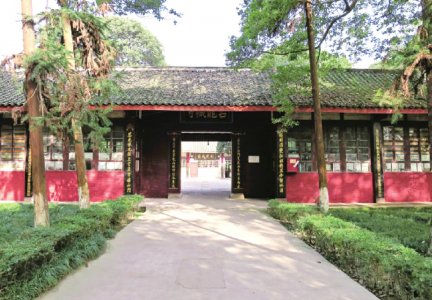
成都这座古刹藏了三重身份
Xin Lang Cai Jing· 2026-01-03 19:18
位于成都市新都区的龙藏寺。图据四川省红色遗址普查汇编(成都卷) 龙藏寺明代壁画(修复前)。图据成都方志 据《新都县志》记载:"龙藏寺在新繁镇西三里龙安乡。初名慈惠庵,始建于唐贞观三年(629年)。宋 大中祥符元年(1008年),扩大为寺,更名龙藏。"如今,这座位于成都市新都区新繁街道荣军路的千 年古刹,红墙覆霜、黛瓦凝素,静静矗立于时光长河。历经岁月沧桑,它早已不只是一处佛教圣地,更 成为融历史底蕴、红色基因与时代价值于一体的文化地标,承载着三重深厚而鲜明的身份印记。 龙藏寺牌匾。图据成都方志 龙藏寺碑林。图据成都方志 □张洪林 "雪锁禅扉静,风传古寺香。"冬日龙藏寺,在清冽天光中愈显沉静厚重。 烽火岁月里,这座古刹隐去禅意,化作热血奔涌的革命阵地。1939年6月,为躲避日机轰炸,成都协进 中学迁至龙藏寺办学。中共川康特委顺势将教员党支部改建为中共新繁特别支部,30余名党员教师与80 余名学生党员在此秘密开展活动。 据《四川省革命伤残军人休养院院志》记载,当时的龙藏寺,草棚教室中传出抗日救亡的激昂歌声,毗 卢殿旁的厢房里,《新华日报》《论持久战》等进步书报被师生们悄悄传阅。校长萧华清曾亲自往返成 都为师生取报 ...