门罗主义

Search documents
特朗普下达全面封锁令,没收中国香港油轮,威胁到了我国能源命脉
Sou Hu Cai Jing· 2025-12-26 07:33
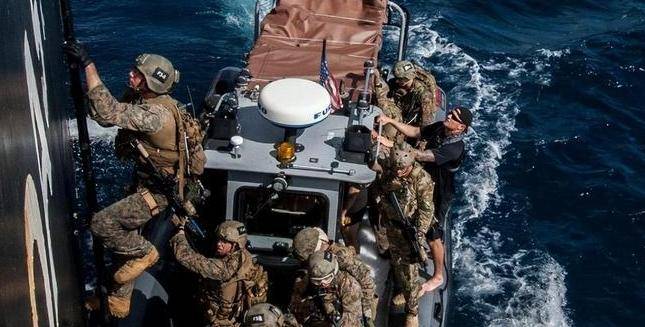
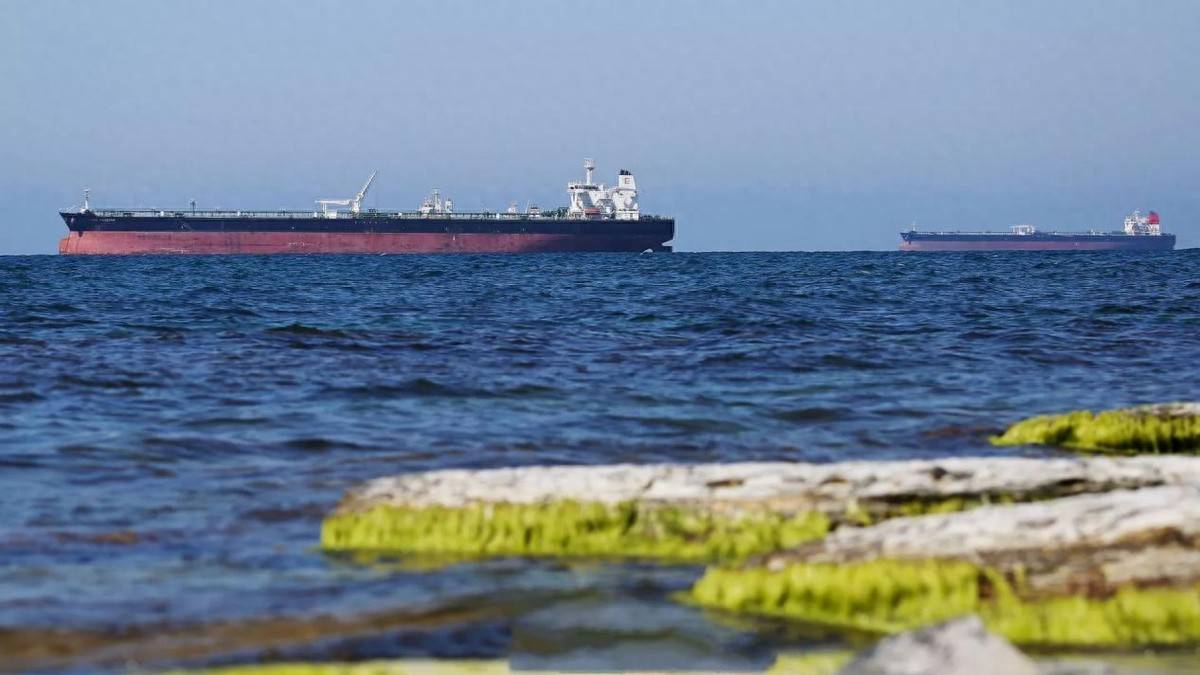
特朗普下达全面封锁令,没收中国香港油轮,威胁到了我国能源命脉 美国这波对委内瑞拉的石油封锁,真是够狠,完全不留情面。 特朗普政府直接把"选择性制裁"升级成了准战时的海上封锁,等于公开宣告:只要你跟委内瑞拉石油沾边,不管你是哪国的船,都 有可能被美国人拦下来,查你、扣你、甚至直接把你的油拉走。 这操作,简直明抢,披着"制裁"的外衣,实际上就是资产掠夺。 要说美国是为了所谓的"民主自由",这理由谁信?明眼人都看得出来,最根本的还是想掐断马杜罗政权的经济命脉,逼着对方撑不 下去,然后顺手把委内瑞拉全球最大那摊石油储量收进自己口袋,顺带还能打击一下和委内瑞拉合作最深的中国,真是一箭三 雕。 这次美国的行动比以往狠多了。 特朗普签的行政命令,直接授权海岸警卫队和海军在公海上拦截船只,连第三方国家的船也不放过。 你说你是香港的船,或者挂别的旗?没用,只要你运的是委内瑞拉的石油,美国就敢上来扣。 比如"世纪号"这种中国香港的大型油轮,明明是正常商业运输,结果还是被美方以各种理由直接带走,油也被转运到美国炼油厂, 或者干脆充当战略储备。 说白了,这就是系统性洗白劫掠,谁还信什么"自由贸易"?现在美国把马杜罗政权直接定性为"外 ...

特朗普下达全面封锁令,没收中国香港油轮,威胁到了中国能源命脉
Sou Hu Cai Jing· 2025-12-25 13:37
美方给这次行动换了个"温和"说法。12月24日有匿名白宫官员透露,所谓"全面封锁"实际是至少两个月的"石油隔离",还宣称优先用经济手段施压,军事选 项只是备用。可这不过是话术游戏,封锁本就是战争词汇,换个说法难掩霸权本质。 这次扣押比上一次更过分。本月早些时候美方扣船还拿着扣押令,而"世纪号"根本不在美方公开制裁名单上,美军甚至没持合法扣押令就登船控制。行动由 海岸警卫队主导,直升机送战术小组速降甲板,海军全程支援,全程透着赤裸裸的武力胁迫。 特朗普的真实目的早藏不住了。12月17日他公开放话,要把被"非法夺取"的委内瑞拉石油、土地全拿回来。这话看似蛮横,实则点出核心诉求——不是反 毒,不是所谓反恐,就是要推翻马杜罗政权,把全球最大石油储量重新攥在手里。 美国内对此也不乏反对声音。昆尼皮亚克大学民调显示,63%的美国选民不支持对委内瑞拉动武。众议院议员更是直接指出,海上封锁就是战争行为,而且 是国会没授权、民众不认可的战争,背后是特朗普政府的政权更迭野心。 委内瑞拉没坐以待毙。政府当天就谴责这是"盗窃和劫持",全国代表大会还火速通过法律,专门应对这类海盗行径。马杜罗已下令海军护送本国油轮,同时 宣布要向联合国 ...
安理会激辩委内瑞拉问题
Xin Lang Cai Jing· 2025-12-25 03:02
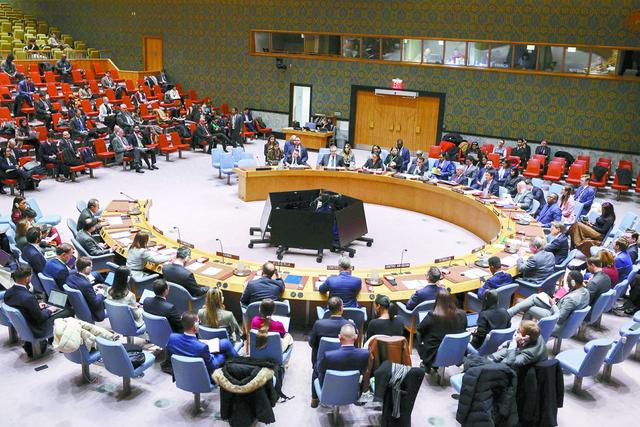
Core Viewpoint - The United Nations Security Council held an emergency meeting regarding the situation in the Caribbean, focusing on U.S. pressure on Venezuela, with representatives from multiple countries expressing strong opposition to U.S. actions and support for Venezuela [3][4][5]. Group 1: U.S. Actions and International Reactions - The U.S. has increased military deployments in the Caribbean, which is a critical area for global oil supply and maritime shipping, combining military deterrence, political pressure, and economic calculations [3][9]. - Russia's representative described U.S. actions as "clear and absolute aggression," while the U.S. claimed that the Venezuelan government poses an unusual threat to peace and stability in the Western Hemisphere [3][4]. - China and Russia, along with other countries like Colombia, expressed support for Venezuela and criticized U.S. actions as violations of international law [3][4][7]. Group 2: Venezuela's Legislative Response - Venezuela's National Assembly passed a law aimed at protecting trade and navigation from "piracy, blockades, and other illegal international actions," imposing severe penalties for those involved in such activities [7]. - The law is a direct response to U.S. actions against Venezuelan oil tankers, which Venezuela's representative characterized as "armed robbery" in international waters [5][7]. Group 3: Broader Implications for Latin America - The situation in Venezuela is seen as part of a larger U.S. strategy that could target other Latin American countries, raising concerns about regional stability [6][10]. - The military buildup by the U.S. in the Caribbean is viewed as the largest in recent years, with significant troop deployments and military equipment being moved to the region [9][10]. - The geopolitical tension in the Caribbean is escalating, with potential implications for governments, central banks, and energy companies across Latin America [10].
安理会激辩委内瑞拉问题,多国反对美国武力威胁
Huan Qiu Shi Bao· 2025-12-24 22:56
Core Viewpoint - The United Nations Security Council held an emergency meeting regarding the situation in the Caribbean, with representatives from multiple countries engaging in heated debates over U.S. actions towards Venezuela, which were described as aggressive and a threat to regional stability [1][2][3]. Group 1: U.S. Actions and Responses - The U.S. representative claimed that the Venezuelan government poses an unusual threat to peace and stability in the Western Hemisphere, accusing it of funding criminal and terrorist organizations with oil revenues [3]. - The U.S. has increased military deployments in the Caribbean, with reports indicating that approximately 15,000 soldiers are currently stationed in the region, marking one of the largest naval deployments in recent years [9]. - Russia's representative warned that the U.S. intervention in Venezuela could serve as a template for future actions against other Latin American countries, highlighting a broader concern about U.S. foreign policy in the region [2][4]. Group 2: International Reactions - China and Russia, along with several other countries, criticized the U.S. for its unilateral actions and called for respect for international law, emphasizing Venezuela's right to self-determination and cooperation with other nations [2][5]. - Venezuela's representative characterized U.S. actions as a "military robbery" and a significant act of extortion, asserting that the U.S. is the real threat, not Venezuela [3][4][6]. - The Venezuelan National Assembly passed a law aimed at protecting trade and navigation rights against what it termed "piracy" and illegal actions by the U.S., indicating a legislative response to U.S. sanctions and military threats [7]. Group 3: Broader Implications - The geopolitical tensions in the Caribbean are seen as escalating, with potential implications for the entire Latin American region, as countries monitor the situation closely [9]. - The ongoing U.S. military presence and actions are perceived as a shift from a low-intensity conflict zone to a potential crisis front, raising concerns among regional governments and financial institutions [9].
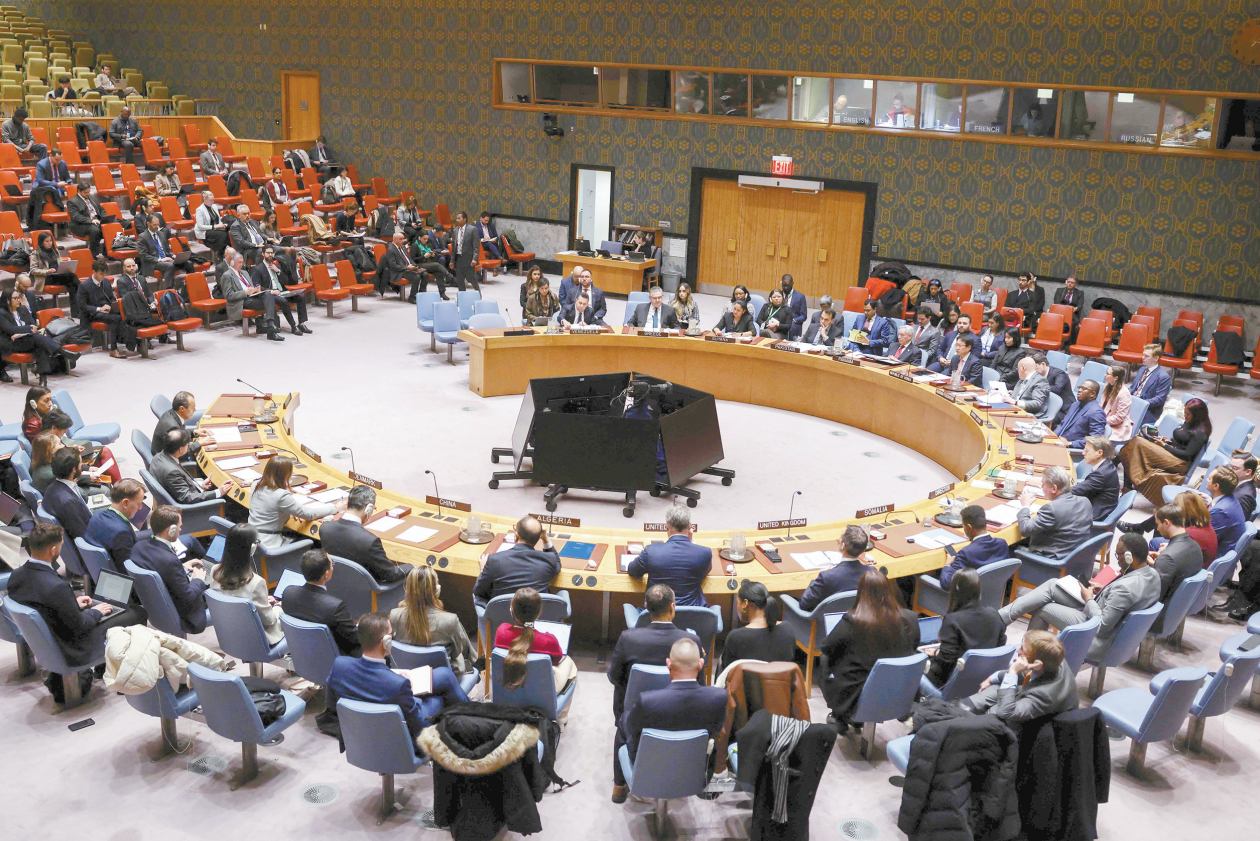
美国频频拦截扣留油轮 委内瑞拉出台“反海盗法”
Xin Lang Cai Jing· 2025-12-24 18:49
Group 1 - Venezuela has enacted a "Counter-Piracy Law" to protect its sovereignty and freedom of navigation in response to the U.S. intercepting oil tankers in international waters [1][7] - The law imposes penalties of up to 20 years in prison for those involved in piracy, blockades, or other illegal international actions [1] - The Venezuelan National Assembly's chairman stated that the law provides legal protection for the country's trade and sovereignty interests [1] Group 2 - Oil exports are a crucial economic pillar for Venezuela, and the country condemns U.S. actions as acts of piracy [2] - The U.S. aims to deprive Venezuelan President Maduro of resources through sanctions, as oil is considered the government's main economic lifeline [2] - Venezuela's UN representative accused the U.S. of being a power that operates outside international law [2] Group 3 - The U.S. claims that the Venezuelan government poses an unusual threat to peace and stability in the Western Hemisphere [3] - The U.S. has labeled the Venezuelan government and its associates as terrorist organizations, which Venezuela denies [3] - Venezuela's representative described U.S. actions as the largest act of extortion in history, aimed at benefiting U.S. oil companies [3] Group 4 - Russia condemned U.S. actions as illegal aggression and highlighted the threat posed to the entire Latin American region [4] - The U.S. National Security Strategy indicates a commitment to maintaining dominance in the Western Hemisphere and increasing military presence in Latin America [4] - The U.S. has been deploying military assets under the pretext of anti-drug operations near Venezuela [6] Group 5 - The U.S. has increased its military presence in the Caribbean, deploying special operations aircraft and personnel to exert pressure on the Venezuelan government [6] - Reports indicate that at least 10 CV-22 Osprey aircraft have been sent to the Caribbean, along with military personnel and equipment [6] - The U.S. has threatened military action against Venezuela, with President Trump suggesting the possibility of ground operations against drug traffickers [6]
美国频频拦截扣留油轮 委内瑞拉出台“反海盗法”
Xin Hua She· 2025-12-24 11:06
Core Viewpoint - Venezuela has enacted a "Counter-Piracy Law" to protect its sovereignty and freedom of navigation in response to the U.S. intercepting and detaining oil tankers in international waters [1][2]. Group 1: Legislative Actions - The Venezuelan National Assembly unanimously passed a law on December 23, 2023, aimed at protecting navigation and trade from piracy and other illegal international actions, imposing penalties of up to 20 years in prison for those involved in such activities [2]. - The law is intended to provide legal protection for Venezuela's navigation freedom, trade, and sovereign interests [2]. Group 2: U.S. Actions and Responses - The U.S. has increased military presence in the Caribbean, including aircraft carrier strike groups, and has conducted multiple operations against alleged drug trafficking vessels linked to Venezuela, resulting in numerous casualties [2]. - The U.S. claims that the Venezuelan government supports drug trafficking organizations, which justifies its military actions and sanctions against Venezuela [2]. Group 3: International Reactions - During an emergency meeting of the UN Security Council, the U.S. representative labeled Venezuela as an "unusual threat," while representatives from Venezuela and Russia accused the U.S. of aggression and extortion [1][3]. - Russia condemned the U.S. actions as illegal blockades and a clear act of aggression, asserting that such actions threaten the entire Latin American region [4].
委内瑞拉常驻联合国代表:美方试图在全球制造分裂
Yang Shi Xin Wen Ke Hu Duan· 2025-12-23 23:12
当地时间23日,委内瑞拉常驻联合国代表萨穆埃尔·蒙卡达在联合国安理会紧急会议上谴责近期美国针 对委内瑞拉展开的一系列行动,称美国在加勒比海扣押油轮等一系列行为"比海盗行为更恶劣"。 蒙卡达警告,门罗主义正在回潮,美国正在试图将自己置身于西半球各国之上,在全球制造分裂。 近期美国在加勒比地区开展袭击、造成百余人死亡。蒙卡达说,美方行动公然违反国际法及其国内立 法,意图阻止世界同委内瑞拉开展正常贸易,削弱委经济和军事能力,破坏委内瑞拉社会团结,其真正 的目的是攫取委内瑞拉的石油、矿产和土地,使委内瑞拉沦为其殖民地。美国军事力量在加勒比地区发 动电子战行动,旨在制造安全事件。蒙卡达表示,委内瑞拉不会放弃捍卫和平,将按照联合国宪章行使 其正当权利。委内瑞拉要求美国立即停止武力行为,解除封锁,并防止上述行为再度重演。 蒙卡达表示,动荡并非源自委内瑞拉,而是由美国行动造成的。(总台记者 耿之倩) 责编:张青津、李萌 ...
U.S. tanker seizures target Maduro oil lifeline, MCC Global's Michelle Caruso-Cabrera
Youtube· 2025-12-22 12:44
Oil Market Implications - The US blockade on Venezuela is expected to temporarily reduce oil supply, which may support higher oil prices in the short term [1][2] - Venezuela's oil production is currently around one million barrels per day, significantly lower than its historical production of three and a half million barrels per day [2][3] - A potential change in leadership in Venezuela could lead to increased foreign investment and a rise in oil production, which would ultimately exert downward pressure on oil prices [2][3] Geopolitical Context - The US administration is leaning towards regime change in Venezuela, reflecting a broader strategy reminiscent of the Monroe Doctrine, aiming to maintain US control in the Western Hemisphere [4][5] - The presence of foreign entities such as China, Hezbollah, and Russia in Venezuela complicates the geopolitical landscape, as the US seeks to remove these influences [5][6] Investment Opportunities - A shift to a more investment-friendly regime in Venezuela could unlock various sectors beyond oil, including agriculture and gold mining, which are currently underutilized or illegal [8][9] - The potential for a more orthodox investment structure could lead to significant opportunities for investors in agriculture and mining sectors, given Venezuela's vast arable land and mineral resources [8][9]
汇添富基金韩贤旺:2026年宏观经济和投资机会展望
Sou Hu Cai Jing· 2025-12-22 08:16
Group 1 - The global economy is experiencing a return to Monroe Doctrine-like policies, impacting the long-standing Bretton Woods system and leading to trade friction and geopolitical tensions [1] - Companies targeting overseas markets must restructure their strategies in market expansion, product involvement, production restructuring, sales, and financing [1] Group 2 - The focus of global economic growth is on the competition in artificial intelligence, primarily between the US and China, with significant advancements expected in various tech sectors [2] - The rapid progress in AI and related technologies is breaking traditional tech growth patterns, creating new investment opportunities while also posing challenges such as job displacement due to skill mismatches [2] Group 3 - The restructuring of US-China relations is a significant variable affecting investments, with both countries likely to maintain a degree of distance in sensitive industries while still needing to cooperate in others [3] - There is optimism regarding the future competitive and cooperative relationship between the US and China, particularly in areas like AI and energy [3] Group 4 - Key investment opportunities include advancements in AI technology, robotics, low-altitude communication, commercial space, and biomedicine, with a focus on China's semiconductor self-sufficiency [4] - The importance of scarce resources is heightened due to global inflation and geopolitical tensions, making overseas expansion crucial for Chinese companies to capture new market shares [4] - Dividend advantages in equity assets remain attractive even in a low-interest-rate environment, providing opportunities amidst asset scarcity [4]
委内瑞拉危机,需要给美国算一笔“道义账”
Xin Lang Cai Jing· 2025-12-22 00:50
美国不断升级对委内瑞拉的行动引发国际社会广泛担忧。当地时间20日,美国在委内瑞拉附近海域扣押 第二艘油轮。同一天,巴西总统卢拉警告称,"对委内瑞拉进行武装干预将是西半球的人道主义灾难, 并将为世界开创危险的先例"。 此前美国盟友英国、法国、荷兰等国据报已暂停或限制与美共享该地区 情报。国际社会的反应清晰表明,美国此番行动不仅未能赢得认同,反而将其置于国际道义的对立面。 石油是委内瑞拉的经济命脉,日均产油量约100万桶。美国的封锁措施导致委内瑞拉原油出口量大幅下 降,不少装满石油的油轮停在委内瑞拉海域难以出海。这种针对一国经济命脉的"卡脖子"行为,将对该 国普通民众的生活造成灾难性影响。委内瑞拉政府已表示考虑宣布国家紧急状态以应对美方"侵略"威 胁,这预示着局势可能进一步升级。在俄乌冲突、巴以冲突战火未熄的背景下,人们都在担忧一场新的 风暴正在加勒比海积蓄能量。 纵观美国与拉丁美洲的关系史,"门罗主义"带来的恶果清晰可见。从发动美墨战争到掀起美西战争直接 占领古巴,从对古巴进行长期封锁到抢夺巴拿马运河修筑权,从发动"代理人"叛乱颠覆危地马拉和智利 合法政府到直接出兵"抓捕"巴拿马元首,美国从拉美掠夺资源、攫取利 ...