
农业农村现代化

Search documents
省政府领导与代表委员审议讨论政府工作报告
Da Zhong Ri Bao· 2026-01-30 01:00
Group 1: Government Work Report Overview - The government work report is characterized as objective and realistic, setting scientific and pragmatic goals while demonstrating a strong political consciousness and a commitment to practical work for the benefit of the people [1][4] - The report reflects the achievements during the "14th Five-Year Plan" period, highlighting that multiple indicators have led the nation, laying a solid foundation for high-quality development in the next five years [1] - The report emphasizes the importance of integrating the spirit of the 20th National Congress and the provincial party congress, aligning with national deployment and reflecting the aspirations of the people [1] Group 2: Agricultural and Rural Modernization - The report focuses on accelerating agricultural and rural modernization by enhancing productivity, improving grain production, and developing industries that benefit farmers [2] - It emphasizes the need for strong support through technology and talent, driving agricultural development with innovation [2] - The report advocates for deepening rural reforms and enhancing the capacity of county towns to promote urban-rural integration [2] Group 3: Cultural, Sports, and Health Sectors - The report acknowledges the significant role of cultural and sports work in promoting public health and economic development, aiming to create a favorable environment for the development of arts and sports [3] - It encourages the exploration of cultural resources to produce widely accepted quality works that meet the spiritual and cultural needs of the people [3] - The report highlights the strategic importance of the pharmaceutical industry, aiming for high-quality development and innovation to strengthen the industry as a new pillar for the province [5]
绘就和美乡村新画卷
Jing Ji Ri Bao· 2026-01-29 22:29
Core Insights - The article emphasizes the importance of agricultural modernization and rural revitalization as key components of China's overall modernization strategy, focusing on food security, farmer income growth, and rural development quality [1][2][3][4][5][6][7]. Agricultural Foundation Strengthening - The primary goal is to enhance the comprehensive production capacity and quality efficiency of agriculture, ensuring stable food supply for over 1.4 billion people [2][3]. - Transitioning from an agricultural power to an agricultural strong nation requires understanding global agricultural trends while considering domestic conditions [2]. Food Security - Food security is deemed a national priority, with continuous efforts needed to ensure stable grain production despite rising demand and changing consumption patterns [3][4]. - Emphasis on maintaining arable land and improving agricultural disaster resilience is crucial for securing food supply [3]. Nutritional and Food Supply Diversity - The article outlines the evolving dietary needs of residents, advocating for a diversified food supply system to meet modern nutritional requirements [4]. - Local resources should be utilized to develop various agricultural sectors, including modern livestock, fisheries, and facility agriculture [4][5]. Agricultural Strengthening - Despite achieving high production levels for major agricultural products, there are still gaps in labor productivity, technological advancement, and sustainable development compared to global agricultural leaders [5][6]. - The need for innovation in agricultural technology and practices is highlighted to improve efficiency and competitiveness [6]. Farmer Income Growth - Increasing farmer income is identified as a central task, with measures to promote stable income growth and reduce the urban-rural income gap [8][9]. - The implementation of a three-year action plan to develop the agricultural processing industry aims to enhance product value and farmer earnings [9]. Rural Prosperity - The article discusses the ongoing transformation in rural areas, emphasizing the need for improved infrastructure and public services to enhance living conditions [12][13][14]. - Rural revitalization efforts should focus on integrating urban and rural development, ensuring that rural areas benefit from economic growth [12][14]. Continuous Support for Farmers - The importance of maintaining support for low-income populations and ensuring no large-scale return to poverty is stressed [10][11]. - Development of a robust support policy framework is essential for sustaining rural growth and enhancing farmers' livelihoods [11]. Conclusion - The prospects for the agricultural sector in the new year are optimistic, with a focus on modernization and comprehensive rural revitalization [16].
岁稔年丰 乡村和美
Xin Lang Cai Jing· 2026-01-29 16:41
Core Insights - Jining is focusing on agricultural modernization, emphasizing food security, industrial revitalization, and rural construction by 2025, aiming to lead in multiple areas within the province [2] Food Security - Jining plans to build and upgrade 100,000 acres of high-standard farmland by 2025, maintaining a grain output of over 10 billion pounds, securing a top-four position in the province [3] - The city has created three national green high-yield project counties and three national corn and soybean yield improvement counties, implementing the "store grain in the ground and technology" strategy [3] - In the first three quarters, vegetable and edible fungus production reached 6.35 million tons, and freshwater product output was 252,000 tons, leading the province in freshwater fisheries [3] Rural Revitalization - Jining's rural revitalization strategy has successfully completed the third batch of 90 city-level areas, with a total of 1 national-level and 3 provincial-level demonstration counties established [4] - The city has created a multi-level, systematic area construction pattern, with 3,783 villages influenced by these areas, receiving high praise from the Central Policy Research Office [4] Industrial Development - Jining is focusing on a "one county, one main industry" approach, aiming to build a trillion-level food industry cluster, with agricultural processing enterprises generating revenue of 44.4 billion yuan from January to October 2025 [5] - The city has added one national agricultural industrial strong town, bringing the total to 10, and has three national-level industrial clusters, ranking first in the province [5] - The total output value of agriculture, forestry, animal husbandry, and fishery reached 86.15 billion yuan in the first three quarters, maintaining the second position in the province [5] Rural Reform and Environment - Jining is advancing rural reforms, with successful pilot projects in rural property rights and comprehensive rural reform, injecting new vitality into rural development [6] - The city has achieved a 100% harmless treatment rate for household waste and has cleared dynamic black and odorous water bodies, constructing 1,830 beautiful rural projects [6] Future Outlook - By 2026, Jining aims to ensure grain output remains above 10 billion pounds and will focus on cultivating 11 full industrial chains, enhancing rural industry upgrades and value addition [6] - The city plans to initiate a rural revitalization enhancement action, creating over 200 beautiful rural areas, ensuring both aesthetic and quality improvements [6]

锚定现代化 筑牢“三农”底座
Xin Lang Cai Jing· 2026-01-28 23:07
Core Viewpoint - The article emphasizes the importance of agricultural and rural development in Anhui Province, highlighting the need for modernization and comprehensive rural revitalization as foundational support for achieving China's modernization goals. Group 1: Agricultural Production and Food Security - Anhui Province achieved a record grain production of 838.6 billion jin in the previous year, maintaining over 800 billion jin for nine consecutive years [2] - The provincial government aims to stabilize grain planting area at over 110 million mu and production at over 830 billion jin for this year [2] - Key initiatives include enhancing crop yields through targeted technical plans and promoting high-quality seed varieties [2] Group 2: Poverty Alleviation and Employment - The province successfully eliminated poverty risks for 113,000 households and created employment for 1.9378 million people [3] - A new phase of regular assistance to prevent poverty will be implemented, focusing on industry and employment support [3] - The government will prioritize support for underdeveloped areas, particularly in the Dabie Mountains and northern Anhui [3] Group 3: Agricultural Modernization and Technology - The establishment of the "1+5" agricultural technology innovation alliance aims to enhance agricultural productivity and innovation [4][5] - The province's mechanization rate for crop farming is 87%, exceeding the national average by over 10 percentage points [4] - Plans for this year include accelerating agricultural technology innovation and promoting breakthroughs in seed industry and smart agriculture [4][5] Group 4: Rural Development and Governance - The "Thousand Villages Leading, Ten Thousand Villages Upgrading" initiative has resulted in the construction of 205 model villages, with a total of 616 [8] - The government will continue to improve rural living conditions and promote environmental enhancements [8] - A comprehensive governance system combining self-governance, rule of law, and moral governance will be implemented to maintain rural stability [8] Group 5: Income Growth for Farmers - The average disposable income for rural residents reached 23,828 yuan, with a year-on-year growth of 5.9% [10] - The government plans to enhance income channels through agricultural processing and rural tourism integration [10] - Efforts will focus on increasing the income potential in northern Anhui, leveraging its agricultural production advantages [10]
构建小农户衔接现代农业的自主知识体系
Xin Hua Ri Bao· 2026-01-28 21:34
Core Viewpoint - The article emphasizes the importance of integrating smallholder farmers with modern agricultural practices to enhance agricultural modernization in China, as outlined in the "14th Five-Year Plan" [1]. Group 1: Historical Context and Evolution - The survival and evolution of smallholder farmers in China are deeply intertwined with natural endowments, institutional changes, and cultural heritage, making the integration of smallholders a historical necessity [2]. - Major institutional reforms post-1949, including collectivization and the household responsibility system, have facilitated initial connections between smallholders and modern agricultural elements, although challenges remain in terms of organization and market integration [3]. Group 2: Theoretical Framework - The integration of smallholders with modern agriculture is both a practical and theoretical challenge, with China's knowledge system evolving from Western theories to a more localized understanding that emphasizes diverse pathways for smallholders to engage in modernization [4]. - The theoretical framework has shifted from focusing on the survival of smallholders to their internal differentiation and dynamic transformation, leading to a dual-driven policy path of "effective market + proactive government" [5]. Group 3: International Comparisons and Local Practices - Different countries have developed unique models for integrating smallholders, with Japan and South Korea demonstrating that small-scale farming can achieve modernization through cooperative services, while Western countries focus on large-scale operations [6]. - China's approach to integration is characterized by a multi-dimensional framework that includes mechanisms for the gradual transition of traditional farmers, support for cooperative functions, and the promotion of simplified technology [7]. Group 4: Current Practices and Future Directions - The integration of smallholders into modern agriculture in China is ongoing, with a need to enhance the social service system, improve benefit-sharing mechanisms, and strengthen technological support [8]. - The development of a robust knowledge system in China aims to provide theoretical support for building a strong agricultural sector and advancing rural revitalization, contributing to global agricultural development [8].
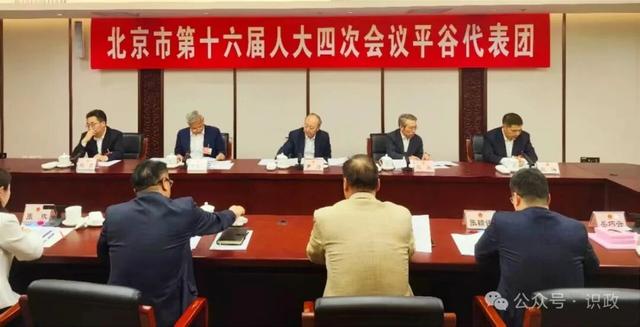
尹力在参加平谷团审议时强调,建设展示农业农村现代化的窗口
Bei Jing Qing Nian Bao· 2026-01-28 03:02
Group 1 - The core viewpoint emphasizes the importance of rural revitalization as a key focus of modernization, advocating for stronger urban-rural integration and leveraging the unique advantages of Pinggu as an ecological and agricultural district [2][3] - The development of the agricultural innovation hub and the promotion of high-tech applications in agriculture are highlighted as essential for enhancing productivity and creating new income-generating opportunities for farmers [2][3] - There is a strong push for improving rural infrastructure and public services, particularly in education, healthcare, and elderly care, to ensure a stable social environment and enhance the quality of life for rural residents [3] Group 2 - The commitment to ecological protection is underscored, with a focus on improving environmental governance and addressing issues related to waste and water management [4] - The initiative to enhance rural tourism and promote local agricultural products is aimed at expanding the agricultural value chain and boosting local economies [2][3] - The importance of community engagement and grassroots governance is emphasized, with a call for innovative approaches to rural management and the cultivation of a supportive cultural environment [3]
叶兴庆:推进乡村全面振兴不断取得实质性进展阶段性成果
Xin Lang Cai Jing· 2026-01-28 00:14
Core Viewpoint - The modernization of agriculture and rural areas is crucial for the overall modernization of China, emphasizing the importance of the "Three Rural Issues" [1] Group 1: Agricultural and Rural Modernization - Xi Jinping highlighted the significance of agricultural and rural modernization as a foundation for China's modernization, urging for solid progress in rural revitalization and urban-rural integration [1] - The Central Rural Work Conference analyzed the challenges facing the "Three Rural Issues" and provided guidance for the 2026 work plan [1] - The 20th National Congress emphasized prioritizing the resolution of "Three Rural Issues" as a key focus for the Party [1] Group 2: Poverty Alleviation and Rural Revitalization - The theory of poverty alleviation with Chinese characteristics has been established, focusing on a comprehensive policy system to prevent large-scale poverty [2][3] - The transition period for poverty alleviation policies aims to maintain stability and support for impoverished areas, with over 7 million monitoring objects identified to mitigate poverty risks [3] - The theory has global significance, contributing to the global poverty reduction efforts and enhancing the framework of poverty alleviation strategies [3] Group 3: Ensuring Food Security - Food security is deemed a national priority, with a focus on self-sufficiency to support over 1.4 billion people [7] - Continuous improvements in grain production and agricultural practices are necessary to meet the increasing quality demands of food products [7] - A comprehensive approach is required to enhance agricultural productivity and reduce food waste [7] Group 4: Preventing Return to Poverty - The transition period marks a shift to normalized support mechanisms to prevent large-scale poverty [8] - A robust monitoring and support system is essential to address challenges faced by vulnerable populations [8] - Skills training and support for local industries are critical for enhancing employment opportunities for the formerly impoverished [8] Group 5: Enhancing Rural Development - The focus is on improving rural industry, construction, and governance levels to achieve substantial progress in rural revitalization [9] - Developing local industries and enhancing infrastructure are key to increasing farmers' income and improving living conditions [10][11] - Governance improvements are necessary to ensure effective rural management and community engagement [12] Group 6: Strengthening Technological and Reform Initiatives - Technological advancements and reforms are essential for driving agricultural modernization and enhancing farmers' livelihoods [13][14] - Emphasis on innovation in agricultural practices and resource management is crucial for sustainable development [14] - Policies aimed at increasing farmers' income and ensuring equitable distribution of resources are vital for rural prosperity [15]
供给丰富、安居乐业、向新向智 “数”览2025年农业农村发展“成绩单”
Yang Shi Wang· 2026-01-28 00:02
1月22日上午,国务院新闻办公室举行新闻发布会。农业农村部相关负责人表示,2025年,农业农村发 展保持了稳中有进、稳中向好的态势,全年和"十四五"各项目标任务顺利完成。 农业农村部副部长张兴旺表示,粮食生产再获丰收,"菜篮子"产品供给充裕。深入实施新一轮千亿斤粮 食产能提升行动,粮食产量达到了14298亿斤、增产168亿斤,再创历史新高,连续两年稳定在1.4万亿 斤以上。畜牧业发展平稳向好,肉蛋奶、果菜茶和水产品供应充足、种类多样,全国农产品质量安全例 行监测合格率达到了98%。可以说,在"菜篮子"供应方面量足、种类多、质量好。 1月22日上午,国务院新闻办公室举行新闻发布会。农业农村部有关负责人介绍,2025年,我国农业农 村发展保持稳中有进、稳中向好势头。全年和"十四五"各项目标任务顺利完成。 2025年,我国粮食产量达到14298亿斤,再创历史新高,连续两年稳定在1.4万亿斤以上。肉蛋奶、果菜 茶和水产品供应充足、种类多样。 2025年,是巩固拓展脱贫攻坚成果同乡村振兴有效衔接5年过渡期的最后一年。截至2025年年底,累计 识别帮扶超过700万监测对象并稳定消除其返贫致贫风险,全国脱贫劳动力务工就业规 ...
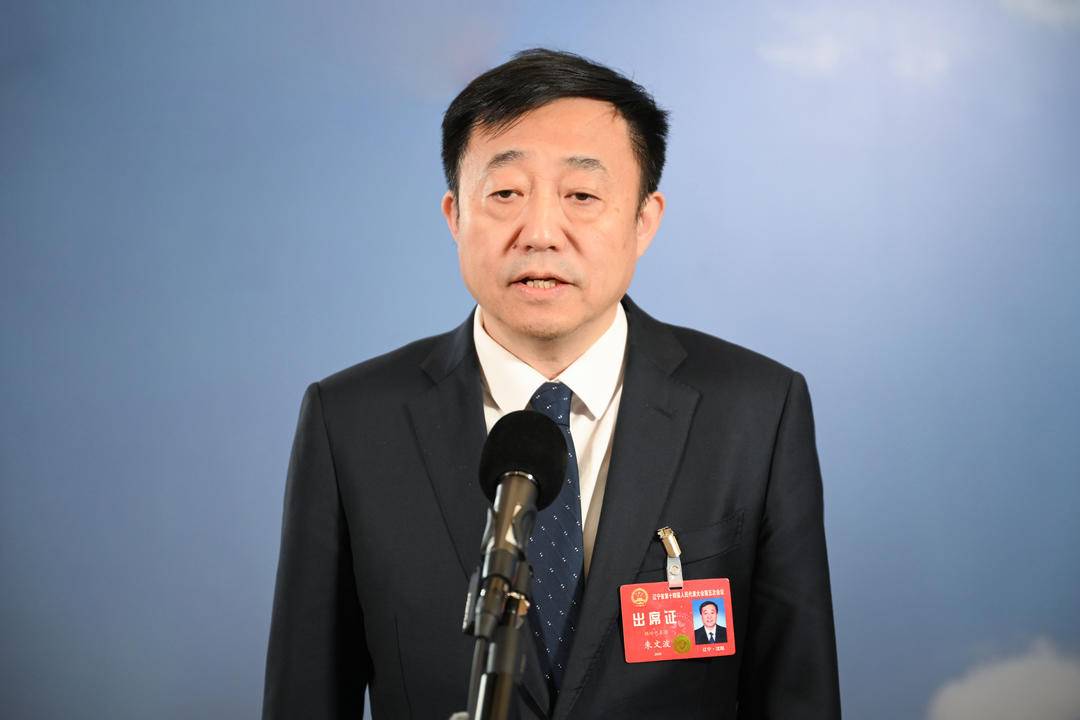
厅局长访谈 | 朱文波:加快农业农村现代化 推进乡村全面振兴
Xin Lang Cai Jing· 2026-01-27 16:55
Core Viewpoint - The province aims to accelerate agricultural modernization and promote rural revitalization, contributing to the overall revitalization of Liaoning [2] Agricultural Production Capacity - The province's agricultural comprehensive production capacity has significantly improved in recent years [2] - A target of constructing 4.439 million acres of high-standard farmland and implementing a black soil protection project covering 9 million acres is set for this year [2] Food Security Initiatives - Priority will be given to enhancing grain production capacity in key counties and typical black soil areas, with a focus on converting all permanent basic farmland into high-standard farmland [2] - Large-scale actions will be taken to improve grain yield per unit area and accelerate the upgrade of high-end intelligent agricultural machinery [2] Agricultural Industry Chain Upgrade - The province plans to develop modern facility agriculture and marine fisheries, establishing several characteristic industrial clusters and specialty agricultural counties [2] - Upgrading 43 agricultural product processing clusters and nurturing leading enterprises in deep processing are key initiatives [2] - Strengthening the "Liaoning Agricultural Quality Products" brand and promoting rural e-commerce are also emphasized [2] Rural Construction and Support Mechanisms - The province will break administrative boundaries to promote rural construction led by industries, transitioning from point-based improvements to comprehensive regional development [2] - A "1+N" regularized precise assistance policy system will be established to prevent large-scale poverty and ensure sustainable income growth for farmers [2]
确保农业农村现代化取得决定性进展
Huan Qiu Wang· 2026-01-27 09:04
来源:经济日报 农业农村现代化关系中国式现代化全局和成色。"十五五"规划建议强调"加快农业农村现代化,扎实推 进乡村全面振兴",要求"促进城乡融合发展,持续巩固拓展脱贫攻坚成果,推动农村基本具备现代生活 条件,加快建设农业强国"。"十五五"时期是基本实现社会主义现代化夯实基础、全面发力的关键时 期,也是加快推进农业农村现代化和乡村全面振兴的重要时期。迈入这一承前启后的发展阶段,必须准 确把握农业农村现代化的战略定位和目标任务,统筹谋划、系统推进,为到2035年农业现代化基本实 现、农村基本具备现代生活条件奠定坚实基础。 把握"决定性进展"的内涵要求 "确保基本实现社会主义现代化取得决定性进展"是"十五五"时期经济社会发展指导思想的重要内 容。"决定性进展"的一个重要体现,就是改变农业农村现代化相对滞后的现状,推动乡村全面振兴取得 新进展、农业农村现代化再上新台阶。 农业农村是保生存、保安全、保发展的基础,承担着保障国家粮食安全、维护社会大局稳定的责任。推 动农业农村现代化,不仅是补齐现代化短板、缩小城乡差距的迫切需要,也是促进"四化"深度融合、实 现高质量发展的战略任务,对推进中国式现代化有极为重要的意义。农 ...