
出口管制

Search documents
投资中国专栏 | 商务部召开政策解读专场外资企业圆桌会
Shang Wu Bu Wang Zhan· 2025-10-24 16:48
Core Points - The Ministry of Commerce held a roundtable meeting with over 170 foreign enterprises and representatives from foreign business associations in China to discuss policy interpretations and address concerns [1][3] - The meeting coincided with the opening of the 20th Central Committee's Fourth Plenary Session, which aims to outline China's development blueprint for the next five years [3] - China's GDP growth rate averaged 5.5% over the first four years of the 14th Five-Year Plan, demonstrating resilience and potential in a challenging external environment, thus providing opportunities for foreign enterprises [3] Policy Developments - A new notification was issued regarding the implementation of domestic product standards in government procurement, ensuring equal access to support policies for all business entities, including foreign enterprises [3] - The Ministry of Commerce emphasized transparency and fairness in the upcoming establishment of specific product standards, inviting feedback from all stakeholders, including foreign enterprises [3] Export Control and Trade Stability - The Ministry of Commerce clarified that export controls are a responsible measure to maintain global peace and regional stability, while also ensuring compliance with international obligations [3] - The commitment to lawful trade approvals aims to stabilize global industrial and supply chains, addressing concerns from foreign enterprises regarding trade challenges [3] Foreign Enterprise Sentiment - Foreign enterprises expressed optimism about the Chinese government's commitment to expanding openness and stabilizing foreign investment, looking forward to the 15th Five-Year Plan for greater development opportunities [3] - There is a willingness among foreign enterprises to increase investments in China and deepen cooperation to support high-quality development [3]


又菜又爱玩的荷兰人,在安世半导体上翻车了。。。
芯世相· 2025-10-24 10:33
Core Viewpoint - The article discusses the geopolitical tensions surrounding the semiconductor industry, particularly focusing on the conflict involving Dutch company Nexperia (formerly part of Philips and NXP) and its Chinese parent company, Wingtech Technology, amid U.S. export controls and Dutch government intervention [5][28][36]. Group 1: Background of Nexperia - Nexperia originated as a core semiconductor division of Philips and later became a part of NXP, which has shifted its focus to high-profit sectors like IoT and automotive chips, leading to Nexperia being spun off due to its lower profit margins in power semiconductors [15][16]. - Nexperia specializes in power semiconductors, which include diodes and transistors, and has established itself as a leader in automotive-grade chips, holding significant market shares in various segments, including 40% of the global inverter chip market for electric vehicles [18][20][25]. Group 2: Acquisition and Growth - In 2019, Wingtech Technology acquired Nexperia for over 34 billion yuan, transforming it into a Chinese subsidiary, which subsequently experienced significant growth, with revenue increasing by 60% and net profits multiplying since the acquisition [23][25]. - Nexperia's success has been bolstered by the rise of China's new energy vehicle market, with 40% of its shipments directed to Chinese automakers, contributing to substantial tax revenues and job creation in Europe [25]. Group 3: Geopolitical Tensions - In December 2022, Wingtech was placed on the U.S. export control entity list, which was later expanded to include Nexperia, prompting the Dutch government to intervene and take control of the company, citing national security concerns [28][31]. - The Dutch government's actions included freezing Wingtech's global subsidiaries and replacing its management, which has been criticized as a capitulation to U.S. pressure and a move to seize valuable assets [31][34]. Group 4: Impact on the Semiconductor Supply Chain - Following the Dutch government's intervention, China responded with export controls on Nexperia's products, halting shipments from its critical manufacturing facilities in Dongguan and Huizhou, which are essential for the global supply chain [36][37]. - The European automotive industry expressed alarm over potential chip shortages, with major manufacturers warning that their production lines could face immediate disruptions due to the lack of semiconductor supplies [41][42]. Group 5: Future Implications - The situation highlights the fragility of global supply chains in the semiconductor industry, where geopolitical tensions can rapidly escalate into significant operational challenges for companies [46]. - The article suggests that the era of easily seizing foreign assets through legal means is over, emphasizing the need for careful consideration before leveraging such strategies in a globalized economy [47][48].


恒邦股份三季度扣非净利润大增128.07% 稀散金属业务迎发展机遇
Zhong Guo Jin Rong Xin Xi Wang· 2025-10-24 07:25
Core Insights - Hengbang Co., Ltd. reported a significant increase in revenue and net profit for the first three quarters of 2025, with total revenue reaching 76.44 billion yuan, a year-on-year growth of 31.44%, and a net profit attributable to shareholders of 562 million yuan, up 20.89% [1] - The company’s third-quarter performance was particularly strong, with revenue of 33.39 billion yuan, reflecting a 94.26% increase year-on-year, and a net profit of 253 million yuan, which is a 52.08% increase [1] - Hengbang's core business is focused on precious metal smelting, including gold, silver, and electrolytic copper, while also exploring value enhancement through technological innovation and resource efficiency [1] Business Model and Strategy - Hengbang operates on a business model of "purchased raw materials + smelting processing," leveraging its core technological advantages in precious metal smelting and comprehensive recovery [1] - The company is actively extending its industrial chain and diversifying its business through technological innovations aimed at efficient resource utilization [1] - The smelting of precious metals and multi-element materials allows for the efficient recovery of valuable elements, contributing significantly to the company's profit growth [1] Market Trends and Opportunities - Hengbang's expansion into the rare metal sector aligns with global industrial development trends and domestic policy directions, presenting significant growth opportunities [2] - The accelerating global energy transition and the booming semiconductor industry are increasing the strategic importance of rare metals, leading to rising market demand [2] - Recent export controls on tungsten, tellurium, bismuth, molybdenum, and indium by the Chinese government highlight the importance of rare metals as strategic resources, which will enhance the domestic rare metal industry chain [2] Financial Performance in Rare Metals - As of the third quarter, the price of domestic refined bismuth surged from 73,600 yuan per ton to 129,100 yuan per ton, marking a 75.41% increase, while antimony prices rose from 140,000 yuan per ton to 174,900 yuan per ton, a 24.93% increase [2] - The profitability of Hengbang's rare metal business has significantly improved, with revenue from this segment reaching 447 million yuan in the first half of 2025 and a gross margin of 47.82%, substantially higher than traditional smelting operations [2]

不见棺材不落泪?欧盟无视中国警告,对俄制裁加码12家中企被殃及
Sou Hu Cai Jing· 2025-10-24 05:35
Group 1 - The EU has imposed sanctions on four Chinese energy companies, including two independent refineries, a trading company, and a technology support company, for allegedly assisting in evading sanctions against Russia [1] - A total of 12 Chinese companies are now under sanctions, with eight additional companies from mainland China and Hong Kong implicated [1] - The sanctions come shortly after a trade dialogue between Chinese Commerce Minister and EU officials, highlighting a contradiction in the EU's approach to China [1] Group 2 - China has implemented a series of export controls on strategic resources, including rare earths and lithium battery materials, signaling a protective stance on its resources [3] - The EU is heavily reliant on Chinese rare earths, particularly in key industries like electric vehicles and wind power, with 100,000 jobs directly affected by the supply chain [3] - The Dutch semiconductor giant ASML has initiated emergency plans due to reliance on Chinese rare earth materials, indicating potential cost increases of 40% for the European semiconductor industry if supply is disrupted [3][4] Group 3 - The EU's sanctions against Chinese companies may backfire, as it seeks to balance its strategic resource needs while imposing restrictions [4][5] - The EU's dependence on China for rare earth refining technology, which it monopolizes at over 90%, complicates the EU's ability to establish an independent supply chain [4] - The cost of building a self-sufficient supply chain in the EU could be three to four times higher than current reliance on China, with a minimum five-year timeline for effectiveness [4] Group 4 - The EU's sanctions align with U.S. actions against Russia, indicating a coordinated effort, but this may jeopardize the EU's economic interests given its significant trade relationship with China, which surpassed $780 billion [7] - Internal divisions within the EU regarding sanctions have emerged, with countries like Austria, Hungary, and Slovakia opposing measures that threaten their energy interests [7] - The EU's energy import ban on Russian LNG set to take effect in 2027 raises concerns about inflation and energy security if cooperation with Chinese energy firms is lost [7] Group 5 - China has clarified that its rare earth export controls are aimed at sensitive uses, with civilian applications being processed quickly, emphasizing the need for mutual respect in cooperation [8] - The continuation of sanctions against Chinese companies could stall various economic discussions, including the resumption of the EU-China investment agreement and electric vehicle tariff negotiations [8] - The EU's leadership acknowledges the precarious position of aligning too closely with the U.S. while risking its economic stability, yet continues down a path that may harm its own interests [8]
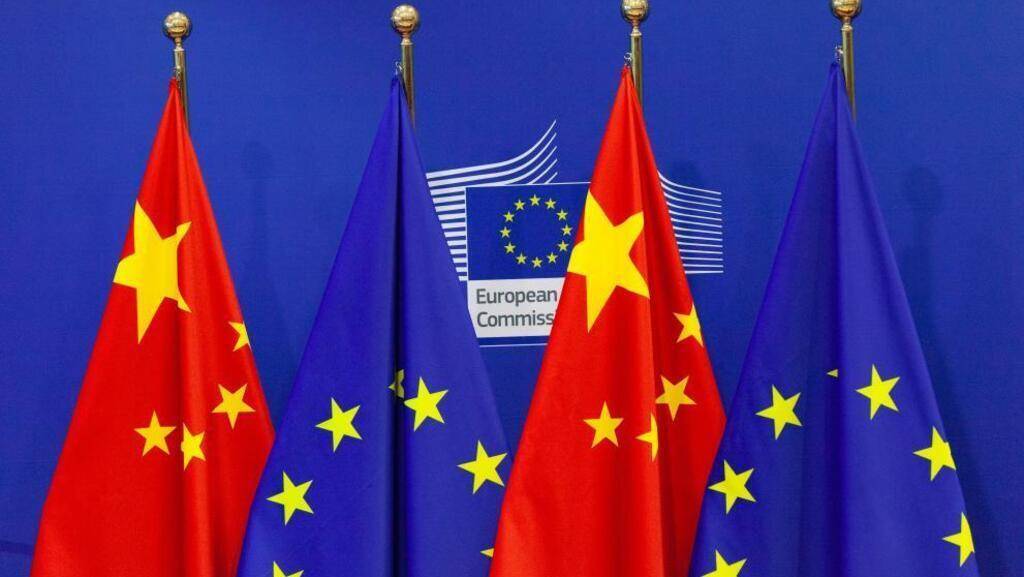
彼得森研究所乔泽帕答21:美出口管制反加速中国半导体自主化
2 1 Shi Ji Jing Ji Bao Dao· 2025-10-23 09:11
Core Insights - The U.S. export controls have not translated into a significant advantage for the U.S. in AI model capabilities, as China is actively seeking to reduce its dependence on foreign semiconductor supply chains [1][2] - The consensus is that U.S. export controls have only delayed China's advancements by a few months, which may not have a substantial impact on strategic military or national security applications of AI [1] - Unexpectedly, the export controls have led to more open-source and efficient AI models in China, with reports of a major Silicon Valley tech company utilizing Chinese open-source models instead of closed U.S. models [1] Group 1 - The U.S. government has implemented export controls targeting chips and semiconductor manufacturing equipment to weaken China's R&D capabilities in high-tech fields [1] - The effectiveness of these measures is questioned, as they may only provide a temporary setback for China [1] - The export controls have inadvertently spurred the development of China's semiconductor industry, particularly in manufacturing equipment, as companies seek to bypass U.S. technology restrictions [2] Group 2 - The focus on efficiency and open-source models in China presents both opportunities and challenges for the semiconductor industry [2] - There are concerns regarding the economic model of open-source AI, as companies may struggle to recoup investments if they cannot monetize access to these models [2] - The 2025 Bund Summit, themed "Embracing Change: New Order, New Technology," was held in Shanghai, co-hosted by the China Finance 40 Forum and Tsinghua University [2]
美国考虑限制软件驱动产品对华出口!
国芯网· 2025-10-23 04:46
Core Viewpoint - The article discusses the potential U.S. government plan to restrict software-driven product exports to China, which may include a wide range of products from laptops to jet engines, as a response to China's rare earth policies [2][4]. Group 1: U.S. Export Restrictions - The Trump administration is considering export restrictions on software-driven products to China, which could impact various sectors including technology and aerospace [2]. - U.S. Treasury Secretary stated that if these export controls are implemented, coordination with G7 allies may occur [4]. - Analysts suggest that the implementation of such software controls could be challenging and may have negative repercussions for U.S. industries [4]. Group 2: China's Response - The Chinese Embassy in the U.S. has expressed strong opposition to unilateral U.S. measures, warning that China will take decisive actions to protect its legitimate rights if the U.S. continues down this path [4].
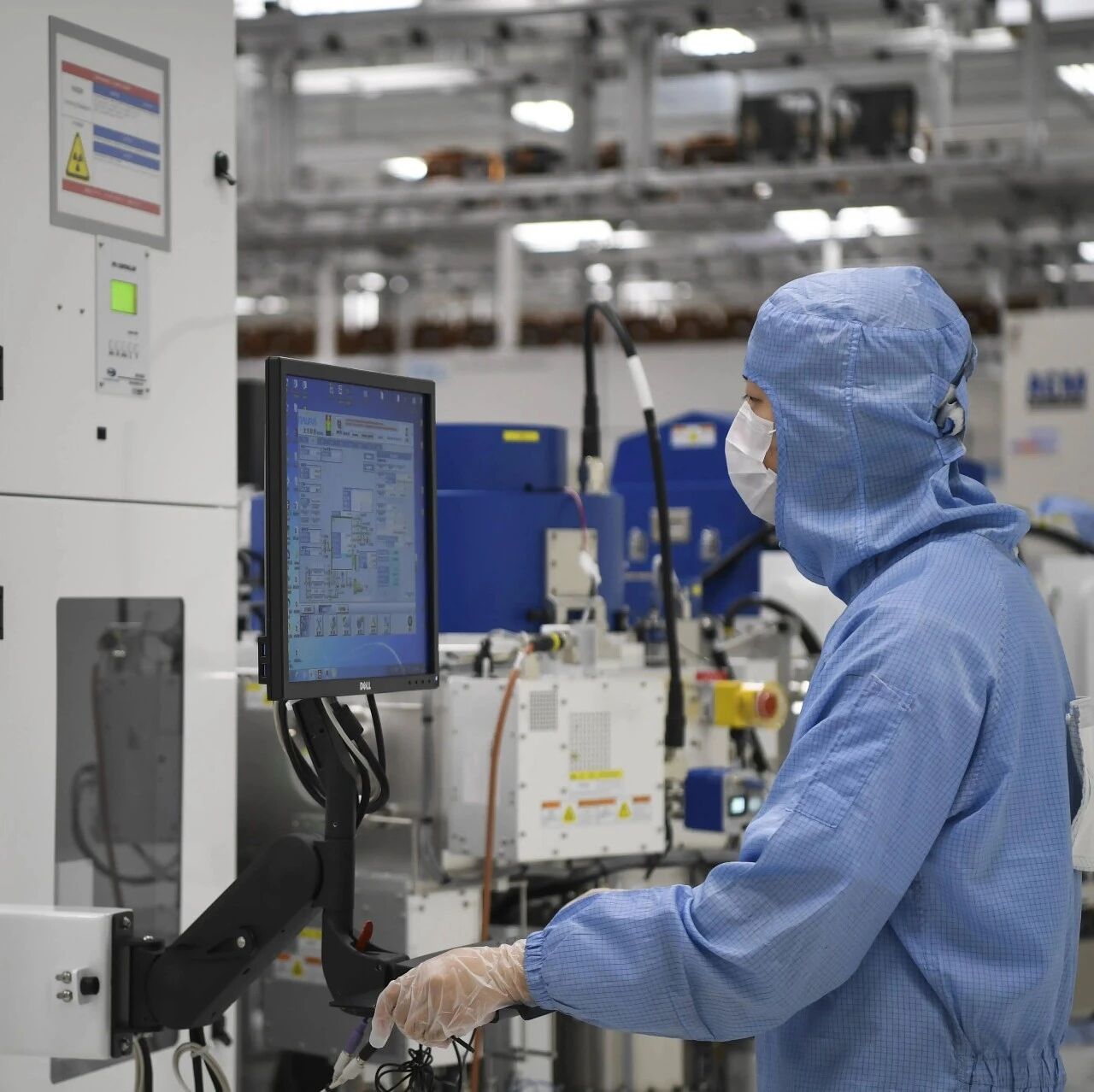
美企紧急喊话特朗普,再不停止穿透性制裁,将会被中国踢出供应链!
Sou Hu Cai Jing· 2025-10-23 01:59
Core Points - The introduction of the "penetrating rule" by the U.S. Department of Commerce aims to strengthen technology restrictions on China but inadvertently puts U.S. companies in a difficult position [1] - The rule includes companies with over 50% ownership by sanctioned entities under the same export control, leading to significant disruptions in U.S. export activities, particularly in technology and manufacturing sectors [1][3] - Major U.S. companies, including Oracle, Amazon, and ExxonMobil, are urging the government to suspend this policy due to the risk of being excluded from global supply chains [1][3] Industry Impact - The National Association of Manufacturers has warned that if the policy is not adjusted, U.S. companies will face further marginalization in global markets as other countries turn to non-U.S. products [3] - Many companies are experiencing significant delays in export license applications, especially those targeting Chinese clients, resulting in a backlog of thousands of valuable applications [3] - The prolonged approval process is causing U.S. tech companies to miss opportunities in the Chinese market, leading customers to seek alternative suppliers [3] Competitive Landscape - U.S. companies are feeling pressure from international competitors due to the delays, which have caused them to lose their competitive edge in the global market [3] - China's response to U.S. export controls emphasizes that such measures are unilateral bullying, potentially leading to a loss of confidence in U.S. trade policies among other nations [5] - Analysts suggest that U.S. sanctions may inadvertently accelerate China's self-reliance in core technologies, reducing its dependence on external supply chains [5] Future Outlook - The ongoing situation raises concerns about the future of the U.S. economy, as more companies realize the risk of being excluded from global supply chains [5] - The international community's response to U.S. sanctions will be crucial, as countries may seek closer cooperation with China for more stable development [5] - The need for wise governance and long-term considerations in economic decision-making is emphasized, as the future trade landscape will be shaped by agility and responsiveness [7]
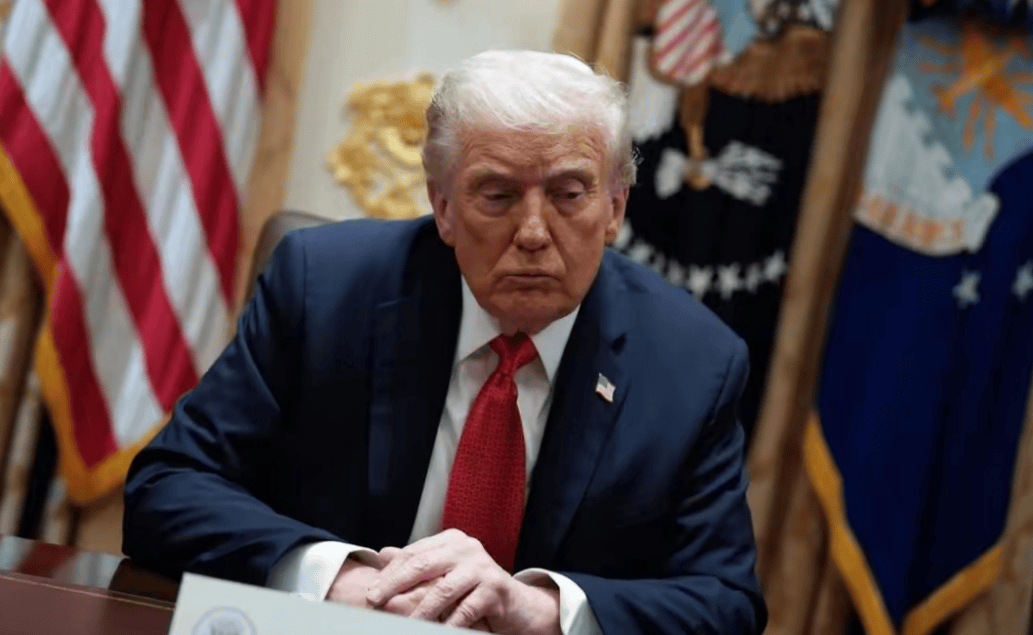
安世半导体“失控”何以撕裂全球汽车产业链
3 6 Ke· 2025-10-22 12:39
Core Viewpoint - The recent legal and capital actions from the Netherlands against Nexperia, a key player in the global automotive chip supply chain, have caused significant disruptions, affecting not only the company but also the broader industry [1][2]. Group 1: Company Impact - The Dutch government issued an order freezing Nexperia's global assets and operations for one year, leading to the suspension of the Chinese CEO and disruptions in operations [3][4]. - Nexperia's parent company, Wingtech Technology, has initiated legal proceedings against the Dutch government, claiming unfair treatment and seeking international arbitration under the China-Netherlands Bilateral Investment Protection Agreement [2][10]. - The company has reported that the Chinese Ministry of Commerce has imposed export controls on specific products, further complicating its operational capabilities [4]. Group 2: Industry Implications - The automotive industry is facing a potential chip supply crisis, with warnings from European and American automotive organizations about the impact of Nexperia's operational disruptions [4][5]. - Nexperia produces essential components like diodes and transistors, which are critical for modern vehicle control systems, indicating that its operational issues could have widespread effects on the automotive supply chain [4][7]. - The geopolitical tensions surrounding Nexperia's operations highlight the vulnerabilities in the global semiconductor supply chain, particularly in the context of rising protectionism [9][13]. Group 3: Historical Context - Nexperia was formed from the semiconductor division of Philips and has undergone significant changes, including a complete acquisition by Wingtech Technology for over 33 billion RMB [5][7]. - Since the acquisition, Nexperia has seen a revenue increase of 60% and has expanded its global manufacturing network, emphasizing its role as a major player in the semiconductor industry [7][8]. Group 4: Future Outlook - The ongoing legal battles and geopolitical tensions suggest that Nexperia's situation may not resolve quickly, with potential long-term implications for its operations and the semiconductor industry as a whole [2][10]. - There are indications that the Dutch government may seek discussions with Chinese officials to address the current stalemate, reflecting the broader economic ties between the two nations [13].
申银万国期货早间策略-20251022
Shen Yin Wan Guo Qi Huo· 2025-10-22 06:31
1. Report Industry Investment Rating - No relevant content provided 2. Core Viewpoints of the Report - After a high - level oscillation in September, the stock index is expected to enter a direction - selection phase again. The domestic liquidity environment is likely to remain loose, and domestic residents may increase their allocation of equity assets. With the Fed's interest rate cuts and RMB appreciation, external funds are also expected to flow into the domestic market. In terms of market style, although technology growth has been the core theme of the current upward market trend, considering the possible intensification of Q4 growth - stabilization policies and the potential resonance of global monetary and fiscal policies, the market style in Q4 may shift towards value and become more balanced compared to Q3 [2] 3. Summary by Relevant Catalogs 3.1 Stock Index Futures Market - **IF Contracts**: The previous two - day closing prices of IF contracts (current month, next month, next quarter, and far - quarter) were 4519.80, 4506.80, 4482.00, and 4447.20 respectively, and the previous day's closing prices were 4588.60, 4577.60, 4550.20, and 4515.00 respectively. The price increases were 71.00, 73.40, 71.20, and 71.00 respectively, and the corresponding price increase rates of the CSI 300 were 1.57, 1.63, 1.59, and 1.60. The trading volumes were 29776.00, 77133.00, 12638.00, and 2919.00 respectively, and the open interests were 41688.00, 157558.00, 56187.00, and 3333.00 respectively. The changes in open interests were 1009.00, 1159.00, - 780.00, and - 73.00 respectively [1] - **IH Contracts**: The previous two - day closing prices of IH contracts were 2972.00, 2970.40, 2972.00, and 2969.80 respectively, and the previous day's closing prices were 3004.20, 3004.80, 3005.60, and 3004.00 respectively. The price increases were 33.00, 35.20, 35.20, and 35.20 respectively, and the corresponding price increase rates of the SSE 50 were 1.11, 1.19, 1.19, and 1.19. The trading volumes were 12905.00, 35150.00, 4265.00, and 1113.00 respectively, and the open interests were 14510.00, 62330.00, 13436.00, and 1032.00 respectively. The changes in open interests were - 484.00, 1866.00, - 42.00, and 76.00 respectively [1] - **IC Contracts**: The previous two - day closing prices of IC contracts were 6972.00, 6909.20, 6747.40, and 6567.00 respectively, and the previous day's closing prices were 7108.80, 7052.80, 6886.20, and 6709.80 respectively. The price increases were 138.40, 144.00, 140.40, and 145.40 respectively, and the corresponding price increase rates of the CSI 500 were 1.99, 2.08, 2.08, and 2.22. The trading volumes were 33289.00, 89215.00, 17433.00, and 5710.00 respectively, and the open interests were 50505.00, 139981.00, 52019.00, and 6571.00 respectively. The changes in open interests were 1557.00, 4488.00, - 549.00, and 364.00 respectively [1] - **IM Contracts**: The previous two - day closing prices of IM contracts were 7137.60, 7059.20, 6841.60, and 6637.40 respectively, and the previous day's closing prices were 7261.00, 7182.80, 6966.80, and 6753.60 respectively. The price increases were 126.40, 129.40, 130.20, and 126.40 respectively, and the corresponding price increase rates of the CSI 1000 were 1.77, 1.83, 1.90, and 1.91. The trading volumes were 44744.00, 151318.00, 26613.00, and 10398.00 respectively, and the open interests were 72051.00, 190486.00, 80131.00, and 12634.00 respectively. The changes in open interests were 985.00, 832.00, - 2419.00, and 1567.00 respectively [1] - **Inter - month Spreads**: The current inter - month spreads of IF (next month - current month), IH (next month - current month), IC (next month - current month), and IM (next month - current month) were - 11.00, 0.60, - 56.00, and - 78.20 respectively, while the previous values were - 13.00, - 1.60, - 62.80, and - 78.40 respectively [1] 3.2 Stock Index Spot Market - **CSI 300 Index**: The previous value of the CSI 300 index was 4607.87, with a trading volume of 215.71 billion lots and a total trading value of 5513.90 billion yuan. The previous two - day value was 4538.22, with a trading volume of 218.42 billion lots and a total trading value of 5057.99 billion yuan. The price increase rate was 1.53 [1] - **SSE 50 Index**: The previous value of the SSE 50 index was 3007.26, with a trading volume of 55.30 billion lots and a total trading value of 1472.70 billion yuan. The previous two - day value was 2974.86, with a trading volume of 53.18 billion lots and a total trading value of 1283.62 billion yuan. The price increase rate was 1.09 [1] - **CSI 500 Index**: The previous value of the CSI 500 index was 7185.62, with a trading volume of 205.97 billion lots and a total trading value of 3449.91 billion yuan. The previous two - day value was 7069.64, with a trading volume of 176.83 billion lots and a total trading value of 3146.75 billion yuan. The price increase rate was 1.64 [1] - **CSI 1000 Index**: The previous value of the CSI 1000 index was 7344.05, with a trading volume of 237.25 billion lots and a total trading value of 3481.59 billion yuan. The previous two - day value was 7239.18, with a trading volume of 218.58 billion lots and a total trading value of 3284.45 billion yuan. The price increase rate was 1.45 [1] - **Industry Indexes**: Different industries in the CSI 300 had different price increase rates. For example, the price increase rates of energy, raw materials, industry, and optional consumption were - 0.58%, 1.10%, 1.53%, and 0.60% respectively; the price increase rates of major consumption, medical and health, real - estate and finance, and information technology were 0.16%, 0.97%, 0.52%, and 3.74% respectively; the price increase rates of telecommunications services and public utilities were 5.72% and - 0.36% respectively [1] 3.3 Basis between Futures and Spot - **CSI 300 - related Basis**: The previous values of the basis between IF contracts (current month, next month, next quarter, far - quarter) and the CSI 300 were - 19.27, - 30.27, - 57.67, and - 92.87 respectively, and the previous two - day values were - 18.42, - 31.42, - 56.22, and - 91.02 respectively [1] - **SSE 50 - related Basis**: The previous values of the basis between IH contracts (current month, next month, next quarter, far - quarter) and the SSE 50 were - 3.06, - 2.46, - 1.66, and - 3.26 respectively, and the previous two - day values were - 2.86, - 4.46, - 2.86, and - 5.06 respectively [1] - **CSI 500 - related Basis**: The previous values of the basis between IC contracts (current month, next month, next quarter, far - quarter) and the CSI 500 were - 76.82, - 132.82, - 299.42, and - 475.82 respectively, and the previous two - day values were - 97.64, - 160.44, - 322.24, and - 502.64 respectively [1] - **CSI 1000 - related Basis**: The previous values of the basis between IM contracts (current month, next month, next quarter, far - quarter) and the CSI 1000 were - 83.05, - 161.25, - 377.25, and - 590.45 respectively, and the previous two - day values were - 101.58, - 179.98, - 397.58, and - 601.78 respectively [1] 3.4 Other Domestic and Overseas Indexes - **Domestic Main Indexes**: The previous values of the Shanghai Composite Index, Shenzhen Component Index, Small and Medium - sized Board Index, and ChiNext Index were 3916.33, 13077.32, 8038.31, and 3083.72 respectively. The previous two - day values were 3863.89, 12813.21, 7870.96, and 2993.45 respectively. The price increase rates were 1.36%, 2.06%, 2.13%, and 3.02% respectively [1] - **Overseas Indexes**: The previous values of the Hang Seng Index, Nikkei 225, S&P 500, and DAX Index were 26027.55, 49185.50, 6735.35, and 24330.03 respectively. The previous two - day values were 25858.83, 47582.15, 6735.13, and 24258.80 respectively. The price increase rates were 0.65%, 3.37%, 0.00%, and 0.29% respectively [1] 3.5 Macroeconomic Information - US President Trump said he would visit China early next year. The Chinese Foreign Ministry spokesman responded that no information could be provided for the time being [2] - Chinese Minister of Commerce Wang Wentao held a video conference with EU Commissioner for Trade and Economic Security Valdis Dombrovskis, discussing key China - EU economic and trade issues such as export controls and the EU's anti - subsidy case against Chinese electric vehicles. He also had a phone call with Dutch Minister of Economic Affairs Micky Adriaansens, discussing issues related to Nexperia. Wang stated that China's recent measures on rare - earth export controls were normal actions to improve the export control system in accordance with laws and regulations, and urged the Dutch side to resolve issues related to Nexperia properly [2] - The Ministry of Commerce held a policy - interpretation round - table meeting for foreign - invested enterprises, with over 170 representatives of foreign - invested enterprises and foreign business associations in China attending. Deputy Minister of Commerce Ling Ji emphasized that China's export controls were responsible actions to maintain world peace and regional security and stability and fulfill non - proliferation obligations, while also approving compliant trade in accordance with laws to maintain the stability of the global industrial and supply chains [2] - The Ministry of Culture and Tourism released data showing that in the first three quarters, the number of domestic tourist trips was 4.998 billion, an increase of 0.761 billion year - on - year, representing a growth rate of 18%. The domestic tourism consumption was 4.85 trillion yuan, a year - on - year increase of 11.5% [2] 3.6 Industry Information - The National Medical Products Administration will further improve the legal and standard systems, increase support for R & D innovation, improve the quality and efficiency of review and approval, strengthen the safety bottom - line for high - level medical devices, accelerate the launch of innovative products, and promote the innovative and high - quality development of the medical device industry [2] - As of the end of June 2025, the total asset management scale of China's trust industry reached 32.43 trillion yuan, a year - on - year increase of 20.11%. This was the first time that China's trust scale exceeded 30 trillion yuan, ranking third after insurance asset management and public funds in terms of asset scale [2] - Guangzhou announced a new blueprint for future industries, planning to develop six core future industries, including intelligent unmanned systems, embodied intelligence, cell and gene technology, future networks and quantum technology, advanced new materials, and deep - sea and deep - space exploration [2] - Shanghai issued an action plan to promote the high - quality development of the construction industry, proposing 21 specific measures in eight aspects, such as encouraging the integration of homogeneous businesses of construction enterprises, building a new model for real - estate development, and accelerating urban renewal [2] 3.7 Stock Index Views - The three major US stock indexes showed mixed performance. In the previous trading day, the stock index rose significantly, with the communication and electronics sectors leading the gains and the coal sector leading the losses. The market trading volume was 1.89 trillion yuan. On October 20, the margin trading balance increased by 396 million yuan to 2.413231 trillion yuan. The volatile situation of China - US tariffs has led to frequent shifts between long and short positions in the stock index. Meanwhile, during the Fourth Plenary Session of the 20th CPC Central Committee from October 20th to 23rd, market funds were relatively cautious [2]
中国对高端锂电池及技术实施出口管制 首次在新能源领域筑起“技术护栏”
Zhong Guo Neng Yuan Wang· 2025-10-22 04:30
Core Insights - The Ministry of Commerce and the General Administration of Customs of China announced export controls on lithium batteries and related technologies, effective from November 8, 2025, marking the first "technical-level" export review in the new energy equipment manufacturing sector [1][2] - The export controls aim to protect core technologies, enhance national security, and ensure compliance with international non-proliferation obligations while maintaining the competitiveness of Chinese lithium battery companies in the global market [1][4] Industry Overview - China's lithium battery industry is a core advantage in the new energy sector, with over 250 overseas orders totaling 188 GWh secured by domestic energy storage companies in the first eight months of 2025, and a significant increase in demand from international markets [2][4] - The export controls are seen as a "signpost" that may reshape the development landscape for Chinese lithium battery companies, encouraging more firms to invest abroad [2][3] Export Control Details - The export controls specifically target rechargeable lithium-ion batteries with an energy density of 300 Wh/kg or higher, high-pressure lithium iron phosphate materials, artificial graphite anode materials, and related equipment and technologies [1][5] - The measures also include controls on artificial diamond micro-powder and single crystal products, which are critical for semiconductor and precision manufacturing applications [6] Technological Implications - The export controls are designed to provide a "technical barrier" for the lithium battery industry, ensuring that high-end products and technologies are managed with precision rather than imposing blanket export bans [3][4] - The focus on dual-use technologies reflects a global trend in maintaining national security while fostering innovation in high-tech sectors [4][5] Market Dynamics - The export controls may lead to short-term price premiums for high-end products due to their scarcity, while compliance for overseas capacity expansion and core equipment export may become stricter [5][7] - Long-term, these measures are expected to protect the leading technological advantages of Chinese companies and stabilize their pricing power within the global supply chain [5][7] Future Outlook - The lithium battery industry is transitioning from a focus on quantity to quality, with an emphasis on technological innovation and core competitiveness [6][7] - The anticipated growth of solid-state battery markets, projected to exceed an 80% compound annual growth rate from 2024 to 2030, highlights the importance of rapid industrialization and scaling production capabilities [6][7]

