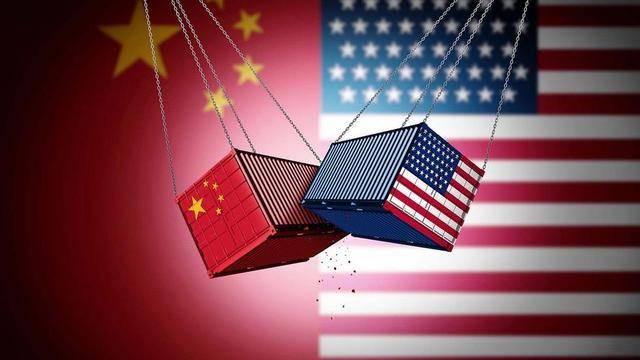
经济博弈

Search documents
被英媒说中了!日本砸5500亿换关税豁免,却被美国连骨头都嚼碎
Sou Hu Cai Jing· 2026-02-22 08:18
Group 1 - The core issue revolves around Japan's $550 billion investment commitment to the U.S., which is seen as a form of economic coercion rather than a mutually beneficial agreement [1][3] - Japan's Prime Minister's team was caught off guard by the U.S. tariffs, leading to a humiliating agreement that required Japan to invest heavily in key sectors like energy and semiconductors [1][3] - The control over the investment funds lies with a U.S. entity, limiting Japan's ability to influence project selection and funding distribution [1][3] Group 2 - The profit-sharing model is heavily skewed, with initial profits split 50-50, but later U.S. entities taking 90% of the profits, leaving Japanese companies with minimal returns [3][5] - Japanese companies face stringent risk assessments and must navigate complex geopolitical risks, often feeling pressured to comply with U.S. demands [3][5] - The political dynamics, particularly Trump's support for Japan's leadership, intertwine economic investments with political backing, further complicating Japan's negotiating position [5][7] Group 3 - Japanese firms are caught in a dilemma: they must invest in U.S. projects for economic security while facing long payback periods and low profit shares [5][7] - The urgency to complete projects during Trump's term adds pressure on Japanese companies, potentially undermining their domestic capital competitiveness [5][7] - The overall sentiment is that Japan's $550 billion investment will not yield equal respect or long-term stability, but rather a temporary reprieve in a challenging international landscape [7]

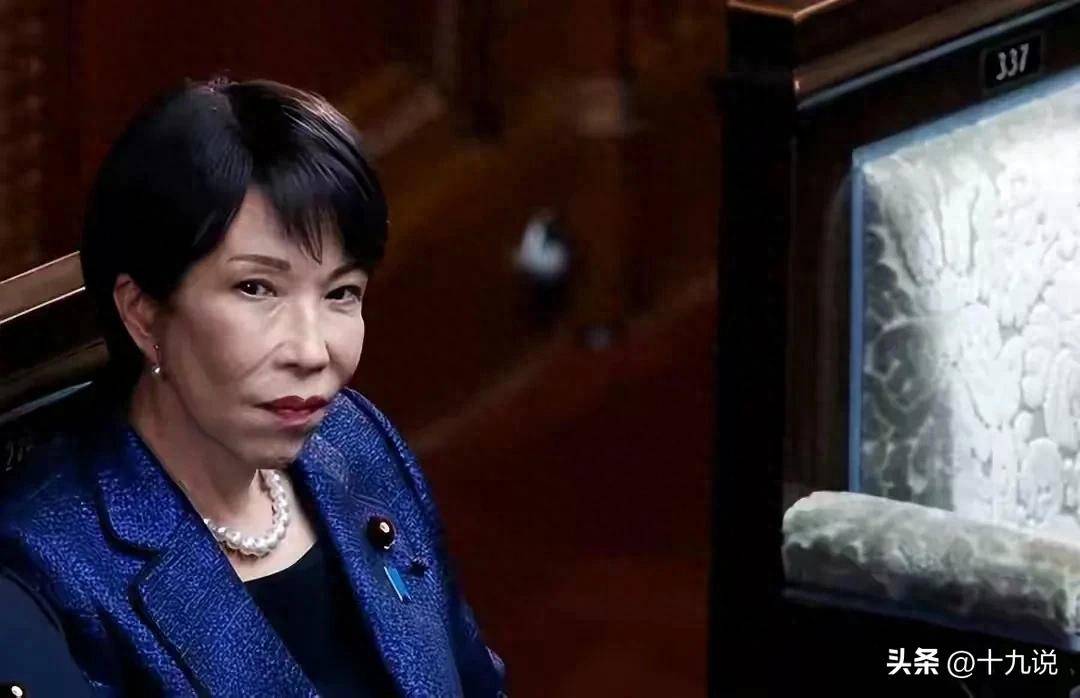
特朗普宣布对华加税!幸亏我国早有准备,提前留了一手
Sou Hu Cai Jing· 2025-12-25 00:11
Group 1 - The U.S. trade policy towards China is experiencing significant changes, particularly in the semiconductor sector, with the potential for new tariffs looming [1] - The U.S. government's recent 301 investigation into China's semiconductor industry aims to impose tariffs by June 2027, complicating the already tense relationship between the two countries [1] - The U.S. national debt has surged to $38 trillion, with interest payments nearing $1 trillion, indicating substantial financial pressure that underpins its aggressive foreign policy stance [1] Group 2 - China has been actively reducing its holdings of U.S. Treasury bonds, reaching a 17-year low, as part of a long-term strategy to enhance economic security and reduce dependence on U.S. monetary policy [3] - The semiconductor supply chain has become a focal point in the U.S.-China competition, with the U.S. employing export controls and tariffs to exert pressure, despite its own reliance on global supply chains [3] - The European Union and Japan are also applying pressure on China, with the EU initiating lawsuits and Japan exhibiting hostility, which collectively intensifies the challenges faced by China [3] Group 3 - China is demonstrating resilience through its vast domestic market and collaboration with emerging markets, effectively countering the pressures from the U.S., EU, and Japan [6] - The U.S. must address its debt and fiscal issues to sustain its aggressive stance against China, but the current situation is bleak with high interest rates and significant debt obligations [6] - China's strategy includes not only reducing U.S. debt holdings but also leveraging its domestic market potential to mitigate the negative impacts of external pressures [6] Group 4 - The future economic competition will hinge on patience and strategic thinking, with the U.S. losing its capacity for a high-intensity trade war due to escalating debt issues [8] - China is actively seeking new avenues for economic development through flexible and multi-layered responses to external pressures [8] - The ongoing strategic competition is expected to yield innovative approaches, with the ability to withstand the test of time determining future positions on the international economic stage [8]
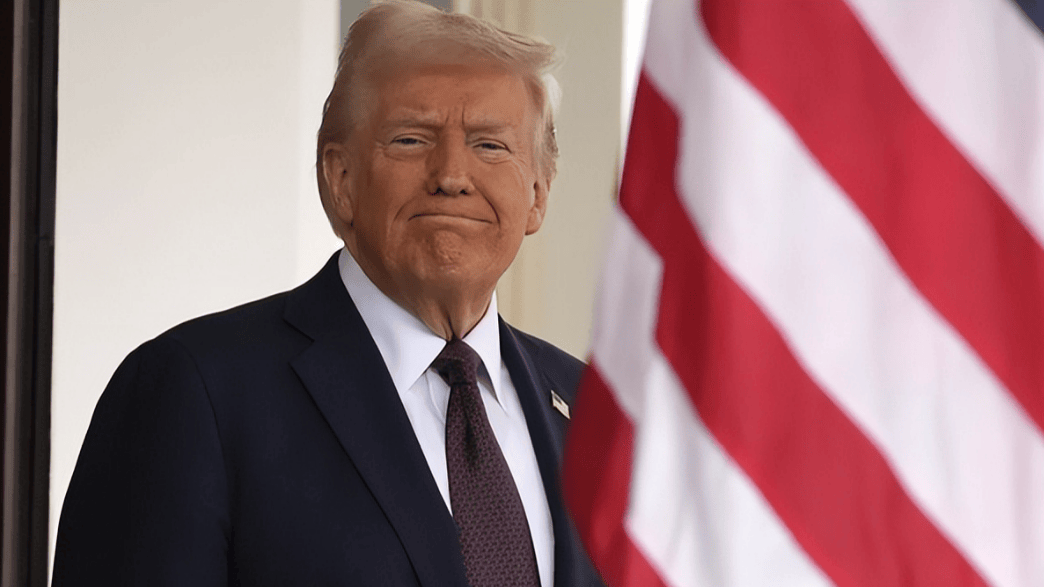
日本专家向高市早苗献策,拿出当年对付韩国的招数,只要日本敢用,中方自然服软?
Sou Hu Cai Jing· 2025-11-26 05:37
Economic Impact on Japan - Recent comments regarding Japan's economy and its relationship with China have sharply deteriorated, leading to significant economic damage for Japan [1] - The USD/JPY exchange rate has approached the "market rescue red line" of 160, with the stock market and government bonds continuing to decline, exacerbating investor panic [1] - China's countermeasures, such as halting imports of Japanese seafood and beef negotiations, have further weakened Japan's already fragile economy [1] Japan-China Relations - Many Japanese right-wing figures are advocating for a "counterattack" against China, drawing parallels to Japan's previous actions against South Korea [4] - The notion that Japan can apply similar pressure on China as it did with South Korea is considered misguided due to the fundamental differences in their industrial structures [4] - Japan's past export controls on South Korea were effective because South Korea lacked strong countermeasures, a situation that does not apply to China [4] Semiconductor Market Dynamics - China accounts for over 35% of global semiconductor demand, and losing this market would result in substantial economic losses for Japan, with some core companies deriving up to 40% of their revenue from China [6] - China's semiconductor industry has shown resilience and innovation in response to international sanctions, with new companies actively developing high-end materials [6] - Japan's reliance on pressure tactics may backfire, as China's self-sufficiency in semiconductor materials continues to improve [6] Strategic Considerations - Japan's previous strategies against South Korea may not be applicable in the current Japan-China economic relationship, as unilateral pressure could provoke retaliation and lead to self-inflicted damage [8] - The complexity of global economic interdependence necessitates a more nuanced approach, rather than a simplistic application of past tactics [8] - Both Japan and China should consider how to achieve a mutually beneficial outcome through dialogue and cooperation, rather than escalating tensions [8]
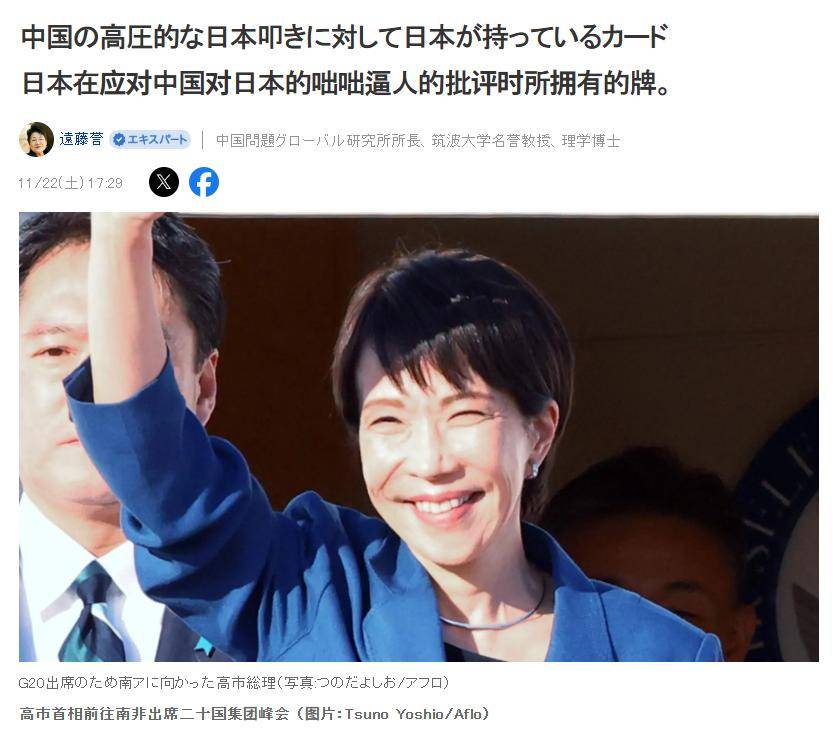
美媒:全世界都在盯着这场贸易博弈,有国家希望东方赢,有国家希望美国赢
Sou Hu Cai Jing· 2025-10-13 04:44
Core Insights - The current international focus is on an economic "war" between two major economies, with countries displaying nuanced attitudes, some openly supporting one side while covertly undermining it, and others attempting to play both sides [1][3][5] - The competition is fundamentally about resource and market control, resembling a struggle for food among the hungry, where any smaller nations that intervene may become collateral damage [5][6] - There exists a contradictory sentiment within the international community; many nations hope for mutual destruction of the two economies to benefit, yet they are also concerned about a potential alliance that could dominate the global market, leaving them in a more vulnerable position [6]

中方一招反制,几乎切断欧盟稀土供应,日本火速表态:不同意特朗普要求!根本不敢招惹中国?
Sou Hu Cai Jing· 2025-09-24 08:41
Group 1 - The article discusses the complex geopolitical dynamics between the US, EU, China, and India, highlighting Trump's strategy of pressuring the EU to impose tariffs on China and India due to their continued oil imports from Russia, which indirectly support Russia's military actions in Ukraine [1][3] - China has taken a proactive stance by significantly reducing its rare earth supply to the EU, serving as a warning and demonstrating its strategic importance in the global economy [1][6] - Japan has publicly refused to comply with Trump's request to impose tariffs on China, emphasizing its economic ties with China and the potential negative impact on its high-tech industries [8] Group 2 - The EU faces a dilemma in responding to US pressure, as many member states still rely on Russian energy, complicating their ability to fully support US sanctions against Russia [3][6] - Imposing tariffs on China would severely disrupt the EU's economic relationship with its largest trading partner, risking significant economic fallout across various sectors, including automotive and high-tech industries [4][6] - China's export control measures on rare earths have led to production delays and potential shutdowns in the EU's high-tech sectors, highlighting the critical role of Chinese supplies in maintaining the stability of the EU's industrial chain [6][4]
美国为首!6国对华加征200%关税,中方警告下,无一国敢轻举妄动
Sou Hu Cai Jing· 2025-08-18 02:28
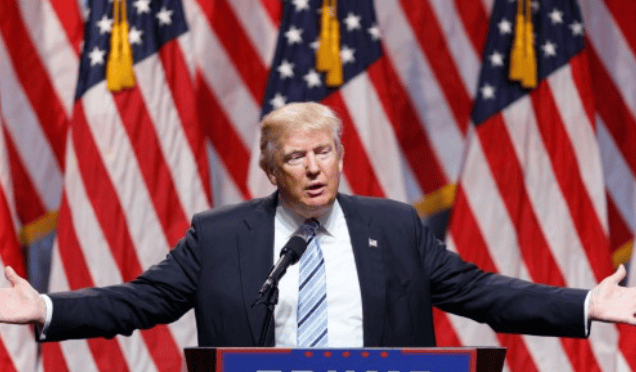
Group 1 - The core point of the article is that the U.S. is threatening to impose a 200% tariff on China, which is seen as a strategic move to exert economic pressure not only on China but also to influence Russia's energy supply and cooperation with China [1][4][16] - The U.S. aims to weaken Russia's economic support by reducing China's energy imports from Russia, which could impact Russia's military spending and overall economic stability [4][5] - This tariff threat is also intended to isolate Russia further by potentially causing other countries to reassess their economic relationships with Russia if China reduces trade due to the tariffs [7][16] Group 2 - The urgency behind the U.S. actions is linked to political pressures faced by the Trump administration, which seeks to fulfill campaign promises regarding the resolution of the Russia-Ukraine conflict and regain support within the Republican Party [9][11] - The U.S. hopes to redirect resources towards the Indo-Pacific region by pressuring China to act on the Russia-Ukraine issue, thereby alleviating its involvement in the conflict [9][11] - A potential easing of U.S.-Russia relations could lead to cooperation in energy and resources, benefiting the U.S. by lowering costs and increasing its influence in the global energy market [9][11] Group 3 - Other countries have refrained from responding to the U.S. tariff threat due to fear of repercussions, as the economic implications of such tariffs on China are significant [11][13] - China's large domestic market and industrial capabilities provide a strong foundation to withstand external pressures, allowing it to maintain a significant role in the global economy [13][14] - China's advancements in key technologies and its ongoing international cooperation efforts make it increasingly difficult for the U.S. to isolate China through tariff measures [14][16]
中美贸易到底都互相卖啥?1.2 万吨猪肉订单取消,背后有何深意?
Sou Hu Cai Jing· 2025-04-29 01:45
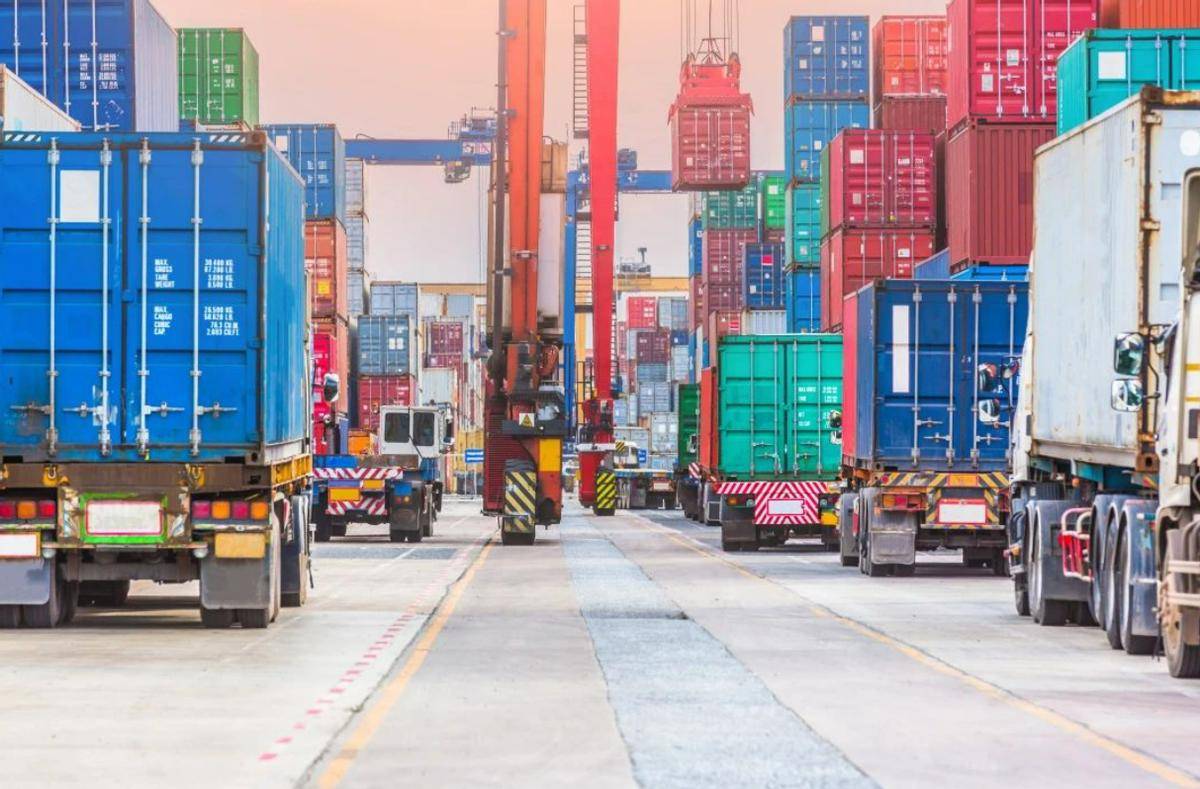
Group 1 - The core viewpoint of the article highlights the contrasting trade structures between China and the United States, with China focusing on high-tech manufacturing and the U.S. relying on agriculture and minerals [2][9] - China's smartphone exports to the U.S. reached 250 billion yuan, with 9.3 million units exported annually, indicating that each American can replace their phone approximately every three years [4][6] - The U.S. agricultural exports to China, particularly pork, are significantly lower, with only 41,600 tons purchased last year, representing just 18% of total imports, and recent cancellations of orders reflect the impact of tariffs [5][7] Group 2 - China's manufacturing sector is transitioning towards high-tech and high-value-added industries, while the U.S. remains heavily dependent on agricultural exports [2][9] - The trade war initiated in 2018 led to retaliatory tariffs, with pork tariffs reaching as high as 172%, affecting U.S. exports to China [5][6] - The article suggests that the U.S. must recognize its subordinate position in the trade war, as evidenced by China's recent cancellation of pork orders [7][9]