
民生保障

Search documents
小小菜篮子 拎得更舒心
Xin Lang Cai Jing· 2026-01-07 06:53
Core Viewpoint - The article highlights the completion of a public service project in Huangpu District, which includes the establishment of a new standardized vegetable market and the renovation of two existing markets, aimed at improving local residents' access to essential food supplies [2]. Group 1: Project Completion - The Huangpu District has successfully completed the construction and operation of one new market and the renovation of two existing markets as part of its 2025 public service initiative [2]. - The newly built Jinghui Songyuan Market and the upgraded Huixuan Luxiang Garden Market and Wanyou Changjiang Market have filled the supply gap in the region, enhancing the food supply for local residents [2]. Group 2: Community Impact - The new and upgraded markets are designed to provide a better shopping experience for residents, ensuring that their basic needs for food, such as vegetables, rice, and fruits, are met more reliably and comfortably [2].


从民生清单到幸福账单 北川绘就幸福生活新图景
Xin Lang Cai Jing· 2026-01-06 08:06
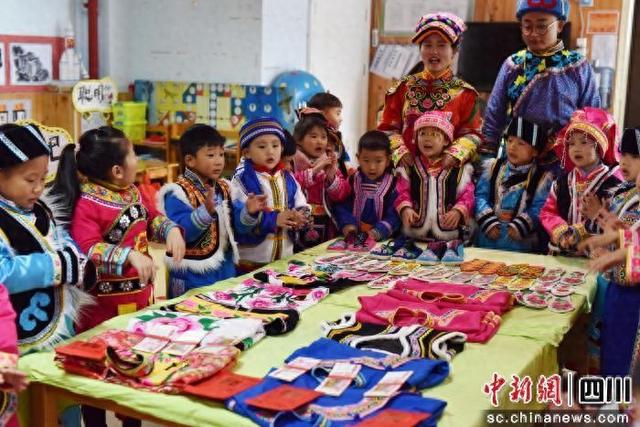
Core Viewpoint - The article emphasizes the commitment of Beichuan Qiang Autonomous County to improve and guarantee the well-being of its residents through various public service projects and initiatives aimed at enhancing quality of life by 2025 [1] Group 1: Education and Healthcare - Beichuan focuses on enhancing education and healthcare services, with plans to expand public childcare and preschool education by completing 60 public childcare facility renovations, increasing total childcare spots to 590 by 2025 [2] - The county is also implementing a digital transformation in education, connecting two compulsory education districts and one high school to the "Sichuan Cloud Education" platform, allowing students to attend classes with teachers from renowned schools in the urban area [2] - In healthcare, 19 county-level medical experts will be sent to grassroots health centers to provide quality medical services, ensuring residents have access to better healthcare resources [2] Group 2: Urban and Rural Development - Beichuan is advancing urban and rural quality improvements through initiatives like old residential area renovations, infrastructure enhancements, and beautiful countryside construction, with 15 elevators added to existing residential buildings and 98 new electric bike charging stations planned by 2025 [3] - The county has also completed 114 rural road restoration projects and added 56.6 kilometers of guardrails to mountain roads, improving transportation networks and enhancing rural living conditions [5] Group 3: Social Welfare and Support - The county is implementing various social welfare programs targeting vulnerable groups, including over 600 elderly individuals receiving professional health services through the "Health Door Knocking Action" and home modifications for economically disadvantaged elderly families [6] - Beichuan has provided support for 262 individuals with disabilities and implemented barrier-free modifications for 100 households, addressing daily living challenges for these groups [6] - A total of 49.86 million yuan has been distributed for low-income assistance and special aid funds, benefiting over 88,000 individuals, while legal aid services have been expanded to assist with rights protection [6]
锚定“十五五”开局 实干践诺谋发展
Zheng Zhou Ri Bao· 2026-01-06 00:49
Core Points - The Zhengzhou Municipal Economic Work Conference emphasizes high-quality economic development goals and practical paths, aligning with the "14th Five-Year Plan" and central government directives [1][10][19] Group 1: Economic Development Strategies - Various districts are implementing the conference's spirit by establishing specific measures tailored to local conditions, aiming for practical outcomes [2][19] - The focus is on innovation-driven development, enhancing modern industrial systems, and fostering new business models and consumption patterns [2][3][6] - The conference outlines a framework for urban development, aiming to optimize city functions and create core growth areas within metropolitan circles [4][10] Group 2: Project and Infrastructure Development - Key projects are being accelerated, including the establishment of industrial parks and logistics centers to boost local economies [5][10][14] - The development of specific areas, such as the cold chain logistics and modern food industries, is prioritized to enhance regional economic strength [5][10] - Urban renewal initiatives are being implemented to improve living conditions and infrastructure, focusing on enhancing the quality of urban environments [5][15] Group 3: Innovation and Technology - The establishment of research institutions, such as the Zhongke Big Data Research Institute, aims to integrate industry, academia, and research to drive innovation [7][11] - Emphasis is placed on developing new production capabilities and fostering a culture of innovation within local enterprises [6][7][13] Group 4: Consumer Market Activation - The conference highlights the importance of creating an international consumer center to stimulate market vitality and develop new consumption scenarios [8][13] - Local initiatives are being launched to enhance consumer experiences and promote strategic projects in technology and green industries [8][13] Group 5: Social Welfare and Governance - The focus on improving public services and ensuring social welfare is a key aspect of the economic strategy, aiming to enhance the quality of life for residents [15][16][18] - Governance models are being refined to ensure effective community engagement and responsiveness to public needs [15][16][18]
多部门协作激活“合力效应” 联动创新提升为民服务效能
Xin Lang Cai Jing· 2026-01-05 19:46
(来源:沈阳日报) 转自:沈阳日报 为持续优化营商环境,筑牢民生保障根基,近日,市人力资源和社会保障局主动联动市卫健委、市教育 局、市妇联等,通过清单化管理、机制化协同,构建多维度赋能体系,将部门协作优势切实转化为服务 企业和群众的实效。 聚焦民生关切 提升服务温度 市人力资源和社会保障局与市卫健委紧密协作,围绕群众最关心的健康与民生保障问题,梳理并确认24 项双向嵌入的重点工作清单。双方通过流程优化、减负增效,着力解决11项可办结的堵点问题,并为13 项长期任务建立稳固的联动机制,推动健康服务与社保、就业等政策更精准、更便捷地惠及百姓,让民 生服务更具温度、更贴近需求。 聚力人才支撑 赋能发展引擎 优化营商环境,核心在于构建人才安心创业、舒心生活的"生态系统"。市人力资源和社会保障局与市教 育局深化协同,共同聚焦人才引育与民生发展,确立了覆盖就业促进、社会保障、高校毕业生服务等领 域的26项协作任务。重点推进"青帆计划"助力青年就业、"技能提升培训"增强人才竞争力、"工伤预防 课程进讲堂"提升安全意识等举措,有效打通教育链与就业链,推动人才服务升级,为产业发展提供坚 实的人力资源保障。 聚合巾帼力量 护航就 ...
共创共享美好生活(民生一线)
Ren Min Ri Bao· 2026-01-04 22:48
Group 1: Employment and Labor Rights - Xiamen has implemented measures to protect the rights of new employment groups, focusing on delivery and courier riders, with nearly 500,000 new employment workers in the city, including about 100,000 riders [3][4] - The introduction of a "rider-friendly map" at Xiamen University Hospital has improved delivery efficiency, saving riders approximately two minutes per order, which can prevent delays [2][3] - Over 200,000 flexible employment workers in Xiamen are participating in basic pension and medical insurance, with specific protections for 11.23 million workers in the delivery and transportation sectors [3][4] Group 2: Childcare Subsidies - Qinghai Province has issued 5.4 billion yuan in childcare subsidies to 170,000 children under three years old, with a focus on ensuring timely access for rural families [6][8] - The implementation of a childcare subsidy policy provides 3,600 yuan per child per year until the age of three, with 31 provinces having distributed subsidies to over 24 million families by the end of 2025 [8][9] - The number of childcare service institutions has increased significantly, with 12.6 million places available, and the average price of full-day childcare has decreased by 29% [9] Group 3: Elderly Care and Smart Home Solutions - Shanxi Province is advancing elderly-friendly renovations, with over 1,500 households receiving smart devices to enhance safety for elderly residents [10][11] - The digital elderly care service platform in Wanbailin District provides real-time alerts for emergencies, ensuring a safer living environment for seniors [11][12] - The government has allocated 9 billion yuan to support community-based elderly care projects, enhancing services for homebound seniors [12][13]
广西财政提前下达资金167.65亿元 保障元旦春节期间困难群众生产生活
Zhong Guo Xin Wen Wang· 2026-01-04 01:59
广西财政提前下达资金167.65亿元 保障元旦春节期间困难群众生产生活 为加强优抚褒扬,落实优抚对象待遇和帮扶解困政策,广西财政厅支持落实各项优抚对象保障政策,提 前下达2026年优抚对象补助经费18.84亿元,调整广西部分优抚对象等人员抚恤和生活补助标准,为全 区符合条件的优抚对象发放优待抚恤及提供医疗保障,助力优抚对象老有所养、病有所医。 与此同时,广西财政厅持续健全帮扶解困机制,提前下达600万元扎实做好关心关爱帮扶工作,为患重 大疾病、遭遇突发灾害等困难优抚对象提供临时性、过渡性帮扶援助,不断夯实优抚对象保障体系;强 化军地协同保障,提前下达拥军优属慰问经费超3400万元,支持各地在春节期间组织开展拥军优属和慰 问活动,营造浓厚的拥军优属社会氛围。(完) 来源:中国新闻网 编辑:付健青 广告等商务合作,请点击这里 中新网南宁1月4日电 (韦佳秀)近日,广西壮族自治区财政厅提前下达2026年中央和自治区资金167.65亿 元,重点加强对元旦春节期间困难群众生产生活保障,进一步织密扎牢民生兜底保障网。 据介绍,广西财政厅提前下达困难群众救助补助资金118.7亿元,较上年同期增长27%,更加有力兜牢 兜实全 ...
新年贺词里的民生牵挂
Ren Min Ri Bao· 2026-01-04 00:42
Group 1 - The core message emphasizes the importance of improving people's livelihoods and ensuring happiness as a top priority for the government [3][9][15] - The government has made significant efforts to enhance the rights and welfare of new employment groups, ensuring better living conditions for the populace [2][8] - The focus on rural revitalization through the development of specialty industries is highlighted, with an emphasis on technology application and industry chain extension to increase farmers' income [4][6] Group 2 - Employment stability is a key focus, with policies implemented to prioritize job creation and support for the workforce, resulting in a stable employment situation during the "14th Five-Year Plan" period [7][8] - The government has introduced various social welfare measures, including subsidies for childcare and elderly care, to address the needs of families and improve overall living standards [10][12] - The healthcare system has been strengthened, with significant improvements in access to medical services and a focus on enhancing public health [11][12] Group 3 - Education reform is prioritized, with initiatives aimed at building a high-quality education system and expanding access to education, contributing to the development of a skilled workforce [13] - Support for vulnerable groups, including the disabled and those facing economic hardships, is emphasized, with measures in place to ensure their basic living needs are met [15][17] - The government is committed to enhancing social safety nets and disaster relief efforts, ensuring that no one is left behind in times of crisis [16][18]
织密民生保障网 守护万家暖人心
Xin Lang Cai Jing· 2026-01-03 19:18
(来源:内蒙古日报) 转自:内蒙古日报 □本报记者 赵曦 王坤 冬日的清晨,乌兰察布市察右前旗黄茂营乡小淖尔幸福院的空气中飘起饭菜香——这间由闲置住房改造 而成的190平方米为老餐厅,经过3个月筹备正式开门迎客。 83岁的独居老人于占江接过热乎乎的饭菜时,眼角的皱纹里漾着暖意:"年龄大了以后在家烧火做饭都 发愁,现在天天能吃上现成的热乎菜!"这顿"幸福餐",不仅温暖了当地230位高龄、独居、失能老人的 胃,更标志着乌兰察布市在努力打造"舌尖上的养老"实践中,迈出了从"有没有"到"好不好"的关键一 步。 于大爷的三餐变化,正是内蒙古"十四五"养老服务提质的生动缩影。 "十四五"期间,内蒙古民政践行以人民为中心的发展思想,以养老服务提质、社会救助精准、困境群众 关爱为核心发力点,持续织密织牢普惠性、基础性、兜底性民生保障网,展现出一个个温暖的惠民故 事。 从"有"到"享" 实现品质跨越 "十四五"期间,内蒙古累计建成居家社区养老服务设施1651个,居家社区养老服务覆盖率达98.2%。 针对农村短板,内蒙古建成659所苏木乡镇养老中心、6404个村级服务站,流动养老"大篷车"年均服务5 万余人次。 赤峰市林西县统部 ...
广西提前下达逾167亿元“民生礼包”
Xin Lang Cai Jing· 2026-01-03 19:17
在就业帮扶方面,提前下达2026年就业补助资金29.71亿元,加强对农民工、就业困难人员和脱贫劳动 力等重点群体就业援助和帮扶,持续配合开展治理欠薪冬季行动。其中,提前下达农民工就业创业方向 资金2.47亿元,支持开展"春暖农民工"行动、农民工专场招聘会等服务活动,强化就业公共服务促进供 需对接,全力服务好农民工春节返乡实际就业需求。聚焦大龄、低保家庭、长期失业等就业困难人员, 支持开展"就业暖心·桂在行动"等专项服务活动,落实社会保险补贴,鼓励企业吸纳就业困难人员就 业。专项安排经费支持开设春节"温暖回家路"、节后"温馨返粤程"等返乡返岗专列,为在粤务工退役军 人春节期间返乡返岗提供帮扶。 同时,落实优抚对象待遇和帮扶解困政策。一方面,提前下达2026年优抚对象补助经费18.84亿元,根 据中央部署动态调整我区部分优抚对象等人员抚恤和生活补助标准,为全区符合条件优抚对象发放优待 抚恤及提供医疗保障。另一方面,提前下达600万元扎实做好关心关爱帮扶工作,为患重大疾病、遭遇 突发灾害等困难优抚对象提供临时性、过渡性帮扶援助。此外,提前下达拥军优属慰问经费超3400万 元,支持各地在春节期间组织开展拥军优属和慰问 ...
全力保障元旦春节期间困难群众生产生活
Guang Xi Ri Bao· 2026-01-03 03:43
聚焦就业帮扶,广西提前下达2026年就业补助资金29.71亿元,加强对农民工、就业困难人员和脱 贫劳动力等重点群体就业援助和帮扶,持续配合开展治理欠薪冬季行动。其中,安排农民工就业创业方 向资金2.47亿元,用于开展"春暖农民工"行动、农民工专场招聘会等服务活动,强化就业公共服务促进 供需对接,服务好农民工春节返乡实际就业需求;针对大龄、低保家庭、长期失业等就业困难人员,支 持开展"就业暖心·桂在行动"等专项服务活动,落实社会保险补贴,鼓励企业吸纳就业困难人员就业, 促进困难群体通过市场化渠道就业;专项安排经费支持开设春节"温暖回家路"、节后"温馨返粤程"等返 乡返岗专列,帮扶在粤务工退役军人返乡返岗。 为支持落实各项优抚对象保障政策,广西提前下达2026年优抚对象补助经费18.84亿元,根据中央 部署动态调整广西部分优抚对象等人员抚恤和生活补助标准,为符合条件优抚对象发放优待抚恤及提供 医疗保障;安排600万元为患重大疾病、遭遇突发灾害等困难优抚对象提供临时性、过渡性帮扶援助, 安排超3400万元拥军优属慰问经费,支持各地在春节期间组织开展拥军优属和慰问活动。(胡戴炜) 1月2日,记者从自治区财政厅获悉,广 ...