
金柚

Search documents
在这座千年侨乡 见证区域协调发展的生动实践
Yang Shi Wang· 2026-02-23 07:34
Core Viewpoint - The article emphasizes the importance of addressing regional development imbalances in Guangdong, highlighting the focus on the economic development of underdeveloped areas like Meizhou during recent inspections by General Secretary Xi Jinping [1][7][19]. Group 1: Regional Development Focus - General Secretary Xi Jinping's inspections in Guangdong reflect a commitment to regional coordination and development, particularly in economically lagging areas like Meizhou [1][7]. - Meizhou's economic contribution is noted to be around 1% of Guangdong's total economic output, indicating its relative underdevelopment [7]. - The emphasis on rural characteristic industries is seen as a foundation for comprehensive rural revitalization, with a focus on technology application and industry chain extension [3][5]. Group 2: Infrastructure and Connectivity - The opening of the Meilong High-Speed Railway in September 2024 significantly reduces travel time from Meizhou to major cities, enhancing its connectivity to the Guangdong-Hong Kong-Macau Greater Bay Area [11][13]. - Improved transportation infrastructure is crucial for facilitating the flow of people, goods, and information, thus revitalizing Meizhou's economy [13][17]. - The development of a multi-layered transportation network, including high-speed rail and highways, is essential for integrating Meizhou into the broader economic landscape of Guangdong [11][15]. Group 3: Collaborative Development Efforts - Collaborative mechanisms between core cities like Guangzhou and underdeveloped regions have been established to promote industrial growth and regional development [9][11]. - Over the past decade, Guangzhou has invested approximately 6 billion yuan in Meizhou, demonstrating a long-term commitment to regional support [9]. - The article highlights the importance of both hard and soft connectivity in addressing regional disparities, with a focus on shared public services and policy alignment [17][19].

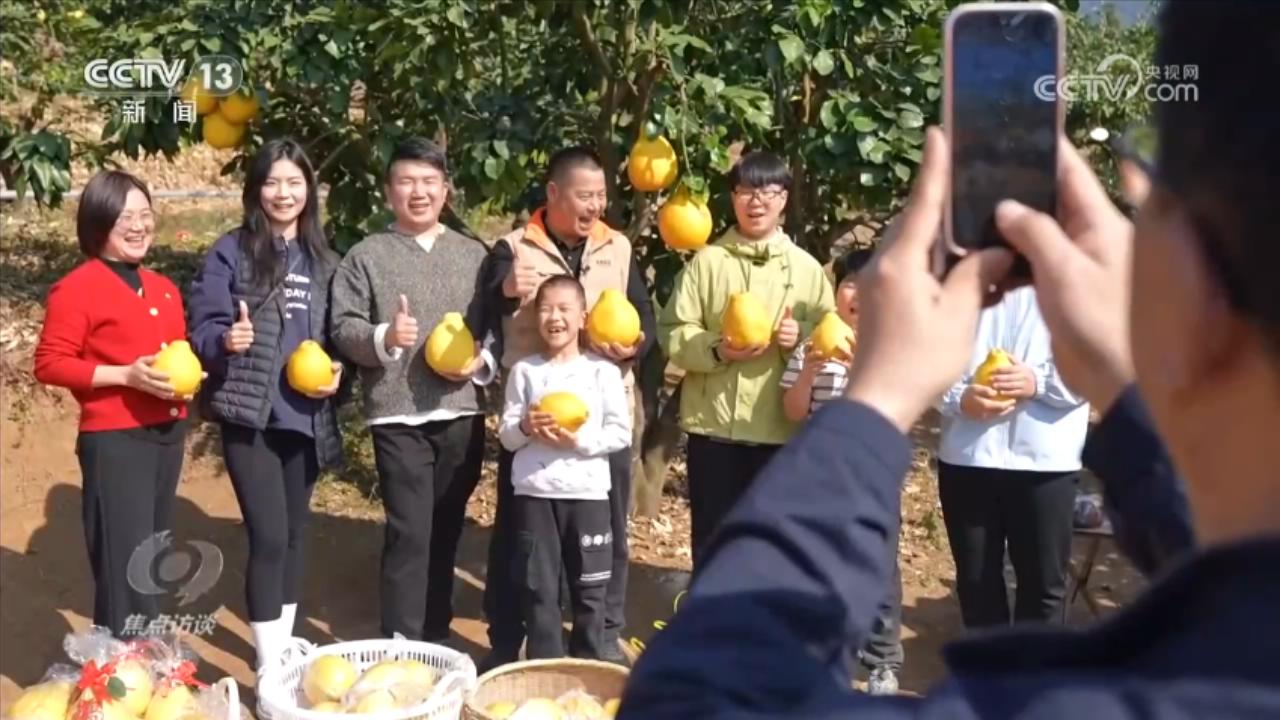
在创新中狠抓落实丨清障疏堵规范市场秩序
Zhong Yang Ji Wei Guo Jia Jian Wei Wang Zhan· 2026-02-07 01:35
Group 1 - The core viewpoint emphasizes the importance of a favorable business environment for promoting high-quality economic development, with local authorities actively collecting feedback from businesses and citizens to address their concerns [1][2] - The municipal disciplinary inspection and supervision agencies have identified and are addressing 22 specific behaviors that harm the business environment, including corruption and inefficiency in administrative processes [2] - Since 2025, the municipal disciplinary inspection agencies have handled 134 cases related to damage to the business environment, resulting in the punishment of 262 individuals [2] Group 2 - The municipal disciplinary inspection agencies are focusing on key points in industrial development and financial risk management to enhance supervision and ensure the implementation of industrial policies [3] - There is a concerted effort to rectify issues related to repeated inspections and multiple enforcement actions affecting businesses, with the establishment of a "comprehensive inspection once" regulatory mechanism [3][4] - All 18,448 administrative service items have been made available online, with 1,728 items being processed citywide and 100 items available for cross-regional processing [4]
行稳致远开新局丨连续领跑37年,“再造一个新广东”底气何在?
Yang Guang Wang· 2026-01-28 01:56
Core Viewpoint - Guangdong is leveraging its strengths in innovation and infrastructure to drive economic growth and development, particularly in the context of the "14th Five-Year Plan" and the upcoming "15th Five-Year Plan" [2][28]. Economic Development - Guangdong's GDP has crossed significant milestones, reaching 14 trillion yuan by 2025, maintaining its position as the top economy in China for 37 consecutive years [6][14]. - The province's trade volume reached 9.49 trillion yuan in 2025, marking a 4.4% year-on-year increase, contributing 24.1% to the national foreign trade growth [21]. Innovation and Technology - Guangdong has established over 10 major national scientific research infrastructures, ranking third in the country, to enhance original innovation capabilities [13]. - R&D expenditure in Guangdong increased from 380 billion yuan in 2021 to 535 billion yuan by 2025, with the province leading in various innovation metrics for nine consecutive years [14]. Low-altitude Economy - The low-altitude economy in Guangdong is rapidly developing, with over 15,000 related enterprises and a market share of 95% for consumer drones [9]. - The province is working towards creating a comprehensive low-altitude economic network, facilitating applications in logistics and tourism [7][9]. Regional Integration - The construction of major infrastructure like the Hong Kong-Zhuhai-Macao Bridge has significantly improved connectivity within the Guangdong-Hong Kong-Macao Greater Bay Area, creating a "one-hour living circle" [15][17]. - Guangdong is enhancing regulatory alignment and cooperation with Hong Kong and Macao, facilitating smoother cross-border operations and business activities [17][21]. Agricultural Modernization - The "Hundred Counties, Thousand Towns, and Ten Thousand Villages" initiative is being implemented to promote high-quality agricultural development, with local specialties like the Jin You fruit significantly boosting farmers' incomes [22][23]. - Technological advancements in agriculture are attracting younger generations back to rural areas, transforming traditional farming practices [22][24]. Future Outlook - Guangdong aims for an average GDP growth of around 5% annually over the next five years, focusing on high-quality development and improved regional coordination [28]. - The province is positioned to capitalize on the "dual-zone" effect, enhancing its role in global supply chains through deeper cooperation with Hong Kong and Macao in various sectors [27][28].
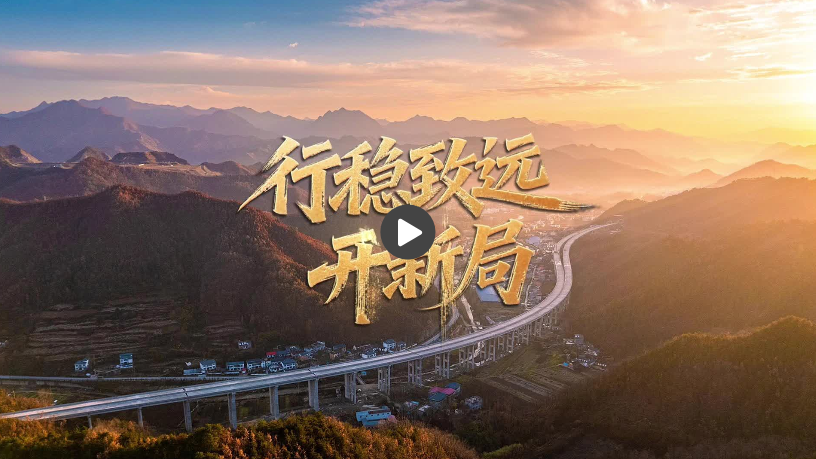
2026年政府工作报告三提柚子,梅州“百千万工程”绘就振兴图景
Nan Fang Nong Cun Bao· 2026-01-27 02:07
Core Viewpoint - The article highlights the significance of the pomelo industry in Meizhou, Guangdong Province, as a key driver for local economic development and rural revitalization, with government support and initiatives aimed at enhancing agricultural productivity and brand recognition. Group 1: Government Initiatives and Economic Impact - The Guangdong provincial government work report mentions pomelos three times, emphasizing the need to enhance local agricultural products and support policies for underdeveloped areas [5][8]. - Meizhou is the largest pomelo production area in Guangdong, accounting for 90% of the province's pomelo cultivation and 20% of the national output, with a planting area of 650,000 acres and an annual production of 930,000 tons [10][11]. - The total industrial chain value of pomelos in Meizhou exceeds 8.9 billion yuan, indicating its importance in the local economy [11]. Group 2: Agricultural Development and Innovation - The "Hundred Million Project" is a key initiative in Meizhou aimed at industrial development, environmental improvement, and service enhancement, with significant progress reported in various towns and villages [19][21]. - The average GDP growth rate in Meizhou has been among the highest in the province, with a notable increase in agricultural output and the establishment of modern agricultural industry clusters [15][18]. - Technological advancements are being leveraged to improve agricultural efficiency, such as mechanized harvesting in peanut cultivation, which has significantly increased productivity [27][30]. Group 3: Rural Revitalization and Community Engagement - The "Hundred Million Project" has revitalized rural areas, with towns like Niche Town showcasing successful agricultural and community development strategies [33][34]. - Community-driven initiatives have led to increased income for local farmers, with projects focusing on diverse agricultural products and tourism integration [41][43]. - The integration of agriculture with cultural and tourism sectors is being promoted, with events and activities designed to enhance local visibility and attract visitors [60][62]. Group 4: Future Prospects and Strategic Goals - Meizhou aims to establish itself as a model for agricultural and tourism integration, with ongoing projects to enhance local resources and promote cultural heritage [62][64]. - The government plans to continue supporting the pomelo industry and other agricultural sectors to ensure sustainable growth and improved living standards for local residents [80][81].

全省农林牧渔业总产值增长4.9%丨2026广东两会
Nan Fang Nong Cun Bao· 2026-01-26 03:35
Group 1 - The total output value of agriculture, forestry, animal husbandry, and fishery in Guangdong Province increased by 4.9% in 2025, indicating initial success of the "Hundred Million Thousand Project" [3] - 57 counties (cities) have an average annual growth rate of total output value exceeding the provincial average over the past three years, with overall net population inflow [4] - Huizhou Bo Luo has become a county with a total output value exceeding 100 billion [4] Group 2 - The province has been selected as a national pilot city for deepening inclusive financial reform [5] - Comprehensive implementation of the "Yue Mei County" urban design has been initiated, with 22 new urbanization construction pilot projects and 8 counties promoting integrated development of agriculture, culture, and tourism [6][7] - A total of 407 typical towns, 2,519 typical villages, and 25 typical village clusters have been cultivated [7] Group 3 - The improvement of rural housing aesthetics has reached 264,000 households, and the rate of sewage treatment in administrative villages has increased to over 90% [8] - The total grain output has reached a new high since 2006, with historical highs in yield per unit area [9][10] - The production of specialty agricultural products such as lychee and pomelo continues to rise, supported by "media+" initiatives that enhance brand upgrading and sales [10] Group 4 - New national geographical indication protection demonstration zones have been established for products like Loding in Yunfu and Huazhong in Maoming [11] - Breakthrough new varieties have been developed in areas such as rice and meat chickens [12] - The contribution rate of agricultural science and technology advancement has exceeded 74% [14] Group 5 - Construction of 7 provincial-level fishing port economic zones has been initiated, with 2,000 new gravity-type deep-water net cages being built, leading to a new high in total aquatic product output [15][16]
新年贺词里的民生牵挂
Ren Min Ri Bao· 2026-01-04 00:42
Group 1 - The core message emphasizes the importance of improving people's livelihoods and ensuring happiness as a top priority for the government [3][9][15] - The government has made significant efforts to enhance the rights and welfare of new employment groups, ensuring better living conditions for the populace [2][8] - The focus on rural revitalization through the development of specialty industries is highlighted, with an emphasis on technology application and industry chain extension to increase farmers' income [4][6] Group 2 - Employment stability is a key focus, with policies implemented to prioritize job creation and support for the workforce, resulting in a stable employment situation during the "14th Five-Year Plan" period [7][8] - The government has introduced various social welfare measures, including subsidies for childcare and elderly care, to address the needs of families and improve overall living standards [10][12] - The healthcare system has been strengthened, with significant improvements in access to medical services and a focus on enhancing public health [11][12] Group 3 - Education reform is prioritized, with initiatives aimed at building a high-quality education system and expanding access to education, contributing to the development of a skilled workforce [13] - Support for vulnerable groups, including the disabled and those facing economic hardships, is emphasized, with measures in place to ensure their basic living needs are met [15][17] - The government is committed to enhancing social safety nets and disaster relief efforts, ensuring that no one is left behind in times of crisis [16][18]
【牢记嘱托 感恩奋进·说说我的2025】甜蜜的忙碌
Xin Lang Cai Jing· 2026-01-02 18:29
Core Insights - The article highlights the transformation of Nanfeng Village in Meizhou, Guangdong, where the local pomelo industry has become a significant source of income and tourism, attracting approximately 150,000 visitors annually [1] - The development of infrastructure, including improved roads and transportation methods, has facilitated the growth of the pomelo industry, allowing for increased production and sales [1] - The village has diversified its product offerings beyond pomelos, creating various products such as pomelo skin candy, pomelo beer, pomelo flower tea, and pomelo pastries, significantly increasing the value of a single pomelo [1] Infrastructure Development - The introduction of dual-lane roads and modern transportation methods, including drones, has improved access to the village, enhancing the logistics of pomelo distribution [1] - Previously, villagers faced challenges in transporting their produce due to poor road conditions, but now they can efficiently move goods to market [1] Economic Impact - The pomelo industry has transformed from a seasonal income source to a year-round revenue stream for villagers, with activities spread across different seasons [1] - Villagers are now able to sell over 3,000 pounds of pomelos daily, indicating a robust demand from both local and visiting customers [1] Future Plans - The village leadership is considering the establishment of a strong village company to further enhance the community's development and economic prosperity [2]
在时间的长河旁,等候一场生长丨2026南方农村报新年社论
Nan Fang Nong Cun Bao· 2025-12-31 09:01
Core Viewpoint - The article reflects on the achievements and developments in agriculture and rural areas in Guangdong during 2025, emphasizing the importance of patience and respect for the land as the region moves into 2026 [10][16][75]. Group 1: Agricultural Achievements - In 2025, Guangdong's primary industry value ranked second nationally, with grain yield reaching a historical high [16]. - The first Guangdong agricultural products trading fair attracted over 600 brand enterprises, achieving nearly 100 million yuan in intended signing amounts [45]. - The "Media+" initiative aims to enhance agricultural market systems and break down urban-rural barriers, promoting the integration of media and agriculture [25][26]. Group 2: Technological and Infrastructural Developments - The launch of the DeepSeek and the successful deployment of the Tianwen-1 Mars probe highlight significant technological advancements [10]. - High-speed railways, such as the Guangzhan high-speed railway, have improved connectivity between rural areas and urban centers, facilitating the flow of resources and reducing urban-rural divides [23][24]. Group 3: Cultural and Community Engagement - The article emphasizes the role of local farmers and communities in sharing their stories and wisdom, showcasing the cultural richness of the region [19][20]. - The "Media+" approach encourages equal dialogue and collaboration between urban and rural areas, transforming local agricultural products into cultural narratives [46][70]. Group 4: Future Outlook - The article expresses confidence in the potential for agricultural modernization and rural development, highlighting the importance of patience and long-term commitment to growth [75][78]. - The vision for 2026 includes a continued focus on enhancing the quality of life in urban and rural areas, fostering a sense of community and shared aspirations [74][81].
新思想引领新征程丨加快农业农村现代化 扎实推进乡村全面振兴
Yang Guang Wang· 2025-12-30 03:34
Core Viewpoint - The modernization of agriculture and rural areas is essential for China's overall modernization, with a focus on achieving food security and promoting rural revitalization [1][5]. Group 1: Agricultural Production and Food Security - China's grain production reached 14,297.5 billion jin this year, marking a significant harvest and contributing to the goal of building an agricultural powerhouse [1]. - The government emphasizes the importance of food security, advocating for self-reliance and domestic production while maintaining appropriate imports and technological support [1]. - The "14th Five-Year Plan" aims to ensure that the food supply for 1.4 billion Chinese people is secure, with a focus on enhancing agricultural productivity through technology [2]. Group 2: Technological Advancements in Agriculture - The integration of artificial intelligence in agriculture is being implemented in regions like Henan, enhancing the efficiency and effectiveness of farming practices [2]. - The construction of high-standard farmland is a key strategy, with over 700 billion yuan allocated to support the development and improvement of 46 million acres of farmland [3]. Group 3: Rural Revitalization and Economic Development - The revitalization of rural areas is closely linked to industrial development, with successful examples in regions like Guangdong, where local agricultural products are being transformed into creative and processed goods [3][4]. - The model of "party leadership, enterprise involvement, and farmer participation" is being adopted in villages like Nangu Village in Shaanxi, leading to increased income for farmers and the growth of local economies [4]. Group 4: Policy and Strategic Initiatives - The "15th Five-Year Plan" emphasizes accelerating agricultural modernization and promoting urban-rural integration, ensuring that rural areas meet modern living standards [5]. - The Ministry of Agriculture is focused on enhancing agricultural technology and protecting arable land to build a diversified food supply system [5].
(近观中国|足迹)把“土特产”3个字琢磨透——习近平走进柚子园
Zhong Guo Xin Wen Wang· 2025-12-25 12:52
Core Insights - The article emphasizes the importance of developing rural specialty industries as a foundation for comprehensive rural revitalization, highlighting the significance of local products in enhancing farmers' income and promoting economic growth [1][2]. Group 1: Development of Rural Specialty Industries - The concept of "土特产" (local specialty products) is crucial for rural industry development, focusing on utilizing local resources, showcasing regional characteristics, and establishing industrial clusters [2]. - The success of the Nanfeng pomelo planting base exemplifies the effective implementation of the "土特产" concept, leading to the creation of various products such as skincare items and beverages, thus extending the industrial chain [2]. - During the 14th Five-Year Plan period, there is a nationwide exploration of developing rural "土特产," which is expected to boost new industries and business models, including rural e-commerce and leisure [2]. Group 2: Economic Impact and Future Outlook - The 15th Five-Year Plan suggests promoting the deep integration of primary, secondary, and tertiary industries in rural areas, aiming to cultivate and strengthen rural specialty industries [3]. - The anticipated growth in the agricultural processing sector is significant, with over 100,000 large-scale agricultural processing enterprises projected to generate approximately 1.8 trillion RMB in revenue by 2024 [2]. - The ongoing focus on "土特产" is expected to continue contributing to rural revitalization, with more local products like pomelos becoming vital sources of income for farmers [3].