
体育产业发展

Search documents
冰雪点燃新引擎 融合绘就新蓝图 “十四五”体育产业活力十足迈上新台阶
Xin Lang Cai Jing· 2025-12-26 05:41
Core Insights - The sports industry in China is experiencing unprecedented growth during the 14th Five-Year Plan period, with an average annual growth rate of 10.3%, reaching a total scale of 3.67 trillion yuan in 2023, contributing 1.15% to GDP [1][2] Policy Support - A comprehensive policy framework has been established to support the development of the sports industry, including the introduction of new laws and guidelines aimed at enhancing the sector's growth [2][3] - The revised Sports Law includes a dedicated chapter on the sports industry, providing legal backing for its development [2] - The government has set ambitious targets for the sports industry, aiming for a total scale exceeding 7 trillion yuan by 2030 [2] Financial and Fiscal Policies - Financial institutions are actively supporting the sports industry through targeted loans and fiscal policies, with the People's Bank of China establishing a 500 billion yuan fund for service consumption and elderly care [3] - Local governments are innovating policies to stimulate sports-related economic activities, such as subsidies for local events and financial support for specialized enterprises [3] Market Dynamics - The sports industry is witnessing a surge in consumer demand, with significant contributions from events and tourism, as seen in the economic impact of sports events in various regions [6][13] - The ice and snow economy is evolving into a major growth driver, with the industry expected to reach 980 billion yuan by 2024 and surpass 1 trillion yuan by 2025 [7][10] Infrastructure Development - The expansion of sports facilities is crucial for the popularization of ice and snow sports, with a total of 2,678 ice and snow venues expected by the end of 2024, marking a 136% increase since 2018 [9] - Southern regions are increasingly developing indoor ice and snow facilities, making winter sports accessible year-round [9] Event-Driven Economic Growth - Major international events like the Beijing Winter Olympics and the Hangzhou Asian Games have significantly boosted local economies, with surrounding areas experiencing consumption increases of over 40% during these events [15] - Grassroots events are gaining popularity, contributing to local economies and enhancing community engagement [15][16] Consumer Trends - The sports consumption landscape is diversifying, with a notable shift towards experiential and service-oriented offerings, reflecting changing consumer preferences [20][22] - The rise of digital fitness solutions and smart venues is reshaping how consumers engage with sports and fitness activities [23][25] Technological Integration - The integration of digital technology into the sports industry is fostering innovation, with advancements in smart equipment and digital events enhancing user experiences [23][24] - The sports manufacturing sector is transitioning towards higher quality and efficiency, with a growing emphasis on domestic production and innovation [17][19] Future Outlook - The sports industry is poised for continued growth, driven by supportive policies, innovative practices, and a focus on consumer engagement, contributing to broader economic and social development goals [25]

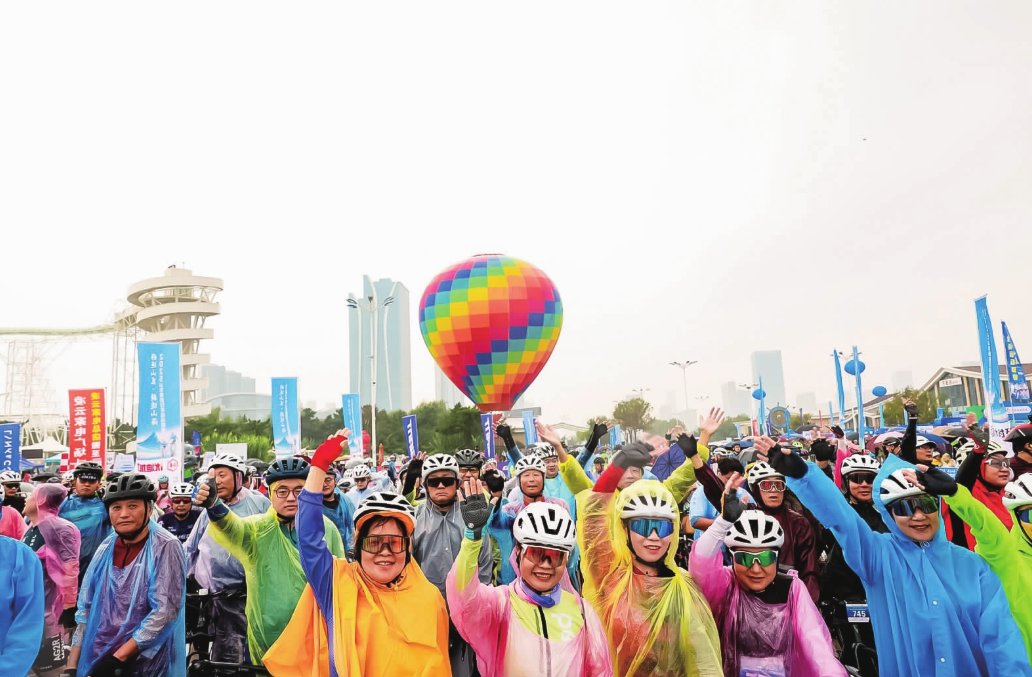
山东乐陵:聚力发展体育产业
Ren Min Wang· 2025-12-19 08:30
Core Viewpoint - Shandong Leiling is focusing on the development of the sports industry to enhance local economic growth and promote community engagement in sports activities [2][3][4] Group 1: Industry Development - The local government is implementing policies to support the growth of the sports industry, aiming to create a comprehensive sports ecosystem [2] - Investments are being directed towards building sports facilities and hosting major sporting events to attract tourism and boost local businesses [3] - The initiative is expected to generate significant employment opportunities and improve the overall quality of life for residents [4] Group 2: Community Engagement - Community programs are being established to encourage participation in sports among all age groups, fostering a culture of health and fitness [2] - Partnerships with local schools and organizations are being formed to promote youth sports and talent development [3] - The focus on community engagement is seen as a way to strengthen social ties and enhance community spirit through sports [4]
东浩兰生会展集团股份有限公司关于下属公司增加注册资本的公告
Shang Hai Zheng Quan Bao· 2025-11-26 18:14
Core Viewpoint - The company plans to increase the registered capital of its wholly-owned subsidiary, Shanghai Donghao Lansheng Sports Co., Ltd., from RMB 3 million to RMB 53 million to seize opportunities in the sports industry and enhance its market competitiveness [2][3][8]. Group 1: Investment Overview - The investment target is Shanghai Donghao Lansheng Sports Co., Ltd., previously known as Shanghai Donghao Lansheng Event Management Co., Ltd. [2][6] - The capital increase will be funded by the company's own funds, ensuring no adverse impact on the company's main business, cash flow, or asset status [2][8]. Group 2: Board Approval - The capital increase was approved during the 16th meeting of the 11th Board of Directors on November 26, 2025, and does not require shareholder approval [4][12]. - The board's decision received unanimous support with 9 votes in favor and no opposition [13]. Group 3: Impact on the Company - The capital increase aims to enhance the market competitiveness and global influence of the sports company, aligning with the company's long-term strategic development [8]. - The initiative is part of the company's strategy to support Shanghai's goal of becoming a globally renowned sports city, focusing on major events like the Shanghai Marathon and other sports competitions [3][8].

透过体育这扇窗观察中国(国际观澜)
Ren Min Ri Bao· 2025-11-23 22:20
Core Insights - The article highlights the significant development of China's sports industry, driven by increased government and societal emphasis on sports, as well as the successful hosting of international sports events [1][2]. Group 1: Development of Sports Industry - China aims to cultivate a number of world-influential sports enterprises and events by 2030, with the sports industry expected to exceed 7 trillion RMB in total scale [2]. - The younger generation in China shows substantial consumer potential, not only focusing on sports events but also expressing interest in related industries such as sports equipment and healthy diets, which will promote diversification in the sports industry [2]. Group 2: Infrastructure and Economic Growth - The hosting of international sports events has contributed to urban renewal and improved public service capabilities, showcasing a more recognizable city image and reflecting the economic and social development level of China [2]. - The expansion of urban infrastructure has facilitated better living conditions for the public and further stimulated economic and social development [2]. Group 3: International Collaboration - The International Sports Journalists Association has strengthened its ties with China, with Chinese members being a significant part of the association and long-term collaborations established with various Chinese media [3]. - Activities such as joint interviews and training sessions have enhanced the professional capabilities of international journalists, showcasing China's effective event organization [3].
全运会,正在批量制造「满级人类」
3 6 Ke· 2025-11-22 01:34
Core Viewpoint - The article highlights the evolution of Chinese athletes, showcasing a new generation that combines athletic excellence with personal expression and academic achievements, breaking traditional stereotypes associated with sports in China [1][37]. Group 1: Emerging Talents - The 2025 National Games is expected to feature a new generation of athletes, particularly those born after 2000, who are not only excelling in sports but also engaging in personal relationships [1][3]. - Athletes like Liu Xiaojun and Zhang Zhanshuo exemplify this trend, achieving significant academic and athletic milestones simultaneously, with Liu being accepted into Peking University and Zhang winning gold medals in swimming [9][12]. - Chen Yuxie, at just 16 years old, broke the Asian youth record in the 100 meters and became the youngest champion in the event's history, showcasing the potential of young athletes [22][24]. Group 2: Academic Excellence - Many athletes are achieving high academic standards alongside their sports careers, such as Shao Yuqi, who is pursuing a master's degree at Tsinghua University while excelling in high jump [16][30]. - The trend of high academic achievement among athletes is becoming more common, with several competitors in the National Games holding advanced degrees [30][43]. Group 3: Changing Perceptions - The article discusses a shift in public perception of athletes, moving away from the traditional image of silent, austere competitors to more expressive individuals who embrace their personalities and appearances [37][41]. - Athletes are increasingly vocal about their experiences and challenges, with figures like Fan Zhendong openly addressing issues affecting their profession, indicating a growing confidence among the new generation [46][49]. Group 4: Economic and Cultural Shifts - The economic development of China has allowed athletes to pursue sports out of passion rather than necessity, leading to a more relaxed and confident approach to their careers [51][52]. - The commercialization of sports has enabled athletes to become influential figures, further enhancing their visibility and marketability [49][52].

【相约大湾区 燃动十五运】拉近心与心的距离 志愿精神闪耀赛场 十五运会为体育产业注入“新动能”
Yang Shi Wang· 2025-11-13 17:40
Core Viewpoint - The 15th National Games is fostering closer ties and interactions among the Guangdong-Hong Kong-Macao Greater Bay Area through sports events, with significant participation from all three regions [1][11]. Group 1: Event Participation and Experience - Over 6,000 participants from mainland China are expected to compete in Hong Kong and Macao, while more than 3,000 participants from Hong Kong and Macao will compete in mainland China [1]. - The event is enhancing the experience of spectators, as evidenced by Hong Kong resident Kwan Pak-cho's positive remarks about the convenience of traveling to Zhuhai for the event [3]. - Participants and spectators are enjoying the unique experience of watching national-level competitions while also appreciating the scenic views of the Greater Bay Area [3][4]. Group 2: Volunteer Engagement - Nearly 50,000 volunteers are participating in the event across the three regions, showcasing a strong spirit of community and support for the games [7][10]. - Volunteers in Macao, Hong Kong, and Guangdong are actively contributing to the smooth operation of the events, with specific examples of individuals taking pride in their roles [9][10]. Group 3: Economic and Cultural Impact - The 15th National Games is acting as a catalyst for regional sports consumption and is injecting new momentum into the high-quality development of the sports industry [11][15]. - The integration of sports events with local attractions, such as the flower festival in Shenzhen, is enhancing the overall experience for visitors and promoting local tourism [11][13]. - The sports industry in China is experiencing significant growth, with the production value of sports equipment rising from 1.12 trillion yuan in 2015 to over 1.5 trillion yuan, marking a 34% increase over ten years [15].
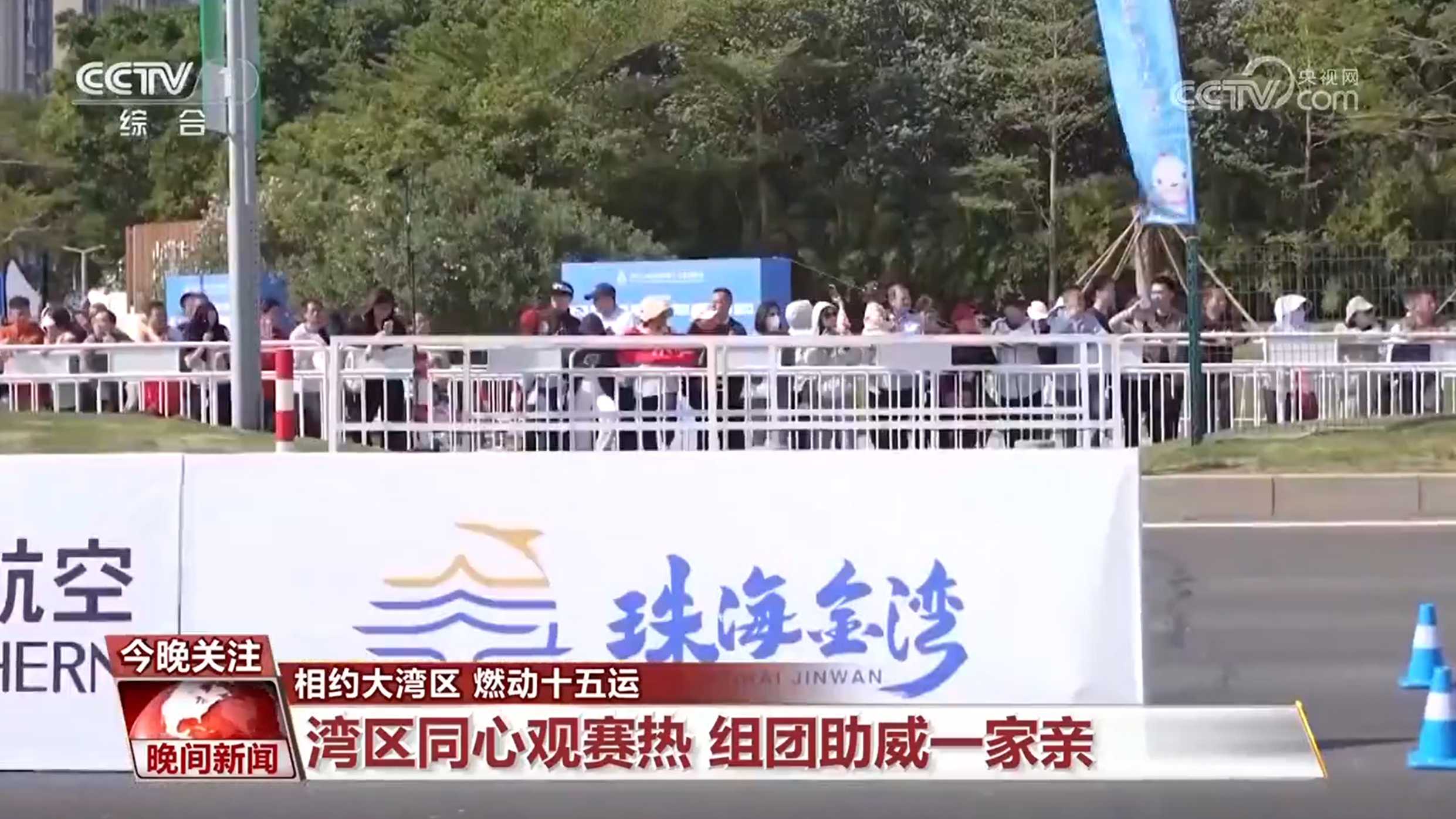
湾区速评丨赛场之外,体育赛事何以“燃”动大湾区?
Yang Shi Xin Wen Ke Hu Duan· 2025-11-13 02:54
Core Insights - Guangdong has hosted over 15,000 mass sports events in the first four years of the "14th Five-Year Plan," highlighting the province's commitment to promoting sports and fitness among its population [1] Group 1: Sports Development System - Guangdong has established a comprehensive sports event system that spans from provincial to community levels, creating a multi-tiered network of events that supports mass participation in sports [3] - The province's sports initiatives are well-organized and regular, moving beyond sporadic activities to a structured approach that includes professional and community events [3] Group 2: Economic Impact of Sports - The sports industry in Guangdong saw a 14.5% year-on-year increase in sales revenue in the first three quarters of 2025, outpacing the average growth rate of the province's service sector by 10.3 percentage points [5] - The total scale of Guangdong's sports industry has surpassed 700 billion yuan, accounting for approximately one-fifth of the national total [5] - Guangdong has 30 enterprises listed as national-level specialized and innovative "little giant" companies in the sports sector, representing one-fifth of all such companies in the country [5] Group 3: Large Events and Community Engagement - The ongoing 15th National Games in the Guangdong-Hong Kong-Macao Greater Bay Area has sparked a wave of public fitness activities, showcasing the spillover effects of large-scale events on community sports participation [7] - Various sports activities, such as badminton, basketball, and table tennis, are flourishing across urban areas, indicating a vibrant culture of mass sports participation [7] Group 4: Accessibility and Infrastructure - Guangdong is transforming underutilized spaces into sports facilities, making fitness options more accessible to residents and integrating sports into daily life [9] - This innovative approach to facility development addresses the challenge of finding accessible places for exercise, enhancing the overall sports culture in the province [9] Group 5: Lifestyle Integration - Sports have become an integral part of daily life for residents in Guangdong, reflecting a shift towards a more active and healthy lifestyle [11] - The transformation in sports participation is not only a lifestyle change but also a sign of the city's growing vitality and health consciousness [11]
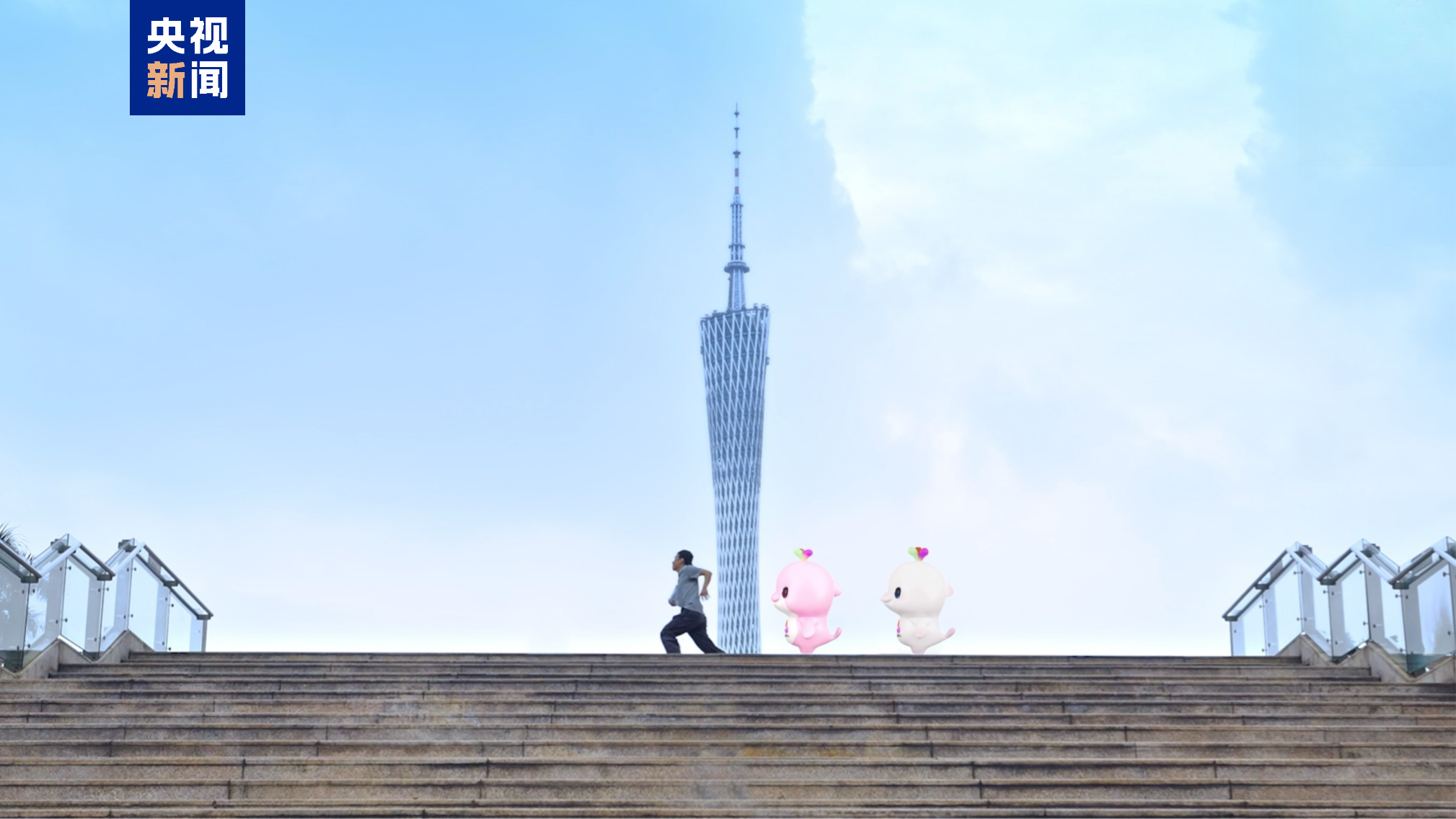
视频丨运动有了新体验!智能科技为体育带来这些改变
Yang Shi Xin Wen Ke Hu Duan· 2025-11-13 00:49
Core Insights - The 15th National Games showcases the integration of technology in sports, enhancing both competitive and recreational aspects of athletics [1][2] - Technological innovations are driving significant growth in the sports industry, with a focus on smart equipment and enhanced event management systems [4][8] Group 1: Technological Innovations in Competitive Sports - The introduction of the domestically developed "Super Perspective" live broadcast system enhances the viewing experience of popular sports like basketball and badminton [4] - Guangzhou has deployed new intelligent ambulances specifically designed for large events, ensuring rapid response to emergencies through a visualized smart dispatch system [6] - The city has also launched multiple autonomous vehicle routes, including 19 self-driving minibuses, to facilitate quick transportation for attendees [7] Group 2: Growth in Recreational Sports and AI Integration - The popularity of sports among the public is rising, with individuals like office workers increasingly utilizing smart sports facilities for relaxation and fitness [8][9] - AI-driven sports equipment, such as smart tennis ball machines, is becoming prevalent, allowing users to analyze their performance through data collection and backend analysis [13] - In Shenzhen, the procurement of AI smart devices in the fitness industry has reached 35%, with an annual growth rate of 40% [15] Group 3: Opportunities in the Sports Industry - The dual forces of rising public interest in sports and technological advancements in top-tier events are propelling China's sports industry into a "golden period" of rapid development [16] - The sports equipment industry in China has grown significantly, with over 63,000 production enterprises and an industry output value increasing from 1.12 trillion yuan in 2015 to over 1.5 trillion yuan, a 34% growth over ten years [18] - The industry is witnessing the emergence of leading companies, with eight listed manufacturers reporting annual revenues exceeding 10 billion yuan, and a total of 146 "little giant" enterprises recognized for their specialization [18]

2.5亿人参与的羽毛球运动,羽超联赛会是下一个金矿吗?
3 6 Ke· 2025-11-11 11:53
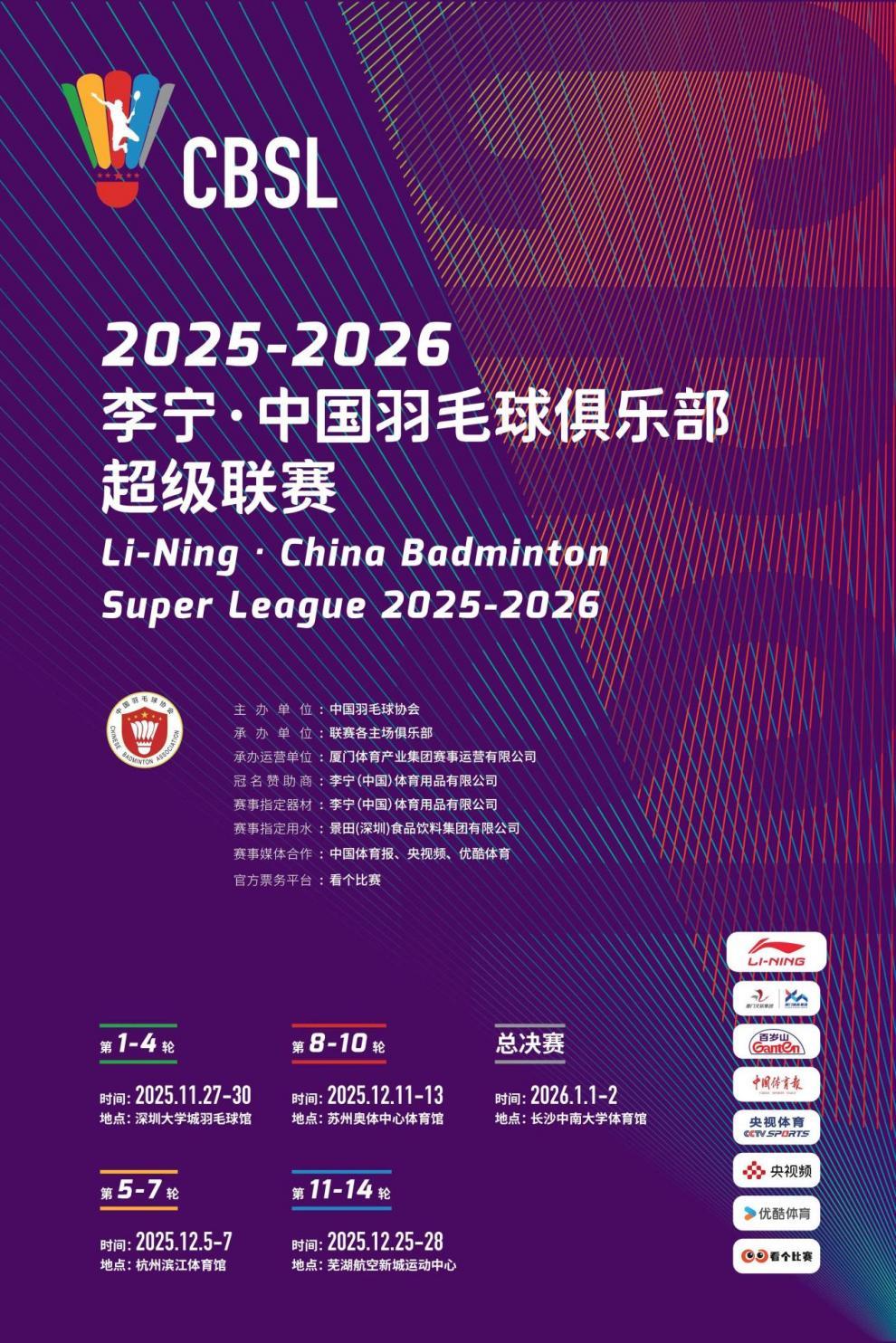
Group 1 - The 15th National Games in the Guangdong-Hong Kong-Macao Greater Bay Area has generated significant public interest, leading to a heightened enthusiasm for sports events in China [1] - The upcoming 2025-2026 China Badminton Club Super League (羽超联赛) will commence on November 27 in Shenzhen, following the National Games [1] - The new season of the 羽超联赛 is set to benefit from the growing popularity of badminton, with a renewed focus on commercialization and operations, including the return of a title sponsor after ten years [1][2] Group 2 - Badminton participation in China has surged to 250 million people as of 2023, with a notable increase in younger participants, indicating a shift towards a more youthful and urban demographic [2][6] - The consumer market reflects this trend, with significant increases in searches for badminton equipment, such as rackets (63%), shoes (64%), and apparel (86%) from January to May 2025 [2] - Li Ning has reported that badminton now accounts for 7% of its overall revenue, highlighting the brand's commitment to this sport [2] Group 3 - The national badminton team's success in international competitions, including recent victories at the Paris World Championships, has further fueled public interest and participation in the sport [6] - The 羽超联赛 is poised for unprecedented growth, with its market potential being reevaluated in light of the sport's popularity and the success of other racquet sports [6][11] Group 4 - The new season of the 羽超联赛 will feature 8 clubs and 133 athletes, including numerous top domestic and international players, enhancing the league's competitiveness and appeal [7][8] - The inclusion of foreign players from countries like South Korea, Denmark, Malaysia, and Japan will add an international dimension to the league [8] Group 5 - Xiamen Sports Group, the new operator of the 羽超联赛, aims to leverage its experience from hosting international events to enhance the league's commercial viability and market reach [11][14] - The introduction of official merchandise, including unique items like pet-themed products, is expected to engage a broader audience and stimulate consumer interest [11][14] Group 6 - The 羽超联赛 represents a strategic shift for Xiamen Sports Group from local to national operations, marking a significant step in its development within the sports industry [14][19] - The group is focused on building a sponsorship system, optimizing ticketing management, and developing merchandise to enhance the league's overall operational efficiency [19]
全运火种点燃全民健身热情
Jing Ji Ri Bao· 2025-11-09 01:30
Core Insights - The 15th National Games will be held from November 9 to 21, showcasing a blend of sports passion and the charm of the Greater Bay Area [1] - The National Games serve as a significant platform for promoting national fitness, stimulating sports consumption, and supporting national development strategies [1][2] - The event has evolved through reforms and innovations, enhancing public participation and integrating grassroots sports with elite competitions [1][2] Sports Development - The inclusion of new Olympic sports like rock climbing, skateboarding, and breaking dance reflects the dynamic adjustment of competition events to align with current sports trends [1] - The reform of competition systems, such as joint teams and cross-regional collaboration, is breaking down geographical barriers and optimizing resource allocation for athlete development [2] Public Engagement and Infrastructure - The National Games have spurred a nationwide sports enthusiasm, leading to the construction of nearly 2,000 sports parks and over 20,000 kilometers of fitness trails since the 14th Five-Year Plan [2] - Post-event, sports venues will be opened to the public, enhancing community fitness initiatives and addressing the challenge of accessible fitness locations [2] Economic Impact - The preparation and hosting of the National Games are driving growth in various sectors, including venue construction, equipment manufacturing, hospitality, transportation, and advertising, creating numerous job opportunities [3] - The event attracts social capital investment in the sports industry, fostering the growth of various sectors such as competitive performance, fitness leisure, venue services, and sports training [3] - The sports industry in China has seen rapid growth over the past five years, with its contribution to GDP steadily increasing, highlighting the National Games' significant role in this development [3]