光伏行业反内卷

Search documents
重回1元/W时代?2026年光伏组件价格有三重强支撑
3 6 Ke· 2026-01-23 02:19
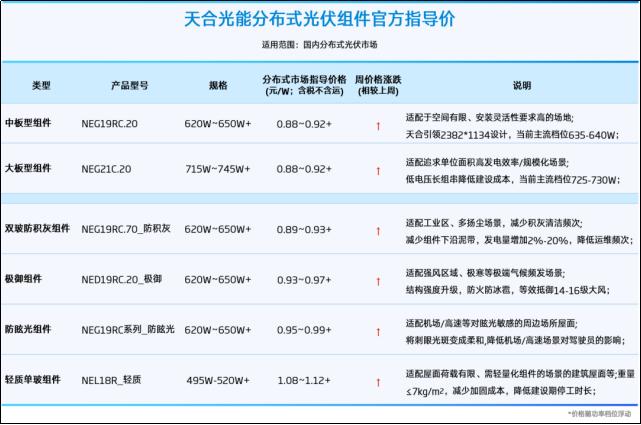
Core Viewpoint - The steady increase in photovoltaic module prices indicates a positive market trend, with major companies like Trina Solar raising their prices multiple times in January 2023, signaling strong demand and a potential return to the 1 yuan/W price point for modules [1][3]. Price Adjustments - Trina Solar has raised its distributed photovoltaic module market guidance price for the third time in January, with prices now ranging from 0.88 to 1.12 yuan/W depending on the module type [1][2]. - The average price of bifacial double-glass TOPCon modules reached approximately 0.7 yuan/W, reflecting a 0.3% increase from the previous week and a 1% increase from a month ago [3]. Demand Side - The photovoltaic industry has seen explosive growth since 2020, with China's new installed capacity expected to reach 277.17 GW in 2024, a significant increase from 48.2 GW in 2020 [4]. - Despite a generally pessimistic outlook for 2026, emerging markets like India are projected to see substantial growth, with an expected 25% increase in new installations [7][8]. Supply Side - The "anti-involution" policy is expected to continue, aiming to eliminate low-price competition and improve market conditions [10][12]. - Market-driven elimination of excess capacity is anticipated to accelerate in 2026, as many companies face financial difficulties and may exit the market [13][14]. Cost Factors - Rising silver prices, which have increased over 33% since the beginning of the year, are a significant factor driving up the costs of photovoltaic modules [15][17]. - The cancellation of export tax rebates is expected to increase cost pressures on exporting companies, further supporting price increases [18]. Overall Market Outlook - The combination of demand, supply, and cost factors is likely to keep module prices strong, with a potential return to the 1 yuan/W price point, indicating a recovery in the photovoltaic industry [19].



2026年首笔光伏整合并购案:TCL中环或入主一道新能
2 1 Shi Ji Jing Ji Bao Dao· 2026-01-19 23:05
Core Viewpoint - TCL Zhonghuan announced a significant equity acquisition of Yida New Energy Technology Co., Ltd. to enhance its integration strategy and competitive edge in the photovoltaic industry [2][4] Group 1: Investment Details - TCL Zhonghuan plans to invest in Yida New Energy through share transfer, voting rights delegation, and capital increase, with specific terms to be agreed upon later [2] - The investment aims to optimize the production capacity of photovoltaic battery components and diversify product and customer structures [2][6] Group 2: Yida New Energy's Capacity - Yida New Energy has established a production capacity of 30GW for high-efficiency batteries and components, projected to increase to 40GW by the end of 2025 [3] - In contrast, TCL Zhonghuan's production capacity for components is only 24GW as of mid-2025, indicating a significant gap [3] Group 3: Market Context - The investment is seen as a market-driven response to the current downturn in the photovoltaic industry, with industry leaders advocating for mergers and acquisitions as a means to reduce excess capacity [4] - Previous attempts at similar investments, such as Tongwei's planned acquisition of Runyang, highlight the challenges in the current market environment [4][5] Group 4: Shareholding Structure - Yida New Energy's major shareholders include Qizhou Zhida Enterprise Management Partnership and founder Liu Yong, holding approximately 30% of the company [5] - The investment framework is currently a non-binding agreement, with TCL Zhonghuan's potential to gain control of Yida New Energy depending on the final terms [5][6] Group 5: Financial Outlook - TCL Zhonghuan anticipates a loss of between 8.2 billion to 9.6 billion yuan for the fiscal year 2025, although this represents an improvement from 2024 [6] - The investment is expected to enhance both companies' technological capabilities and support advancements in new technologies like BC batteries [6][7]
两大光伏龙头去年预亏超150亿,“亏损王”开盘大跌
Di Yi Cai Jing Zi Xun· 2026-01-19 02:48
Core Viewpoint - Two major photovoltaic companies, Tongwei Co., Ltd. and Longi Green Energy, are expected to report significant net losses for the year 2025, with Tongwei projected to lose between 9 billion to 10 billion yuan and Longi between 6 billion to 6.5 billion yuan, totaling a maximum of 16.5 billion yuan in losses for both companies [2][3]. Company Performance - Tongwei Co., Ltd. anticipates a net loss due to a combination of factors including a slowdown in new installations, an industry-wide supply surplus, and rising costs of core raw materials [3][4]. - Longi Green Energy cites ongoing supply-demand mismatches, low operating rates, and increased costs of silver paste and silicon materials as key reasons for its expected losses [2][3]. - TCL Zhonghuan also reported a projected loss of 8.2 billion to 9.6 billion yuan, attributing it to insufficient market demand and price declines [3]. Industry Trends - The photovoltaic industry is experiencing a prolonged period of losses, with many leading companies reporting negative earnings for nine consecutive quarters [4]. - The average market transaction price for photovoltaic modules is expected to remain low, around 0.6 yuan per watt by mid-2025, due to intense competition and insufficient end-user demand [2]. - The industry is witnessing a significant decline in production volumes, with polysilicon output down by 29.6% and silicon wafer production down by 6.7% year-on-year [5]. Financial Implications - Tongwei Co., Ltd. has reported asset impairment provisions of approximately 1.5 billion to 2 billion yuan, primarily due to technological changes and market demand fluctuations [3][4]. - Companies like Yijing Photovoltaic have warned that their net assets may turn negative, which could lead to delisting risks if confirmed [4].



350亿龙头官宣重磅收购,看上曾与宁德时代传绯闻的光伏黑马
21世纪经济报道· 2026-01-18 06:39
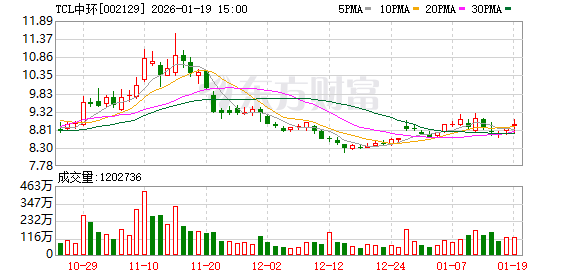
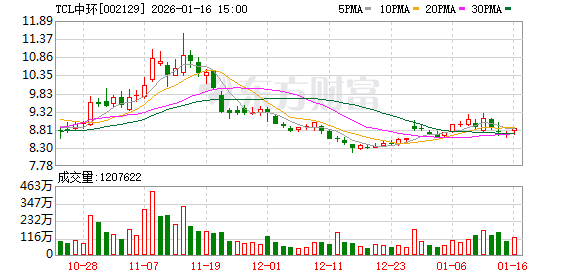
Core Viewpoint - TCL Zhonghuan announced a significant equity acquisition of Yida New Energy Technology Co., aiming to enhance its integration strategy and optimize its photovoltaic cell and module production capacity [1][4]. Group 1: Investment Details - TCL Zhonghuan plans to invest in Yida New Energy through share transfer, voting rights delegation, and capital increase, with specific terms to be determined later [4]. - The investment is seen as a strategic move to align with TCL Zhonghuan's long-term goals and improve its competitive edge in the photovoltaic market [4][7]. - Yida New Energy has established a production capacity of 30GW for high-efficiency batteries and modules in 2023, projected to increase to 40GW by the end of 2025, surpassing TCL Zhonghuan's current capacity of 24GW [4][5]. Group 2: Market Context - The investment is viewed as a market-driven response to the current challenges in the photovoltaic industry, where consolidation and restructuring are seen as necessary for reducing excess capacity [5][6]. - The move follows a trend in the industry, with other companies like Tongwei Co. also engaging in similar market consolidation efforts [5][6]. - Local governments are supporting industry consolidation, as seen in Yunnan Province's action plan to enhance the photovoltaic supply chain [6]. Group 3: Future Implications - The investment could significantly bolster TCL Zhonghuan's capabilities in new technologies, such as BC batteries, enhancing its position in the global photovoltaic sector [7]. - The transaction's specifics, including the price, remain uncertain, and TCL Zhonghuan has indicated potential risks associated with the deal [7]. - As of January 16, TCL Zhonghuan's stock price was 8.84 CNY per share, with a market capitalization of 35.7 billion CNY [8].

从“行业自律”到政策倒逼,大全新能源(DQ.US)的过山车股价何时止跌反弹?
智通财经网· 2026-01-17 10:57
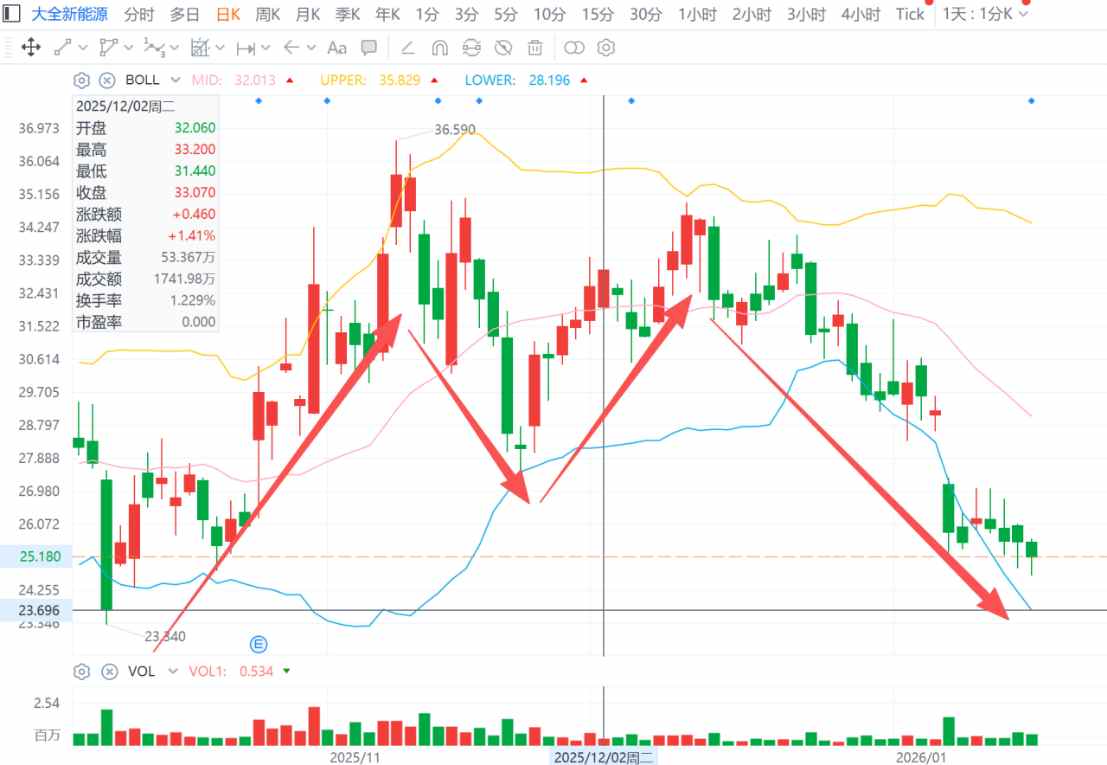
Group 1 - The stock price of Daqo New Energy (DQ.US) has experienced a significant decline of 30%, dropping from a peak of $36.59 to $25.59 over the past three months, reflecting market sentiment regarding the "photovoltaic industry storage" initiative [1] - The company's stock price surged by 153.97% over six months, driven by expectations of a "storage joint venture" aimed at eliminating approximately 1 million tons of outdated capacity in the photovoltaic sector [1] - The recent regulatory decision to halt "self-discipline" operations in the photovoltaic industry and the cancellation of export VAT rebates from April 1, 2025, have contributed to the recent stock price decline [2] Group 2 - Following the release of Daqo's Q3 financial results, the stock exhibited a "M-shaped" volatility pattern, indicating fluctuating market sentiment influenced by various news [2][4] - Daqo's Q3 financial performance showed a positive operating cash flow of 55.52 million yuan, marking the first positive cash flow since Q4 2023, suggesting initial success in addressing industry "internal competition" [4] - Despite a brief stock price increase after the Q3 report, trading volume was significantly lower than previous levels, indicating a cautious market sentiment among investors [4][6] Group 3 - The stock price has been on a downward trend, with market sentiment continuing to deteriorate, as evidenced by low trading volumes and a lack of buying interest [6][7] - On January 8, the stock dropped by 11.41% due to rumors of regulatory scrutiny regarding potential monopolistic practices in the photovoltaic industry [7] - Following the announcement of the 2025 earnings forecast, which indicated a net loss of 1 to 1.3 billion yuan, the stock price showed initial volatility but stabilized towards the end of the trading day [8]

TCL中环或入主一道新能,后者IPO折戟、曾与“宁王”传绯闻
2 1 Shi Ji Jing Ji Bao Dao· 2026-01-17 10:55
Group 1 - TCL Zhonghuan announced an investment in Yida New Energy Technology Co., Ltd. to enhance its integration strategy and optimize its solar cell and module production capacity [3][5] - Yida New Energy has established a production capacity of 30GW for high-efficiency batteries and modules in 2023, with plans to increase to 40GW by the end of 2025, surpassing TCL Zhonghuan's current capacity of 24GW [4] - The investment is seen as a market-driven response to the current challenges in the solar industry, with TCL Zhonghuan aiming to strengthen its competitive position amid a trend of market consolidation [5][6] Group 2 - The investment involves acquiring shares and possibly controlling interest in Yida New Energy, with major shareholders expected to transfer their stakes [6] - Prior to this investment, Yida New Energy had sought to go public but its IPO was terminated in August 2024, leading to speculation about potential acquisition by other companies [7] - TCL Zhonghuan anticipates that this investment will enhance its technological capabilities and support its BC battery business, which is crucial for maintaining a leading position in the global solar industry [8]
光伏行业"反内卷"行动如何深化 瑞银: 2026年产业链盈利或全面修复
Di Yi Cai Jing· 2026-01-16 05:06
Core Viewpoint - The profitability improvement in the photovoltaic industry is expected to become fully apparent by 2026, with leading companies potentially returning to breakeven [1] Group 1: Industry Outlook - The "anti-involution" initiative is deepening, which is influencing the photovoltaic industry's future profitability [1] - Policy and demand are anticipated to be the core investment logic for the photovoltaic industry moving forward [1]
出口退税全面取消 光伏行业转向市场驱动
Bei Jing Shang Bao· 2026-01-11 22:53
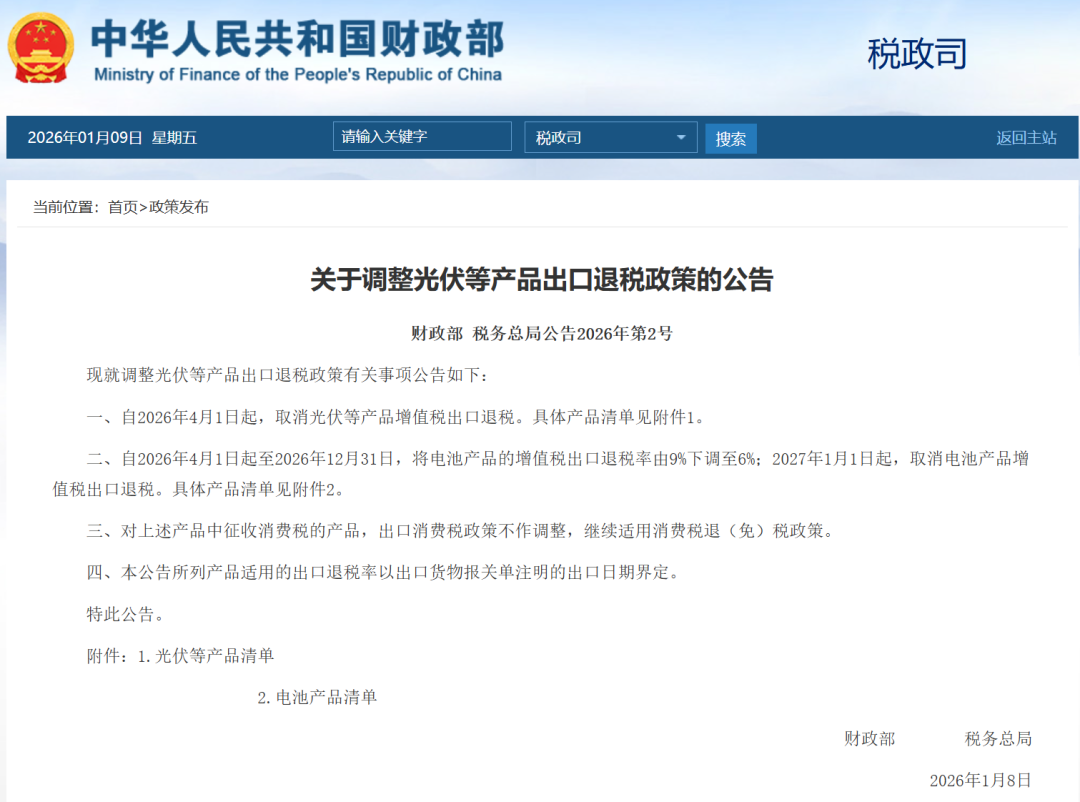
Core Viewpoint - The cancellation of the export VAT rebate for photovoltaic products marks the end of the "rebate subsidy era" for the industry, leading to significant impacts on component manufacturers and a potential surge in exports before the policy takes effect [3][4][6]. Group 1: Policy Changes - The Ministry of Finance and the State Taxation Administration announced the cancellation of the export VAT rebate for photovoltaic products effective April 1, 2024, with a gradual reduction for battery products starting in 2026 [3][4]. - The announcement includes a list of 249 photovoltaic products and 22 battery products affected by the policy change [3]. - The China Photovoltaic Industry Association stated that the adjustment aims to promote rational pricing in foreign markets and curb the rapid decline in export prices [3][4]. Group 2: Industry Impact - The cancellation of the export VAT rebate is expected to significantly affect component manufacturers, leading to a "rush to export" before the policy takes effect [4][6]. - Major manufacturers like JinkoSolar, Trina Solar, JA Solar, and Longi Green Energy reported substantial losses in the first three quarters of 2025, with revenues of approximately 479.86 billion, 499.7 billion, 368.09 billion, and 509.15 billion respectively [5]. - JinkoSolar had the highest share of overseas revenue, exceeding 60%, while Longi Green Energy had the lowest at around 37.81% [5]. Group 3: Market Dynamics - The industry is experiencing fierce competition, with export prices declining and a trend of "increased volume but decreased price" [4][6]. - The cancellation of the rebate is seen as a shift from a "policy-driven" to a "market-driven" approach, pushing companies to focus on value rather than price competition [8][9]. - Companies may need to upgrade technology and reduce production costs to maintain competitiveness, potentially leading to a shift of production capacity to regions with favorable tax conditions [8][9].
4月1日起执行!光伏出口退税全面取消,行业影响几何
Bei Jing Shang Bao· 2026-01-11 13:01
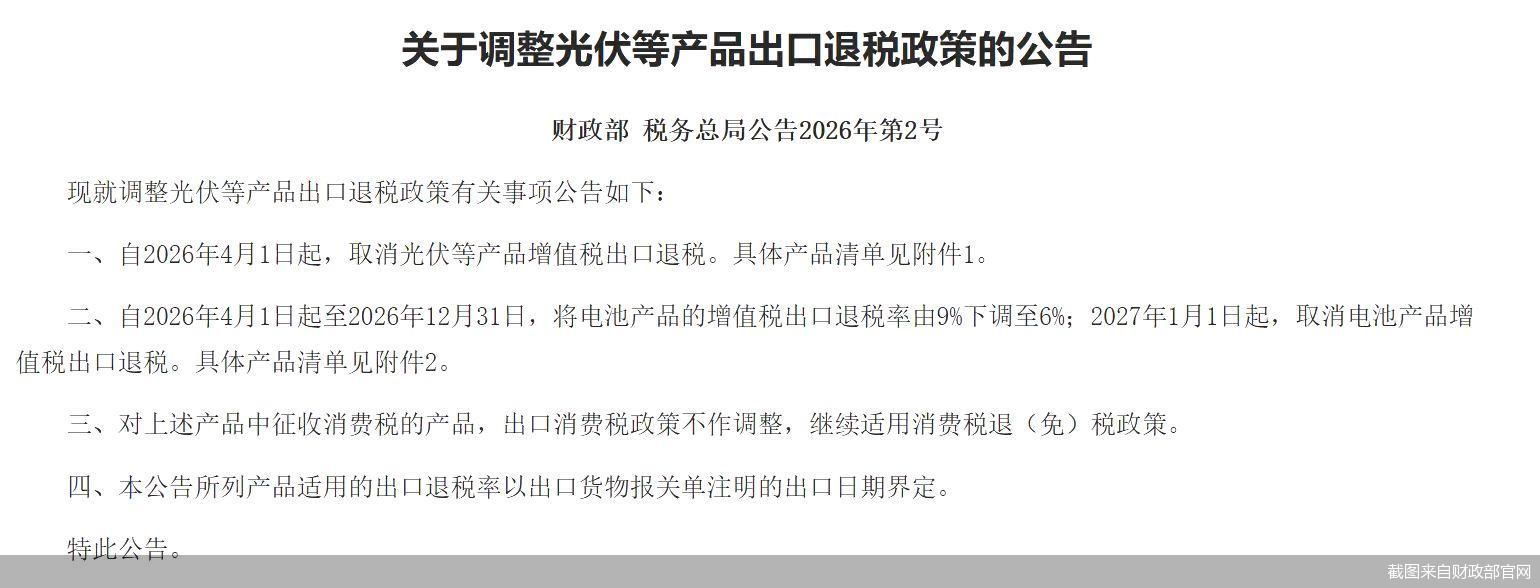
Core Viewpoint - The cancellation of the export VAT rebate for photovoltaic products marks the end of the "rebate subsidy era," significantly impacting component manufacturers and potentially leading to a surge in exports before the policy takes effect [1][3][5]. Policy Changes - The Ministry of Finance and the State Taxation Administration announced the cancellation of the export VAT rebate for photovoltaic products effective April 1, 2026, with a reduction in the rebate rate for battery products from 9% to 6% until the end of 2026 [3][4]. - The announcement includes a list of 249 products related to photovoltaic and 22 battery products affected by the policy change [4]. Industry Impact - The cancellation of the export VAT rebate is expected to have a significant impact on component manufacturers, with predictions of a "rush to export" before the policy takes effect [5][6]. - Major manufacturers such as JinkoSolar, Trina Solar, JA Solar, and LONGi Green Energy reported substantial losses in the first three quarters of 2025, with JinkoSolar's overseas revenue exceeding 60% of its total revenue [5][6]. Market Dynamics - The Chinese Photovoltaic Industry Association indicated that the adjustment of export VAT rebates could help stabilize overseas market prices, which have been declining due to fierce competition [4][10]. - The industry is experiencing a shift from "price competition" to "value competition," as companies will need to focus on technological upgrades and high-value segments to maintain competitiveness [10][11]. Regulatory Environment - Recent meetings involving the China Photovoltaic Industry Association and leading polysilicon companies addressed concerns about monopolistic practices and market regulation, indicating a tightening regulatory environment [8][9]. - The cancellation of export rebates and potential changes in the polysilicon storage plan are seen as part of a broader effort to combat "internal competition" within the industry [10].
4月1日起,取消光伏等产品增值税出口退税
Zhong Guo Ji Jin Bao· 2026-01-09 11:13
Core Viewpoint - The Ministry of Finance announced adjustments to the export tax rebate policy for photovoltaic (PV) products, reducing the rebate rate from 13% to 9%, effective December 1, 2024, as part of efforts to address "involution" in the industry and promote healthy development [3][5]. Group 1: Policy Changes - The export tax rebate rate for certain products, including PV and battery products, will be reduced from 13% to 9% starting December 1, 2024 [3]. - From April 1, 2026, the export tax rebate for PV products will be completely eliminated, while the rebate for battery products will be reduced to 6% until the end of 2026, after which it will also be eliminated [5]. Group 2: Industry Context - Discussions about the cancellation of export tax rebates for PV products have been ongoing, with industry experts suggesting that this move could help eliminate outdated production capacity and break the cycle of low pricing [3]. - The State Administration for Market Regulation has highlighted issues of low-quality competition and repetitive construction in the PV industry, which have led to profitability challenges and hindered investment in technological innovation [4]. Group 3: Regulatory Actions - The State Administration for Market Regulation will enhance product quality supervision and enforce laws against unfair competition to maintain fair market order and promote sustainable development in the PV industry [4].