全球央行政策分化

Search documents
2026年全球央行大分化:欧元区或转向加息,美联储成少数降息派?
Hua Er Jie Jian Wen· 2025-12-09 13:59
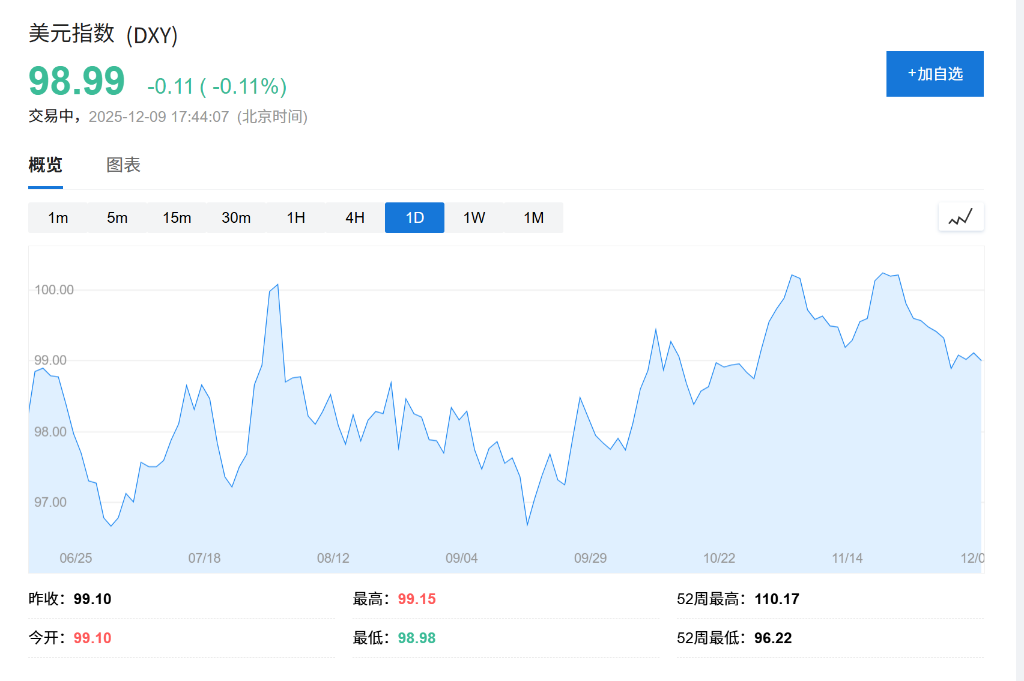
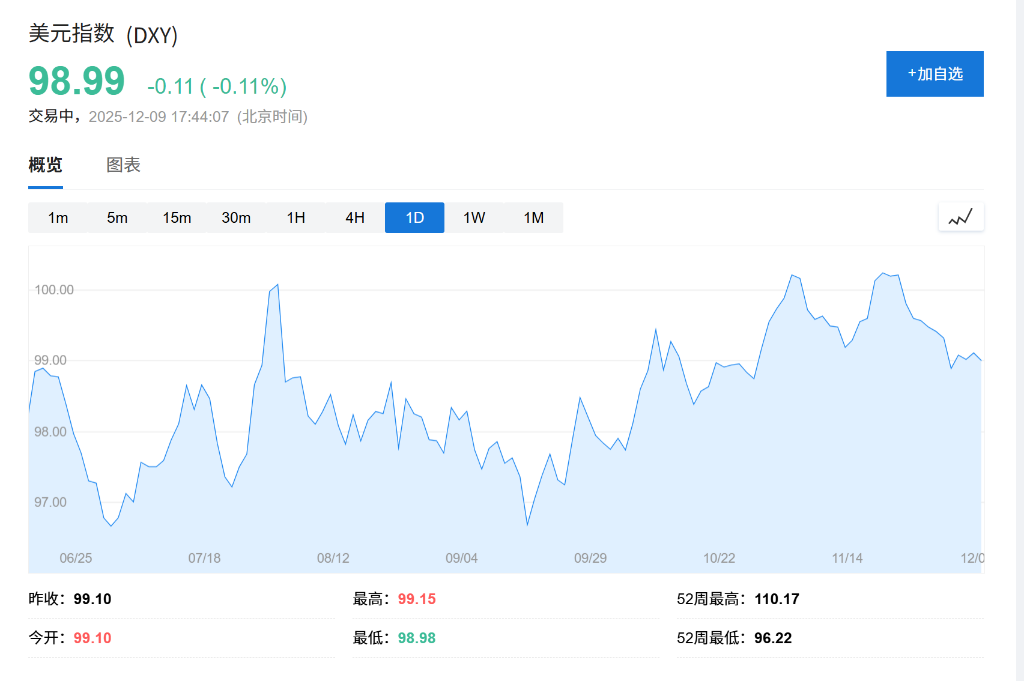
Core Viewpoint - Global central bank policies are experiencing rare divergence, with investors betting on potential interest rate hikes in the Eurozone as early as next year, while the U.S. continues to lower rates, which may further weaken the already soft dollar [1][4]. Group 1: Central Bank Policy Divergence - The swap market pricing indicates that the likelihood of the European Central Bank raising rates by 2026 has surpassed that of a rate cut [1]. - The Federal Reserve is widely expected to lower rates at its upcoming meeting and is anticipated to cut rates at least two more times next year [1][7]. - Other major economies, such as Australia and Canada, are also expected to raise rates next year, while the Bank of England is projected to reach a low point by summer [1]. Group 2: Economic Data Supporting Policy Divergence - Strong economic data from Europe and commodity currency countries contrasts sharply with the dovish path of the Federal Reserve [7]. - In Canada, robust employment data for November has led traders to price in a slight possibility of a rate hike by the Bank of Canada early next year [7]. - In Australia, strong household spending data has made the possibility of a rate hike by the Reserve Bank of Australia in February more plausible, albeit still small [7]. - Japan's central bank is also expected to raise rates at least twice by 2026, following hints from its governor [7]. - The Bank of England is expected to lower rates next week but is only fully pricing in one more 25 basis point cut thereafter [7]. Group 3: Dollar Valuation Challenges - Interest rate differentials are key drivers of exchange rate movements, with lower rates typically reducing the attractiveness of holding that currency [8]. - The gap in interest rates between the Eurozone and other major economies compared to the U.S. is narrowing, which could lead to a moderate weakening of the dollar by 2026 if the Fed maintains a dovish stance [8]. - The dollar has already declined over 8% against a basket of currencies this year, and a continued dovish policy by the Fed could exacerbate this trend [8].

2026年全球央行大分化:欧元区与澳加或转向加息,美联储成少数降息派?
Hua Er Jie Jian Wen· 2025-12-09 10:04
Group 1 - Global central bank policies are experiencing rare divergence, with investors betting on potential interest rate hikes in the Eurozone as early as next year, while the US is expected to continue lowering rates [1][4] - The swap market indicates that the likelihood of the European Central Bank raising rates by 2026 has surpassed the possibility of cuts, contrasting with the Federal Reserve's anticipated rate cuts [1][4] - The divergence in policies may exacerbate the decline of the US dollar, which has already fallen over 8% against a basket of currencies this year [1][7] Group 2 - Economic data supports the hawkish shift in Europe and commodity currency countries, while the Federal Reserve's dovish path appears set, with expectations of rate cuts in the upcoming meetings [7] - Analysts note that the narrowing interest rate gap between the US and other major economies could lead to a revaluation of the dollar, particularly if the Fed maintains a dovish stance [7] - Strong economic data in regions like the Eurozone reduces the incentive for non-US central banks to cut rates further, potentially leading to a challenging year for the dollar if the Fed continues its rate cuts alone [7] Group 3 - In Canada, strong employment data has led traders to price in a slight possibility of a rate hike by the Bank of Canada early next year [9] - In Australia, robust household spending data has made the possibility of a rate hike by the Reserve Bank of Australia in February more plausible, though still considered low [9] - The Bank of Japan is also expected to raise rates at least twice by 2026, while the Bank of England is anticipated to lower rates but only slightly in the near term [9]
美联储降息光速"变脸"!降息利好为何成了利空?全球央行各走各
Sou Hu Cai Jing· 2025-09-20 15:25
Group 1 - The Federal Reserve's decision to cut interest rates by 25 basis points has led to unexpected market reactions, with the dollar index rising and gold prices falling, indicating a shift from "trading expectations" to "verifying facts" in asset pricing [1][3][10] - The Federal Open Market Committee (FOMC) signaled a less dovish stance, suggesting only one additional rate cut next year instead of the previously expected two to three, which has influenced market dynamics [3][19] - The yield curve has steepened, reflecting market concerns about "stagflation" risks, as short-term rates have decreased while long-term rates remain stable [5][19] Group 2 - The U.S. stock market exhibited divergent trends post-rate cut, with the Dow Jones Industrial Average rising while the Nasdaq and S&P 500 indices fell, highlighting a significant shift in capital flows [7][8] - Technology stocks faced selling pressure, particularly Nvidia, which dropped over 2.6% due to concerns about demand for its chips, while Chinese tech firms like Alibaba and Baidu saw substantial gains driven by their self-developed chips [8][13] - The Chinese concept stocks outperformed, with the Nasdaq Golden Dragon China Index rising 2.85%, led by Alibaba and Baidu, as investors focused on the narrative of self-research capabilities amid challenges faced by U.S. chip giants [13][15] Group 3 - Global central banks are responding differently to the Fed's rate cut, with Canada following suit while the European Central Bank and others maintain their rates, indicating a divergence in monetary policy based on regional economic challenges [5][17] - The Fed's chairman's remarks about a "slower, longer" rate-cutting path reflect a complex economic outlook, balancing employment support against inflation risks, which is influencing capital flows [19][21] - The current market environment necessitates a shift from sentiment-driven to performance-driven investment strategies, emphasizing the importance of understanding the underlying logic of different markets [21][23]


全球的央行彻底分裂了
Sou Hu Cai Jing· 2025-09-20 13:15
Group 1 - The global market is experiencing a historic policy divergence among central banks, marking the end of synchronized actions and entering a fragmented phase where each country addresses its own challenges [2][44][45] - Japan's central bank has signaled a shift towards tightening by planning to sell approximately 3.3 trillion yen in ETFs and 5 billion yen in REITs annually, although the timing will depend on market conditions [6][7][16] - The U.S. Federal Reserve's recent interest rate cut is viewed as a reactive measure to economic slowdown rather than a proactive strategy, indicating a shift from being a market guide to a responder to economic data [28][30][32] Group 2 - The divergence in monetary policy reflects deep historical and theoretical differences, with the U.S. focusing on growth concerns, the UK and Eurozone grappling with inflation and stagnation, and Japan balancing currency value and debt sustainability [48][49] - This policy fragmentation is expected to lead to increased volatility in global capital flows and exchange rates, challenging traditional investment strategies based on synchronized central bank actions [51][53] - China's position in this environment is complex, as it faces structural challenges of weak demand and low prices, necessitating a careful approach to monetary policy to stimulate internal demand without exacerbating deflationary pressures [62][64] Group 3 - The current global monetary policy landscape presents both challenges and opportunities for China, as the divergence may reduce depreciation pressure on the yuan and attract international capital into Chinese bonds [60][65] - Japan's potential currency strength could benefit Chinese manufacturers by enhancing their competitive edge in global markets [65][66] - China's stable and independent monetary policy could become a valuable asset in the current fragmented global environment, enhancing investor confidence in its financial markets [66]