
全球经济碎片化

Search documents
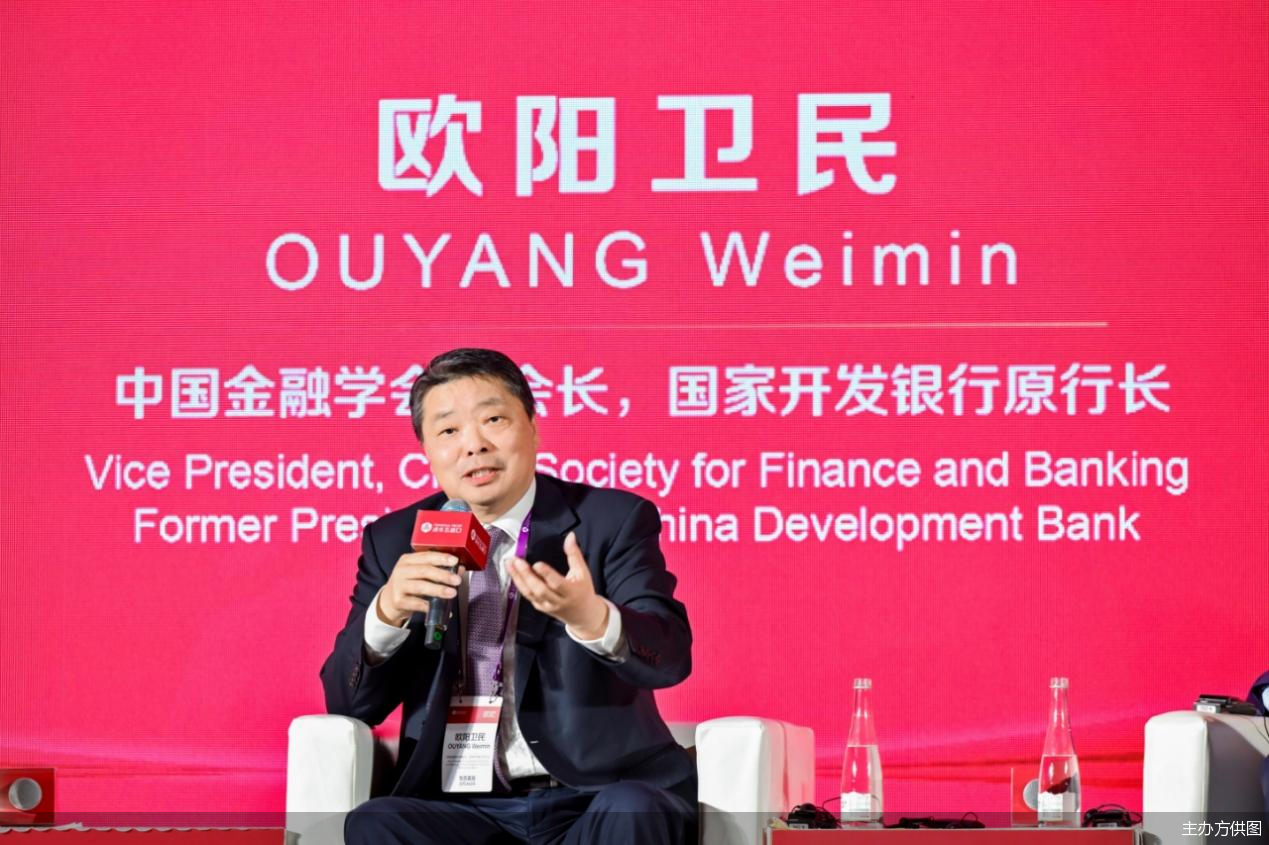
2025五道口金融论坛|欧阳卫民:贸易保护主义、民粹主义首先源于认知偏差
Bei Jing Shang Bao· 2025-05-17 22:59
Group 1 - The concept of fragmentation is defined as the phenomenon where global trade, investment, and technology exchanges become increasingly divided into relatively independent economic groups and regions due to cognitive biases, geopolitical factors, populism, and trade protectionism [2] - Trade protectionism and populism stem from cognitive biases, such as the belief that trade surpluses are exploitative and that tariffs primarily burden exporting countries rather than importing ones [2] - The recent agreement between the US and China to suspend most mutual tariffs highlights the importance of cooperation in the face of fragmentation [2] Group 2 - Constructive global cooperation is essential in addressing common challenges such as economic recession, climate change, and technological transformation [3] - There is a need to correct cognitive biases and emphasize the importance of economic trade balance and the relationship between trade deficits and the status of sovereign currencies as world currencies [3] - Encouraging technological innovation and cooperation, strengthening international capital ties, and improving policy coordination and transparency are crucial steps to counter fragmentation [3] Group 3 - The approach to dealing with conflicts should involve a firm commitment to beliefs, principles, and actions, emphasizing that globalization is an unstoppable trend [4] - The notion of "everyone's well-being is the true well-being" should guide efforts to address the issues of fragmentation [4]

倒计时1天丨2025清华五道口全球金融论坛将于明日盛大开幕!
清华金融评论· 2025-05-16 10:27
Core Viewpoint - The 2025 Tsinghua PBCSF Global Finance Forum will be held in Shenzhen on May 17-18, 2025, focusing on the theme "A Shared Future: Building an Open and Inclusive Economic and Financial System" to create a high-level dialogue platform for global government officials, economists, and financial leaders to gather wisdom and seek new cooperation opportunities [17]. Agenda Summary - The forum will feature keynote speeches and multiple thematic discussions, including: - Keynote speeches on the first day [6][10] - Discussions on the future of the global monetary system, international trade and investment, challenges of global economic fragmentation, and the development of the Guangdong-Hong Kong-Macao Greater Bay Area [6][11] - Sessions on green finance, emerging market debt crises, and global financial stability presented by the IMF [6][12] - The second day will include discussions on China's economic outlook, technological innovation in finance, digital finance in the AI era, and sustainable investing [12][14] - Closed-door sessions focusing on financial security, aging population challenges, inclusive finance, and cross-border payment trends [7][14]

倒计时2天丨大咖云集!2025清华五道口全球金融论坛即将召开
清华金融评论· 2025-05-15 10:21
Core Viewpoint - The 2025 Tsinghua Wudaokou Global Financial Forum will be held in Shenzhen from May 17 to 18, focusing on building an open and inclusive economic and financial system, aiming to create a high-level dialogue platform for global government officials, economists, and financial leaders [88]. Group 1: Event Details - The forum will feature over 20 high-level political and economic leaders from both China and abroad, with nearly 100 international heavyweight guests in attendance [3]. - The opening ceremony will take place on May 17 from 9:00 to 11:10 [6]. - Various thematic discussions will be held, including topics such as the challenges of global economic fragmentation and opportunities and challenges in green development [17][26]. Group 2: Thematic Discussions - The first thematic discussion will focus on "Global Economic Fragmentation Challenges," scheduled for May 17 from 15:30 to 16:45 [17]. - Another discussion will address "Opportunities and Challenges in Green Development," occurring on May 17 from 14:00 to 15:15, with a rebroadcast on May 19 [26]. - A session on "Financial Assistance for Cultural and Tourism Industries to Become Pillar Industries" will be held on May 18 from 14:00 to 15:15, with a rebroadcast on May 19 [76].
金砖国家外长对全球经济可能碎片化以及多边主义被削弱的前景表示严重关切。
news flash· 2025-04-29 17:58
Group 1 - The foreign ministers of BRICS countries express serious concerns about the potential fragmentation of the global economy and the weakening of multilateralism [1]
独家专访IMF亚太部副主任Thomas Helbling:IMF呼吁各国着力处理自身事务 抓住窗口期推进结构性改革
2 1 Shi Ji Jing Ji Bao Dao· 2025-04-29 10:49
Core Insights - The International Monetary Fund (IMF) has downgraded global economic growth forecasts, particularly for the Asia-Pacific region, amid rising trade tensions and increased policy uncertainty [1][2] - The IMF predicts a growth rate of 3.9% for the Asia-Pacific region in 2025, down from 4.6% in 2024, indicating a significant downward revision of 0.5 percentage points [2][3] - Structural reforms are essential for enhancing resilience against economic shocks, focusing on social security, labor markets, aging population, and digital transformation [2][4] Economic Outlook - The IMF has adjusted its GDP growth expectations for the Asia-Pacific region due to the impact of new U.S. tariffs and ongoing trade tensions, highlighting significant downside risks [2][3] - The uncertainty surrounding future trade policies is expected to disrupt supply chains and investment decisions, leading to further growth below current forecasts [2][3] Structural Reforms - The IMF emphasizes the need for decisive structural reforms in the Asia-Pacific region to improve resilience and internal demand, particularly in social security and productivity enhancement [4][6] - Countries are encouraged to seize the current window of opportunity to implement reforms that address long-term challenges, including demographic changes and digitalization [4][5] Financial Environment - The tightening of financial conditions due to the U.S. Federal Reserve's policies may have varying impacts on different countries, depending on their financial systems and monetary policy frameworks [5][6] - Many Asian countries currently have room for monetary easing due to inflation levels returning to target ranges, allowing them to respond to trade shocks effectively [5][6] Regional Integration - The IMF advocates for increased regional integration in the Asia-Pacific, particularly in service trade, to reduce barriers and promote free movement within the region [6] - Countries are advised to manage fiscal deficits and rebuild fiscal buffers to enhance their capacity to respond to future economic shocks [6]