
全球能源格局

Search documents
莫迪弃俄油,特朗普“极限施压”能否撼动亚洲利益链?
Sou Hu Cai Jing· 2025-08-04 11:03
Group 1 - The International Energy Agency (IEA) reported a 36% drop in Russian crude oil exports to India in the first half of 2025, marking the largest decline in two years [1] - Indian state-owned refiners have collectively suspended new purchases of Russian crude oil, coinciding with the U.S. imposing a 25% tariff on all Indian goods starting August 1 [1][3] - The geopolitical landscape is shifting rapidly, with India pivoting away from Russian oil, the U.S. exerting pressure, and Europe observing the developments closely [1] Group 2 - Indian Prime Minister Modi convened an emergency energy security meeting, directing state-owned refiners to halt new orders from Russia and expedite negotiations for alternative supplies from the Middle East and the U.S. [3] - The discount on Russian oil has significantly decreased from $14-16 per barrel to $2.5-4 per barrel, eroding the profit margins for Indian refiners [3][5] - The end of India's "arbitrage" business model, which involved buying cheap Russian oil and selling refined products to Europe, is under threat due to U.S. pressure and new European regulations [5] Group 3 - The U.S. has explicitly targeted India, threatening to impose a 100% tariff on all Indian goods if it continues to purchase Russian oil, leading to public outcry in India [5][11] - The IEA noted that India's imports of Russian crude oil surged by 111% from 2022 to 2024, with Russian oil accounting for 40% of India's total imports by 2024 [5] - The shift in India's energy sourcing is causing a ripple effect in Europe, where the supply chain for refined products is becoming strained again [7] Group 4 - Middle Eastern oil producers, particularly Saudi Arabia and the UAE, are poised to benefit from India's shift away from Russian oil, with Saudi Aramco increasing exports to India by 24% in July [9] - The geopolitical dynamics are complex, with U.S.-India relations under strain while Pakistan unexpectedly benefits from the situation, as discussions about U.S. involvement in Pakistani oil resources emerge [11] - The ongoing energy crisis is intertwined with trade wars and geopolitical maneuvering, indicating a significant transformation in global energy and trade relationships [13][14]

特朗普对印度20%友好协议,转身500%制裁俄国,美国陷入进退两难
Sou Hu Cai Jing· 2025-07-21 06:12
Core Viewpoint - The article discusses the contradictions in U.S. foreign policy, particularly regarding the proposed Graham Bill, which aims to impose a 500% tariff on goods from countries purchasing oil from Russia, while simultaneously trying to maintain diplomatic relations with India and China [2][5][11]. Group 1: U.S. Policy and Tariffs - The Graham Bill has garnered support from 82 senators, indicating a strong bipartisan sentiment against Russia, but the proposed 500% tariff is unprecedented and could severely impact trade relationships [5][11]. - The logic behind the 500% tariff is seen as politically motivated, aiming to punish any purchases of Russian oil, which could lead to significant economic repercussions for the U.S. itself [5][11][19]. Group 2: Energy Market Implications - The combined oil imports from China and India exceed 4 million barrels per day, highlighting the importance of these markets for Russia's energy exports [7]. - If the U.S. successfully pressures China and India to reduce their Russian oil purchases, it could lead to a spike in global oil prices, potentially exceeding $100 per barrel, which would adversely affect American consumers [17][19]. Group 3: Strategic Considerations - The U.S. aims to reshape the global energy market by weakening Russia's influence, thereby creating opportunities for American energy exports [9][11]. - The geopolitical strategy involves not only sanctions against Russia but also a broader ambition to gain a stronger foothold in global energy pricing, traditionally dominated by OPEC and Russia [11][19]. Group 4: Domestic Economic Risks - The potential rise in oil prices could reignite inflation, impacting the cost of living for American citizens, especially as the 2026 elections approach [19][21]. - There is a risk of accelerating the de-dollarization process, as countries may seek alternatives to the dollar for energy transactions, undermining U.S. financial dominance [21][23]. Group 5: Diplomatic Consequences - The timing of the Graham Bill contradicts recent agreements with India, risking the diplomatic relationship that has been carefully cultivated [13][15]. - The proposed tariffs could jeopardize the potential for improved U.S.-China relations, especially following recent constructive meetings between the two nations [15][19].
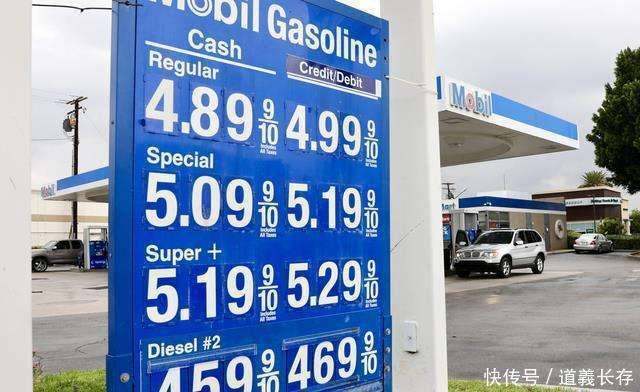
中国发现6万年能源宝藏,特朗普急红眼?全球能源格局要变天!
Sou Hu Cai Jing· 2025-07-17 07:58
Group 1 - China has discovered a significant thorium resource in the Baiyun Obo mine, with proven reserves of over one million tons, making it the world's largest thorium reserve, sufficient for 60,000 years of energy supply [1][3] - The thorium nuclear reactors are safer and more efficient than traditional uranium reactors, with the ability to generate electricity equivalent to 350 million tons of coal from one ton of thorium, while producing significantly less nuclear waste [3][5] - China is planning to build 12 thorium nuclear power plants in Gansu and Xinjiang, each capable of supplying electricity to three prefecture-level cities, enhancing energy security and reducing reliance on imported fossil fuels [5][7] Group 2 - The new thorium resource and technology combination positions China favorably in the global energy landscape, contrasting sharply with the U.S. reliance on Ukrainian mineral resources [1][7] - The economic benefits of thorium power generation are substantial, with each ton of thorium generating 23 times more revenue than selling the raw ore, potentially saving China 400 billion in foreign exchange by reducing coal imports [5][7] - China's strategic moves in forming a "carbon-free energy alliance" with Brazil and South Africa highlight its commitment to leveraging thorium resources and technology to reshape global energy dynamics [5][7]

印度“抢油”大战!中东油会被“买空”吗?
Sou Hu Cai Jing· 2025-07-01 03:31
Group 1 - India's plan to increase crude oil imports to 5.2 million barrels per day by 2025, an 8% increase from 2024, prioritizing Middle Eastern oil supply [1][3] - In 2024, India imported 3.8 million barrels per day from the Middle East, accounting for 73% of its total imports, which is expected to rise to 78% in 2025 [1][3] - India's crude oil consumption is projected to reach 5.1 million barrels per day in 2024, with domestic production at only 700,000 barrels per day, leading to a heavy reliance on imports [3][4] Group 2 - The Middle East is the largest crude oil export region, with a total export capacity of approximately 28 million barrels per day, and India is expected to secure a stable supply through long-term contracts [4][5] - Other major importers include China (11 million barrels per day), the US (8 million barrels per day), and Japan (3.5 million barrels per day), indicating that demand from these countries is not surging significantly [4][6] - India's procurement strategy includes long-term agreements with Middle Eastern countries and flexible purchasing through spot markets, ensuring cost-effective supply [4][5] Group 3 - The global energy landscape is shifting, with non-OPEC oil production surpassing OPEC for the first time in 2024, reducing the Middle East's pricing power [6][7] - India's ambition for energy independence by 2047 includes increasing renewable energy's share from 30% to 50%, while still relying on Middle Eastern oil in the short term [6][7] - The geopolitical dynamics involve the US imposing sanctions on Iran and Venezuela, allowing India to diversify its oil sources, including increased imports from Russia [6][7] Group 4 - The situation reflects a dynamic balance between global energy demand growth and supply adjustments, with no risk of the Middle East being "bought out" [8] - The resilience of the global energy system is crucial, as increased imports by one country can be offset by supply increases from other regions [8] - India's actions highlight the complexities of global energy transitions, emphasizing the need for collaborative responses to market changes [8]
美制裁盯上中国地炼企业 炼化行业需不断提升竞争力应对风险
Zhong Guo Chan Ye Jing Ji Xin Xi Wang· 2025-05-07 23:10
Group 1 - The U.S. Department of State has imposed sanctions on Shandong Shengxing Chemical Co., Ltd. for purchasing over $1 billion worth of Iranian crude oil, marking a continued effort to disrupt China's independent refining enterprises [1][2] - Shandong independent refining enterprises account for over 15% of China's refining capacity and are seen as key targets in the U.S. strategy to cut off Iranian oil exports [2][3] - In the first seven months of 2023, China imported an average of 917,000 barrels of Iranian crude oil per day, with independent refiners accounting for approximately 87% of this volume [1] Group 2 - The sanctions are expected to disrupt the supply chain of China's energy sector, with nearly 30% of Shandong's refineries already shutting down or reducing production due to environmental policies and sanction pressures [3] - Experts suggest that independent refiners should strengthen cooperation with countries like Saudi Arabia and the UAE to secure non-sanctioned crude oil supplies and utilize the RMB cross-border payment system to mitigate dollar settlement risks [3] - The refining industry is advised to shift from a "processing" model to a high-value-added industry chain, focusing on producing chemicals like PX to meet domestic PTA demand [3]