
共生理念

Search documents
陈春花:共生理念——组织范式的转变
Jing Ji Guan Cha Bao· 2025-06-27 00:26
Group 1 - The core idea of the article revolves around the transformation of organizational paradigms in response to changes in both technological and institutional environments [1][8] - The first variable is the technological environment, where digital technology has created new scenarios for human activities, allowing interpersonal interactions and self-awareness to contribute to economic activities [3][4] - The second variable is the institutional environment, which emphasizes that organizations are shaped not only by technology but also by institutional constraints that dictate their survival [8][10] Group 2 - The shift in time value due to technological advancements has altered perceptions of wealth production and work orientation, leading to generational differences in values and work attitudes [5][7] - The new organizational landscape is characterized by a "symbiotic existence," where organizations must adapt to a collaborative evolution mechanism rather than a competitive one [13][20] - The concept of "shared ideology" within organizations is crucial, as it shapes behavior and influences the collective memory and categorization of individuals within the organization [26][27] Group 3 - The new organizational paradigm, termed "symbiotic ideology," emphasizes mutual subjectivity, co-creation of value, and overall evolution among stakeholders [28][29] - The formal definition of organizations is undergoing a fundamental change, shifting from profit maximization to meaning maximization, and from internal boundaries to external collaboration [29][30] - The social construction of organizations is evolving towards interdependence and the strength of symbiosis, reflecting the need for organizations to adapt to societal changes [31][32]
2025 Design Shanghai应势而来,哪些新趋值得关注?
Sou Hu Cai Jing· 2025-06-26 15:10
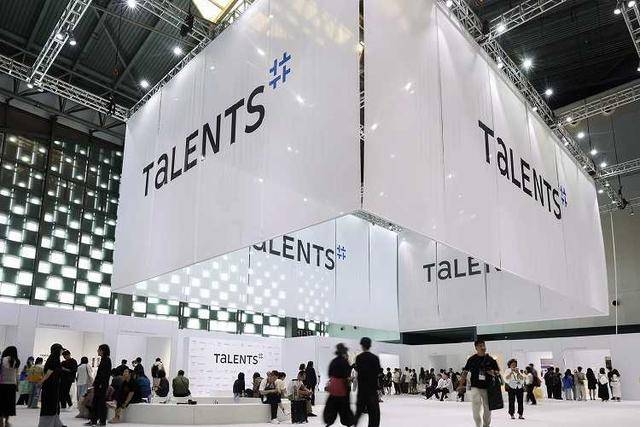
Core Insights - The article highlights the significance of "Design Shanghai" 2025 as a pivotal event in the global design industry, showcasing over 600 brands from more than 30 countries across four core segments: furniture and lighting design, kitchen and bathroom design, new materials and applications, and lifestyle and accessories design [1][3] Group 1: Event Overview - "Design Shanghai" 2025 features a diverse selection of design excellence, presenting cutting-edge design concepts and practices that reflect contemporary aesthetics [1] - The event includes seven special projects, such as "TALENTS," which focuses on young designers and aims to create a comprehensive platform for professional display and ecological construction in the design industry [3] Group 2: ARITCO's Participation - ARITCO showcases Scandinavian design philosophy and sustainable concepts, presenting a "breathing vertical space laboratory" that embodies the idea of coexistence [4] - The company announces an accelerated strategic layout in the Chinese market, enhancing its partnership with Long Chuang Elevator to provide a full-cycle service network from design consultation to lifetime maintenance [4] Group 3: Product Innovation - ARITCO introduces new concept designs inspired by various cities, emphasizing modular design that allows for personalized customization of home elevators [6] - The brand's commitment to sustainability is detailed through three operational dimensions: material selection, energy consumption reduction, and carbon footprint optimization in transportation [6][7] Group 4: Market Insights - The Chinese market is deemed crucial for ARITCO due to its sales potential and dynamic opportunities, with a focus on understanding local consumer needs through collaboration with Long Chuang [9] - The evolution of consumer demands in China is noted, with a shift towards personalized and integrated design solutions for home elevators, driven by an aging society and technological advancements [10]

陈春花:知识生产力成为引领发展的核心力量
Jing Ji Guan Cha Bao· 2025-06-20 08:09
Group 1 - Traditional industries are facing significant pressure, while emerging industries and companies are experiencing substantial growth, often reaching trillion-dollar valuations, driven by strong knowledge productivity [1] - Knowledge has fundamentally changed its significance, becoming the primary production factor, with capital and labor taking a secondary role, leading to the emergence of knowledge workers [3][4] - The application of knowledge has resulted in new business models and industries, exemplified by the electric vehicle sector, which revitalizes traditional industries through innovative knowledge [5] Group 2 - Knowledge can be categorized into meaningful knowledge, productive knowledge, and behavioral knowledge, with a particular emphasis on the importance of behavioral knowledge [4] - The value of knowledge is distinct from tangible assets, as it can be created, destroyed, and enhanced through collaboration [6][9] - Knowledge has unique characteristics, such as its ability to transcend material existence, empower other factors, shape individuals and society, promote sharing and inclusivity, and possess disruptive qualities [10][11][12][13]
提升大学生“知信行”生态素养,要从重塑高校生态文明教育体系入手
Zhong Guo Huan Jing Bao· 2025-05-30 00:16
Core Viewpoint - The modernization in China emphasizes the harmonious coexistence of humans and nature, necessitating the cultivation of builders and successors with profound ecological civilization literacy, which is a fundamental requirement of Chinese-style modernization [1] Group 1: Current Challenges in Ecological Civilization Education - The current ecological civilization education for university students faces structural contradictions, including fragmented training models, lack of collaboration among educational stakeholders, and limitations in evaluation systems [2][3] - The education system elements operate relatively independently, with professional courses focusing on technical knowledge, general education limited to ethical teachings, and practical activities being formalized without effective integration [3] Group 2: Proposed Solutions for Education Reform - A systematic approach is needed to reconstruct the ecological civilization education model, integrating various educational activities and creating a cohesive "knowledge-capability-value" structure [4][5] - The evaluation system should be innovated using AI and big data to create a comprehensive assessment framework that includes ecological knowledge, awareness, and behavior, allowing for real-time tracking and dynamic feedback [6] Group 3: Implementation Strategies - Establish a university-level leadership group for ecological civilization education, develop interdisciplinary research platforms, and create a collaborative model that aligns academic disciplines with industry needs [7] - Implement a credit system for ecological courses and integrate ecological education into faculty performance evaluations, ensuring a multi-faceted approach to fostering ecological literacy among students [7]
陈春花:数智技术下组织管理的四个新特征
Jing Ji Guan Cha Bao· 2025-04-11 17:21
Group 1 - The core viewpoint is that digital intelligence technology, especially artificial intelligence, is not just a technical advancement but a new living environment that necessitates a shift in organizational management towards a symbiotic existence [2][4] - The acceleration of changes brought by digital intelligence technology requires organizations to focus on external and internal collaboration to achieve greater system efficiency, moving away from traditional internal efficiency metrics [2][3] - The new organizational landscape emphasizes the integration of strategy, organization, and technology, leading to a growth strategy that aligns these elements [3][4] Group 2 - Key changes in enterprise development under digital intelligence technology can be viewed through three dimensions: strategy, organization, and human resources [3][4] - The strategic dimension requires a holistic view of both internal and external environments, while the organizational dimension focuses on effectiveness and development through a new structural framework [3][4] - Human resources have evolved to a "symbiotic" model, emphasizing individual value creation and empowerment [4][5] Group 3 - The characteristics of organizational management under digital intelligence technology differ significantly from traditional models, including the integration of data and management platforms to enhance employee creativity [4][5] - The knowledge-driven capability model, termed the "organizational intelligence body," highlights the importance of data as a critical resource in transforming organizational capabilities [5][6] - The role of collaboration and adaptability is crucial, with organizations needing to respond to external changes and foster agile cooperation [6][7] Group 4 - The shift from profit maximization to meaning maximization in organizational goals reflects a fundamental change in how organizations construct significance [7][8] - The "symbiotic philosophy" is essential for driving digital transformation, emphasizing mutual benefit, value co-creation, and overall evolution [8][9] - Companies must focus on providing scenario-based services, ecological symbiosis, value growth, and creating a better life and sustainable society [9][10]