
再通胀预期

Search documents
瑞达期货股指期货全景日报-20260309
Rui Da Qi Huo· 2026-03-09 11:22
Report Summary 1. Report Industry Investment Rating - Not mentioned in the report 2. Core Viewpoints of the Report - As the impact of overseas geopolitical conflicts on re - inflation expectations is gradually digested by the market, the Two Sessions have become the current focus of the market. The government work report's support for high - tech manufacturing has boosted related sectors, and positive fiscal policy arrangements have strengthened market expectations of policy - supported economic growth. With the weakening of external conflicts, the market refocuses on the domestic situation, and the stable and improving fundamentals also provide support for the market. [2] 3. Summary by Relevant Catalogs 3.1 Futures Market - **Futures Contracts**: The prices of major and secondary major contracts of IF, IC, IH, and IM all declined. For example, the IF major contract (2603) dropped to 4599.2, down 50.6. The spreads between different contracts also changed, such as the IF - IH current - month contract spread dropping to 1636.8, down 19.2. [2] - **Futures Positions**: The net positions of the top 20 in IF increased by 1768.0 to 28,976.00, while those of IH decreased by 177.0 to 21,666.00. The net positions of IC and IM decreased by 3446.0 and 4581.0 respectively. [2] - **Futures - Spot Relationship**: The spot prices of the Shanghai - Shenzhen 300, Shanghai 50, CSI 500, and CSI 1000 all declined. The basis of the IF major contract was - 16.3, down 1.8, while the basis of the IH major contract was - 0.6, up 2.1. [2] 3.2 Market Conditions - **Market Transactions**: A - share trading volume rebounded significantly to 26,705.82 billion yuan, up 4513.43 billion yuan. The margin trading balance decreased to 26,455.61 billion yuan, down 62.44 billion yuan. North - bound trading volume decreased to 2826.47 billion yuan, down 337.01 billion yuan. [2] - **Market Sentiment**: The proportion of rising stocks decreased to 25.93%, down 51.71 percentage points. The closing prices and implied volatilities of IO at - the - money call and put options changed. The 20 - day volatility of the Shanghai - Shenzhen 300 index decreased to 15.52%, down 0.03 percentage points. The volume PCR and position PCR increased. [2] - **Wind Market Strength - Weakness Analysis**: The overall performance of all A - shares was weak, with scores of 3.30, down 4.00, in terms of overall performance, and 2.60, down 5.10, in terms of technical aspects, and 4.10, down 2.80, in terms of capital aspects. [2] 3.3 Industry News - **Geopolitical Events**: On March 9, local time, Mojtaba Khamenei, the second son of Khamenei, was elected the new supreme leader of Iran. Tensions in the Middle East have escalated, with Iran attacking Israeli oil facilities, leading to production cuts in Middle Eastern oil - producing countries and rising oil prices. [2] - **Economic Data**: In February 2026, China's CPI increased by 1.3% year - on - year and 1% month - on - month. The PPI decreased by 0.9% year - on - year and increased by 0.4% month - on - month. A - share major indices closed down, with the CSI 1000 being relatively strong, and most industry sectors declined. [2] 3.4 Key Events to Watch - From March 4 - 11, the Fourth Session of the 14th National Committee of the Chinese People's Political Consultative Conference was held; from March 5 - 12, the Fourth Session of the 14th National People's Congress was held. Other important data releases include China's February trade and financial data (pending), US February CPI and core CPI on March 11 at 20:30, US January trade data on March 12 at 20:30, and US February PCE and core PCE on March 13 at 20:30. [3]
战术性大类资产配置周度点评(20260309):地缘政治强化再通胀预期,建议超配原油-20260309
GUOTAI HAITONG SECURITIES· 2026-03-09 06:38
Group 1 - The report suggests an overweight allocation in crude oil due to the rapid deterioration of geopolitical situations in the Middle East, which is expected to boost oil prices temporarily [1][20][18] - It recommends an overweight allocation in A-shares and H-shares, citing the expansion of fiscal deficits and supportive economic policies as key drivers for market risk appetite [18][21] - The report highlights the ongoing geopolitical tensions and their impact on global inflation expectations, leading to a preference for gold as a safe-haven asset [20][19][18] Group 2 - The report indicates that the U.S. economy is showing signs of marginal convergence but is not in a recession, with a moderate cooling in the labor market and wage growth, which may lead to a decrease in endogenous inflation [19][21] - It emphasizes the importance of structural monetary policies in enhancing the demand for government bonds, despite existing imbalances in financing needs and credit supply [19][21] - The report notes that the global order is rapidly restructuring, with the U.S. losing credibility due to its hegemonic policies, which further supports the case for gold as a hedge against uncertainty [20][19]

油价要失控?战争溢价还能持续多久
凤凰网财经· 2026-03-08 10:09
Core Viewpoint - The recent surge in oil prices, driven by geopolitical tensions in the Middle East, particularly the closure of the Strait of Hormuz, poses significant implications for global inflation expectations and monetary policy, especially for the Federal Reserve [2][5]. Group 1: Oil Price Dynamics - Oil prices are influenced by geopolitical events; without such disruptions, sustained price increases are challenging [6]. - The global economic cycle significantly impacts oil demand, which is currently weakening due to slowing economic growth and inflationary pressures in the U.S. [6][7]. - The oil supply is relatively elastic, allowing producers to quickly adjust output in response to price changes, which can suppress price increases [7][8]. Group 2: OPEC and Global Supply - OPEC and OPEC+ play crucial roles in regulating global oil supply, controlling approximately 45%-50% of the world's oil production [11]. - OPEC members rely heavily on oil revenues, with specific countries having breakeven oil prices ranging from $73.5 to $137.7 per barrel [13][14]. - Russia's oil revenue is critical for its budget, contributing 30%-40% of its income, and it collaborates with OPEC to stabilize oil prices [17][18]. Group 3: Market Reactions and Predictions - The current rise in oil prices is largely due to supply disruption expectations, but this may not lead to a long-term trend without actual supply shortages [21][23]. - The situation in the Strait of Hormuz is pivotal; if it remains blocked, significant production cuts could occur, with estimates suggesting a potential reduction of up to 470,000 barrels per day [25][26]. - If the conflict persists, oil prices could exceed $100 per barrel, leading to broader impacts on capital markets [26][27].

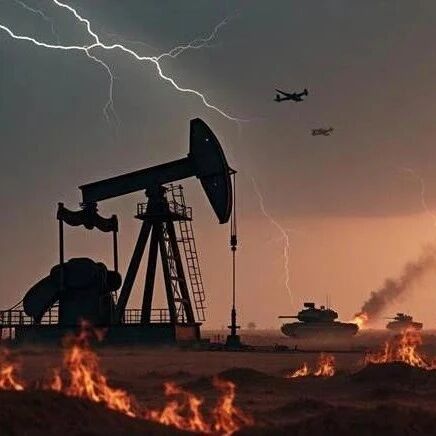
油价要失控?
虎嗅APP· 2026-03-07 13:30
Core Viewpoint - The article discusses the recent surge in oil prices due to geopolitical tensions in the Middle East, particularly the closure of the Strait of Hormuz, and explores the implications of potential oil price instability on global markets [2][4]. Group 1: Oil Price Dynamics - As of March 6, 2026, Brent crude oil prices reached $94.35 per barrel, nearing previous highs due to renewed conflict in the Middle East [2]. - Oil prices are not just a commodity price; they influence global inflation expectations, the Federal Reserve's policy path, and the re-pricing of global interest rates [4]. - A sustained rise in oil prices above $100 per barrel could lead to significant long-term impacts on global capital markets, transforming oil prices into a macroeconomic variable rather than just a short-term fluctuation [4][23]. Group 2: Supply and Demand Factors - Without geopolitical disruptions, oil prices struggle to maintain a sustained upward trend, as global economic slowdowns weaken oil demand growth [5][6]. - The current global oil supply is approximately 100 million barrels per day, with major producers including the U.S., Russia, and Saudi Arabia, which can quickly adjust supply in response to price changes [9][12]. - OPEC and OPEC+ play a crucial role in regulating oil supply, controlling about 45%-50% of global oil production, and have significant idle capacity to buffer against supply disruptions [12][16]. Group 3: Geopolitical Risks and Market Reactions - The ongoing conflict in the Middle East has led to supply disruptions, particularly affecting the Strait of Hormuz, through which nearly 20% of global oil consumption is transported [27]. - If the Strait remains closed, supply cuts could escalate, with predictions of forced production cuts reaching 330,000 barrels per day within a week, potentially rising to 470,000 barrels per day by the 18th day [28]. - The U.S. is considering military protection for oil tankers in the Strait, which may alleviate some market concerns regarding supply interruptions [28]. Group 4: Future Oil Price Projections - If the conflict is short-lived and the Strait reopens within two weeks, Brent crude prices are expected to fluctuate between $80 and $90 per barrel [29]. - However, if the conflict extends for 3-4 weeks, prices could exceed $100 per barrel, leading to significant market impacts across various sectors [29][30]. - The article suggests a diversified investment strategy to mitigate risks associated with potential oil price instability, focusing on sectors that may benefit from rising oil prices [30].
瑞达期货宏观市场周报-20260306
Rui Da Qi Huo· 2026-03-06 09:04
1. Report Industry Investment Rating - Not provided in the given content 2. Core Viewpoints of the Report - A - share major indices declined collectively this week, with the STAR 50 being the weakest, falling over 4%. The four stock - index futures also dropped collectively, and small - and medium - cap stocks were weaker than large - cap blue - chip stocks. The US - Israel attack on Iran at the weekend caused a global stock - market shock, but the A - share market showed a relatively independent trend on Monday. Subsequently, due to rising oil prices, the A - share market weakened significantly on Tuesday and Wednesday. After the Two Sessions, the market focus shifted back to domestic issues, and the positive arrangements in the government work report for 2026 drove the stock market to rebound. It is recommended to buy on dips [6]. - The government bond futures strengthened collectively this week. The 2026 government work report did not show obvious policy signals beyond expectations. The expansion speed of broad fiscal expenditure weakened marginally, and the supply pressure of government bonds was generally controllable. The monetary policy will still mainly rely on structural tools, and the use of aggregate tools will be cautious. The current fundamental situation is still in the "weak recovery" stage, which provides bottom support for the bond market. It is expected that the subsequent interest rates will maintain a range - bound pattern. It is recommended to conduct range - bound operations [6]. - The re - inflation expectation suppressed the precious - metal prices, while the unresolved and expanding US - Iran conflict continued to drive up oil prices. The commodity index is expected to show a relatively strong trend. It is recommended to buy on dips [6]. - The rising oil price pushed up the inflation expectation, and the hawkish policy expectation led to a decline in the interest - rate cut expectation. The inflow of market risk - aversion funds provided support for the US dollar. Affected by the strong US dollar and the widening US - Europe interest - rate spread, the euro and the yen were under pressure this week. It is recommended to observe cautiously [6]. 3. Summary According to Relevant Catalogs 3.1 This Week's Summary and Next Week's Allocation Suggestions - **Stocks**: The Shanghai - Shenzhen 300 Index fell 1.07%, and the Shanghai - Shenzhen 300 Stock - Index Futures dropped 1.32%. A - share major indices declined collectively, with the STAR 50 falling over 4%. The four stock - index futures also declined, and small - and medium - cap stocks were weaker than large - cap blue - chip stocks. It is recommended to buy on dips [6]. - **Bonds**: The yield of the 10 - year government bond due decreased by 0.22%, and the weekly change was - 0.39BP. The main 10 - year government bond futures rose 0.13%. Government bond futures strengthened collectively, and the 2026 government work report did not have significant policy surprises. The fundamental situation is in the "weak recovery" stage, and interest rates are expected to range - bound. It is recommended to conduct range - bound operations [6]. - **Commodities**: The Wind Commodity Index dropped 5.75%, and the CSI Commodity Futures Price Index rose 3.81%. The re - inflation expectation affected precious - metal prices, and the US - Iran conflict drove up oil prices. The commodity index is expected to be relatively strong. It is recommended to buy on dips [6]. - **Foreign Exchange**: The euro against the US dollar fell 1.75%, and the euro against the US dollar 2603 contract dropped 1.76%. Rising oil prices and hawkish policy expectations affected the exchange - rate, and the euro and the yen were under pressure. It is recommended to observe cautiously [6] 3.2 Important News and Events - **China - US and China - Germany Economic and Trade**: The Chinese and US sides will maintain communication through the China - US economic and trade consultation mechanism. China and Germany reached more than ten business agreements in the economic and trade field. China and Germany will strengthen communication and cooperation under the framework of the China - Germany High - Level Financial Dialogue [14]. - **Shanghai Real - Estate Policy**: Shanghai issued the "Seven Measures in Shanghai", which mainly adjusted and reduced the purchase - restriction policy, increased the maximum amount of provident - fund family loans, and exempted property tax for some home purchases [14]. - **International Tensions**: The US and Israel launched an air strike on Iran on February 28. Iran counter - attacked and claimed to have hit multiple US military targets in the Middle East. The US may impose a 15% global tariff soon [15]. 3.3 This Week's Domestic and International Economic Data - **China**: The official manufacturing PMI in February was 49.0, the non - manufacturing PMI was 49.5, and the composite PMI was 49.5. The manufacturing industry was affected by the Spring Festival, and the non - manufacturing industry was boosted by the service industry. The central bank's open - market operations had a net withdrawal of 136.34 billion yuan this week [12][13][18]. - **US**: The US ISM manufacturing PMI data was stronger than expected, the new - order index was resilient, and the inflation sub - item increased significantly. The ADP employment increase in February exceeded market expectations. The US 12 - month factory - order month - on - month rate was - 0.7%, and the initial jobless claims for the week ending February 21 were 2.12 million [11][16]. - **EU**: The euro - zone's January unemployment rate dropped to 6.1%, the February CPI was up 1.9% year - on - year, and the January CPI annual rate was 1.7%. The euro - zone's February industrial sentiment index was - 7.1 [11][16]. - **Germany**: Germany's fourth - quarter unadjusted GDP annual rate was 0.6%, and the January seasonally - adjusted industrial output month - on - month rate is to be released on March 9 [16][76]. 3.4 Next Week's Important Economic Indicators and Economic Events - **March 9**: China's February CPI and PPI annual rates, Germany's January seasonally - adjusted industrial output month - on - month rate, and the US February New York Fed's one - year inflation expectation [76]. - **March 10**: Germany's January seasonally - adjusted trade balance, and France's January trade balance [76]. - **March 11**: Germany's February CPI month - on - month final value, the US February unadjusted CPI and core CPI annual rates [76]. - **March 13**: The UK's January three - month GDP month - on - month rate, January manufacturing output month - on - month rate, France's February CPI month - on - month final value, the euro - zone's January industrial output month - on - month rate, the US January core PCE price index annual rate, the fourth - quarter real GDP annualized quarterly rate revised value, and the January durable - goods order month - on - month rate [76].

反弹了,但大A真正的变量是?
虎嗅APP· 2026-03-05 14:54
Group 1 - The article discusses the recent rebound in the A-share market, driven by expectations of easing Middle East conflicts, although the rebound is weak and does not fully recover previous losses [2][3][4] - The ongoing Middle East conflict poses risks, with the U.S. indicating intentions to ensure safe passage for vessels in the Strait of Hormuz, but actual risks remain unaddressed [6][7] - If the conflict escalates, it could tighten global energy supplies, leading to higher oil prices and inflation, which would impact macroeconomic conditions and financial markets [9][10] Group 2 - The article highlights the importance of the National People's Congress (NPC) meeting, which is expected to influence the A-share market over a longer period despite current market focus on geopolitical tensions [15][16] - The GDP growth target has been adjusted to a range of 4.5%-5%, indicating a shift towards quality economic development [18] - Market sentiment remains cautious, with sectors like military and energy stocks benefiting, while high-valuation sectors such as technology and real estate may face pressure [19] Group 3 - The fiscal policy remains stable, with a budget deficit rate maintained at 4%, and a focus on structural investments rather than aggressive spending increases [20][21] - The article emphasizes the need for structural adjustments in fiscal spending to enhance policy effectiveness, particularly in areas like energy, technology, and consumer services [23][24] - The potential for investment opportunities exists in emerging industries such as integrated circuits, aerospace, and biomedicine, as well as in consumer sectors that enhance quality of life [24][25] Group 4 - Historical trends suggest that the A-share market tends to rise before and after the NPC meetings, although recent geopolitical events have led to a significant pre-meeting decline [26][27] - Key themes from the NPC, such as technological innovation and domestic consumption, are expected to drive investment opportunities in the coming year [27][28]

瑞达期货股指期货全景日报-20260305
Rui Da Qi Huo· 2026-03-05 09:09
1. Report Industry Investment Rating - Not provided in the given content 2. Core View of the Report - A-share major indices closed up collectively, with the Shanghai Composite Index regaining the 4100 mark. The Shanghai Composite Index rose 0.64%, the Shenzhen Component Index rose 1.23%, and the ChiNext Index rose 1.66%. Trading volume in the Shanghai and Shenzhen stock markets rebounded slightly, and over 4000 stocks in the whole market rose. Overseas, the US ADP employment in February exceeded expectations, and the ISM non - manufacturing PMI price index hit a one - year low. The US 10 - year Treasury futures yield once exceeded 4.1%. Domestically, in February, due to the Spring Festival holiday, the manufacturing PMI declined, showing a situation of weak supply and demand. However, strong consumer spending supported a slight increase in the non - manufacturing PMI. The government work report lowered the economic growth target for 2026 compared to 2025, indicating a shift towards high - quality development. The fiscal policy arrangement is more proactive. With the impact of overseas geopolitical conflicts on re - inflation expectations gradually digested, the Two Sessions have become the focus of the market. The support for high - tech manufacturing in the government work report has led to a significant rise in related sectors, and the proactive fiscal policy has strengthened the market's expectation of policy - supported economic growth [3] 3. Summary by Relevant Catalogs 3.1 Futures Market Data - **Futures Contracts**: The latest price of the IF main contract (2603) is 4629.0, up 43.0; the IF sub - main contract (2606) is 4566.6, up 29.2. Similar price increases are seen in IC, IH, and IM contracts [2] - **Futures Spreads**: The IF - IH spread of the current month contract is 1642.0, up 23.2; the IC - IF spread of the current month contract is 3626.6, down 1.8. There are also changes in other spreads [2] - **Futures - Spot Basis**: The basis of the IF main contract is - 18.7, down 7.1; the basis of the IH main contract is - 1.5, up 0.6. Similar changes are seen in IC and IM contracts [2] - **Futures Positions**: The net position of the top 20 in IF is 29,238.00, down 1479.0; the net position of the top 20 in IH is 20,505.00, down 1386.0. Similar decreases are seen in IC and IM [2] 3.2 Market Sentiment Data - **Trading Volume and Balance**: A - share trading volume is 24,125.91 billion yuan, up 246.49 billion yuan; margin trading balance is 26,426.88 billion yuan, down 86.23 billion yuan. Northbound trading volume is 3297.82 billion yuan, down 843.68 billion yuan [2] - **Other Indicators**: The proportion of rising stocks is 74.35%, up 42.56 percentage points; Shibor is 1.267%, up 0.001 percentage points. There are also changes in option prices, implied volatilities, and other indicators [2] 3.3 Industry News - **Domestic Policy**: The government work report sets the 2026 economic growth target at 4.5% - 5%, with a deficit rate of about 4% and a deficit scale of 5.89 trillion yuan. It will continue to implement proactive fiscal and moderately loose monetary policies and support the development of emerging and future industries [2] - **Overseas News**: The US ADP employment in February increased by 63,000, the largest increase since November 2025, exceeding expectations [2]
瑞达期货股指期货全景日报-20260304
Rui Da Qi Huo· 2026-03-04 12:01
3/4 21:15 美国2月ADP就业人数 3/6 21:30 美国2月非农就业人数、失业率、劳动参与率 3/4-3/11 全国政协十四届四次会议 3/5—— 十四届全国人大四次会议 重点关注 数据来源第三方,观点仅供参考。市场有风险,投资需谨慎! 备注:IF:沪深300 IH:上证50 IC:中证500 IM:中证1000 IO:沪深300期权 股指期货全景日报 2026/3/4 | 项目类别 | 数据指标 IF主力合约(2603) | 最新 4591.0 | 环比 数据指标 -53.8↓ IF次主力合约(2606) | 最新 4540.0 | 环比 -58.8↓ | | --- | --- | --- | --- | --- | --- | | | IH主力合约(2603) IC主力合约(2603) | 2972.2 8219.4 | -40.2↓ IH次主力合约(2606) -50.8↓ IC次主力合约(2606) | 2963.2 8075.8 | -41.4↓ -64.8↓ | | | IM主力合约(2603) | 8064.2 | -73.6↓ IM次主力合约(2606) | 7875.0 | - ...
瑞达期货股指期货全景日报-20260303
Rui Da Qi Huo· 2026-03-03 08:44
Report Summary 1. Investment Rating - No investment rating for the industry is provided in the report. 2. Core View - Overseas geopolitical conflicts may push up oil prices, causing market concerns about re - inflation, potentially leading to the Fed's failure to cut interest rates this year, suppressing the RMB exchange rate and limiting the PBOC's room for RRR and interest rate cuts. However, strong consumer spending during the Spring Festival shows the effectiveness of domestic demand - expansion policies, and the accelerated movement of household deposits provides liquidity support for the stock market. The market's concerns about external risks may put short - term pressure on A - shares, but long - term trends depend on oil price increases and the recovery of the domestic economic fundamentals [2]. 3. Summary by Relevant Catalogs 3.1 Futures Market Data - **Futures Contract Prices**: All major and minor contracts of IF, IC, IH, and IM showed declines. For example, the IF main contract (2603) dropped from the previous value by 60.6 to 4651.4 [2]. - **Futures Spreads**: Most of the contract spreads decreased, such as the IF - IH monthly contract spread, which dropped by 33.0 to 1632.4 [2]. - **Futures Positions**: The net positions of the top 20 in IF, IH, IC, and IM all decreased. For instance, the IF top 20 net position decreased by 1726.0 to 32,461.00 [2]. - **Spot - Futures Basis**: The basis of IF, IH, IC, and IM main contracts all increased. For example, the IF main contract basis increased by 13.0 to - 4.5 [2]. 3.2 Market Sentiment Indicators - **Transaction Volume and Balance**: A - share trading volume reached 31,575.58 billion yuan, up 1117.93 billion yuan; the margin trading balance was 26,740.07 billion yuan, up 48.09 billion yuan [2]. - **Investor Sentiment Indicators**: The proportion of rising stocks dropped by 9.11% to 11.72%; the Shibor dropped by 0.048% to 1.267% [2]. 3.3 Industry News - **Domestic Stock Market**: A - share major indices closed significantly lower. The Shanghai Composite Index fell 1.43%, the Shenzhen Component Index fell 3.07%, and the ChiNext Index fell 2.57%. Over 4800 stocks declined, with the defense and military industry sector weakening and the petroleum and petrochemical sector strengthening [2]. - **Overseas Situation**: Geopolitical conflicts between the US and Iran over the weekend led to concerns about crude oil supply disruptions. The Strait of Hormuz was closed, and the yield of US 10 - year Treasury futures exceeded 4%, indicating a significant increase in market expectations of re - inflation [2]. - **Domestic Economic Fundamentals**: During the Spring Festival in 2026, domestic tourism and spending increased compared to 2025, and the average daily number of travelers was also higher [2]. 3.4 Key Events to Watch - **Domestic**: The 4th Session of the 14th National People's Congress will be held from March 5; the National Committee of the 14th Chinese People's Political Consultative Conference will be held from March 4 - 11. China's February official manufacturing, non - manufacturing, and composite PMI will be released on March 4 at 9:30 [2][3]. - **Overseas**: The US February ADP employment data will be released on March 4 at 21:15; the US February non - farm payrolls, unemployment rate, and labor participation rate will be released on March 6 at 21:30 [3].
多家银行上调个人客户上金所延期合约保证金比例
Zheng Quan Ri Bao· 2026-02-27 16:37
Core Viewpoint - The recent increase in risk within the precious metals market has led several major state-owned banks in China to adjust the margin requirements for personal clients trading on the Shanghai Gold Exchange [1][2]. Group 1: Margin Requirement Adjustments - On February 24, the Bank of China announced adjustments to the margin requirements and price fluctuation limits for personal clients trading gold and silver deferred contracts [1]. - Agricultural Bank of China stated that starting from February 26, 2026, the margin requirement for Au (T+D), mAu (T+D), and Ag (T+D) contracts will be increased from 80% to 100% [1]. - Industrial and Commercial Bank of China (ICBC) also announced that from February 27, 2026, the margin requirement for various gold and silver contracts will be raised to 100% [1]. Group 2: Rationale Behind Adjustments - ICBC's customer service indicated that the adjustment to a 100% margin requirement is a response to significant price volatility in the domestic and international precious metals markets, aimed at mitigating market risk and protecting investors [2]. - The increase in margin requirements effectively reduces the leverage available to traders, meaning that for a contract valued at 1 million yuan, the required margin will increase from 800,000 yuan to 1 million yuan [2]. - Financial expert Tian Lihui noted that the current international gold prices are at historically high levels, influenced by global "reflation" expectations, geopolitical risk premiums, and the reassessment of U.S. dollar credit, with banks raising margins to create necessary risk buffers and curb potential speculative bubbles [2].
