净息差收窄

Search documents
起存门槛提高利率下调 大额存单为啥突然不香了?
Yang Guang Wang· 2025-12-08 10:12
Core Viewpoint - The recent collective withdrawal of five-year large denomination certificates of deposit (CDs) by major state-owned banks and the increase in the minimum investment for three-year CDs indicate a tightening of long-term deposit products, driven by the need to manage declining net interest margins and optimize liability structures [1][3][4]. Group 1: Changes in Deposit Products - Major state-owned banks have collectively withdrawn five-year large denomination CDs, making them nearly unavailable, while some three-year CDs have seen increased minimum investment thresholds [1][2]. - The minimum investment for three-year large denomination CDs has been raised to between 1 million and 5 million yuan, with interest rates dropping to around 1.55% [2][3]. - The withdrawal and adjustment of these products reflect banks' strategies to lower funding costs and manage high-cost liabilities [3][4]. Group 2: Impact on Depositors - Ordinary depositors, particularly those relying on interest income, face challenges in finding suitable deposit products, leading to a "comparison mode" for selecting banks with the best rates [2][5]. - The decline in deposit rates is expected to push savings towards wealth management and capital markets, necessitating a shift in investment strategies for individuals [5][6]. - Depositors are advised to diversify their investments into low-risk products such as three-year fixed deposits, government bonds, or fixed-income bank wealth management products to balance safety and returns [5][6]. Group 3: Banking Sector Strategies - Banks are focusing on optimizing their liability structures by reducing high-cost deposits and enhancing their wealth management services to meet diverse customer needs [6]. - The shift towards wealth management is seen as a way to generate stable non-interest income, especially as traditional lending margins are under pressure [6]. - The overall trend indicates that banks will continue to face challenges in maintaining net interest margins, with a likelihood of further declines in deposit rates, although the possibility of reaching "zero interest" is considered low [5][6].






银行5年期存款全面停售?
清华金融评论· 2025-12-02 08:23
Core Viewpoint - The article highlights a significant shift in the structure of bank deposit products in China, with a notable decline in long-term large-denomination certificates of deposit (CDs) due to multiple operational pressures and policy directions faced by banks [2]. Group 1: Changes in Deposit Products - Major banks in China have removed 5-year large-denomination CDs from their offerings, indicating a trend towards shorter-term deposit products [2]. - The current available terms for large-denomination CDs at Industrial and Commercial Bank of China are limited to 1 month, 3 months, 6 months, 1 year, 2 years, and 3 years [2]. - Several banks, including joint-stock banks and city commercial banks, have discontinued their 3-5 year large-denomination CD products this year [2]. Group 2: Reasons for the Shift - The primary reason for this shift is the continuous narrowing of net interest margins, which has created survival pressure for banks [2]. - As of Q3 2025, the net interest margin for commercial banks remains low at 1.42%, with private banks experiencing a further decline [2]. - The reduction in loan rates has led to shrinking asset-side returns for banks, making long-term large-denomination CDs, which are high-cost liabilities, less viable as the interest expense approaches the breakeven point [2]. Group 3: Future Outlook - The trend of pressure on net interest margins is expected to persist, leading to further adjustments in long-term deposit products by more banks [2]. - The deposit market is likely to normalize with characteristics of short-term, low-interest rates, and strict controls [2].





应对净息差持续收窄压力,向质量效益型转变——多家银行下架五年期大额存单
Jing Ji Ri Bao· 2025-12-01 06:51
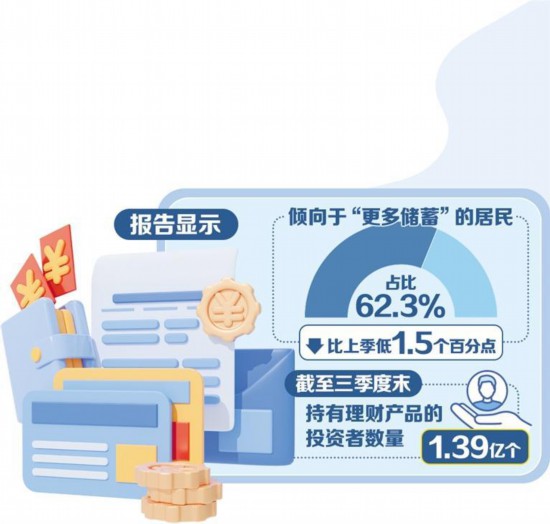
Core Viewpoint - Major state-owned banks in China, including Industrial and Commercial Bank of China, Agricultural Bank of China, and China Construction Bank, have collectively removed five-year large denomination time deposits from their offerings, shifting focus to shorter-term products in response to narrowing net interest margins [2][3]. Group 1: Changes in Deposit Products - Six major commercial banks have adjusted their deposit products by removing five-year large denomination time deposits, leaving only shorter-term options available for investors [2]. - This shift is seen as a strategic response to the ongoing pressure of declining net interest margins, which are currently at historical lows [2][3]. - The removal of long-term deposit products is aimed at shortening the average maturity of liabilities and enhancing the re-pricing flexibility of banks [2]. Group 2: Impact on Small and Medium Banks - Small and medium-sized banks are also accelerating adjustments to their deposit product structures due to increasing net interest margin pressures [3]. - These banks, which typically have weaker deposit-raising capabilities and brand trust compared to large banks, are moving away from high-interest long-term deposits that are no longer sustainable [3]. - The prevalence of interest rate inversion, where short-term deposit rates exceed long-term rates, is diminishing the attractiveness of medium to long-term deposits, prompting these banks to focus on short- to medium-term products [3]. Group 3: Investor Behavior and Market Trends - As deposit rates decline, there is a noticeable trend of "savings migration," with bank wealth management products gaining popularity due to their lower volatility [3][4]. - A survey indicates that 62.3% of urban savers prefer to save more, a decrease of 1.5 percentage points from the previous quarter [4]. - The number of investors holding wealth management products reached 139 million by the end of the third quarter, reflecting a year-on-year growth of 12.7% [4]. Group 4: Recommendations for Banks - Banks are advised to enhance asset yields by optimizing credit structures and improving risk pricing capabilities while also focusing on non-credit asset management [4]. - On the liability side, banks should strengthen their core deposit-raising capabilities by exploring service, product, and channel potentials, and optimizing customer segmentation strategies to enhance low-cost fund retention [4].
多家银行下架五年期大额存单
Xin Hua Wang· 2025-11-30 23:41
Core Viewpoint - Major commercial banks in China, including Industrial and Commercial Bank of China, Agricultural Bank of China, and China Construction Bank, have collectively withdrawn five-year large-denomination certificates of deposit (CDs) in response to the ongoing pressure of narrowing net interest margins [1][2] Group 1: Bank Adjustments - Several large state-owned banks have shifted their focus from long-term to short-term deposit products, offering only three-year, two-year, one-year, and six-month large-denomination CDs [1] - The withdrawal of five-year CDs is seen as a rational choice to address the historical low levels of net interest margins, allowing banks to shorten the average maturity of liabilities and enhance repricing flexibility [1][2] Group 2: Impact on Small and Medium Banks - Small and medium-sized banks are also adjusting their deposit product structures due to increasing net interest margin pressures, moving away from high-interest long-term deposits [2] - The prevalence of interest rate inversion, where short-term deposit rates exceed long-term rates, has diminished the attractiveness of medium to long-term deposits, prompting these banks to focus on short- to medium-term products [2] Group 3: Investor Behavior - As deposit rates decline, there is a resurgence of "savings migration," with bank wealth management products gaining popularity due to their lower volatility [2] - A survey indicates that 62.3% of urban residents prefer to save more, a decrease of 1.5 percentage points from the previous quarter, while the number of investors holding wealth management products has increased by 12.70% year-on-year [2] Group 4: Recommendations for Banks - Banks are advised to enhance asset yields by optimizing credit structures and improving risk pricing capabilities, while also focusing on non-credit asset management [3] - On the liability side, banks should strengthen their core deposit absorption capabilities and optimize customer segmentation strategies to enhance the retention of low-cost funds [3]
应对净息差持续收窄压力 多家银行下架五年期大额存单
Jing Ji Ri Bao· 2025-11-30 23:36
Core Viewpoint - Major state-owned banks in China, including Industrial and Agricultural Banks, have collectively removed five-year large time deposits, shifting focus to shorter-term products due to ongoing pressure on net interest margins [1][2]. Group 1: Changes in Deposit Products - Six major commercial banks have adjusted their deposit products by removing five-year large time deposits, leaving only shorter-term options available for investors [1]. - This move is seen as a rational response to the continuous decline in net interest margins, which are currently at historical lows [1][2]. Group 2: Impact on Small and Medium Banks - Small and medium-sized banks are also accelerating adjustments to their deposit product structures in response to increasing net interest margin pressures [2]. - These banks, which typically have weaker deposit-raising capabilities compared to large banks, are shifting from high-interest long-term deposits to short- and medium-term products to mitigate the impact of narrowing net interest margins [2]. Group 3: Investor Behavior and Market Trends - As deposit rates decline, there is a resurgence of "savings migration," with bank wealth management products gaining popularity due to their low volatility [2]. - A survey indicates that 62.3% of urban savers prefer to save more, a decrease of 1.5 percentage points from the previous quarter, while the number of investors holding wealth management products has increased by 12.70% year-on-year [2]. Group 4: Recommendations for Banks - Banks are advised to enhance asset yields by optimizing credit structures and improving risk pricing capabilities while also focusing on non-credit asset management [3]. - On the liability side, banks should strengthen their core deposit absorption capabilities by exploring service, product, and channel potentials to enhance low-cost funding [3].
年末揽储旺季之际 部分中小银行竟“不玩了”?
Zhong Guo Ji Jin Bao· 2025-11-29 11:24
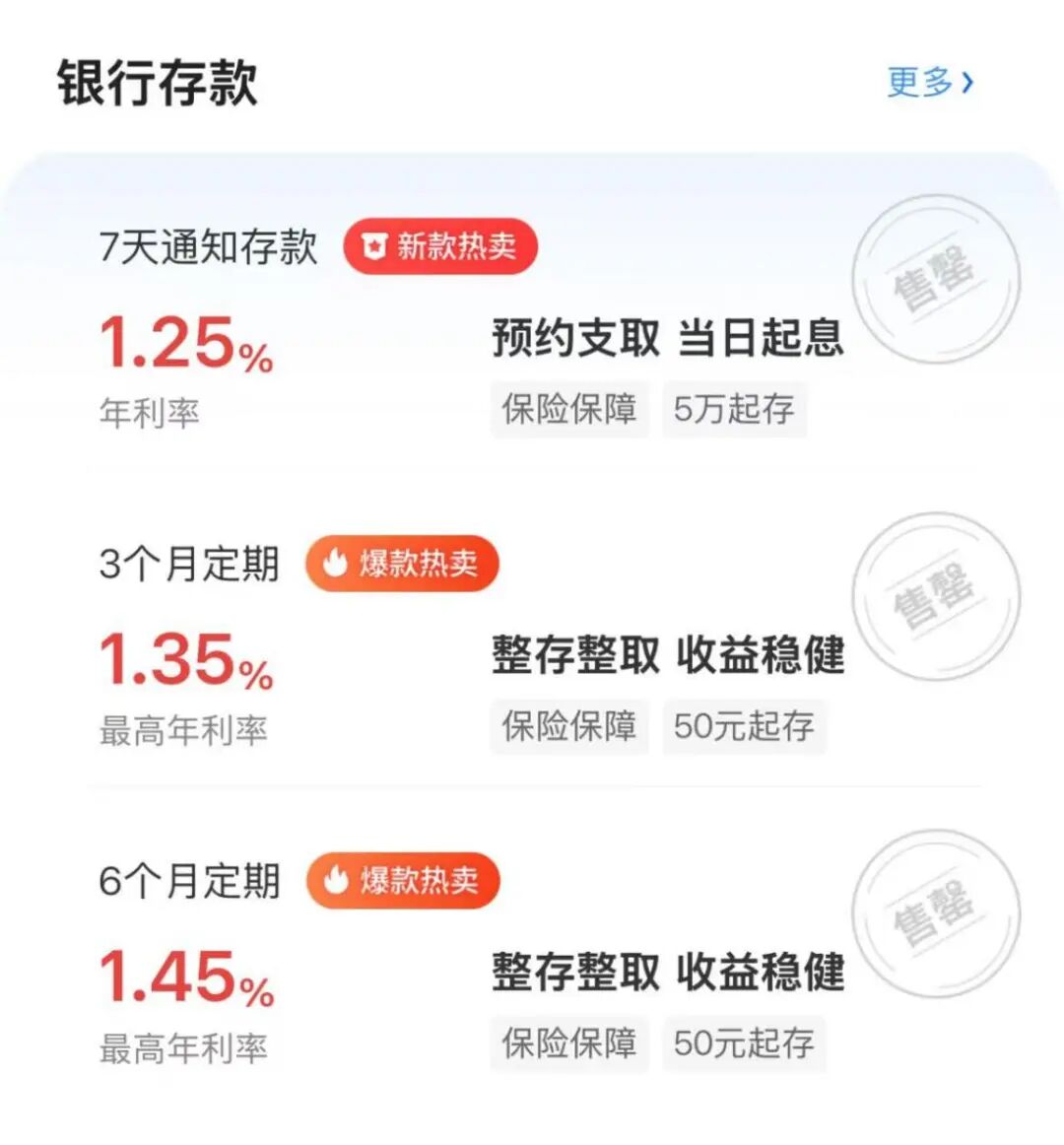
Core Viewpoint - Blue Ocean Bank has marked all its deposit products as "sold out" during the year-end deposit gathering season, a rare occurrence in the industry [1][9]. Group 1: Deposit Products Status - All deposit products of Blue Ocean Bank, including various term deposits, are currently showing as "sold out" on their mobile banking app [1][3]. - The bank's customer service confirmed that the subscription quotas for term deposits have been full for several months, particularly for 3-year and 5-year deposits [3][4]. - A specific product named "Blue Baby," which offers terms from 3 months to 2 years, also shows as "sold out" despite being highlighted for potential availability [4]. Group 2: Interest Rate Adjustments - Blue Ocean Bank has frequently lowered its deposit interest rates, with eight rate cuts occurring in the first half of the year alone [7]. - Recent adjustments have seen rates for certain products drop significantly, such as the "Blue Baby B7 Days" product, which was reduced from 2.4% to 2.2% [7]. Group 3: Market Context and Implications - The unusual "sold out" status of deposit products is interpreted as a strategy to reduce high-cost liabilities rather than a response to increased deposit demand [9][10]. - The bank is facing challenges with declining revenue and net profit, with reported figures showing a 39.42% decrease in revenue and a 47.86% drop in net profit year-on-year [9]. - The net interest margin has also decreased to 2.35%, down 1.99 percentage points from the previous year, indicating pressure on profitability [9]. Group 4: Industry Trends - Other small and medium-sized banks are also withdrawing long-term deposit products, reflecting a broader trend in the banking sector [10][11]. - Analysts suggest that the high interest rates on long-term deposits are unsustainable in the current economic environment, leading banks to pause deposit gathering to manage costs [11].
年末揽储旺季之际,部分中小银行竟“不玩了”?
中国基金报· 2025-11-29 11:23
Core Viewpoint - Blue Ocean Bank has marked all its deposit products as "sold out" during the year-end deposit season, a rare occurrence in the industry, indicating a strategic move to manage high-cost liabilities rather than a typical increase in deposit marketing efforts [2][11]. Summary by Sections Deposit Products Status - As of November 28, all deposit products, including 7-day notice deposits and various term deposits, are showing a "sold out" status on Blue Ocean Bank's mobile banking app [3][5]. - The bank's customer service confirmed that the subscription quotas for all term deposit products are full, particularly for the 3-year and 5-year deposits, which have not been available for several months [5][9]. Interest Rates and Adjustments - The bank's unique deposit product, "Blue Baby," which offers terms from 3 months to 5 years, has also shown a "sold out" status despite previously advertised interest rates ranging from 1.35% to 2% [5][7]. - Blue Ocean Bank has frequently lowered its deposit rates, with eight rate cuts in the first half of the year alone. For instance, on November 1, the rates for certain products were adjusted to 1.25% [9][11]. Market Context and Implications - The unusual "sold out" status of deposit products at Blue Ocean Bank has drawn significant market attention, with analysts suggesting it reflects a broader trend among small and medium-sized banks to reduce high-cost liabilities due to narrowing net interest margins [11][12]. - Financial performance data indicates that Blue Ocean Bank is facing challenges, with a reported revenue of 1.452 billion yuan, down 39.42% year-on-year, and a net profit of 415 million yuan, down 47.86% [11][12]. - The bank's net interest margin has decreased to 2.35%, a drop of 1.99 percentage points from the previous year, highlighting the financial pressures it faces [11][12]. Industry Trends - Other small and medium-sized banks are also withdrawing long-term deposit products, with several banks, including those in Inner Mongolia, announcing the cancellation of 5-year fixed deposits [12][13]. - Analysts attribute this trend to the high interest rates on long-term deposits, which pressure banks' net interest margins, and a lack of high-yield assets to match high-cost liabilities in a weak credit demand environment [13].

五年期定存悄然“退场”
Jing Ji Wang· 2025-11-27 02:09
Core Viewpoint - The trend of five-year fixed deposits disappearing from banks' offerings indicates a shift in the banking sector towards optimizing liability structures and reducing costs in response to narrowing net interest margins [1][4][6]. Group 1: Changes in Deposit Products - Several small and medium-sized banks have recently removed five-year fixed deposit products and lowered interest rates across various terms to optimize their liability structures and reduce costs [2][4]. - Notably, banks such as SuShang Bank, HuaRui Bank, and XinAn Bank have been particularly active in adjusting their deposit offerings, with some banks completely omitting five-year fixed deposit rates from their listings [2][4]. - While major banks still offer five-year ordinary fixed deposit products, the interest rates for large fixed deposits have converged with those of ordinary deposits, diminishing the appeal of high-threshold large fixed deposits [3][4]. Group 2: Impact on Banking Sector - The adjustments reflect the banking industry's response to pressures from narrowing net interest margins, which have reached historical lows, with the current net interest margin at 1.42% [4][6]. - The dual impact of declining loan rates and rigid deposit costs has compelled banks to proactively manage their liability costs, with five-year fixed deposits being a primary target for cost reduction [4][6]. - Experts suggest that the trend of reducing high-cost deposit products may continue, as banks aim to stabilize their net interest margins and adapt to changing market conditions [5][6]. Group 3: Implications for Depositors - The gradual phase-out of five-year fixed deposits signals a shift away from traditional "passive interest" strategies, urging depositors to reconsider their asset allocation strategies [5][6]. - Depositors are encouraged to diversify their investments and consider various financial products, such as funds and bank wealth management products, to balance returns and liquidity [6][7]. - The current environment suggests that depositors should adapt to a more flexible and diversified approach to financial management, moving away from reliance on long-term high-interest savings [6][7].
压降资金成本应对息差压力 部分中小银行下架长期限高息存款
Zhong Guo Zheng Quan Bao· 2025-11-26 22:06
Core Viewpoint - Several banks, including private banks, are discontinuing long-term deposit products and adjusting interest rates to manage funding costs in response to narrowing net interest margins [1][4]. Group 1: Discontinuation of Long-Term Deposits - Meizhou Commercial Bank announced the cessation of automatic renewal services for five-year term deposits due to policy adjustments, indicating a broader trend among banks [1][2]. - Many private banks have removed long-term deposit products, with some reporting interest rate inversions where five-year deposit rates are lower than three-year rates [2][3]. Group 2: Interest Rate Adjustments - Current interest rates for various term deposits at banks like Anhui Xin'an Bank are as follows: 1.45% for three months, 1.65% for six months, 1.85% for one year, 2.35% for two years, and 2.20% for three years, with a minimum deposit of 50 yuan [2]. - Some banks, such as Industrial and Commercial Bank of China, have also stopped offering five-year large denomination certificates of deposit (CDs), reflecting a shift in product availability [3]. Group 3: Cost Management Strategies - The primary reason for banks discontinuing long-term deposit products is to actively reduce funding costs in light of narrowing net interest margins [4][5]. - Bank executives have indicated a focus on lowering deposit rates and managing high-cost deposits as part of their strategy to stabilize net interest margins [4].
五年期定存悄然“退场” 银行业高成本存款产品调整进行时
Shang Hai Zheng Quan Bao· 2025-11-26 18:26
Core Viewpoint - The recent adjustments by small and medium-sized banks to long-term fixed deposit products reflect the banking industry's efforts to optimize deposit structures and reduce liability costs amid narrowing net interest margins [2][5]. Group 1: Changes in Deposit Products - Many small and medium-sized banks have recently announced the removal of five-year fixed deposit products and have simultaneously lowered interest rates across various deposit terms [3][4]. - The adjustments are particularly pronounced among private banks and rural banks, with institutions like SuShang Bank and HuaRui Bank leading the changes [3]. - Major state-owned banks and several joint-stock banks are also tightening the supply of long-term deposit products, making five-year large-denomination certificates of deposit increasingly rare [3][4]. Group 2: Impact on Net Interest Margin - The banking sector is facing significant pressure on net interest margins, which have fallen to historical lows, currently at 1.42% as of the end of Q3 [5]. - The decline in net interest margins is attributed to both falling loan rates and the rigid costs associated with deposits, prompting banks to take proactive measures to manage costs [5]. - Small and medium-sized banks, with relatively weaker funding capabilities, are leading the way in removing five-year fixed deposit products to optimize their liability structures and reduce costs [5]. Group 3: Future Outlook for Depositors - The trend of reducing high-cost deposit products is expected to continue, with potential further declines in deposit rates as banks adjust to the current interest rate environment [6]. - Depositors are encouraged to shift their investment strategies away from traditional long-term high-interest savings models towards more flexible and diversified asset allocation strategies [6][7]. - Financial experts suggest that individuals should consider a mix of different deposit terms and explore other investment products such as funds and bank wealth management products to enhance expected returns [7].