加密技术

Search documents
微云全息(NASDAQ: HOLO)升级比特币 TrustBlock 验证器,筑牢数字资产交易安全防线在数字资产领域蓬勃
Cai Fu Zai Xian· 2025-08-05 02:10
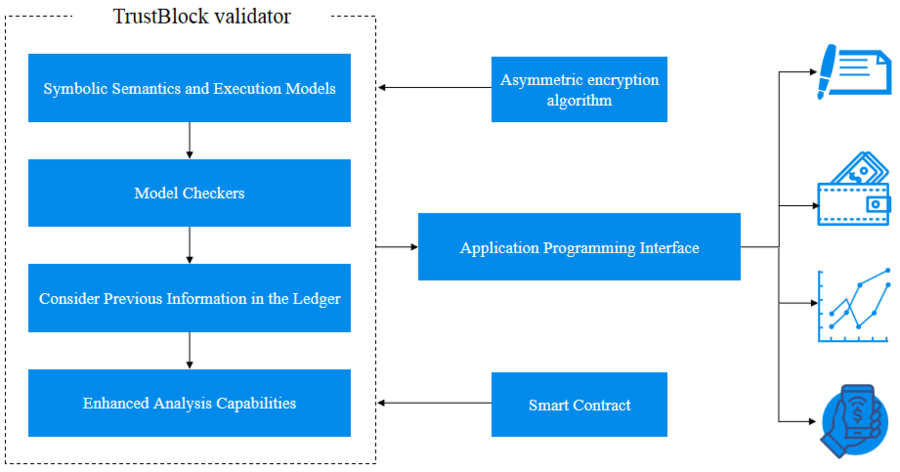
Core Viewpoint - The digital asset trading market is experiencing explosive growth due to the rise of blockchain technology and the popularity of digital currencies, with Bitcoin being the most representative cryptocurrency. However, security challenges such as hacking, fraud, and transaction vulnerabilities pose significant risks to investors and users, making the protection of digital asset transactions a priority for the industry's sustainable development [1]. Group 1: Security Challenges and Solutions - The TrustBlock validator developed by MicroCloud Hologram (NASDAQ: HOLO) integrates advanced technologies to provide comprehensive security for digital asset transactions, addressing the urgent need for enhanced security measures in the industry [1]. - The TrustBlock validator employs high-strength asymmetric encryption algorithms to ensure the confidentiality and integrity of transaction data during transmission and storage, significantly reducing the risk of data breaches and tampering [2]. - Smart contract technology is utilized to automate and ensure transparency in transaction execution and verification, enhancing the accuracy and reliability of transactions by eliminating human intervention [2]. Group 2: Transaction Verification Process - When a Bitcoin transaction is initiated, the TrustBlock validator verifies the identity of the transaction initiator by comparing digital certificates and private keys, ensuring that the initiator is legitimate and authorized [3]. - The validator conducts a detailed analysis of the transaction, checking the transaction amount, recipient address, and input-output balance, while also using hashing algorithms to verify data integrity [3]. - Compliance checks are performed against preset rules and regulations, and for special cases like cross-border or large transactions, the validator interacts with regulatory bodies to ensure legality [3]. Group 3: Post-Transaction Monitoring and Enhancements - After transaction completion, the TrustBlock validator continues to monitor transactions for anomalies such as rollbacks and double-spending attacks, generating reports for users and regulators to identify potential security risks [4]. - The recent upgrade of the TrustBlock validator has significantly improved performance and functionality, enhancing transaction processing speed and security measures to effectively counter various cyber threats [4]. - The introduction of artificial intelligence and machine learning allows the validator to analyze transaction behaviors and predict potential security threats, shifting from passive defense to proactive alerts [4]. Group 4: Future Development and Collaboration - MicroCloud Hologram plans to continuously invest in R&D to optimize the TrustBlock validator's performance and expand its application scope, while collaborating with industry partners, regulatory bodies, and academic institutions to advance digital asset security technologies [6].


首个打开链上IPO通道的独角兽,Figma的审美独树硅谷
Hu Xiu· 2025-07-31 14:04
Group 1 - Figma is set to go public on July 31, with a focus on being one of the most anticipated tech IPOs of 2025, underwritten by top investment banks [1] - The company has been authorized to issue "Blockchain Common Stock," marking a first in the global market [2] - Figma's founder, Dylan Field, has a history of engaging with the crypto space, indicating a long-term belief in the technology [3][4] Group 2 - Dylan Field's unique approach to leadership contrasts with typical Silicon Valley founders, focusing on collaboration rather than personal branding [5][6][8][9] - His early experiences in theater influenced his understanding of teamwork and collaboration, which later shaped Figma's product philosophy [15][16][22] Group 3 - Figma's growth trajectory has been impressive, with revenue increasing from $700,000 in 2017 to $7.49 billion in the last year, reflecting a 48% year-over-year growth [53][56] - The company has a high gross margin of 91% and a net revenue retention rate of 132%, indicating strong product demand and pricing power [57] - Figma has over 450,000 enterprise customers, including major companies like Microsoft and Netflix, and its user base has expanded beyond designers to include product managers and developers [58][59] Group 4 - The upcoming IPO is expected to price shares between $25 and $28, with plans to issue approximately 12.5 million new shares, raising around $310 million [61] - Dylan Field plans to retain significant voting power post-IPO, indicating his commitment to Figma's future [62] - Figma's financial reserves include approximately $70 million in Bitcoin ETF, showcasing its innovative approach to capital management [63] Group 5 - Figma's decision to reserve the right to issue blockchain common stock signals a strategic move towards integrating digital assets into its capital structure [64][72] - This approach contrasts with other companies' tokenization strategies, emphasizing governance and shareholder rights [74][78] - The potential for a "chain-based IPO" could streamline the traditional IPO process, reducing costs and increasing market efficiency [76][79]


比特币创新高之际 加密资产管理公司Grayscale秘密提交在美IPO申请
智通财经网· 2025-07-15 03:03
Group 1 - Grayscale Investments LLC has submitted a confidential IPO application to the SEC, aiming to leverage capital markets for cryptocurrency-related offerings [1][2] - The company currently manages over $33 billion in assets and offers more than 30 investment products, having launched the first publicly traded Bitcoin and Ethereum funds [1][2] - Grayscale is known for its pivotal role in advocating for the approval of spot Bitcoin ETFs in the U.S., and it recently won a legal victory to convert its Bitcoin trust into the first direct Bitcoin ETF [2] Group 2 - The IPO application follows the recent confidential IPO submission by Gemini and the successful public listing of Circle, which has solidified the position of cryptocurrency in mainstream finance [2] - Grayscale's Bitcoin Trust ETF (GBTC) has been surpassed in asset size by BlackRock's iShares Bitcoin Trust ETF (IBIT), which has three times the assets of GBTC and a significantly lower management fee [3] - Bitcoin has recently reached record highs, surpassing $120,000, while the U.S. Congress is preparing to review important industry legislation during the upcoming "Crypto Week" [3]
小商品城拟申请中国香港TCSP牌照 “义支付”跨境金融业务升级
Zheng Quan Ri Bao Wang· 2025-06-19 12:45
Group 1 - The core point of the article is that Zhejiang China Commodity City Group Co., Ltd. is expanding its financial services by establishing offshore subsidiaries in Hong Kong to enhance its cross-border financial capabilities through its YiwuPay platform [1][2] - The company plans to invest HKD 50 million to set up a wholly-owned offshore subsidiary, and an additional HKD 10 million for another subsidiary to apply for the TCSP license, which will allow it to legally conduct trust and company services in Hong Kong [1] - YiwuPay has developed a global service network covering over 160 countries and regions, becoming a crucial financial infrastructure in China's foreign trade [2] Group 2 - YiwuPay has partnered with major banks to innovate its services, including the establishment of the first digital RMB B2B cross-border settlement platform and real-time settlement services between UAE Dirham and RMB [2] - The company has reported a significant increase in its cross-border collection volume, exceeding USD 4 billion in 2024, representing a 233% year-on-year growth, and a net profit of CNY 61.04 million, up 274.67% [2] - In addition to payment services, the company is also involved in credit information and factoring services, creating a comprehensive financial service system that supports cross-border financial business [3]

苹果迎来首家科技巨头声援,扎克伯格公司猛批英国“后门令”
Feng Huang Wang· 2025-06-11 23:46
Core Viewpoint - WhatsApp supports Apple in a legal challenge against the UK government regarding a "backdoor" request that could compromise user security and encryption [1][2] Group 1: Legal Challenge - WhatsApp has joined a legal challenge against the UK government's secret "backdoor" order, becoming the first tech giant to intervene in the case [1] - The UK Home Office issued a "Technical Capability Notice" (TCN) to Apple, demanding user data from its secure online backup service, leading Apple to halt its iCloud advanced data protection service in the UK [1] - Human rights organizations Privacy International and Liberty have also filed lawsuits against the UK government regarding the use of TCNs [1] Group 2: Encryption and Security - WhatsApp emphasizes the importance of end-to-end encryption, arguing that the backdoor request undermines the safety of UK citizens [1] - The company plans to challenge any legal or governmental requests that attempt to weaken its encryption mechanisms, asserting the right to private online conversations [2] - WhatsApp has not received any TCN but has indicated it may consider withdrawing from the UK market if the government attempts to compromise its encryption system [2] Group 3: Government's Position - A spokesperson for the UK Home Office stated that the specific powers under the TCN are used only in rare cases for serious crimes and are subject to independent oversight [2]


据日经新闻:日本金融监管机构希望国内银行采用新一代加密技术。
news flash· 2025-05-14 18:00
Core Viewpoint - Japanese financial regulators are encouraging domestic banks to adopt next-generation encryption technology [1] Group 1 - The initiative aims to enhance the security and efficiency of banking operations in Japan [1] - This move is part of a broader effort to modernize the financial sector and improve customer trust [1] - The adoption of advanced encryption technology is expected to mitigate risks associated with cyber threats [1]
量子计算机破解比特币椭圆曲线ECC研究
Sou Hu Cai Jing· 2025-05-12 16:34
Core Perspective - The article discusses the dual nature of quantum computing as both a threat to existing cryptographic systems, particularly in blockchain technology, and an opportunity to enhance security for Advanced Air Mobility (AAM) systems [1][2]. Group 1: Understanding Cryptography and Its Vulnerabilities - Cryptographic systems are essential for securing online banking, communications, and blockchain technologies, relying on public-key cryptography, symmetric key encryption, and hashing algorithms [3]. - Public-Key Cryptography includes algorithms like RSA, ECC, and DSA, which secure data exchange and digital signatures [3]. - Symmetric Key Encryption, such as AES, protects data at rest or in transit [3]. - Hashing Algorithms like SHA-256 ensure data integrity and are critical for blockchain technology [3]. Group 2: Key Threats Posed by Quantum Computing - Quantum computing poses significant threats to traditional cryptographic systems by utilizing phenomena like superposition and entanglement [5]. - RSA and ECC are particularly vulnerable to Shor's Algorithm, which can break these systems, while AES's security can be reduced by Grover's Algorithm [6]. - SHA-256's collision resistance is also at risk, with quantum computing speeding up collision detection [6]. Group 3: Bitcoin and Blockchain Security - Bitcoin's security relies on public-private key pairs, and Shor's Algorithm could allow quantum computers to derive private keys from public keys, enabling attackers to forge signatures and steal funds [7]. - Mining operations depend on solving hash problems, and Grover's Algorithm could allow quantum miners to outperform classical miners, threatening network integrity [8]. - Quantum computers could facilitate double spending attacks by allowing attackers to rewrite portions of the blockchain [11]. Group 4: Quantum-Resistant Solutions - The aviation industry must adopt quantum-resistant blockchain technologies to counter the threats posed by quantum computing [17]. - Key solutions include lattice-based algorithms, hash-based algorithms, and quantum key distribution (QKD) to ensure secure communication [18]. Group 5: Blockchain Vulnerabilities in the Context of AAM - Blockchain is proposed as a secure solution for managing AAM systems, but quantum threats to blockchain security are particularly concerning due to aviation safety and operational reliability [21][22]. - Potential failures in AAM include hacked flight operations, manipulated maintenance logs, and passenger data breaches [22]. Group 6: Navigating the Quantum Horizon for AAM Security - The industry is at a critical juncture where quantum computing presents both challenges and opportunities for innovation in securing AAM systems [23][24]. - Adapting quickly to quantum threats will be essential for the success of AAM systems, transforming vulnerabilities into strengths [24][25].
区块链技术:构建数字信任新纪元
Sou Hu Cai Jing· 2025-03-29 14:43
Group 1: Core Concept of Blockchain - Blockchain is a distributed database technology that allows participants in a network to maintain a continuously updated digital record system without the need for a centralized authority [6] - The digital records, known as "blocks," are linked in a time-sequential manner to form a "chain," with each block containing a certain amount of verified transaction data [6] Group 2: Technical Principles of Blockchain - Blockchain technology relies on three core components: blockchain network, consensus mechanism, and encryption technology [7] - The blockchain network is a decentralized network where nodes communicate and maintain the state of the blockchain, ensuring all nodes have equal rights and responsibilities [9] - The consensus mechanism ensures data authenticity and consistency by requiring all nodes to agree on transaction records through specific algorithms [9] - Advanced encryption technology is used to secure transactions and privacy, ensuring the identities of transaction parties remain confidential and records are immutable [9] Group 3: Advantages of Blockchain - Decentralization breaks traditional centralized models, reducing the risk of single points of failure [10] - Transparency and immutability ensure that data is publicly accessible and cannot be altered once recorded, enhancing data security and authenticity [10] - Efficiency and security are achieved through consensus mechanisms and encryption, significantly reducing fraud and double-spending risks [10] Group 4: Potential Applications of Blockchain - In financial services, blockchain can enhance efficiency and transparency in payments, settlements, loans, and securities trading [10] - For supply chain management, blockchain ensures transparency and traceability, improving product quality and safety [10] - In the sharing economy, blockchain optimizes operational models, increasing resource utilization efficiency [10] - Governments can leverage blockchain for safer and more transparent public services, such as identity verification and public service payments [10] - Combining with IoT technology, blockchain can secure communications between devices, enabling trusted interoperability of smart devices [10]