加沙停火

Search documents
联合国通过涉加沙决议,巴勒斯坦国表示欢迎
Xin Jing Bao· 2025-11-18 02:09
Core Points - The UN Security Council approved a resolution related to Gaza proposed by the United States with 13 votes in favor, 0 against, and 2 abstentions, with China and Russia abstaining [1] - The resolution includes maintaining a ceasefire in Gaza, restoring humanitarian aid, and promoting reconstruction and economic recovery in the region [1] - An institution will be established to oversee the Palestinian Authority's reform plans, creating conditions for Palestinian self-determination and statehood [1] - The Palestinian government welcomed the resolution and confirmed its readiness for full implementation, while Hamas strongly criticized it [1]
中俄投了弃权票!
中国能源报· 2025-11-18 01:20
Core Points - The UN Security Council passed a resolution regarding Gaza, establishing a peace committee as a transitional governing body [1][3] - The resolution aims to implement the Trump administration's "Comprehensive Plan to End the Gaza Conflict" to maintain a ceasefire, restore humanitarian aid, and promote reconstruction and economic recovery in Gaza [3] - A peace committee with international legal status will oversee the Palestinian Authority's reform plans to ensure effective governance in Gaza, facilitating Palestinian self-determination and statehood [3] Summary by Sections - **Resolution Details** - The resolution was adopted with 13 votes in favor, 0 against, and 2 abstentions from China and Russia [3] - It authorizes the establishment of a temporary international stabilization force to work under the peace committee's command, collaborating with Israel, Egypt, and newly trained Palestinian police [3] - **Funding and Oversight** - Funding for the peace committee and stabilization force will come from voluntary donations and a dedicated trust fund, with participation from the World Bank and other financial institutions for reconstruction financing [3] - The operations of the peace committee and stabilization force will be subject to international oversight, with progress reports submitted to the Security Council every six months, and the authorization is valid until the end of 2027 [3] - **Long-term Goals** - The overall objective is to achieve a ceasefire, reconstruction, stability, and peace in Gaza, laying the groundwork for long-term coexistence between Palestine and Israel, as well as future state-building for Palestine [3]

约旦副首相与埃及外长通电话 讨论加沙停火协议等
Yang Shi Xin Wen· 2025-11-17 20:15
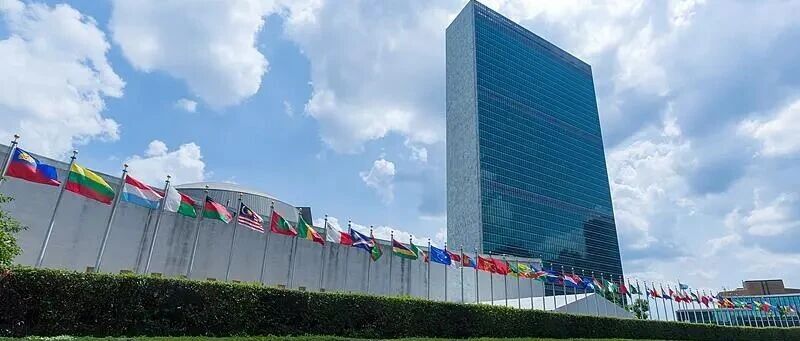
Core Points - Jordan's Deputy Prime Minister and Foreign Minister Safadi coordinated with Egyptian Foreign Minister Abdel Aati regarding regional situations and the consolidation of the Gaza ceasefire [1] - Both parties emphasized the need for comprehensive implementation of the Gaza ceasefire agreement to ensure timely and sufficient humanitarian aid, and to accelerate the political process based on the "two-state solution" for achieving just and lasting peace [1] - Discussions included the exchange of views on a UN Security Council resolution draft related to Gaza, highlighting that the resolution should help consolidate the ceasefire, support international peacekeeping forces, and promote the establishment of a Palestinian state based on the 1967 borders with East Jerusalem as its capital [1] - The two foreign ministers also discussed preparations for an international conference on the early recovery and reconstruction of Gaza, calling for increased regional and international support to alleviate humanitarian pressures on the Palestinian people [1] - Both parties agreed to maintain close communication and coordination [1]
讨论向乌提供援助,协调加沙问题立场,G7外长在加拿大开两天会
Huan Qiu Shi Bao· 2025-11-12 23:05
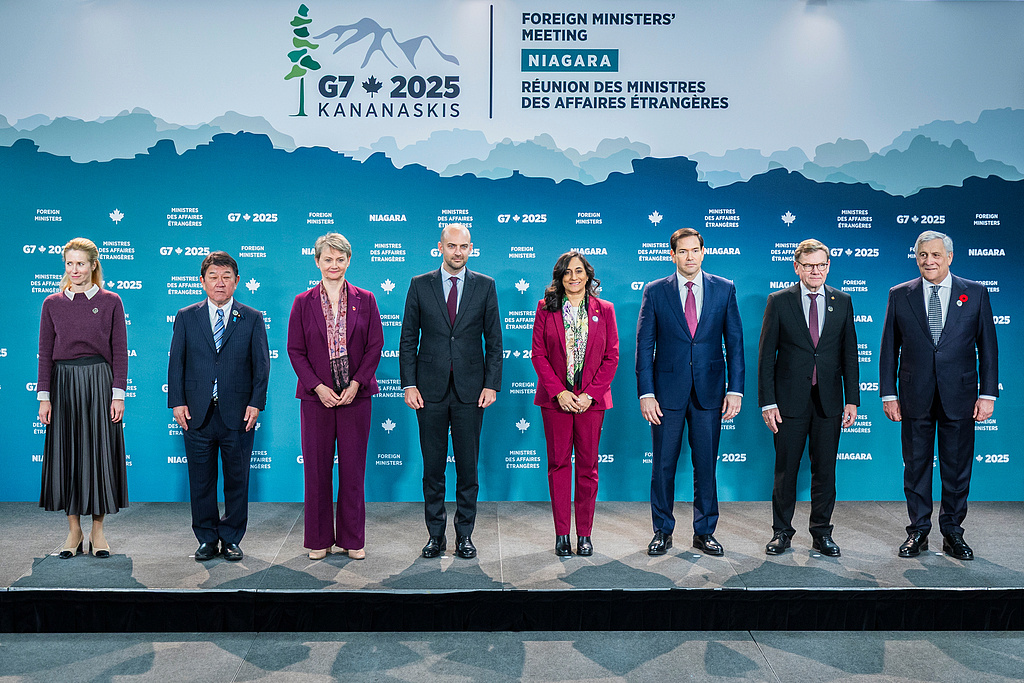
Group 1 - The G7 foreign ministers' meeting in Canada focuses on the Russia-Ukraine conflict, Middle East issues, and critical mineral supply chains [1][3] - Canadian Foreign Minister Anita Anand emphasizes the need for discussions on achieving lasting peace in Ukraine and the Middle East, with a focus on energy infrastructure and humanitarian support as winter approaches [3][4] - The UK plans to provide £13 million to Ukraine for repairing energy infrastructure, highlighting the urgency of support as Russian attacks increase [4] Group 2 - The G7 foreign ministers will discuss the implications of U.S. sanctions on Russian oil companies, aiming to economically pressure Russia into accepting peace agreements [4][5] - There are ongoing discussions about defense spending among G7 members, with the U.S. urging allies to allocate 5% of GDP to defense, leading to disagreements among member countries [5][6] - The meeting is overshadowed by former President Trump's skepticism towards multilateral cooperation, affecting the dynamics of the discussions [6]
土耳其外长:应为加沙治理明确法律与政治框架
Yang Shi Xin Wen· 2025-11-12 17:39
Core Points - Turkish Foreign Minister Hakan Fidan emphasized the need for a clear legal and political framework for the "Palestinian Committee" and "Peace Council" responsible for Gaza management, as well as the scope of the "stabilization forces" [1] - Fidan stated that Gaza should be treated as part of Palestine and confirmed Turkey's participation in the upcoming "Gaza Conference" hosted by Egypt, along with ongoing support for temporary resettlement and reconstruction efforts [1] - Fidan noted that Hamas has shown willingness to facilitate a permanent ceasefire, and Israel should reciprocate with corresponding actions [1] - Egyptian Foreign Minister Sameh Shoukry indicated that Egypt and Turkey agree to coordinate actions for implementing the Gaza ceasefire and advancing the "second phase" [1] Summary by Categories Political Developments - The push for a UN Security Council resolution regarding administrative and security arrangements in Gaza is underway, with emphasis on defining the roles of the "Palestinian Committee" and "Peace Council" [1] - The need for clarity on the tasks of "stabilization forces" was highlighted [1] Humanitarian Efforts - A ship carrying approximately 810 tons of humanitarian supplies has departed from Mersin Port to El Arish, indicating ongoing humanitarian support efforts [1] - Turkey's commitment to support temporary resettlement and reconstruction in Gaza was reiterated [1] Ceasefire Negotiations - Both Turkey and Egypt are working towards executing a ceasefire in Gaza, with a focus on advancing to the next phase of coordination [1] - The willingness of Hamas to promote a permanent ceasefire was acknowledged, with a call for Israel to take corresponding measures [1]
以色列与美国就加沙停火第二阶段进行磋商
Zhong Guo Xin Wen Wang· 2025-11-11 06:17
Group 1 - The core discussion between Israeli Prime Minister Netanyahu and US President Trump's son-in-law Kushner focused on the second phase of the Gaza ceasefire, including the disarmament of Hamas and the demilitarization of the Gaza Strip [1][2] - The negotiations also addressed the fate of 100 to 200 Hamas militants currently hiding in tunnels in Rafah, with the US suggesting safe passage for them in exchange for surrendering their weapons [1] - Hamas has accused Israel of violating the ceasefire agreement since its inception, reporting that Israeli military actions have resulted in 271 Palestinian deaths, with over 90% being civilians, and 622 injuries since October 10 [2] Group 2 - Netanyahu emphasized Israel's determination to enforce the ceasefire agreement with a strong approach, aiming to recover the remains of four abducted individuals and asserting that Hamas will ultimately be disarmed [2] - The Israeli government spokesperson stated that all policy decisions regarding Gaza are made in full consultation with the US government [2] - The ongoing diplomatic pressure from the US is seen as a contributing factor to the release of other abducted individuals, according to Netanyahu [2]
土耳其、阿联酋、印尼、卡塔尔、巴基斯坦、沙特和约旦:一致同意维护加沙停火协议
财联社· 2025-11-04 03:20
Core Viewpoint - The ministerial meeting on the Gaza issue held in Istanbul aimed to discuss ceasefire enforcement, humanitarian aid, and post-war security and governance arrangements, emphasizing the need for a clear signal against any actions that undermine the ceasefire [1] Group 1 - The meeting was hosted by Turkish Foreign Minister Hakan Fidan and included representatives from the UAE, Indonesia, Qatar, Pakistan, Saudi Arabia, and Jordan [1] - The discussions were conducted behind closed doors, indicating the sensitivity and importance of the topics addressed [1] - Fidan stated that the gathering of seven nations was intended to convey a strong message that any actions disrupting the ceasefire should not be tolerated, aiming to create conditions conducive to peace in Gaza [1]
银河期货航运日报-20251022
Yin He Qi Huo· 2025-10-22 10:29
Report Industry Investment Rating No relevant content provided. Core Viewpoints of the Report - Due to the high spot quotes and optimistic expectations for future Sino-US negotiations, the EC futures market maintains high-level volatility. The EC2512 contract closed at 1788.3 points on October 22, up 1.07% from the previous day. The latest SCFIS European Line index exceeded market expectations, leading to an upward correction of the EC2510 contract's discount [6]. - The spread between mainstream shipping companies in spot freight rates has widened again. Considering the good long - term cargo receiving situation of shipping companies, the fundamentals are expected to gradually improve. The spot freight rate is expected to continue to rise in November. The demand side shows a seasonal decline in cargo volume, which is expected to improve in November - December. The supply side has changes in shipping capacity arrangements, and the Sino - US ship sanctions and the Middle East geopolitical situation bring risks and uncertainties [7]. - The recommended trading strategies are to continue holding long positions in EC2512 and to take profits on the 2 - 4 positive spread arbitrage at high levels [8][9]. Summary by Directory Market Analysis and Strategy Recommendation Market Analysis - **Futures Market**: On October 22, different EC futures contracts showed various price changes. For example, EC2512 rose 1.07% to 1788.3 points, and EC2606 fell 0.57% to 1353.3 points. The trading volume and open interest of each contract also changed to different degrees [5]. - **Spot Market**: The SCFI European Line reported 1145 USD/TEU on October 17, up 7.2% month - on - month. The latest SCFIS European Line reported 1140.38 points, up 10.5% month - on - month. Different shipping routes' freight rates showed various changes, with some rising significantly and some falling slightly [5][6]. - **Fundamentals**: The spread between shipping companies in spot freight rates widened. Some shipping companies had lower SPOT prices due to cargo - booking pressure. In November, shipping companies' price increases are expected to continue. The demand side's cargo volume is in a seasonal decline but is expected to improve later. The supply side has shipping capacity adjustments, and the Sino - US ship sanctions and the Middle East geopolitical situation bring risks [7]. Strategy Recommendation - **Single - side Trading**: Continue to hold long positions in EC2512, and pay attention to the implementation of the first - stage cease - fire in the Israel - Palestine conflict, the second - stage negotiation, and the shipping companies' resumption expectations [8]. - **Arbitrage**: Take profits on the 2 - 4 positive spread arbitrage at high levels [9]. Industry News - Trump said he would visit China early next year, and the Ministry of Foreign Affairs responded [10]. - On October 20, 2025, Trump made a series of statements on Sino - US trade during a meeting with the Australian Prime Minister, including tariff threats and trade agreements [10]. - On October 22, US Vice - President Vance expressed optimism about the Gaza cease - fire agreement and emphasized the need for continuous monitoring. US Secretary of State Rubio plans to visit Israel to promote the implementation of the agreement [11]. - On October 21, US Vice - President Vance arrived in Israel to assist in promoting the second stage of the Gaza cease - fire plan [11].
南欧9国呼吁确保人道主义援助进入加沙不受阻
Ren Min Ri Bao· 2025-10-21 21:52
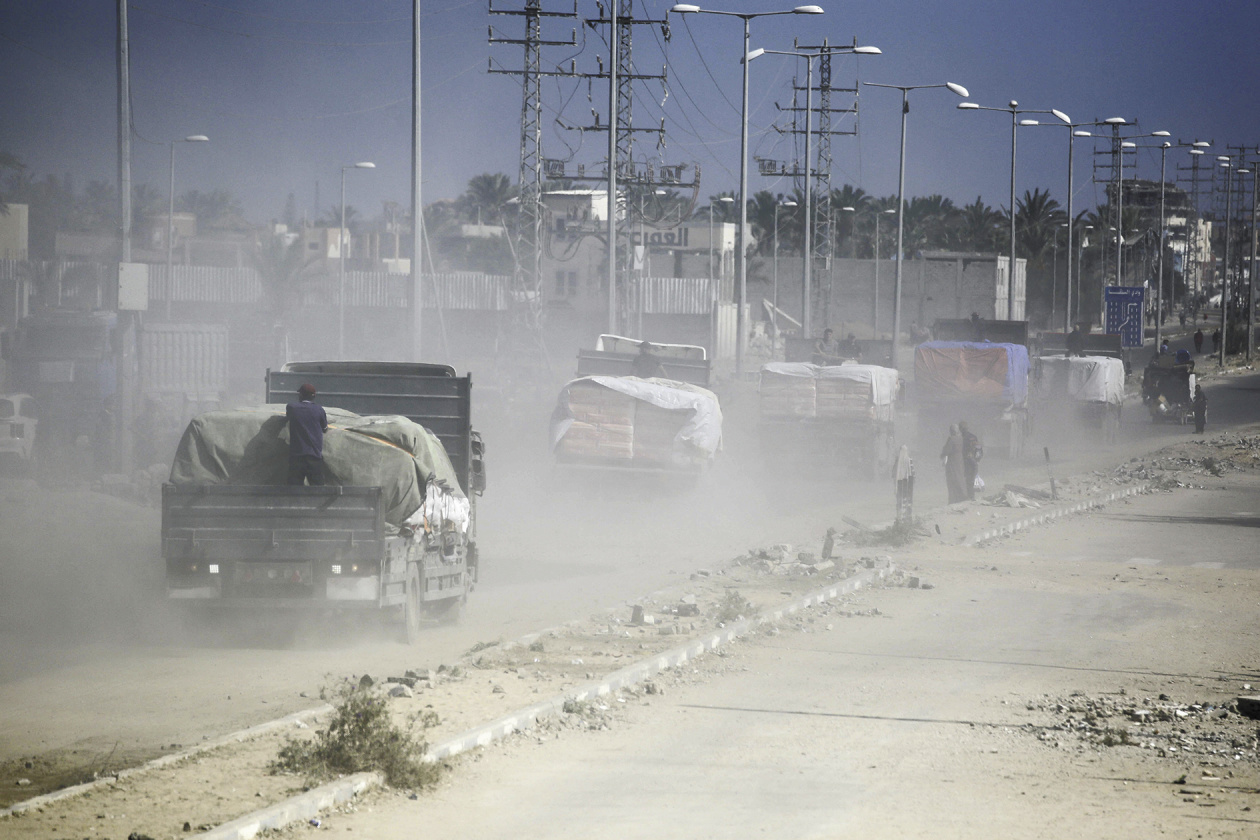
Group 1 - The Mediterranean EU countries' leaders' meeting held in Slovenia called for unhindered humanitarian aid to Gaza and urged the international community to strive for lasting peace in the Middle East [1] - Leaders from nine Southern European countries, including France, Italy, and Spain, attended the summit, which focused on enhancing European competitiveness and the situation in the Middle East [1] - Slovenia's Prime Minister Golob expressed the need for the humanitarian aid plan to be fully implemented and emphasized the importance of reopening the Rafah crossing for aid delivery to Gaza [1] Group 2 - The first phase of the Gaza ceasefire agreement took effect on October 10, involving a ceasefire between Israel and Hamas, the exchange of captives, and the entry of humanitarian aid into Gaza [2] - Israel's government has indefinitely postponed the opening of the Rafah crossing, citing Hamas's failure to timely hand over all bodies of Israeli captives as the reason [2]
“20点计划”不易落实,以色列尚未完全撤军,加沙停火遭遇“哈马斯解除武装”难题
Huan Qiu Shi Bao· 2025-10-15 23:00
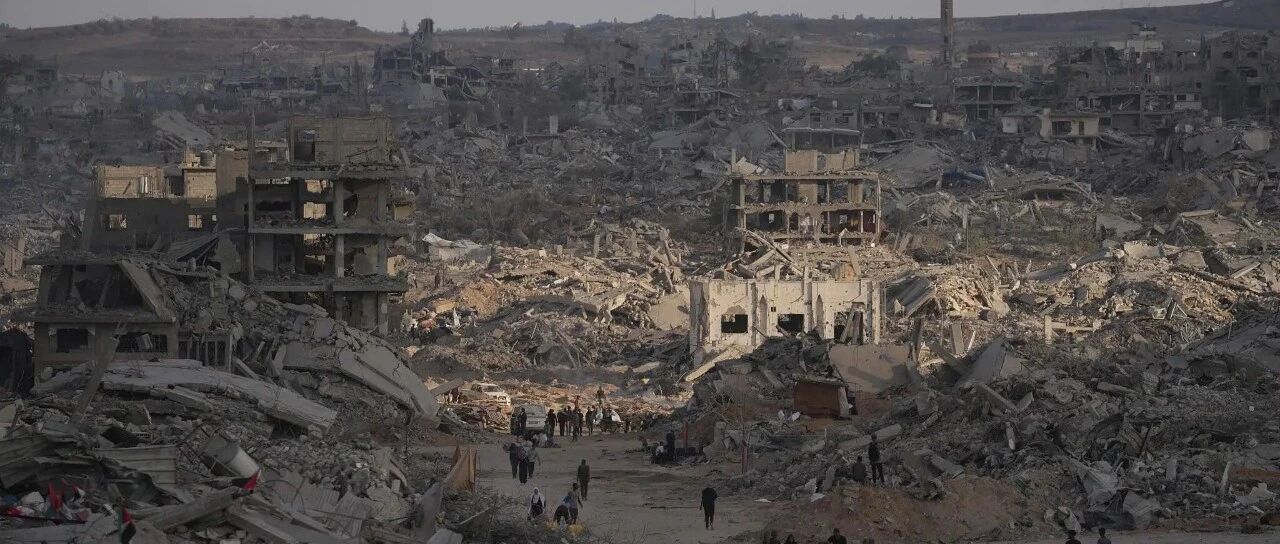
Core Points - The effectiveness of the Gaza ceasefire agreement is questioned, with key issues such as Hamas disarmament and governance of Gaza still unresolved [1][5] - Israeli Prime Minister Netanyahu warns of collapse if Hamas does not disarm, while President Trump threatens military action if disarmament is not achieved [1][5] - The fragile ceasefire is maintained despite ongoing tensions and accusations between Israel and Hamas regarding the exchange of bodies of deceased individuals [3][4] Summary by Sections Ceasefire Agreement - The ceasefire agreement's implementation faces significant challenges, particularly regarding Hamas's disarmament and the timeline for Israeli withdrawal [5][6] - The first phase of the ceasefire, effective from September 9, requires the exchange of all detained individuals, with Hamas having transferred only a portion of the bodies [3][6] Humanitarian Aid and Conditions - Humanitarian aid to Gaza is uncertain, with conflicting reports about the opening of the Rafah crossing, which is crucial for aid delivery [4][6] - The World Food Program reports that 137 trucks carrying aid have entered Gaza, sufficient for basic needs for at least three months [8] Reconstruction Challenges - The reconstruction of Gaza is complicated by extensive damage, with 78% of approximately 250,000 buildings affected, leaving around 2.1 million people displaced [8] - Despite U.S. promises to "rebuild and revitalize" Gaza, there are no concrete details on how this will be achieved, raising doubts about the effectiveness of proposed plans [8]