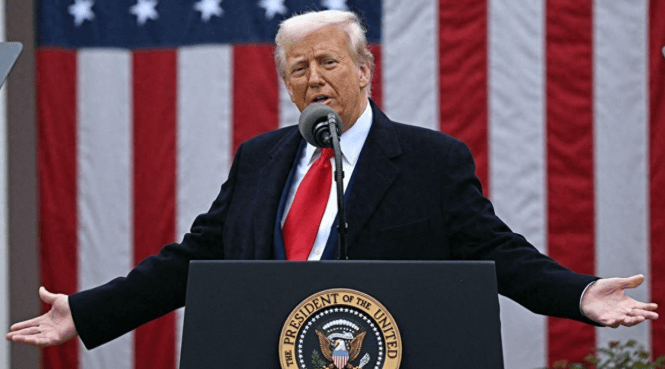
单边霸权

Search documents
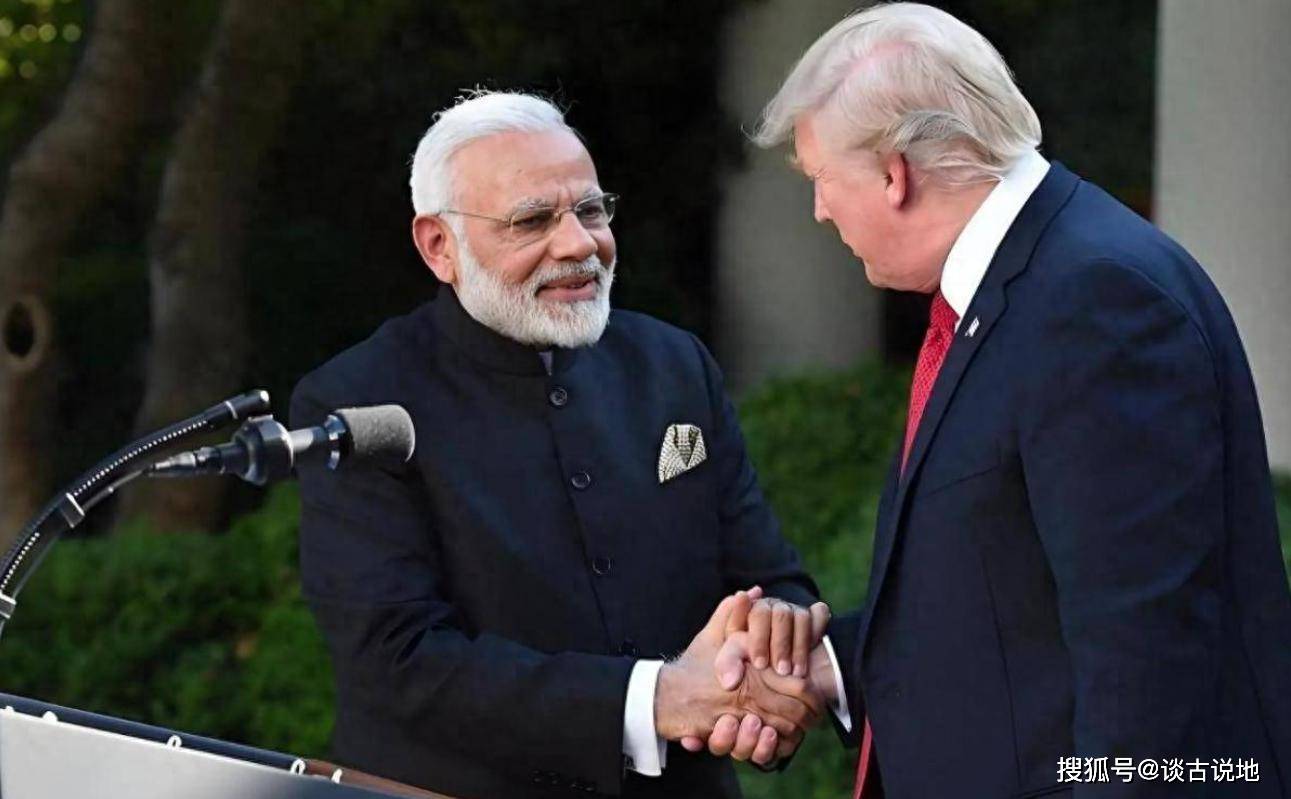
美印谈崩了,印度划下两条“红线”,莫迪前往金砖峰会寻求支持
Sou Hu Cai Jing· 2025-07-07 02:28
Group 1 - The core issue in the US-India trade negotiations is the unreasonable demands from the US, which include imposing tariffs on Indian automotive parts, steel, textiles, and requiring India to open its market to US products with zero tariffs [3] - India's manufacturing sector, which heavily relies on labor-intensive exports like textiles and footwear, is already struggling, with its contribution to GDP falling to 14.7%, the lowest since 1968 [3] - Agriculture and dairy products are critical sectors for India, accounting for 16% of GDP, and the Indian government has made it clear that zero tariffs on these products is a non-negotiable point in the trade talks [3][5] Group 2 - In response to US pressure, India has announced retaliatory tariffs and has filed a complaint with the WTO, positioning its actions as a compliant countermeasure [5] - Indian Prime Minister Modi is actively seeking support from BRICS nations, emphasizing the importance of this group in counterbalancing US unilateralism and advocating for a multipolar world order [5][6] - The effectiveness of BRICS in providing sufficient support to India remains uncertain, but India's willingness to stand firm against the US and seek allies marks a significant shift from previous conciliatory approaches [6]

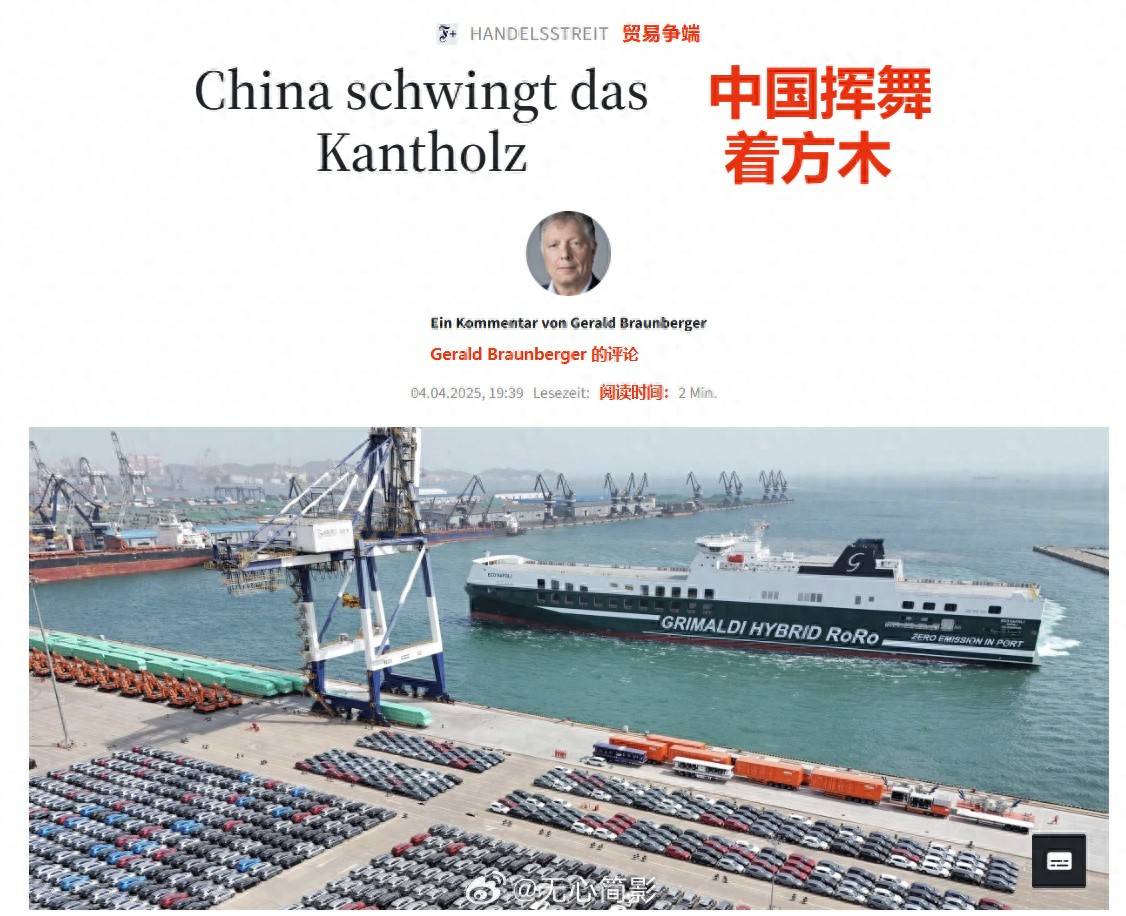
德媒:欧盟真惹不起美国,只有中国这种全方位的强国才配以直报怨
Sou Hu Cai Jing· 2025-05-13 11:30
Core Viewpoint - The article discusses China's response to the U.S. tariffs, highlighting its assertive measures and the implications for global trade dynamics, particularly in relation to the EU's position and strategy [1][3][9]. Group 1: China's Response - China has announced reciprocal measures against the U.S., including imposing similar tariffs on U.S. goods and tightening rare earth export controls [3][6]. - The U.S. administration, led by Trump, reacted by raising tariffs on China to 104%, indicating a willingness to escalate the trade conflict [3][9]. Group 2: EU's Position - The article suggests that the EU faces a dilemma: either retaliate against the U.S. or withdraw from confrontation, with the latter being a more likely option given its weakened state [6][9]. - The EU is portrayed as lacking the military and political strength to confront the U.S. effectively, which may lead to it being sidelined in global power dynamics [7][9]. Group 3: Global Power Dynamics - The commentary emphasizes that only a strong nation, specifically referring to China, has the capability to stand up to the U.S. in this trade conflict [6][14]. - The article critiques the EU's potential response as inadequate, suggesting that symbolic measures against the U.S. may be the only feasible approach without escalating tensions [9][10].
美国人心服口服,特朗普终于“认输”,中方大人物赴美,事情不简单
Sou Hu Cai Jing· 2025-05-07 15:22
Group 1 - The core viewpoint of the articles indicates that the ongoing trade tensions between the US and China are becoming increasingly untenable, with expectations of a de-escalation in the near future as both sides express willingness to negotiate [1][3][5] - US Treasury Secretary acknowledged the difficulties of the current tariff standoff and anticipated a period of easing tensions, which aligns with President Trump's recent signals to cool down the situation [1][3] - The Chinese government, represented by its finance minister, emphasized the importance of equal dialogue and negotiation to resolve trade disputes, countering the US's unilateral tariff actions [3][5] Group 2 - The articles highlight that the US's aggressive tariff policies have not only harmed its own economy but have also led to a backlash from traditional allies, who are now opposing US's unilateralism [5][7] - Data shows that China's total foreign trade continues to rise, while its trade share with the US is gradually declining, indicating a reduced dependency on the US and a strengthening of China's economic resilience [5][7] - The call for multilateralism and cooperation among nations at recent meetings underscores a collective push against US's trade practices, with a focus on maintaining a rules-based international trading system [7]
美国代表无理指责中国,傅聪大使回应太犀利!安理会爆发激烈争吵!
Sou Hu Cai Jing· 2025-05-02 07:39
Core Viewpoint - The meeting held by China at the UN aimed to address the impacts of unilateralism and bullying on international relations, with a focus on criticizing the United States' recent tariff policies [1][3][6]. Group 1: Meeting Overview - The meeting was conducted in the "Arria Formula" format, allowing for informal discussions among UN member states, with over 80 countries represented, setting a new record for participation [5]. - The meeting highlighted the ongoing geopolitical tensions between China and the US, with both sides exchanging strong criticisms [3][6]. Group 2: China's Position - China's UN representative, Fu Cong, emphasized the need for countries to work together to counter unilateralism and uphold the international order based on international law [3][6]. - Fu criticized the US for its tariff policies, claiming they violate WTO rules and disrupt global economic stability [3][6]. Group 3: US Response - The US representative, Wu Ting, attempted to defend US actions by listing accusations against China, including its trade policies and international security threats, but faced skepticism from most attending countries [3][6]. Group 4: Global Economic Context - Recent reports from the International Monetary Fund and the UN Conference on Trade and Development indicate a downward revision of global economic growth forecasts for 2025, reflecting a potential economic downturn affecting all countries [8].
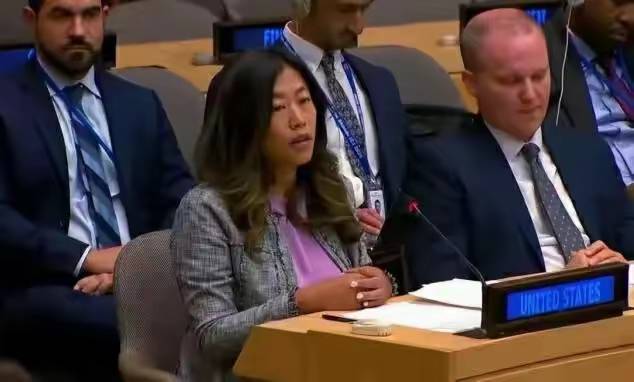
联合国震撼一幕上演!中国帮各国出了口恶气,美国“惨败而归”
Sou Hu Cai Jing· 2025-04-30 22:57
Group 1 - The Trump administration is considering a tiered approach to tariffs on Chinese goods, proposing a 35% tariff on non-security threat items and at least a 100% tariff on strategically significant items, to be implemented over five years [1] - Discussions are ongoing, and Trump has not made a final decision, with potential reductions of tariffs on Chinese imports being considered, possibly down to 50% to 65% [1] - The motivations behind these tariff considerations include signaling positive economic prospects to the U.S. stock market, pressuring other countries for concessions, and maintaining Trump's public image of success [1] Group 2 - China's response to U.S. threats emphasizes the need for dialogue based on equality and respect, criticizing the U.S. for its unilateral pressure tactics [3] - The global trade tensions have escalated since Trump's announcement of "reciprocal tariffs," leading to significant declines in global stock markets [3] - Former Greek Finance Minister Yanis Varoufakis warns that the U.S. strategy is aimed at maintaining its global dominance, and the shift in policy will only occur when the costs to the U.S. ruling class become unbearable [3] Group 3 - At a UN meeting, China strongly refuted U.S. accusations of unilateralism and proposed constructive solutions to global issues, advocating for true multilateralism [5] - China has initiated the "Global Development Initiative Friends Group," which aims to reduce the gap between rich and poor countries, with over 100 nations already participating [5] - The emphasis is on cooperation and dialogue rather than confrontation, highlighting China's role as a builder of peace and contributor to global development [7]