
国际经贸规则

Search documents
以竞争政策重塑中国市场经济新优势——兼论高水平对接国际经贸规则的中国方案
Zheng Quan Shi Bao· 2025-09-05 04:50
Group 1 - During the "14th Five-Year Plan" period, China established a competitive policy framework, transitioning from concept to institutionalization, emphasizing the need for stronger and more effective competition policies in the face of domestic and international challenges [1][2] - The importance of competition policy has been recognized at the highest levels of government, with significant legislative changes such as the 2022 revision of the Anti-Monopoly Law, which included the establishment of a fair competition review system [2][3] - The ongoing reforms in industries with natural monopolies, such as telecommunications and energy, have led to increased competition and market efficiency, with notable achievements like the 90% sharing rate of 5G base stations and the introduction of market-based pricing in the electricity sector [3] Group 2 - The phenomenon of "involution" in competition has emerged, characterized by insufficient competitive space and excessive subsidies, particularly in the solar and electric vehicle sectors, leading to unsustainable business practices [5][6] - The misalignment between industrial policy and competition policy has resulted in a proliferation of similar AI models and price wars, with government subsidies causing resource misallocation and inefficiencies in the market [6][7] - International trade rules, such as the EU's Foreign Subsidies Regulation and the US Inflation Reduction Act, pose significant challenges for Chinese companies, requiring them to adapt to stringent compliance measures and competitive pressures [8] Group 3 - The "15th Five-Year Plan" aims to elevate competition policy to a central role in macroeconomic governance, ensuring that it is integrated with other policies such as industrial, fiscal, and trade policies [9][10] - A robust legal framework for competition policy is essential to foster innovation and market efficiency, with recommendations for impact assessments and long-term accountability for government projects [11][12] - High-level alignment with international trade rules, such as the CPTPP, is crucial for China to enhance its competitive position globally, necessitating a deeper understanding of the underlying principles and values of these agreements [13][14]
以竞争政策重塑中国市场经济新优势——兼论高水平对接国际经贸规则的中国方案
证券时报· 2025-09-05 04:22
Group 1 - The article emphasizes the transition of China's competition policy from a basic framework to a more robust governance tool during the "14th Five-Year Plan" period, highlighting the need for a shift from merely having competition policies to ensuring their strength and effectiveness [1][2][3]. - It outlines the systematic integration of the legal framework for competition policy, noting significant developments such as the first revision of the Anti-Monopoly Law in 2022, which included the establishment of a fair competition review system [3][4]. - The article discusses the ongoing reforms in industries with natural monopoly characteristics, such as telecommunications and energy, showcasing specific achievements like the 90% sharing rate of 5G base stations and the introduction of market mechanisms in electricity pricing [4][5]. Group 2 - The article identifies the challenges of "involutionary" competition, where excessive competition leads to price drops and reduced profitability, particularly in sectors like solar energy and new energy vehicles, where government subsidies have distorted market dynamics [6][7]. - It highlights the misalignment between industrial policies and competition policies, particularly in the AI sector, where aggressive subsidies have led to market saturation and reduced R&D investment among companies [8][9]. - The article warns of the implications of international trade rules, such as the EU's Foreign Subsidies Regulation and the US Inflation Reduction Act, which pose challenges for Chinese companies seeking to compete globally [9][10]. Group 3 - The article outlines the vision for the "15th Five-Year Plan," advocating for a stronger foundational role for competition policy in economic governance, emphasizing the need for coordination between competition and industrial policies [10][11]. - It suggests enhancing the implementation framework for competition policy, including mandatory competition impact assessments for industrial planning and fiscal policies [12][13]. - The article calls for a robust legal framework to support competition principles, particularly in emerging sectors like digital economy and AI, to ensure fair competition and innovation [14][15]. Group 4 - The article stresses the importance of aligning with high-standard international trade rules, such as the CPTPP, to enhance China's competitive position in the global market [15][16]. - It concludes that the focus of competition policy should shift from merely preventing monopolies to fostering a competitive environment that encourages innovation and sustainable growth [16].


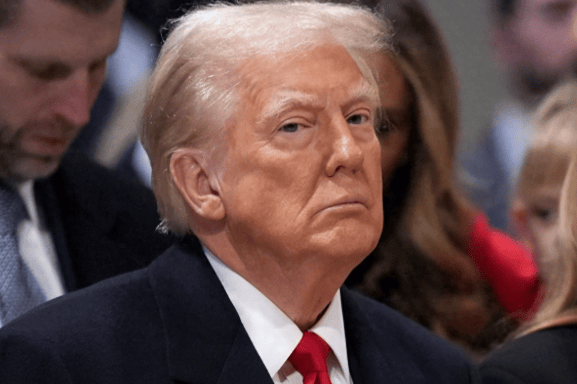
美国被拿捏,特朗普放低姿态,石破茂一步不让,不出意外又谈崩了
Sou Hu Cai Jing· 2025-06-09 04:27
Group 1 - The core focus of the US-Japan tariff negotiations is the trade deficit, with Japan's strong stance against making unprincipled concessions to the US [1] - Japan holds significant leverage in the negotiations due to its substantial holdings of US Treasury bonds, which could impact the US economy if sold off [1] - Japan's proposal includes a comprehensive cooperation plan targeting China in key areas such as rare earths, semiconductors, and liquefied natural gas [3][5] Group 2 - Japan aims to reduce the trade deficit with the US while aligning with US efforts to counter China's technological advancements [3] - The internal divisions within the US negotiation team complicate the discussions, with differing views among key officials [5] - The historical context of US-Japan relations shows a shift from a subordinate relationship to a more balanced negotiation dynamic, with Japan leveraging its economic position [8]
李成钢国际贸易谈判代表兼副部长出席中国与《数字经济伙伴关系协定》成员部级会议
news flash· 2025-05-16 02:27
Core Viewpoint - China is actively participating in the Digital Economy Partnership Agreement (DEPA) and has made significant progress in negotiations, showcasing its commitment to high-standard international trade rules and enhancing market opportunities for businesses [1] Group 1: China's Participation in DEPA - China has been in continuous communication with DEPA member countries since joining the working group, demonstrating its determination and capability to meet the high standards of the agreement [1] - The participation in DEPA is expected to provide more market opportunities for enterprises and contribute positively to the long-term development of international digital economy rules [1] Group 2: Progress and Collaboration - DEPA members have positively evaluated the progress made by China in the working group, noting that the ongoing work has deepened mutual understanding of digital governance systems and practices [1] - There is a collective willingness among DEPA members to work with China to advance negotiations and achieve substantial progress at various levels [1]