
境内关外

Search documents
【财经观察】明日全岛封关,海南成对外开放新前沿
Huan Qiu Wang· 2025-12-16 22:51
【环球时报赴海南特派记者 陈子帅 丁雅栀 张蔚蓝 张舒雅】12月17日,距离海南自贸港全岛封关运作仅 剩最后24小时,琼岛大地处处洋溢着开放的气息。街头巷尾的"封关倒计时"标语、商场电子屏滚动的政 策解读、路灯杆上悬挂的"一线放开、二线管住、岛内自由"彩旗,无不昭示着这场历史性时刻的临近。 这种"无感通关"正是海南"一线放开"政策的生动实践——对于不实行许可证件管理、不需要依法实施检 验检疫的保税货物、"零关税"货物,可选择适用径予放行。随着封关落地,"零关税"商品范围扩大至约 6600个税目,覆盖74%的全部商品税目,岛内享惠主体间的"零关税"货物流通免于补缴进口税收,彻底 激活了贸易自由化活力。 "二线"管住:美兰机场的"智慧通关" 洋浦港的"一线放开"以高效流通诠释了海南的开放力度,海口美兰国际机场的"二线管住"则体现了精准 的监管。这里的"二线"特指海南与内地之间的管控防线,核心是在保障国家贸易管制政策统一的前提 下,实现高效便捷流通,三类货物是监管重点:"零关税"商品、加工增值30%免关税货物及"一线"放宽 管制的货物。 在美兰国际机场的装货区,《环球时报》记者现场看到,工作人员手持小巧的PDA仪器 ...
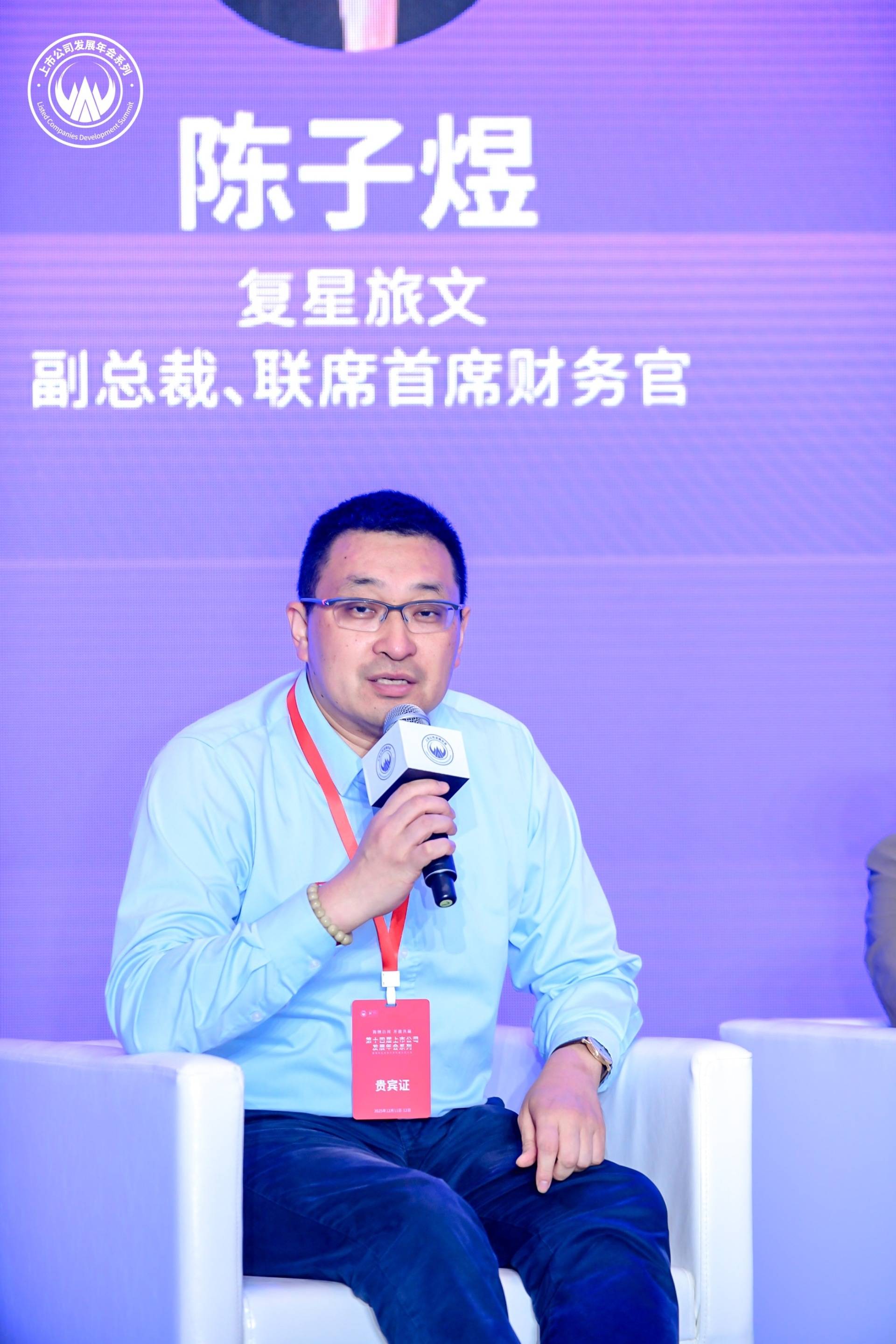
告别“过境打卡” 拥抱“目的地消费” 海南封关将如何重塑文旅生态?每经专访复星旅文副总裁陈子煜
Mei Ri Jing Ji Xin Wen· 2025-12-14 04:15
Core Insights - The upcoming full closure of Hainan Island on December 18 is viewed as a transformative opportunity for the tourism and cultural industry, signaling structural growth in international visitor traffic and an upgrade in consumption scenarios [1][4] - The true value of the closure lies in its uniqueness and primacy, which should be leveraged by companies to enhance consumer experiences rather than merely focusing on cost advantages [4][5] Policy Benefits - The closure will lead to an upgrade in consumption scenarios, moving beyond simple tax benefits to creating high-quality, distinctive consumer experiences [5][6] - Enhanced personnel flow will result from increased convenience in crossing borders, attracting more international travelers to Hainan [5][6] New Business Models - The closure will foster new tourism consumption models, such as health-focused rejuvenation vacations and immersive themed entertainment resorts, integrating cultural elements and unique experiences [6][7] - Companies should focus on creating unique and high-quality products to establish competitive advantages, particularly in the context of increasing international visitor numbers [7][8] Market Dynamics - The current trend of asset mergers and acquisitions in the tourism industry is indicative of a shift towards professional operational integration rather than mere opportunistic buying [9][10] - The competition is shifting from price wars to enhancing product quality and unique experiences, emphasizing the importance of operational capabilities and content creation [10][11] Destination Development - The concept of transforming vacation hotels into comprehensive vacation zones is gaining traction, with a focus on creating unique themes and experiences tailored to specific target audiences [11][12] - Successful replication of destination models requires innovation and adaptation to local resources, rather than mere imitation of existing concepts [11][12]

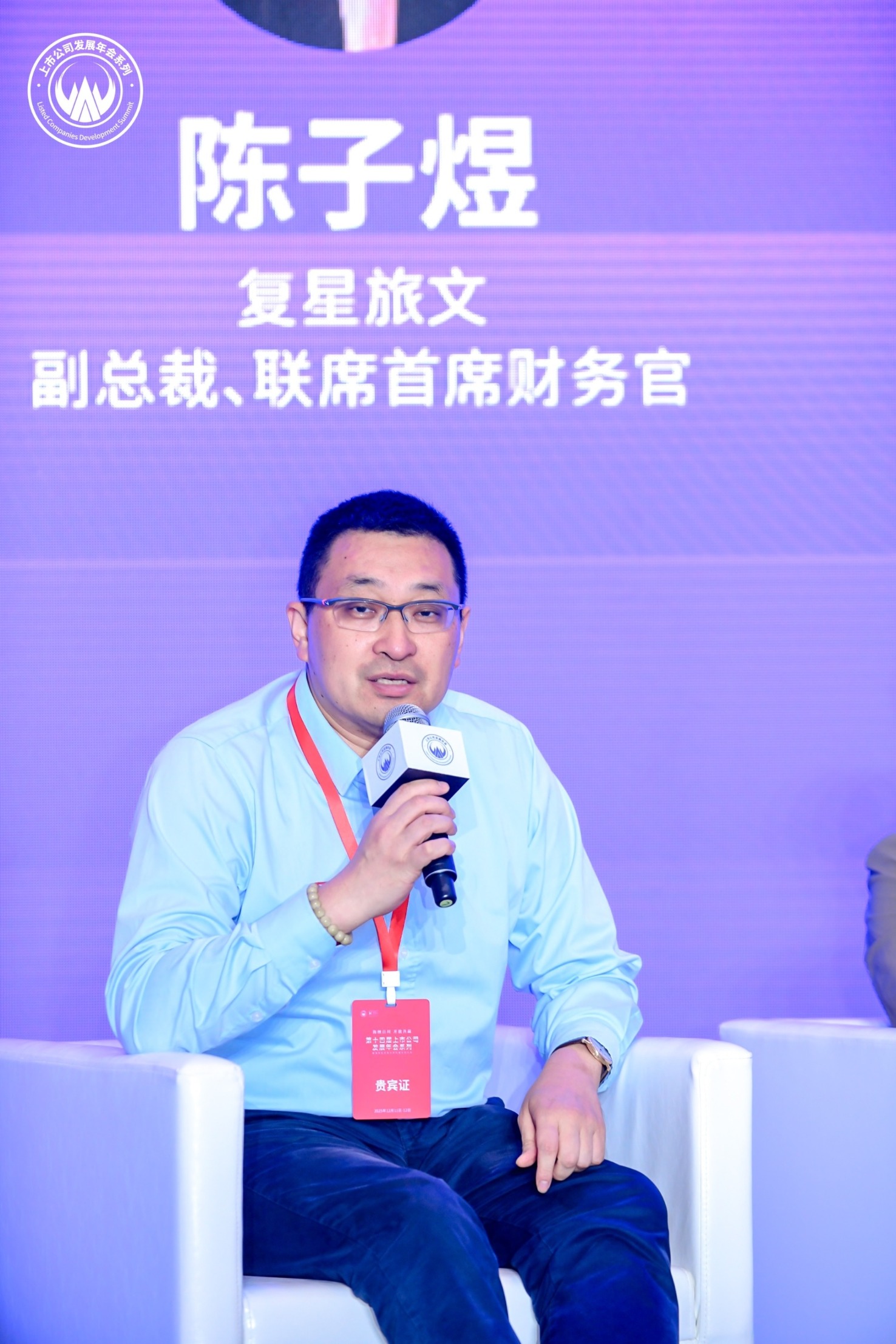
告别“过境打卡”,拥抱“目的地消费”,海南封关将如何重塑文旅生态?每经专访复星旅文副总裁陈子煜
Sou Hu Cai Jing· 2025-12-14 04:10
Core Insights - The upcoming closure of Hainan Island, set to be implemented on December 18, is viewed as a transformative opportunity for the tourism and cultural industry, signaling structural growth in international visitor traffic and an upgrade in consumption scenarios [1][6] - The true value of the Hainan policy lies in its uniqueness and primacy, which should be leveraged by companies to enhance consumer experiences rather than merely focusing on cost advantages [6][7] Group 1: Policy Benefits - The closure will lead to an upgrade in consumption scenarios, transforming tax benefits and logistical conveniences into high-quality, distinctive consumer experiences [6][7] - Enhanced personnel flow will result from increased ease of crossing borders, attracting more international travelers to Hainan, as evidenced by full flights to Haikou and Sanya with a significant proportion of non-Chinese passengers [6][7] Group 2: New Business Models - The "inside the border, outside the customs" characteristic post-closure will foster new tourism consumption models, such as health-focused resorts and immersive theme entertainment villages, integrating luxury retail, fine dining, and cultural experiences [8][9] - Companies should focus on creating unique and high-quality products that form a competitive moat, while international brands can leverage their global membership systems and service standards to cater to the increasing high-spending international clientele [9][10] Group 3: Market Dynamics - The current trend of frequent asset mergers and acquisitions in the tourism industry indicates a shift towards professional operational integration rather than mere opportunistic buying [12] - The essence of revitalizing existing assets lies in enhancing product quality and operational capabilities, moving away from price wars to focus on unique content and experiences [13][14] Group 4: Future Trends - The trend is shifting from selecting destination cities to choosing specific resorts or hotels, emphasizing the importance of creating strong thematic IPs and unique experiences that define a destination [15]
海南“封关”进入倒计时,将如何改变你我?专访李世杰
Sou Hu Cai Jing· 2025-11-11 11:51
Core Insights - The implementation of "full island closure" in Hainan Free Trade Port marks a significant shift towards a high-level openness, transforming the island into a customs supervision area where most foreign goods can enter duty-free and circulate freely [3][4]. Policy Design and Structure - The policy design of "one line open, one line manage, and free flow within the island" aims to facilitate the free movement and efficient allocation of global goods and resources within Hainan [4]. - Hainan Free Trade Port differs fundamentally from existing free trade zones, as it encompasses the entire island (33,900 square kilometers) rather than small pilot areas, and focuses on comprehensive openness rather than just internal reform [4]. Industry Transformation - The tourism industry is expected to evolve from mere sightseeing to becoming an "international vacation destination," with duty-free shopping categories expanding to 6,600 items, covering 74% of all customs tax items [5]. - The modern service industry will see internationalization and high-end development, with cross-border finance, international exhibitions, and logistics set to experience significant growth [5][6]. - High-tech industries will benefit from low-cost aggregation due to favorable tax policies, attracting sectors like biomedicine, digital economy, and green technology [6]. Market Opportunities - For businesses, the main attractions include significantly reduced tax costs, improved customs efficiency, and access to a vast market that allows for global procurement and national sales [7]. - Individuals will benefit from enhanced job opportunities and quality of life, with a capped personal income tax rate of 15% and improved international living conditions [7]. Regional Integration - Inland regions can leverage Hainan as a new development hub by establishing a comprehensive logistics network and creating collaborative platforms for bonded goods and industrial synergy [8][9]. - The integration of trade facilitation and regulatory cooperation between Hainan and inland areas can streamline customs processes and enhance cross-border e-commerce [10]. Challenges and Responses - Potential challenges include price fluctuations and intense talent competition, necessitating the establishment of price monitoring mechanisms and optimized talent policies [11]. - Financial risk management is crucial, with a need for a robust regulatory framework to monitor cross-border capital flows and prevent financial crimes [11]. Strategic Role in Global Trade - Hainan Free Trade Port serves as a critical intersection for domestic and international dual circulation, facilitating easier access for global goods and capital into China while enabling domestic products to reach international markets [12]. - The initiative signals China's commitment to high-level openness and provides a model for supply chain optimization and trade facilitation in the Asia-Pacific region and beyond [12].

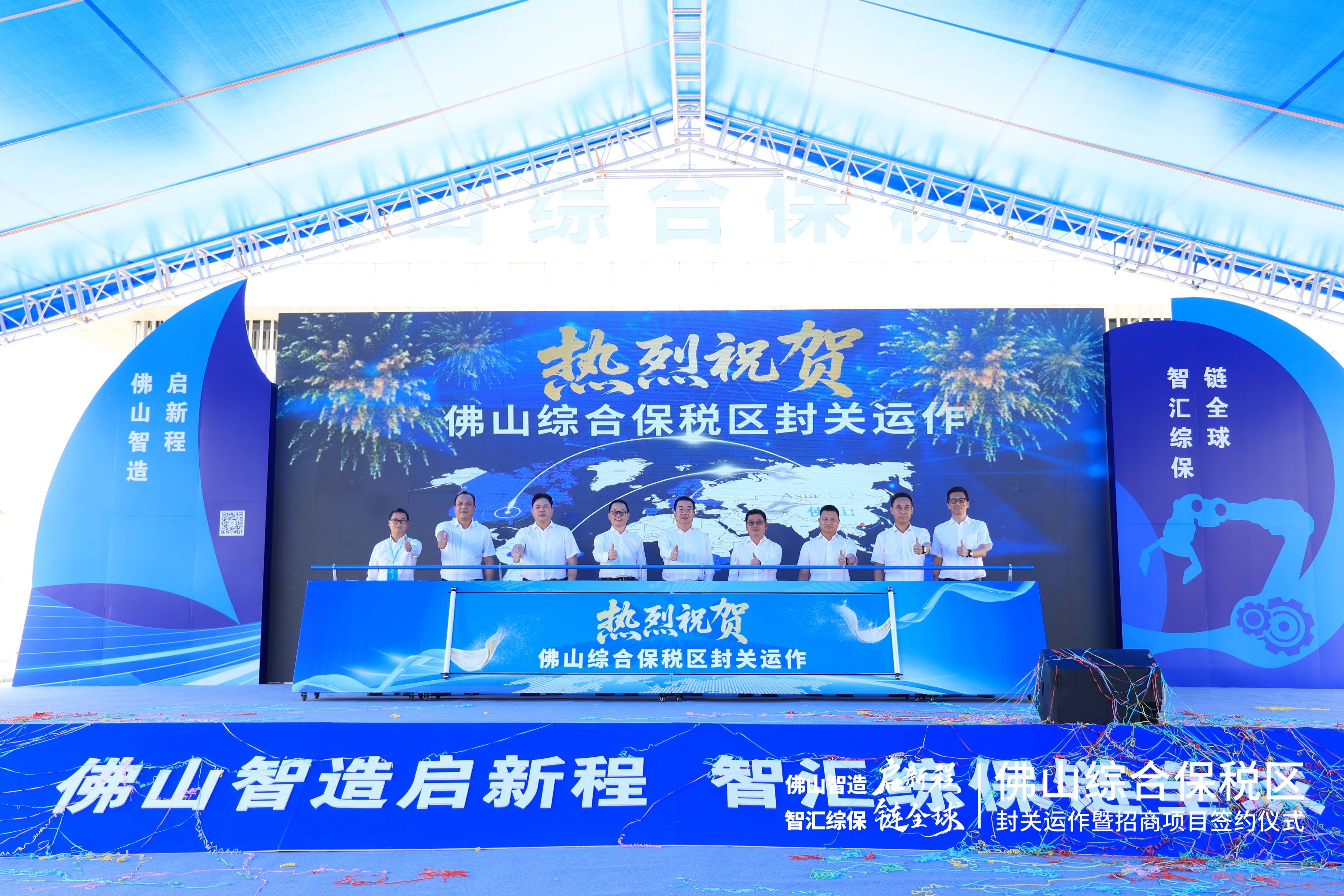
佛山综保区封关运作,将为顺德带来什么?
Sou Hu Cai Jing· 2025-08-27 13:29
Core Viewpoint - The operation of the Foshan Comprehensive Bonded Zone marks a significant step for the Shunde district in achieving its dual goals of becoming a "world-class intelligent manufacturing hub" and a "world-class tourist destination" by enhancing global connectivity [1][4]. Group 1: Operational Highlights - The Foshan Comprehensive Bonded Zone is the first national-level open platform in Foshan, integrating functions of bonded zones, export processing zones, bonded logistics zones, and ports, facilitating international transit, distribution, procurement, re-export trade, and export processing [4]. - The zone's "domestic outside" attribute is expected to provide substantial benefits to Shunde enterprises, particularly in stabilizing the development of key industries such as smart home appliances and high-end equipment [4][7]. - Logistics costs are projected to decrease significantly, with one company estimating annual savings of 50 million yuan due to the policy advantages of the bonded zone [4]. Group 2: Business Development Opportunities - The bonded zone is set to focus on developing ten key sectors, including smart home appliances and high-end equipment, leveraging Foshan's manufacturing base [4][7]. - The logistics cycle for importing raw materials from Southeast Asia has been shortened by 30%, enhancing operational efficiency for businesses in the zone [7]. - The establishment of international bonded warehousing, bonded logistics, and bonded processing platforms is underway, expected to be completed by early next year, promoting a "front store and back warehouse" ecosystem [7][10]. Group 3: Food Industry Expansion - The operation of the bonded zone presents new opportunities for Shunde's culinary sector, addressing challenges such as slow customs clearance and high spoilage rates for imported food ingredients [10]. - Solutions like temperature-controlled storage for perishable goods will extend shelf life and streamline the sales process, reducing operational risks and costs for food businesses [10]. - The zone aims to develop a food processing industry that could create a closed-loop system for global procurement, in-zone processing, and global sales, enhancing the international reach of Shunde's culinary offerings [10].
海南封关倒计时!岛内居民、游客、企业,谁将是最大赢家?
Sou Hu Cai Jing· 2025-07-25 09:23
Core Points - Hainan's customs closure is a significant step in the construction of the Hainan Free Trade Port, aimed at further expanding China's openness [1][12] - The closure will transform Hainan into a "domestic outside" area, allowing for freer movement of goods, capital, and personnel while maintaining some regulatory controls with the mainland [3][5] Summary by Sections Customs Closure Concept - The term "customs closure" refers to establishing Hainan as a unique area with specific rules, allowing for open international trade while regulating connections with the mainland [3][5] - The core principle involves "one line open, two lines controlled, and free movement within the island," facilitating international connections while managing trade with the mainland [3][5] Preparation for Closure - The preparation for Hainan's customs closure began in 2018, with a formal plan announced in June 2020 to initiate operations by 2025 [5][6] - By March 2023, extensive preparations were underway, including 64 tasks, 31 construction projects, and 27 pressure tests [5][6] Benefits for Residents - The customs closure will create a "zero tariff" policy for certain imported goods, turning Hainan into a significant shopping destination for residents [6][7] - Enhanced access to high-quality services in education, healthcare, and tourism will improve the living standards for residents [7][9] Employment Opportunities - The closure is expected to attract businesses, leading to job creation, but will also require residents to enhance their skills to meet new demands [9][10] - Increased business activity will likely boost public service funding, improving overall living conditions [9][10] Tourist Appeal - Hainan's tourism sector will benefit from increased international flights and diverse tourism offerings, enhancing the overall visitor experience [10][11] - Tourists may also enjoy some shopping benefits, although not as extensive as those for residents [10][11] Business Opportunities - The customs closure will significantly reduce import costs for businesses, with a projected increase in zero-tariff items to 74% [11] - A clear regulatory framework will encourage business operations, allowing for greater flexibility and resource allocation [11][12] Overall Impact - Hainan's customs closure represents a transformative milestone, positioning the region as a global trade hub and enhancing China's international trade profile [12] - The initiative is expected to yield tangible benefits for residents, tourists, and businesses, contributing to a more open and competitive economic environment [12]

上海离岸经济功能区:打造全球金融枢纽与人民币国际化窗口
2 1 Shi Ji Jing Ji Bao Dao· 2025-07-23 07:58
Core Viewpoint - The establishment of the Shanghai Offshore Economic Function Zone is a strategic move in response to the profound adjustments in the global financial landscape, aiming to enhance Shanghai's international financial center capabilities and facilitate the internationalization of the Renminbi from "trade settlement" to "reserve currency" [1] Institutional Innovation - The core competitiveness of the Shanghai Offshore Economic Function Zone lies in a regulatory framework that aligns with international practices while incorporating Chinese characteristics, emphasizing "transparent rules + precise regulation" [2] - The zone will implement a "boundary management" approach, allowing foreign capital to flow freely while ensuring that offshore activities do not disrupt the onshore financial system [2] Business Environment Innovation - The average approval time for foreign financial institutions to set up offshore business departments in China is currently 187 days, significantly longer than the 4-week standard in Dubai. The zone aims to reduce this to 30 days through a "commitment system + full-process supervision" [3] - The zone will promote a "multi-currency fund pool + blockchain clearing" model to enhance cross-border settlement efficiency, targeting a significant increase in corporate fund turnover rates by 2025 [3] Tax Policy Design - The zone will adopt a "low tax + strong regulation" policy, proposing a 5% capital gains tax and zero VAT for offshore financial activities, while implementing strict anti-tax avoidance measures [4] - A "tax neutrality + anti-avoidance" mechanism will be established to prevent tax arbitrage and ensure compliance in offshore operations [4] Legal and Regulatory Coordination - A "special legal application zone" will be created to allow international commercial contracts to choose applicable laws, enhancing the legal framework for offshore operations [5][6] - A joint regulatory meeting involving the central bank, foreign exchange bureau, and financial regulatory authorities will oversee offshore financial activities, promoting innovation while managing risks [6] Business Ecosystem - The zone will focus on providing comprehensive services for cross-border trade and investment, particularly for countries involved in the Belt and Road Initiative [7] - The offshore bond market will be a key focus, with targets set for issuance and financing for infrastructure projects by 2026 [8] Internal and External Coordination - The zone will establish a network linking itself with Hong Kong and global nodes, facilitating risk isolation and collaborative value release [12] - A "Shanghai-Hong Kong offshore financial express" mechanism will be implemented to allow for the flow of funds based on real trade backgrounds [13] Risk Prevention - A "prevention-monitoring-disposal" risk control system will be established to mitigate concerns about risk spillover [16] - The zone will implement strict account management to ensure complete separation between offshore and onshore accounts, with rigorous transaction verification processes [17] Ecological Support - The zone will develop a talent system to attract and cultivate international financial professionals, aiming to increase the proportion of foreign talent by 2025 [21] - High-level infrastructure will be enhanced to improve global competitiveness, including the establishment of a global offshore financial data port [22]