年俗文化

Search documents
河北:文化盛宴汇聚浓浓年味
Xin Hua Wang· 2026-02-19 08:12
Group 1 - The article highlights the vibrant festive activities held in Hebei during the Spring Festival, showcasing a transition from traditional celebrations to immersive experiences [2] - Various events such as New Year markets, folk performances, intangible cultural heritage experiences, lantern festivals, and immersive performances were prominently featured [2] - These activities contributed to a lively and engaging atmosphere, marking a significant cultural celebration during the New Year [2] Group 2 - The events reflect a growing trend towards more interactive and engaging cultural experiences in the region [2] - The emphasis on immersive performances indicates a shift in consumer preferences towards more participatory forms of entertainment [2] - The diverse range of activities suggests a strategic effort to attract both local residents and tourists, enhancing the overall festive experience [2]

欢喜中国年|年来米粑香
Xin Lang Cai Jing· 2026-02-18 06:59
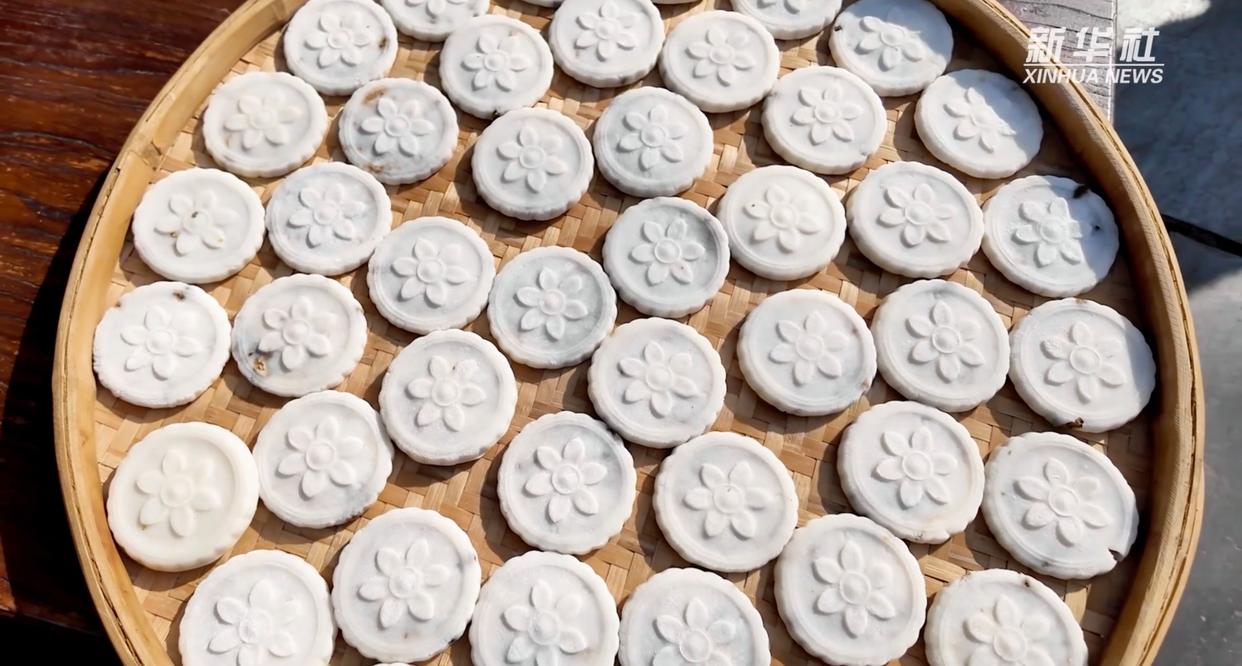
Core Viewpoint - The article highlights the significance of traditional Chinese food during the Spring Festival, emphasizing the cultural and emotional connections associated with these dishes, particularly focusing on the preparation and enjoyment of local delicacies like rice cakes in Tongling, Anhui Province [1]. Group 1: Cultural Significance - "Nianwei" represents a unique sense of happiness and memory for Chinese people during the Spring Festival, encompassing various cultural elements such as red couplets, fireworks, and heartfelt wishes [1]. - The article aims to explore the making process and cultural background of traditional foods like Huai Bei flower cakes, Jiuhua yellow essence cakes, and Tongling rice cakes, enhancing the festive experience [1]. Group 2: Food Preparation - In Tongling, rice cakes are a traditional Spring Festival delicacy made primarily from rice flour, involving steaming and kneading processes, with fillings added before shaping them with patterned molds [1]. - The finished rice cakes can be either pan-fried or steamed, with the fried version being golden and aromatic, while the steamed version is soft and chewy, embodying the "taste of home" [1].
非遗闹春 年味满城
Xin Lang Cai Jing· 2026-02-17 23:50
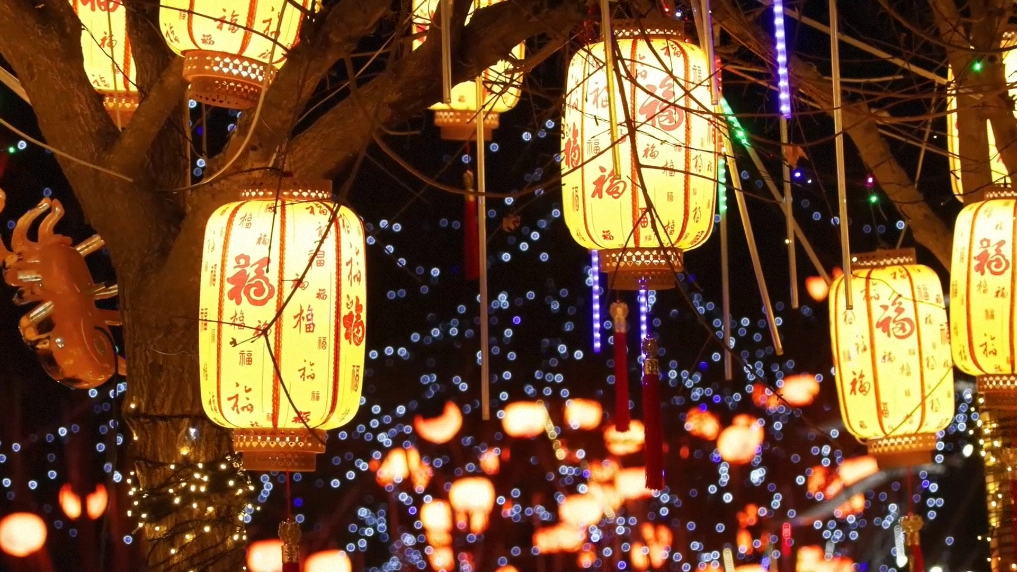
Group 1 - The core theme of the news is the celebration of the Lunar New Year in Putian, which emphasizes local customs and culinary delights, inviting both locals and tourists to participate in the festivities [1][2] - Putian's unique tradition of "Celebrating the New Year" on the fourth day of the Lunar New Year is highlighted, which has historical significance and is rooted in the region's cultural heritage [1] - A series of over 50 traditional cultural activities are planned from the third day of the Lunar New Year to the second day of the second month, showcasing local customs and enhancing the festive atmosphere [2] Group 2 - The local cuisine, including specialties like Putian braised noodles and fresh seafood, is a major attraction for visitors, contributing to the overall festive experience [1][2] - The integration of intangible cultural heritage with local celebrations is emphasized, with various traditional performances and activities designed to engage both residents and tourists [2] - The vibrant atmosphere in Putian is enhanced by decorations, such as red lanterns, and the presence of local vendors selling unique New Year gifts, reflecting the community's festive spirit [1][3]
新华视点丨各地年俗百花齐放 匠心年味温暖神州
Xin Hua Wang· 2026-02-16 09:53
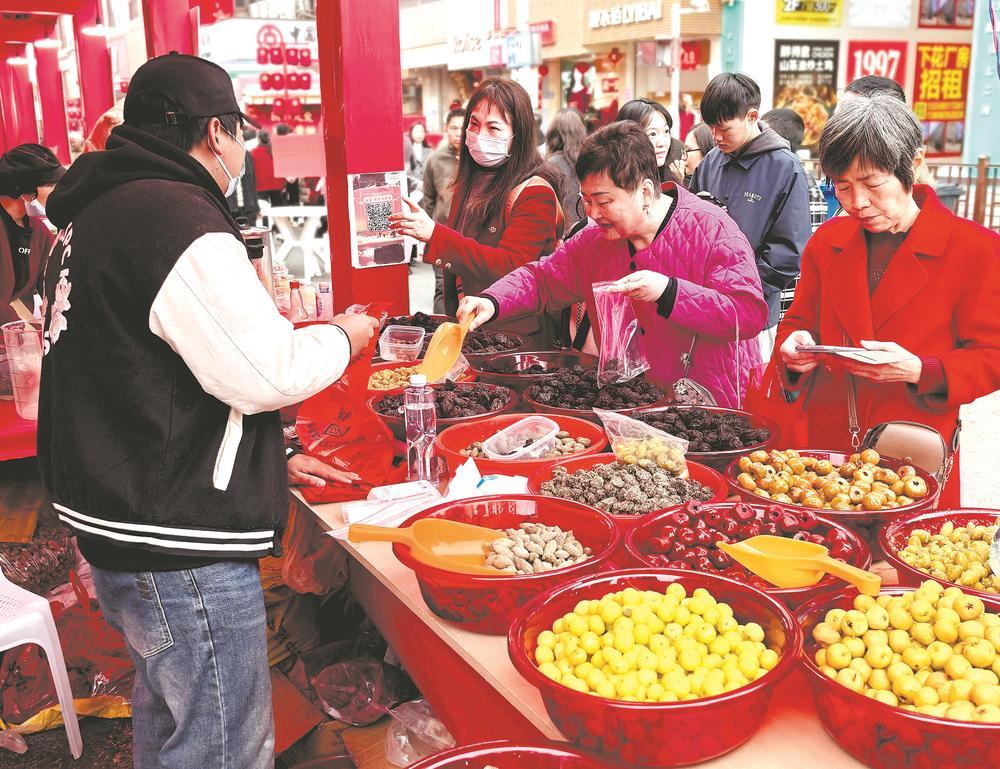
Group 1 - The cultural event "Strong Foundation, Building Dreams: Village Songs Celebrate Spring" was held in Xia County, Shanxi Province, showcasing a blend of traditional customs and modern civilization [2] - The event featured original programs that reflect local characteristics and resonate with the community, providing a cultural feast for attendees [2] - Volunteer activities such as free medical consultations, writing Spring Festival couplets, and legal awareness campaigns were conducted alongside the cultural performances [4] Group 2 - In Xiyangxi Village, Henan Province, local artisans are busy in their clay sculpture workshops, innovating traditional crafts by integrating modern aesthetics and zodiac culture, particularly creating clay horses for the Year of the Horse [5] - The local industry has developed a scale of production, diversified innovation, and market-oriented operations, transforming clay sculptures from simple toys into significant income-generating products [7] - In Zibo, Shandong Province, artisans are creating cultural products themed around the horse, which are well-received by consumers [7] Group 3 - Zibo Taishan Ceramics Co., Ltd. is recognized for its preservation of traditional ceramic firing techniques, showcasing a 84-piece crystal bone china dinnerware set themed "Qiji Mantang," symbolizing prosperity and success [9] - The dinnerware features high-temperature and low-temperature firing techniques, decorated with lead-free glaze and 12% gold detailing, demonstrating advanced ceramic craftsmanship [9] - The design of the dinnerware includes two spirited horses, embodying the aspirations of the Year of the Horse and conveying good wishes for the new year [9] Group 4 - In Shaanxi Province, various New Year markets are reviving nostalgic experiences, allowing people to purchase goods, enjoy local snacks, and participate in interactive games [11] - The Longwu County New Year market features nostalgic games reminiscent of childhood, creating a time-traveling experience for attendees [11] - Cultural activities such as Hanfu parades, intangible cultural heritage displays, and community performances are organized to celebrate the Chinese New Year with local residents and visitors [13]
【视线】今又新春 年味悠长
Xin Lang Cai Jing· 2026-02-14 19:49
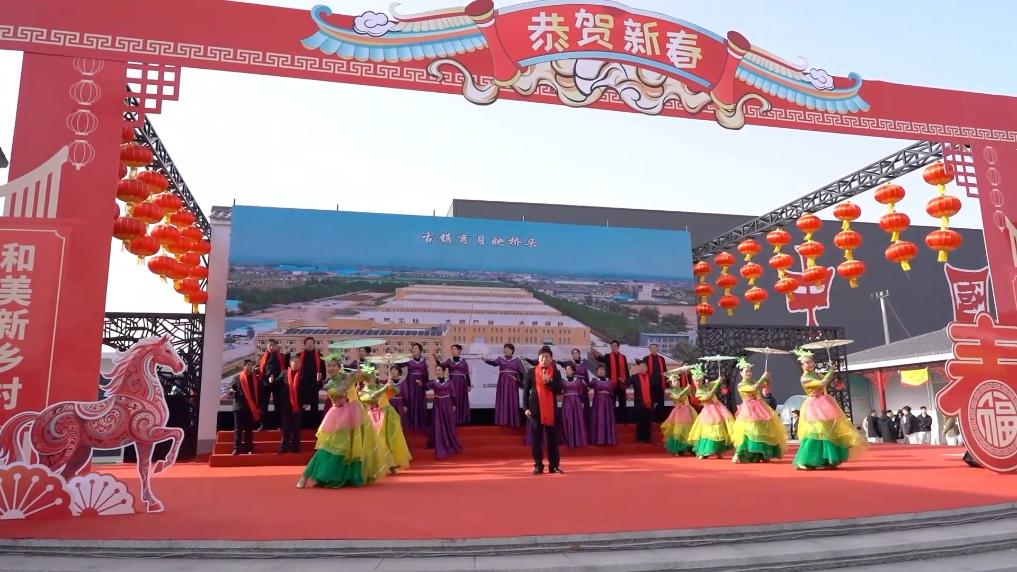
Group 1 - The core idea of the article emphasizes the cultural significance of traditional customs during the Spring Festival, highlighting how these customs create a festive atmosphere and foster emotional connections among people [2][3]. - The article notes the evolution of cultural practices, such as the emergence of new traditions like Spring Festival movie screenings, which cater to diverse audience preferences and enhance emotional experiences [3]. - The article describes the transformation of traditional New Year shopping, showcasing a shift from simple items to a wide variety of goods, reflecting the changing lifestyles and economic growth of the population [3]. Group 2 - The article highlights various cultural events and activities organized during the Spring Festival, such as the New Year market in Beijing, which combines traditional and modern elements to attract visitors [3]. - It mentions the significance of family gatherings and the desire for a meaningful celebration, emphasizing the importance of togetherness and hope for the new year among ordinary families [4].
新华微评·情满中国年:年俗“上新”,真情不变
Xin Hua She· 2026-02-14 06:28
Core Viewpoint - The article highlights the evolution of Chinese New Year customs, showcasing how traditions have adapted to modern times while maintaining the essence of family reunion and cultural heritage [1] Group 1: Changes in New Year Customs - The article notes the shift from traditional homecoming to "reverse Spring Festival travel," indicating a change in how people celebrate the holiday [1] - It emphasizes the introduction of unique foods and cultural creative products, reflecting the dynamic nature of the festival [1] - The concept of "customizing" the New Year experience is introduced, showing that personal preferences are now influencing celebrations [1] Group 2: Cultural Significance - Despite the changes in celebration methods, the article stresses that the desire for family reunion and happiness remains unchanged [1] - It points out the importance of cultural transmission, suggesting that the essence of the festival continues to thrive amidst modernization [1]
笔墨传情 福送万家
Xin Lang Cai Jing· 2026-02-13 19:33
Core Viewpoint - The article highlights the cultural activities organized in Shizhong Beitun City to celebrate the upcoming Spring Festival, emphasizing the integration of traditional culture into the daily lives of the community members through various festive activities [2][3][4]. Group 1: Community Activities - A series of cultural activities such as writing Spring Festival couplets, sending "Fu" characters, and paper-cutting have been conducted in public places, enhancing the festive atmosphere and providing warmth to the community [2][3]. - In the Longjiang Street community, calligraphy enthusiasts created vibrant "Fu" characters and auspicious couplets, reflecting good wishes for the new year [2]. - Residents actively participated in these activities, with children learning calligraphy techniques and adults engaging in hands-on experiences, fostering a sense of community and cultural appreciation [2][3]. Group 2: Transportation Hub Engagement - The "Send Blessings and Welcome Spring" event at the Beitun City Railway Station involved calligraphy enthusiasts writing couplets and distributing "Fu" characters to travelers, enhancing the festive spirit during the busy Spring Festival travel season [3]. - A total of 300 couplets and 400 "Fu" characters were distributed, along with 30 pieces of traditional New Year paintings, contributing to a joyful atmosphere at the station [3]. Group 3: Cultural Service Enhancement - The city has been strengthening grassroots public cultural services through various cultural activities, ensuring that traditional festival culture reaches the community effectively [4]. - The activities are designed to meet the needs of the community, promoting high participation and keeping traditional culture alive at the grassroots level [4].
【热气腾腾中国年】习言道|跟着总书记一起品味年俗文化
Zhong Guo Xin Wen Wang· 2026-02-12 12:55
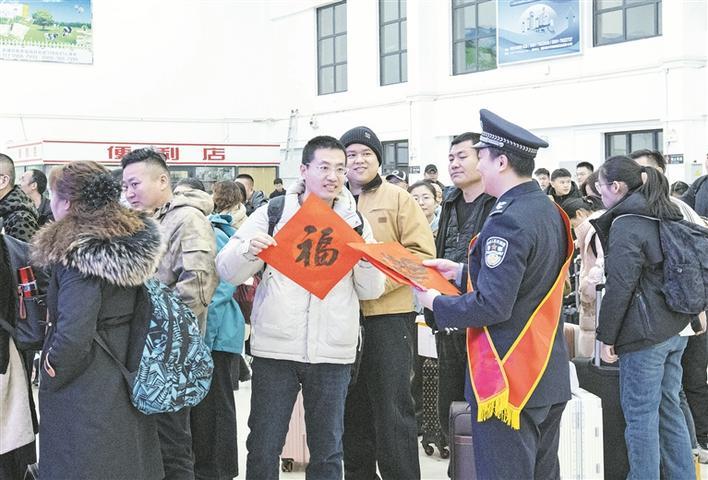
Group 1 - The article highlights the tradition of Xi Jinping visiting grassroots communities before the Spring Festival to engage with the public and discuss cultural customs related to the New Year [1]
博物馆烹制年味大餐
Xin Lang Cai Jing· 2026-02-11 22:53
Group 1 - The core theme of the exhibitions is centered around the Year of the Horse, showcasing over 150 unique exhibitions and activities across various museums in Beijing to celebrate the upcoming Spring Festival [2][3] - The National Museum of China presents the "Leaping Horse - Spring Festival Cultural Exhibition," featuring over 120 precious artifacts related to horses, highlighting the rich horse culture in Chinese civilization [2] - The "Horse Culture Exhibition" at the China Garden Museum and Beijing Art Museum emphasizes interactive design and immersive experiences, allowing visitors to engage with the cultural significance of horses through activities like calligraphy [3] Group 2 - Various exhibitions focus on traditional customs and celebrations, such as the "Spring Festival Series Theme Exhibition" at the China Arts and Crafts Museum, which covers aspects like the evolution of customs and the significance of horse culture [3] - The Capital Museum's "Banners and Drums of Youyan - Cultural Exhibition of Temple Fairs in Beijing, Tianjin, and Hebei" features over 260 valuable artifacts and folk items, showcasing the cultural heritage of temple fairs [3] - Several museums, including the China Geological Museum and the Capital Museum, are introducing new cultural and creative products, with the "Horse Brings Joy" product becoming a bestseller [4] Group 3 - Museums are extending their opening hours during the Spring Festival and winter vacation to accommodate diverse visitor needs, with the Capital Museum open until 19:00 and the Beijing Olympic Museum until 20:00 [4] - The Beijing Exhibition Hall will host an "Art Market" event featuring hundreds of high-quality cultural and creative products, enhancing the cultural experience for visitors [4]
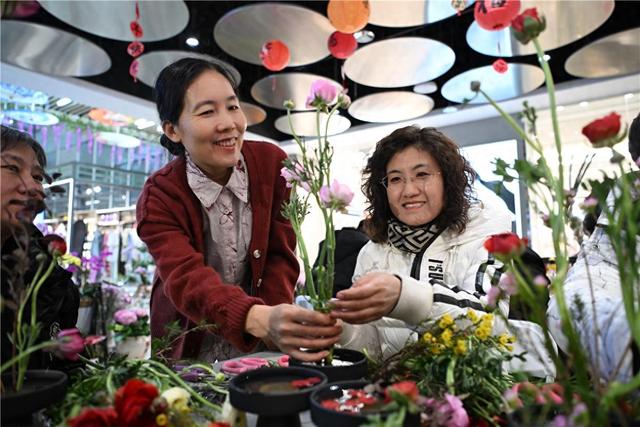
2026新春走基层 | 感受花“漾”新春
Xin Lang Cai Jing· 2026-02-11 14:39
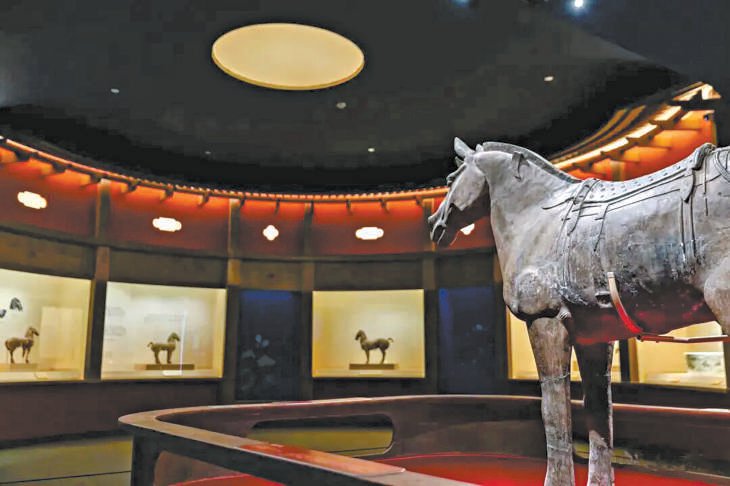
Core Viewpoint - The event in Hohhot City focuses on traditional flower arrangement techniques, enhancing cultural life during the Spring Festival and promoting the transmission of traditional culture [2]. Group 1 - The event took place on February 11 in the Xincheng District of Hohhot City, featuring a representative inheritor of intangible cultural heritage teaching traditional flower arrangement skills [2]. - Citizens participated actively, listening attentively and experiencing the beauty of Eastern floral art [2]. - The integration of intangible cultural skills with festive customs enriched the cultural atmosphere of the holiday, adding elegance and warmth to the celebrations [2].