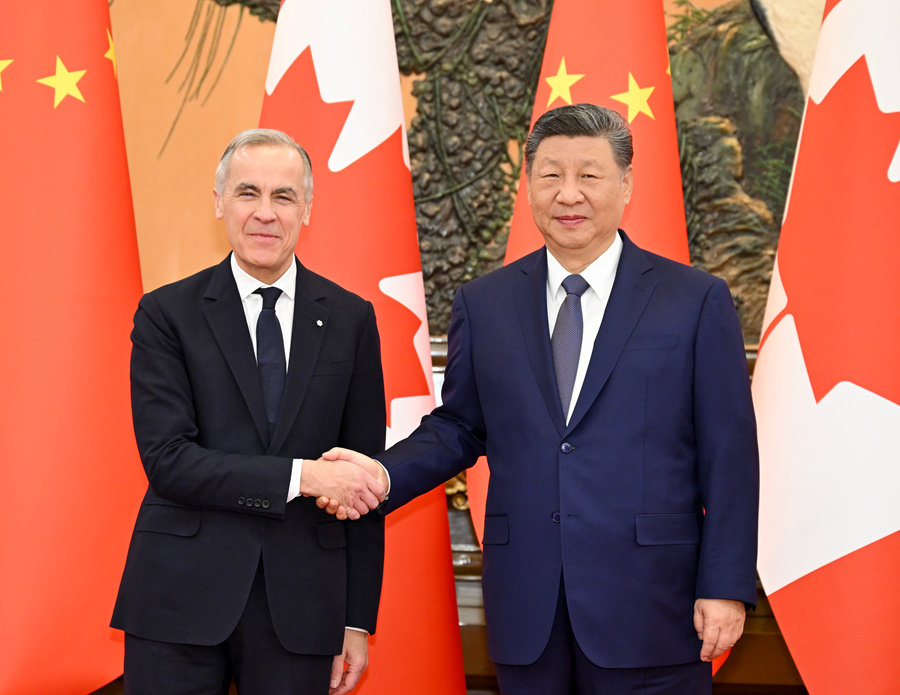
新型战略伙伴关系

Search documents
抵达北京后,加拿大总理发现接待人员不一般,悬着的心总算落地了
Sou Hu Cai Jing· 2026-01-19 04:13
Group 1 - The core message of the news is the significant reduction of electric vehicle tariffs in China from 106% to 6%, along with a quota of 49,000 vehicles, which is expected to increase next year [1][3] - The signing of the "China-Canada Economic and Trade Cooperation Roadmap" on January 15 includes 28 detailed cooperation items across various sectors such as energy, agriculture, green trade, and e-commerce, indicating a shift from previous negotiations to a more structured ministerial dialogue [3][5] - The concept of a "new strategic partnership" is introduced, emphasizing collaboration not only in economic terms but also in managing shared affairs, with Canada reaffirming its one-China policy, which is seen as a diplomatic gesture towards China [5][7] Group 2 - The atmosphere during the meetings was pragmatic, with high-level officials, including the head of China's customs, personally involved, reflecting a strong desire for cooperation without unnecessary formalities [7][9] - The implications for the electric vehicle market in China suggest that the distribution of the 49,000 vehicle quota will influence consumer choices between brands like Tesla and BYD [7] - For Canadian farmers, the reduction in canola seed tariffs is expected to alleviate storage issues, allowing them to sell their products rather than resorting to feeding them to livestock [7][9]

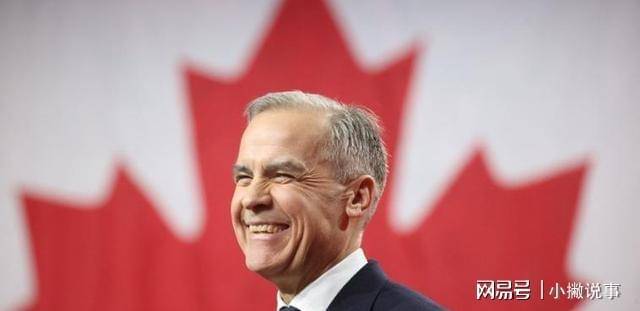
加拿大取消对华电动汽车100%关税
Sou Hu Cai Jing· 2026-01-17 05:46
Core Insights - The visit of Canadian Prime Minister Mark Carney to China resulted in significant agreements, including the cancellation of a 100% tariff on Chinese electric vehicles, marking a historic shift in Canada-China relations [1][4][11] Group 1: Trade Agreements - Canada will allow an annual quota of 49,000 Chinese electric vehicles, which will benefit from a 6.1% most-favored-nation tariff rate, prior to the 100% additional tariff set for 2024 [4][5] - The quota is expected to increase to 70,000 vehicles by the fifth year, promoting investment in Canada's automotive sector and creating new jobs [5][6] - The agreement on electric vehicles is seen as a positive step towards enhancing trade relations and addressing previous trade barriers [4][7] Group 2: Agricultural Trade - Carney announced that tariffs on Canadian canola seed will significantly decrease starting March 1, 2024, benefiting Canadian farmers and potentially releasing CAD 3 billion in export orders [6][7] - The goal is to not only restore previous export levels of canola to China but to exceed them, indicating a strong focus on agricultural trade [7][8] Group 3: Strategic Partnership - The signing of the China-Canada Economic and Trade Cooperation Roadmap represents a high-level cooperation document aimed at enhancing bilateral trade and investment [8][9] - The roadmap outlines cooperation in eight areas, including agriculture, energy, e-commerce, and sustainable trade, with 28 specific initiatives proposed [9][10] - Both countries are committed to establishing a regular communication mechanism to address trade concerns and enhance cooperation [8][9] Group 4: Energy Cooperation - Canada plans to double its energy network investments over the next 15 years, creating opportunities for Chinese partnerships in renewable energy sectors [10] - The expansion of the Trans Mountain pipeline is expected to facilitate increased oil exports to Asia, with China becoming a major buyer of Canadian crude oil [9][10] Group 5: Bilateral Relations - The recent agreements signify a shift towards a more predictable and stable relationship between Canada and China, contrasting with the complexities of Canada's relationship with the U.S. [11][12] - Carney emphasized the importance of diversifying trade partnerships to reduce reliance on the U.S. market, aiming to double non-U.S. exports over the next decade [12][13]
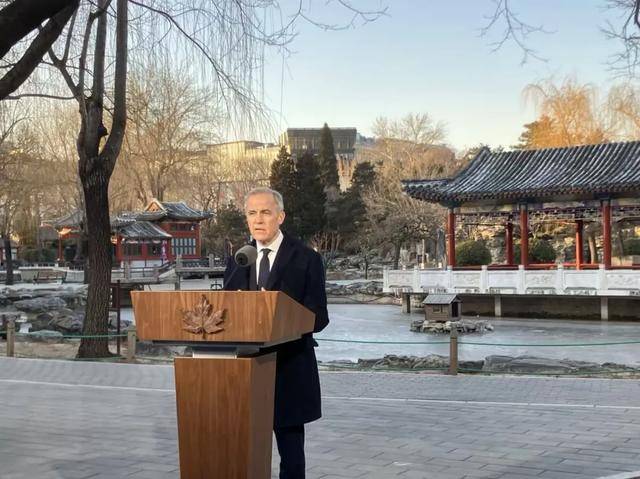
习近平:中加要做“四个伙伴”
Huan Qiu Shi Bao· 2026-01-16 23:10
Core Viewpoint - The meeting between Chinese President Xi Jinping and Canadian Prime Minister Justin Trudeau marks a significant thaw in China-Canada relations, emphasizing mutual respect, cooperation, and the establishment of a new type of strategic partnership [2][3][4]. Group 1: Key Points from the Meeting - Xi Jinping outlined four key opinions for China-Canada relations: mutual respect, common development, mutual trust, and cooperation [3][4]. - The meeting is seen as a "breakthrough" after an eight-year hiatus in leadership exchanges, signaling a commitment to pragmatic outcomes [2][3]. - Both leaders agreed to enhance cooperation in various fields, including macroeconomics, trade, energy, finance, public safety, and cultural exchanges [6]. Group 2: Trade and Economic Cooperation - Canada has agreed to allow up to 49,000 Chinese electric vehicles annually at a 6.1% most-favored-nation tariff rate, reversing previous 100% tariffs [7]. - The total trade volume between China and Canada is projected to exceed 118 billion Canadian dollars (approximately 590 billion RMB) in 2024, highlighting the importance of trade diversification for Canada [6]. - The meeting also initiated a dialogue on energy cooperation, with plans for regular ministerial meetings to enhance collaboration in clean technology and renewable energy projects [8]. Group 3: Strategic Implications - The concept of a "new type of strategic partnership" emphasizes mutual benefits and respect, contrasting with Western geopolitical confrontations [5]. - The meeting reflects Canada's need to diversify its trade relationships amid pressures from the U.S., with China being a crucial partner for economic stability [9][10]. - Experts suggest that this engagement may serve as a model for other countries facing similar trade challenges with the U.S., while China aims to position itself as a stable global partner [9].