
楼市去库存

Search documents
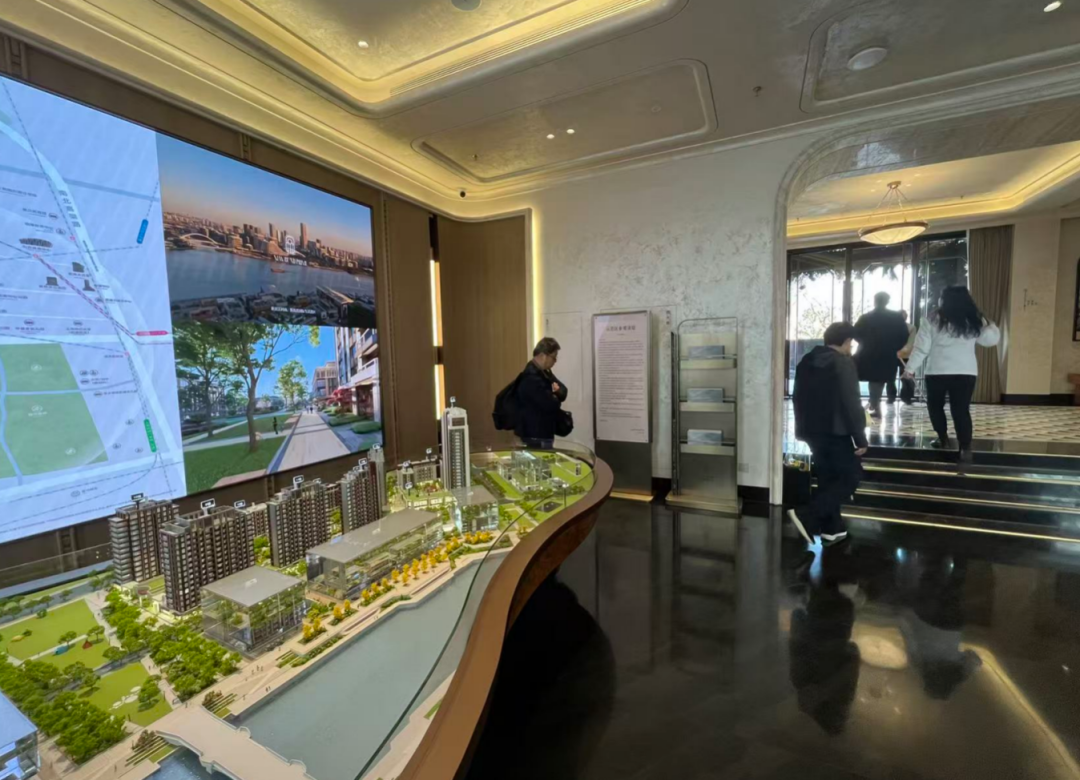
“既为了投资,也用于自住”,上海江景楼盘低姿态入市,认筹金50万元
Mei Ri Jing Ji Xin Wen· 2026-01-02 12:42
Core Viewpoint - The Shanghai real estate market is experiencing a surge in activity due to favorable policies and a new wave of property listings, with a focus on lower entry costs for buyers [3][4][7]. Group 1: Market Activity - During the New Year holiday, both supply and demand in the Shanghai real estate market increased, with new properties being launched in both urban and suburban areas [4]. - On January 1, several projects initiated their subscription processes, including the Yujing'an project in Jing'an District with a price of 12,000 yuan per square meter and the Xiangyu Tianyu project in Minhang District with a price of approximately 8,000 yuan per square meter [5]. - The Minhang District's Poly Duhui project launched 144 units at a price of 69,888 yuan per square meter, while the An Gao Haiyin Huating project had a subscription rate of only 44% on its first day [6]. Group 2: Policy Changes - Multiple favorable policies took effect on New Year's Day, aimed at reducing the financial burden on homebuyers through tax and credit adjustments [7]. - The new tax policy states that individuals selling homes purchased for less than two years will pay a 3% value-added tax, while those selling homes held for two years or more will be exempt from this tax [7]. - Interest rates for existing housing loans have been adjusted, with first-time homebuyers seeing a reduction in rates for loans under five years from 2.35% to 2.1% and for loans over five years from 2.85% to 2.6% [7][8]. Group 3: Market Dynamics - The reduction in tax burdens is expected to encourage homeowners to list their properties for sale, potentially increasing the supply of homes on the market [8]. - The policies are anticipated to stimulate demand for larger new homes, aligning with local efforts to reduce inventory by promoting trade-in and upgrade purchases [9]. - The lowered subscription fee for the Qiantan Binjiang project to 500,000 yuan is aimed at attracting more potential buyers, contrasting with previous high thresholds [10][13].

杭州楼市又出现了三个变化
Sou Hu Cai Jing· 2025-12-14 22:44
1,最近的杭州楼市,不像前两个月那么焦虑了,开发商和购房者都平和了许多。 2,拥有了平常心,楼市就离回归正常不远了。2015年开始的回暖,2016年开始的上涨和限价,2018年开始的摇号,2019年推出的双限地,2024年放开限价 后地王推动了2025年的大阳春,随后楼市就一直调整到了现在。 3,十年,仿佛一场梦,我们终于开始回到没有政策约束、没有限价红利带来的焦虑、也没有供需关系严重失衡导致的买不到房的恐慌的正常市场之中。 4,开发商,也终于开始不是拒绝客户,而是主动拥抱甚至恳求客户买房了。 5,逐渐回归正常的杭州楼市,近期出现了三个大的变化,这对接下来半年左右的市场会产生一定影响。 6,第一个变化,卖房速度已经快于供地速度。 7,近两个月,开发商为了冲刺年度指标,都在拼命卖房子,而杭州今年卖地已超去年,推地明显放缓和克制了。新房的销售已经明显快于供地的节奏。 8,说得直白一些,市场已经开始加速去库存。目前库存最大的几个板块,用不了三个月,局面将会彻底反转,比如世纪城、奥体南、市北西、北干一带, 比如石桥、华丰、运河新城一带。这些板块压力最大的时候已经过去。 9,钱二马上进入四盘同台的局面,会持续到年后。密 ...
已查清全国房子数量,过剩到什么程度?数据太夸张,楼市或将大变局?
Sou Hu Cai Jing· 2025-12-13 10:24
去年春天我在老家看了套房,当时中介跟我说新楼盘有几百套房子没人买,二手房市场更是挂牌无数。 那时候才真正感受到啥叫房子多了。最近终于把这事搞清楚了,数据摆在眼前,情况确实有点严重,但 转机也在慢慢出现。 上个月国家统计部门发布的数据显示,全国百城新建商品住宅库存规模达到4.47亿平方米。这个数字听 起来可能没什么感觉,但换个角度你就明白了。按照现在的销售速度,这些房子要花21.3个月才能全部 卖出去。建筑行业有个普遍认可的标准,库存周期应该在12到14个月,超过这个数字就说明房子过多 了。咱们现在的情况就是,市场上的房子堆积得越来越多,消化的速度跟不上。 房屋库存的问题从2021年开始就慢慢浮现出来了。那几年房地产开发特别活跃,全国各地都在盖房子。 有的地方一年供应出去的房屋面积特别大,但实际成交的面积却远远不够。这就造成了库存逐年增加的 局面。2024年中期的时候情况最严重,有些城市的房屋库存甚至创了历史新高。 细节上看,现在的库存分布很不均匀。一线城市像北上广深这样的地方,情况相对好一些。去年底时, 深圳的新房库存周期从最高时的26个月降到了9个月。这说明大城市虽然有库存,但居民对房子的需求 大,消化速度 ...
3.97亿元!东莞一住宅用地底价成交
Nan Fang Du Shi Bao· 2025-11-19 03:18
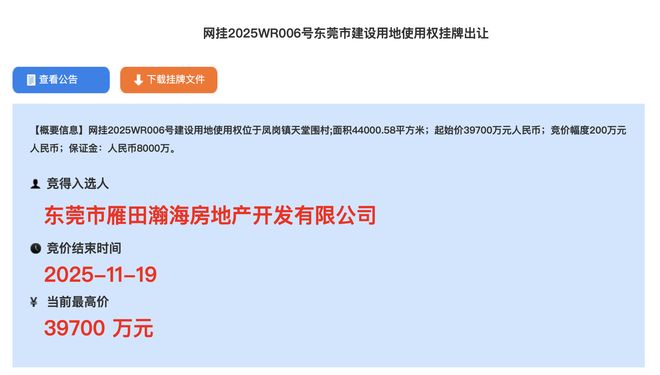
Core Points - A residential land in Dongguan's Fenggang Town was officially listed for sale on November 19 and was acquired by Dongguan Yantian Hanhai Real Estate Development Co., Ltd. for the base price of 39.7 million yuan [1] - The land covers an area of approximately 44,000 square meters and is classified as urban residential land (R1 type), indicating a focus on low-rise residential buildings with low building density and high green space ratio [3] - The land has a floor area ratio of 1.1, a building density not exceeding 40%, and a total construction area of about 48,401 square meters, with a height limit of 18 meters, suggesting it will likely be developed into villas or independent houses [3] Summary by Sections - **Land Acquisition**: Dongguan Yantian Hanhai Real Estate Development Co., Ltd. acquired the land for 39.7 million yuan, equivalent to approximately 8,202 yuan per square meter, with no maximum price limit set [5] - **Development Requirements**: The development period for the land is set at three years, with construction required to commence within one year of land delivery and completion by December 19, 2029 [5] - **Market Context**: The land was previously listed for sale last year but was withdrawn shortly before the deadline. Since 2017, fewer than 10 residential land parcels have been made available in Fenggang, indicating a tight supply in the market [5][6] - **Price Trends**: Recent transactions in Fenggang have seen residential land prices generally above 20,000 yuan per square meter, reflecting significant demand despite inventory pressures [5]
上海市中心动迁开启“房票机制”
Di Yi Cai Jing Zi Xun· 2025-11-09 12:25
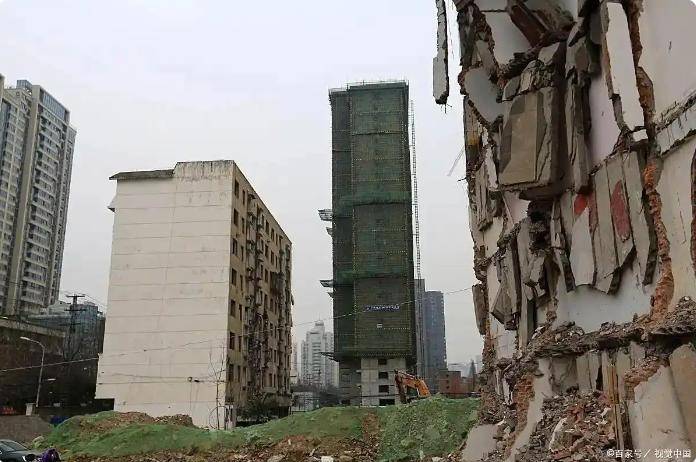
Core Viewpoint - The implementation of the "housing ticket" compensation policy in Shanghai's urban village renovation is expanding from suburban areas to the city center, aiming to accelerate the de-inventory of existing properties and provide more flexible compensation options for residents [2][3]. Group 1: Policy Implementation - The "housing ticket" compensation can be applied to land and collective housing requisition within the Pudong New Area, with new residential projects eligible for inclusion in the housing ticket source pool [2]. - Residents opting for the housing ticket can receive a policy reward, with a potential maximum purchase fund of 108% of the monetary compensation amount, depending on the specific project [3]. - The housing ticket mechanism has re-emerged due to increased urban village renovations and pressure to reduce housing inventory, following its previous use in the last decade [3]. Group 2: Market Impact - The introduction of the housing ticket in central urban areas has garnered attention, with its initial rollout in suburban districts like Qingpu and Jiading [3]. - In the Xuhui District, the housing ticket program encourages residents to reinvest their compensation funds into the housing market, which has led to increased transaction volumes in nearby areas [5]. - The policy allows for a broad range of property purchases within Shanghai, not limiting buyers to new homes, thus stimulating market demand [5].

上海市中心动迁开启“房票机制”
第一财经· 2025-11-09 12:15
Core Viewpoint - The implementation of the "housing ticket" policy in Shanghai is expanding from suburban areas to the central urban district, aiming to accelerate the de-inventory of existing properties and provide more flexible compensation options for residents affected by land acquisition [3][5]. Group 1: Policy Implementation - The "housing ticket" policy allows for compensation through housing tickets for land acquisition in both state-owned and collective housing in the Pudong New Area, including new residential projects that meet certain criteria [3][4]. - Residents opting for housing ticket compensation can receive a policy reward, which can increase the maximum purchase funds to 108% of the monetary compensation amount, depending on the specific project [4]. Group 2: Historical Context - The housing ticket mechanism previously played a significant role in the real estate market during a past inventory reduction phase but faded after 2018 due to a decline in urban renewal projects [5]. - The recent expansion of the housing ticket policy follows the successful implementation in Guangzhou and other first-tier cities, indicating a renewed focus on addressing inventory issues in the housing market [5]. Group 3: Market Impact - The introduction of the housing ticket mechanism in central urban areas, such as the Xuhui District, has led to increased transaction volumes in both new and second-hand housing markets, suggesting a positive impact on market demand [6][7]. - The policy encourages residents to reinvest their compensation funds into the housing market, thereby stimulating demand and supporting overall market activity [6].

楼市去库存利器来了,上海市中心动迁也开启“房票机制”
Di Yi Cai Jing· 2025-11-09 08:15
Core Viewpoint - The implementation of the "housing ticket" policy in Shanghai is expanding from suburban areas to the central urban area, aiming to accelerate the de-inventory of existing properties and provide more flexible compensation options for residents affected by land acquisition [1][2]. Group 1: Policy Implementation - The "housing ticket" policy allows for compensation through housing tickets for land acquisition in both urban and suburban areas of Pudong New District, including new residential projects that meet certain criteria [1]. - Residents opting for housing tickets can receive a policy reward, which can increase the maximum purchase funds by a specified percentage, enhancing their purchasing power in the real estate market [1]. - The policy is designed to encourage residents to reinvest their compensation funds into new properties, thereby stimulating market demand [3]. Group 2: Historical Context - The housing ticket mechanism previously played a significant role in the real estate market during a past inventory reduction phase but faded from prominence after 2018 [2]. - Recent pressures from urban village renovations and inventory reduction have led to a resurgence of the housing ticket policy, with cities like Guangzhou leading the way in its reintroduction [2]. Group 3: Market Impact - The introduction of the housing ticket in central urban areas, such as Xuhui District, has generated interest and is expected to boost transaction volumes in both new and second-hand property markets [4]. - Analysts observe that the flexibility of the housing ticket, which does not restrict the purchase area within Shanghai, encourages residents to invest their compensation in the housing market, thus aiding in demand release [3][4].
楼市去库存利器来了!上海市中心动迁也开启“房票机制”
Di Yi Cai Jing· 2025-11-09 07:12
Core Viewpoint - The implementation of the "housing ticket" policy in Shanghai is expanding from suburban areas to the central urban district, aiming to accelerate the de-inventory of existing properties and provide more flexible compensation options for residents affected by land acquisition [1][2]. Group 1: Policy Implementation - The "housing ticket" policy allows for compensation through housing tickets for land acquisition in both urban and suburban areas of Pudong New District, including new residential projects that meet certain criteria [1]. - Residents opting for housing tickets can receive a policy reward, which can increase the maximum purchase amount for new homes to 108% of the monetary compensation received [1]. - The specific reward rate for housing tickets will be determined based on individual project circumstances and made public [1]. Group 2: Historical Context - The housing ticket mechanism was previously significant during a real estate de-inventory phase ten years ago but faded after 2018 due to a decline in urban renewal projects [2]. - Recently, the expansion of urban village renovations and increased pressure to reduce housing inventory have led to the reintroduction of the housing ticket system [2]. Group 3: Market Impact - The introduction of the housing ticket mechanism in central urban areas, such as Xuhui District, has garnered attention, with specific rewards outlined for residents who choose monetary compensation [3]. - The policy encourages residents to reinvest their compensation into the housing market, thereby stimulating demand [3]. - Analysts have observed an increase in transaction volumes for both new and second-hand properties in areas near relocation projects, indicating a positive impact on the market from the housing ticket mechanism [4].
楼市去库存效果已现,全国商品房待售面积连降6个月
第一财经· 2025-09-15 07:37
Core Viewpoint - The real estate market in China is showing signs of stabilization despite fluctuations due to domestic and international factors, with a reduction in inventory and a narrowing decline in sales and prices [3][4]. Sales Performance - From January to August 2023, the total sales area of new commercial housing reached 57,304 million square meters, a year-on-year decrease of 4.7%. The sales amount was 55,015 billion yuan, down 7.3% year-on-year [3]. - As of the end of August, the unsold commercial housing area was 76,169 million square meters, a decrease of 3.17 million square meters from the end of July, indicating a continuous reduction in inventory for six months [3]. Price Trends - In August, new residential sales prices in first-tier cities decreased by 0.1% month-on-month, while second-tier and third-tier cities saw declines of 0.3% and 0.4%, respectively. Year-on-year declines were 0.9%, 2.4%, and 3.7% for the three tiers [4][5]. - The number of cities with rising new home prices increased to 9 in August, compared to 6 in July, indicating a potential recovery in certain markets [4][5]. Inventory and Market Dynamics - The reduction in unsold housing inventory is seen as beneficial for balancing supply and demand, with some projects entering the completed phase, enhancing sales potential [3][5]. - The narrowing year-on-year price decline suggests that the market is moving towards a bottoming process, with some properties showing signs of price stabilization [5]. Policy Impact - Various policies have been introduced at both central and local levels to stimulate the market, including optimized purchase restrictions in major cities like Beijing and Shanghai [6]. - Following the new policies, Shenzhen reported a 19% week-on-week increase in second-hand housing transactions, indicating a positive market response [6]. Market Outlook - The market is entering the traditional peak season of "Golden September and Silver October," with expectations for increased activity as developers accelerate project launches, particularly for new products [6].
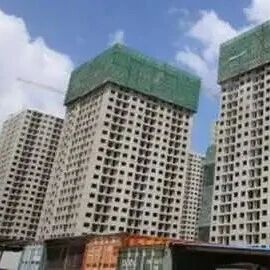
楼市去库存效果已现 全国商品房待售面积连降6个月
Di Yi Cai Jing· 2025-09-15 05:41
Core Insights - The real estate market in China is showing signs of stabilization despite fluctuations due to domestic and international factors, with a narrowing decline in sales and prices [1][2][3] Group 1: Sales and Inventory - From January to August 2023, the total sales area of new commercial housing reached 57,304 million square meters, a year-on-year decrease of 4.7%, while sales revenue was 55,015 billion yuan, down 7.3% year-on-year [1] - As of the end of August, the total unsold commercial housing area was 76,169 million square meters, a decrease of 3.17 million square meters from the end of July, marking a continuous six-month decline in inventory [1] - The spokesperson from the National Bureau of Statistics indicated that the reduction in inventory is a positive sign for the market, suggesting ongoing efforts to stabilize the real estate sector [1] Group 2: Price Trends - In August, the sales prices of new residential properties in first-tier cities decreased by 0.1% month-on-month, while second-tier and third-tier cities saw declines of 0.3% and 0.4%, respectively, with year-on-year declines of 0.9%, 2.4%, and 3.7% [1] - The number of cities experiencing price increases rose to 9 in August, up from 6 in the previous month, indicating a growing demand in second-tier cities [2] - The year-on-year decline in new residential property prices is narrowing, suggesting a potential bottoming out of the market [2] Group 3: Policy and Market Activity - As the traditional peak season for real estate approaches, various policies are being introduced at both central and local levels to stimulate the market [3] - Recent policy changes in cities like Beijing, Shanghai, and Shenzhen aim to optimize purchase restrictions and loan rates, leading to a significant increase in transaction volumes [3] - The market is expected to see a temporary rebound in activity as developers accelerate the launch of new projects, particularly in core cities [3]