
欧盟对俄制裁

Search documents
永久冻结,冯德莱恩要劫掠俄资产,比利时:欧洲没有和俄罗斯开战
Sou Hu Cai Jing· 2026-01-24 08:11
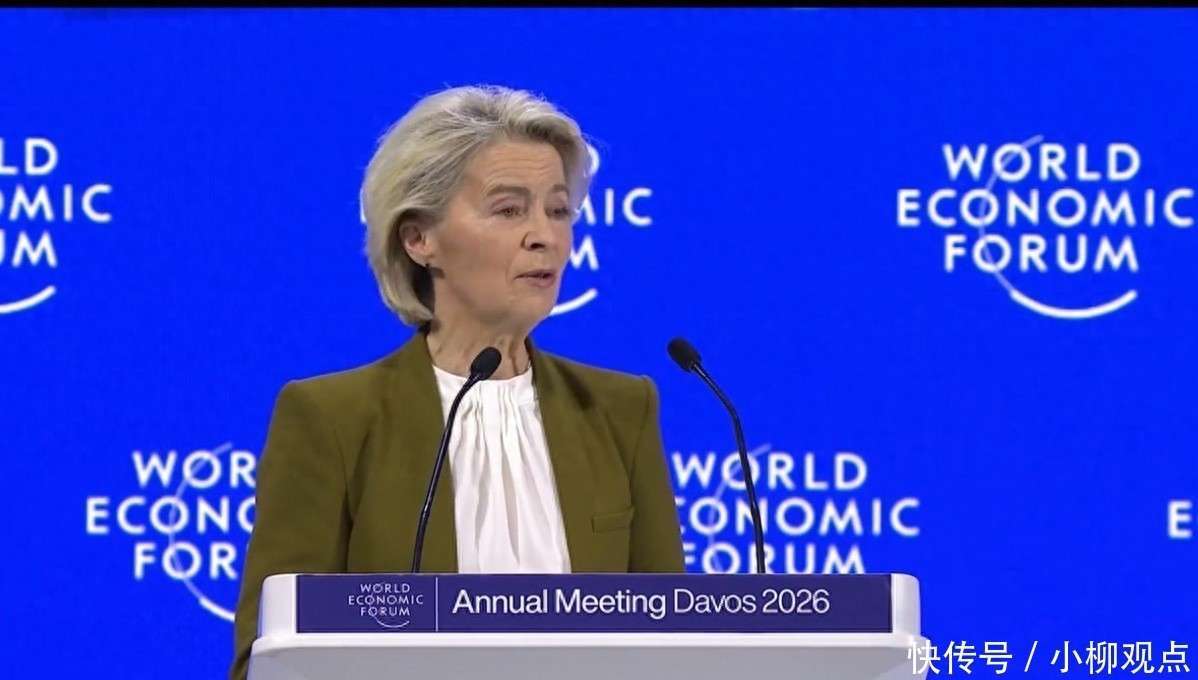
Group 1 - The European Commission President Ursula von der Leyen announced at the 2026 Davos Forum that the EU will permanently freeze Russian overseas assets in Europe to support Ukraine's fight and post-war reconstruction [1] - The EU's decision to freeze Russian assets is in response to calls from the United States for multi-faceted sanctions against Russia, with over €200 billion in Russian assets already frozen, primarily from sovereign funds [3] - Belgium's opposition to the permanent freezing of Russian assets reflects its concerns about the risks involved, as it is home to the European Clearing Bank and would bear significant responsibility if such measures were implemented [5] Group 2 - Von der Leyen's proposal for a permanent freeze requires unanimous consent from all EU member states, indicating a lack of consensus within the EU, with Hungary also expressing dissatisfaction with the sanctions policies [7] - The current situation shows that while there is support for Ukraine, there are internal divisions within the EU regarding the approach to Russia, highlighting the challenges faced in advancing the EU's policy towards Russia [9] - The timing of von der Leyen's statement coincides with the U.S. push to end the Russia-Ukraine conflict, suggesting that the EU's increased sanctions are part of a broader strategy to pressure Russia, although the expected economic decline in Russia has not materialized [10]

俄媒:欧盟制裁俄罗斯致自身出口损失
Huan Qiu Shi Bao· 2026-01-12 22:54
Group 1 - The core point of the article highlights the significant decline in EU exports to Russia since the imposition of sanctions in 2022, with a drop of approximately 48 billion euros, equating to a 65% decrease in annual export value [1] - In the period from January to October 2025, EU exports to Russia amounted to 25 billion euros, down from 73 billion euros in the same period of 2021 [1] - Germany experienced the largest impact, with a 73.6% decrease in exports to Russia, amounting to 16.3 billion euros, while Poland and France also saw substantial declines of 71.2% and 70%, respectively [1] Group 2 - A significant portion of EU-Russia trade involves natural gas, with Russia currently being the second-largest supplier to the EU, holding a 15.1% share of total gas imports [2] - The EU plans to stop importing Russian gas by 2027, but the shift to more expensive US liquefied natural gas (LNG) could lead to rising energy prices and economic slowdown in the EU [2] - Reports indicate that the likelihood of restoring economic relations between Russia and the EU to pre-conflict levels in the next decade is nearly zero due to systemic geopolitical rifts [2]
波兰总统震撼发声:别再把俄当敌人!欧洲反俄团结彻底露馅
Sou Hu Cai Jing· 2026-01-06 07:07
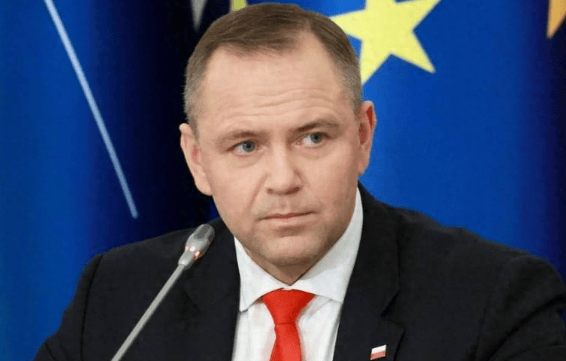
Group 1 - The core debate in Poland regarding the EU's policy towards Russia highlights a significant division, with President Duda advocating for a shift away from viewing Russia as the main enemy, while Prime Minister Tusk insists on maintaining a hardline stance due to perceived threats [2][3][4] - Tusk argues that relaxing vigilance towards Russia could jeopardize European security and undermine support for Ukraine, emphasizing the necessity of sanctions as a means to uphold democratic values [3][4] - Duda counters that Europe's security should not rely solely on confrontational sanctions but rather on establishing a diverse security framework that includes dialogue and cooperation with neighboring countries, including Russia [3][4] Group 2 - The public disagreement between the Polish President and Prime Minister reflects a broader split within the EU regarding its approach to Russia, with some member states beginning to question the sustainability of ongoing sanctions due to economic repercussions [4][5] - The EU's sanctions against Russia have reportedly resulted in over €1 trillion in losses for the bloc, raising concerns about the long-term viability of such measures and their impact on European economic interests [5][6] - The EU's trade with Russia has plummeted from €417 billion in 2013 to approximately €60 billion in 2023, indicating a drastic reduction in economic ties that has led to soaring energy prices and business closures across Europe [5][6] Group 3 - The EU's energy crisis response involves seeking alternative energy supplies, with the EU Energy Agency playing a crucial role in coordinating imports from other regions, although specific procurement costs remain undisclosed [6] - There is a growing sentiment among various countries within the anti-Russian coalition, including the US, to explore localized cooperation with Russia, indicating a potential shift in strategy [6][7] - The myth of European unity against Russia is fading, suggesting that pragmatic dialogue may be the more effective path forward for the EU [7]
匈牙利总理:欧盟对俄制裁的结果是削弱自身
Jing Ji Guan Cha Wang· 2025-12-22 07:11
Core Viewpoint - The sanctions imposed by the EU on Russia have weakened its own strength rather than strengthening it, according to Hungarian Prime Minister Viktor Orbán, who emphasized the need for negotiations instead of sanctions [1]. Economic Impact - Hungary has suffered losses exceeding 200 billion euros (approximately 1.65 trillion RMB) over the past four years due to the ongoing conflict and the EU's sanctions against Russia [1].
欧盟硬刚俄罗斯!紧急状态条款生效,无限期冻结2100亿资产,匈牙利反对无效
Sou Hu Cai Jing· 2025-12-14 05:45
Core Points - The European Union (EU) plans to implement an indefinite freeze on approximately €210 billion of Russian assets under the "state of emergency" clause to strengthen sanctions against Russia and weaken its economic support [2] - Hungary's Prime Minister Orban opposes this move, arguing it disregards member states' reasonable requests and could severely damage European economic stability [3] - Orban highlights Hungary's significant trade relationship with Russia, where trade accounts for 12% of Hungary's total foreign trade and energy imports exceed 40%, raising concerns about potential retaliatory measures from Russia [3][4] Group 1 - The EU's decision to freeze Russian assets aims to enhance the deterrent effect of sanctions against Russia [2] - Orban's concerns include the potential negative impact on Hungary's economy and the need for the EU to respect member states' sovereignty [3] - The EU Commission has previously assessed the impact of sanctions and aims to coordinate with member states to ensure economic stability while enforcing sanctions [3] Group 2 - Hungary's Ministry of Foreign Affairs has previously expressed opposition to further sanctions against Russia, citing risks to Europe's economic recovery [4] - The Hungarian central bank has confirmed the significant reliance on Russian trade and energy, indicating that sanctions could lead to severe economic consequences [4] - Multiple EU member states have already experienced energy shortages and high inflation due to existing sanctions against Russia [4]
重磅:罗马尼亚没收第三大俄罗斯炼油厂!比利时阻止动用俄资产
Sou Hu Cai Jing· 2025-12-04 16:34
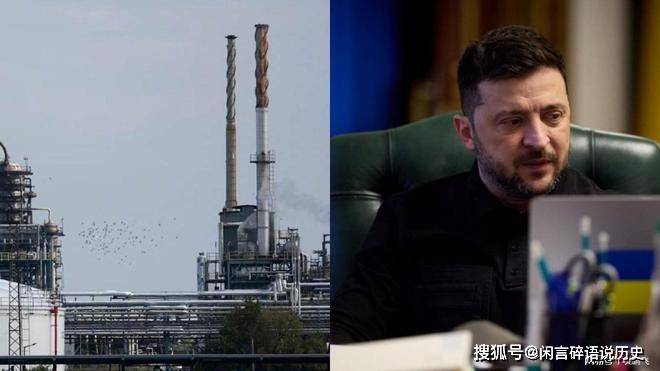
Group 1 - Romania has approved the confiscation of assets from Russian oil giant Lukoil, including the third-largest refinery in Romania and over 350 oil and gas facilities [3] - The Romanian Energy Minister Bogdan Ivan stated the necessity to control Lukoil's subsidiaries in the country to ensure the stability of the energy system [3] - Romania supports the EU's increased sanctions against Russia, with similar actions occurring in Bulgaria [5] Group 2 - The EU has reached an agreement to completely stop importing Russian natural gas by November 1, 2027 [5] - Upcoming sanctions are expected to extend to Russian oil imports, indicating a serious commitment from Europe to sever energy ties with Moscow [6] - The EU plans to provide €90 billion in aid to Ukraine over the next two years, utilizing frozen Russian assets and international market borrowing [10][11] Group 3 - The funding for Ukraine will be issued as loans, which will only need to be repaid after Moscow pays war reparations [11] - The EU's approach to supporting Ukraine while using Russian funds reflects a complex strategy to navigate internal opposition and pro-Moscow sentiments within the EU [13] - The increasing security ties between Ukraine and Europe have significant implications for the region [15]
俄罗斯向欧洲转运的煤炭量,过去数月内,正不断刷新最高纪录
Sou Hu Cai Jing· 2025-11-17 14:14
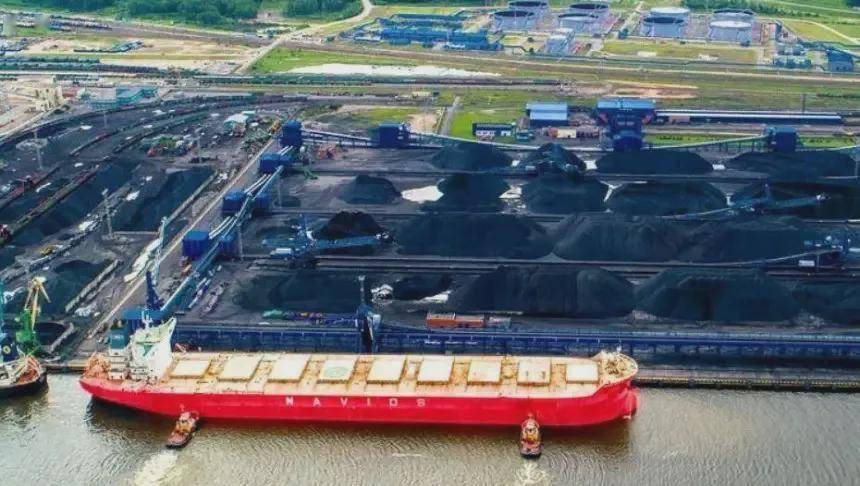
Group 1 - The EU has officially banned the import of Russian coal since August 11, 2022, and will fully prohibit any cooperation agreements with Russian ports starting February 24, 2025, as part of the sanctions against Russia [1][3] - In 2021 and 2022, the EU's dependence on Russian coal was 53.6% and 46% respectively, with Poland and Germany being the most reliant [1] - The EU has decided to allow the transshipment of coal produced in Kazakhstan through Russian ports starting July 2025, while ensuring that the ownership of the goods does not belong to any sanctioned entities [3] Group 2 - Kazakhstan exported 1.6 million tons of coal to the EU in the first five months of 2025, 6.7 million tons in the first seven months, and 9.6 million tons in the first ten months, indicating a record increase in coal exports [5] - The volume of coal transshipped by Russia to Europe has significantly increased and is expected to reach or exceed recent historical highs [5] - Russia benefits from transportation service fees, including railway tariffs and port management fees, which are ultimately borne by European importers, despite the low coal prices in recent years [7]
欧盟禁购俄能源,匈牙利总理:将起诉
中国能源报· 2025-11-15 07:51
Core Viewpoint - Hungary's Prime Minister Viktor Orbán announced plans to sue the EU over its recent ban on Russian natural gas imports, claiming the decision is illegal and contrary to EU values [1]. Group 1: Hungary's Position - Hungary's energy supply is heavily reliant on Russia, with 74% of its natural gas and 86% of its oil imported from Russia in 2024, according to IMF data [1]. - Orbán indicated that Hungary would seek alternative "non-legal" methods to continue importing Russian natural gas, although he did not provide specific details [1]. Group 2: U.S. Sanctions and Exemptions - During a visit to the U.S., Orbán secured a one-year exemption from U.S. sanctions for Hungary's purchases of Russian oil and gas, which he claims has no expiration as long as Trump remains president [2]. - Slovakia also received a one-year exemption from U.S. sanctions for its purchases of Russian oil following Hungary's exemption [3]. Group 3: EU Sanctions - The EU approved its 19th round of sanctions against Russia, which includes a ban on Russian liquefied natural gas entering the European market, despite opposition from Hungary and Slovakia [1].
斯洛伐克:不会给乌克兰哪怕一颗免费子弹
Xin Jing Bao· 2025-10-27 00:22
Core Viewpoint - Slovakia's Prime Minister Fico emphasized that Slovakia will not participate in any EU plans aimed at funding military aid to Ukraine [1] Group 1: Slovakia's Position on Military Aid - Since the Fico government took office in 2023, Slovakia has effectively ceased national military assistance to Ukraine, although it allows commercial transactions [1] - Slovakia and Hungary hold different positions from other EU countries regarding the Russia-Ukraine conflict, with both governments believing that battlefield solutions are not the way to resolve the issue [1] Group 2: Criticism of EU Sanctions - Fico criticized the EU's multiple rounds of sanctions against Russia due to the Russia-Ukraine conflict, stating that these sanctions have caused more harm to Europe [1]
斯洛伐克总理:“不会给乌克兰哪怕一颗免费子弹”
Xin Jing Bao· 2025-10-27 00:10
Core Viewpoint - Slovakia's Prime Minister Fico emphasized that Slovakia will not participate in any EU plans aimed at funding military aid for Ukraine, stating that if Ukraine needs anything, it should purchase it rather than receiving free assistance [1] Group 1: Slovakia's Position on Military Aid - Slovakia has effectively ceased national military assistance to Ukraine since Fico's government took office in 2023 [1] - Fico criticized the EU's multiple rounds of sanctions against Russia, claiming that these sanctions have caused more harm to Europe than to Russia [1] Group 2: EU Relations and Military Funding - The Slovakian government will not provide Ukraine with even a single free bullet, indicating a firm stance against military aid [1] - Fico's comments reflect a broader skepticism within Slovakia regarding the EU's approach to the ongoing conflict and its implications for European stability [1]