能源供应

Search documents
中泰期货晨会纪要-20260330
Zhong Tai Qi Huo· 2026-03-30 01:11
1. Report Industry Investment Rating No relevant content provided. 2. Core Viewpoints of the Report - The overall market is affected by geopolitical conflicts, especially the situation in the Middle East, which has a significant impact on various industries and commodities. Different commodities show different trends and investment opportunities due to their own fundamentals and external factors [9][12]. - In the short - term, the market is volatile, and investment strategies need to be adjusted according to the specific situation of each commodity, such as short - term holding, waiting for opportunities to enter the market, or hedging operations [12][16]. 3. Summary by Relevant Catalogs 3.1 Macro Information - Geopolitical conflicts in the Middle East are intensifying. Iran has closed the Strait of Hormuz, and the Houthi rebels have launched military operations. The US is considering sending troops to the Middle East, and there are also negotiations between the US and Iran [9]. - China's economic data shows positive trends. From January to February, the total profit of industrial enterprises above designated size increased by 15.2% year - on - year, and the profit of high - tech manufacturing increased by 58.7% [9]. - The Chinese government is promoting the development of the service industry and strengthening financial risk prevention and control [9]. 3.2 Macro Finance 3.2.1 Stock Index Futures - The strategy is to wait and see due to the situation in the US - Iran conflict and focus on the capital's ability to support the market. The A - share market is oscillating upwards, with some sectors performing well, but the market turnover has reached a new low this year [12]. 3.2.2 Treasury Bond Futures - The situation in Iran may still have variables. Differentiate the impact of capital and fundamentals on bonds and maintain a steep thinking strategy. The money market is balanced and loose, and the economic data is positive. Pay attention to the PMI data this month and the possibility of the central bank's reserve requirement ratio cut [13]. 3.3 Black 3.3.1 Steel and Iron Ore - The demand for building materials is weak, and the demand for rolled products has declined in some downstream industries, but the export and the orders of steel mills are acceptable. The supply of steel mills is increasing slightly, and the cost of raw materials is strongly supported. The short - term market is in a volatile state, and the strategy is to hold the sold wide - straddle options and wait for opportunities to short at high prices [15][16]. 3.3.2 Coking Coal and Coke - The prices of coking coal and coke may oscillate in the short term. It is recommended to buy on dips. The price increase is mainly due to the energy substitution logic caused by geopolitical conflicts. Although the supply is sufficient, the market sentiment is high, but there is a risk of price decline if the sentiment premium fades [17]. 3.3.3 Ferroalloys - The possibility of manganese - silicon production cuts in April is high, but the endogenous motivation for production cuts is insufficient. It is recommended to short after the price rises. Silicon - iron may rise further due to the sentiment of manganese - silicon, but the view of shorting at high prices remains unchanged [18]. 3.3.4 Soda Ash and Glass - For soda ash, it is advisable to wait and see. For glass, it is recommended to try to buy on dips for far - month contracts. The short - term price fluctuations are affected by geopolitical conflicts and energy prices. The supply of soda ash is slightly reduced due to short - term maintenance, and the cold - repair expectation of glass production lines is increasing [19]. 3.4 Non - ferrous Metals and New Materials 3.4.1 Copper - The short - term copper price will oscillate widely. The Middle East situation has signs of easing but still has high uncertainty, and the accelerating inventory depletion provides some support for copper prices [21]. 3.4.2 Lithium Carbonate - Lithium carbonate is affected by the disturbance of the ore end, and the sentiment is strong. It is a variety with a strong fundamental and solid logic in the non - ferrous sector. There is an opportunity to buy on dips [23]. 3.4.3 Industrial Silicon and Polysilicon - Industrial silicon continues to oscillate without obvious supply - demand drivers, and it is advisable to operate within a range and sell wide - straddle options. Polysilicon is in a weak oscillation, and caution is required in operation [25]. 3.5 Agricultural Products 3.5.1 Cotton - The price of Zhengzhou cotton oscillates at a high level due to the impact of external conflicts and the repair of the internal - external price difference. The overall cotton market is affected by the surrounding market and the macro - environment. Pay attention to the geopolitical impact on the crude oil market and the USDA cotton planting report [28]. 3.5.2 Sugar - The sugar price oscillates and rebounds due to the supply pressure and the increase in import costs. The global sugar supply surplus is shrinking, and the domestic sugar price is supported by the inverted import profit [30]. 3.5.3 Eggs - Before the Tomb - Sweeping Festival, the egg price increase slows down, and the market still has an upward expectation, but the inventory is high, and the futures market maintains a bearish view [33]. 3.5.4 Apples - The high - quality apple supply is tight, and the market will continue to be strong in the short term. Pay attention to the出库 progress in the producing areas and the sales situation in the sales areas [34]. 3.5.5 Pigs - For futures, it is advisable to wait and see in the short term. The spot market is in a pattern of strong supply and weak demand, but the live - stock inventory is expected to decline [35]. 3.6 Energy and Chemicals 3.6.1 Crude Oil - The Strait of Hormuz is still blocked, and the supply risk is increasing. The market is concerned about the resumption of navigation in the strait. The price of crude oil has risen [35]. 3.6.2 Fuel Oil - The domestic fuel oil will follow the oil price and oscillate at a high level. The key is the resumption of navigation in the Strait of Hormuz [37]. 3.6.3 Plastics - The price of polyolefins is slightly supported by the unstable situation in the Middle East. The upstream production cuts are expanding, and the short - term trend is strong, but the long - term trend depends on the end of the war [38]. 3.6.4 Rubber - The domestic rubber in Yunnan is starting to be harvested, and the raw materials are increasing. Although it is affected by synthetic rubber and is slightly strong, it is necessary to be cautious in unilateral chasing. Hold the strategy of narrowing the RU - NR spread [40]. 3.6.5 Synthetic Rubber - The current price is mainly driven by the cost and may still have room to rise. It is advisable to wait and see. Pay attention to the energy price fluctuations and the war situation [41]. 3.6.6 Methanol - The actual supply - demand situation of methanol has improved slightly. The geopolitical situation in the Middle East is still uncertain. It is recommended to have a bullish view in the short term. Pay attention to the supply and transportation of methanol in Iran [42]. 3.6.7 Caustic Soda - The caustic soda price is affected by multiple factors. It is advisable to maintain an intraday wide - range oscillation strategy. Pay attention to the progress of the US - Iran conflict [43]. 3.6.8 Asphalt - The asphalt price follows the oil price. The demand is in the off - season, and the supply is expected to decrease rapidly [44]. 3.6.9 PVC - The previous rise of PVC was due to the increase in ethylene - based costs caused by the Iran war. The actual production cuts are less than expected, and there is a risk of a callback. It is advisable to be cautious [45]. 3.6.10 Polyester Industry Chain - The cost of the polyester industry chain is supported by the high - level oil price, and the supply is shrinking, but the downstream negative feedback is emerging. It is advisable to take profit on previous long positions [46]. 3.6.11 Liquefied Petroleum Gas (LPG) - The price of LPG has risen significantly due to the US - Iran war. It is expected to maintain a high - level and high - volatility state, and investors should be cautious [47]. 3.6.12 Pulp - The port inventory of pulp is increasing, the import cost is falling, and the market is in a multi - empty game. Pay attention to the inventory situation and the price increase of finished products [48]. 3.6.13 Logs - The supply of logs is expected to decrease in the short term, and the price may rise steadily. Pay attention to the downstream demand and the port arrival volume [50]. 3.6.14 Urea - For the far - month contracts, pay attention to the cost increase and the rise of agricultural product prices. For the near - month contracts, follow the policy. The spot market is in a tight balance [51].
建信期货能源化工周报-20260320
Jian Xin Qi Huo· 2026-03-20 11:42
Report Information - Report Title: Energy and Chemical Weekly Report [1] - Date: March 20, 2026 [2] - Research Team: Energy and Chemical Research Team [4] Industry Investment Rating - Not provided in the document. Core Viewpoints - The Middle East situation continues to escalate, affecting the supply of energy products. Before the Strait of Hormuz is navigable, oil prices will remain strong but volatile. The polyolefin market is driven by strong cost support and a substantial contraction in supply, maintaining a relatively strong and upward - trending pattern. The pulp market is in a pattern of strong supply and weak demand, with low - level fluctuations. The soda ash market is under pressure, with high supply and weak demand. The glass market is in a dilemma, with high inventory and potential production capacity release suppressing the upside, while losses and cold - repair expectations provide some support [7][53][87][126][145] Summary by Directory Crude Oil - **Market Review and Operation Suggestions**: WTI, Brent, and SC crude oil futures have different price trends. The Middle East situation affects supply, and the IEA's joint release of reserves and the US's relaxation of sanctions on Venezuela can relieve some supply tensions. Before the Strait of Hormuz is navigable, oil prices are strong but volatile, and a bullish call spread can be considered [7][8] - **Fundamental Changes**: The Strait of Hormuz is blocked, and Middle Eastern countries are forced to cut production. The US takes measures to relieve supply tensions. High - frequency data shows changes in US crude oil and refined product inventories. The EIA has adjusted its supply - demand expectations and raised the average price forecast for Brent in the second quarter of 2026 [9][10][11] Polyester - **Market Review and Operation Suggestions**: Geopolitical conflicts lead to cost - push price increases. PX and PTA enterprises may cut production, and the polyester downstream has increased demand but poor sales. The supply of ethylene glycol is expected to decrease, and the market price is expected to be strong [28][29] - **Main Driving Forces**: The downstream consumption of polyester is weak, and the support for PTA and ethylene glycol is limited. PX prices may rise steadily, and PTA production is expected to increase. The ethylene glycol market is expected to be strong due to supply and cost factors [30][32][34] Polyolefins - **Market Review and Operation Suggestions**: The futures and spot prices of polyolefins have different trends. The market is affected by the Middle East situation, with strong cost support and supply contraction, but weak demand. It is expected to maintain a high - level sideways trend in the short term [42][53][54] - **Fundamental Changes**: The production of polypropylene and polyethylene has different changes, with some devices restarting and some under maintenance. The production profit of different raw materials varies. The inventory of polyolefins is high, and the downstream start - up level is different [55][56][67] Pulp - **Market Review and Outlook**: The pulp futures price has declined. The macro - environment and fundamentals affect the market, with a pattern of strong supply and weak demand, and low - level fluctuations [86][87] - **Fundamental Changes**: The pulp shipment volume of major producing countries, import volume, inventory, and downstream market conditions show different trends, with overall supply exceeding demand [88][93][103] Soda Ash - **Market Review and Operation Suggestions**: The soda ash futures price shows a downward trend. In the short term, the price may fluctuate greatly, and in the long term, it is under downward pressure. It is necessary to wait for capacity clearance [126][128] - **Soda Ash Market Situation**: The supply of soda ash is at a high level, with high production and inventory. The inventory has decreased slightly, but the pressure remains. The spot price fluctuates slightly, and the downstream demand is weak [130][135][142] Glass - **Market Review and Operation Suggestions**: The glass futures price continues to decline. The price is in a dilemma, with high inventory suppressing the upside and losses providing some support. It is necessary to pay attention to real - estate sales data [145][146] - **Glass Market Situation**: The glass supply is at a low level, with reduced production and capacity utilization. The inventory shows a contraction trend but remains high. The spot price is stable with a slight increase, affected by cost and supply factors. The import and export volume has different trends, and the upstream soda ash is in an oversupply situation. The downstream consumption is weak [148][151][155]
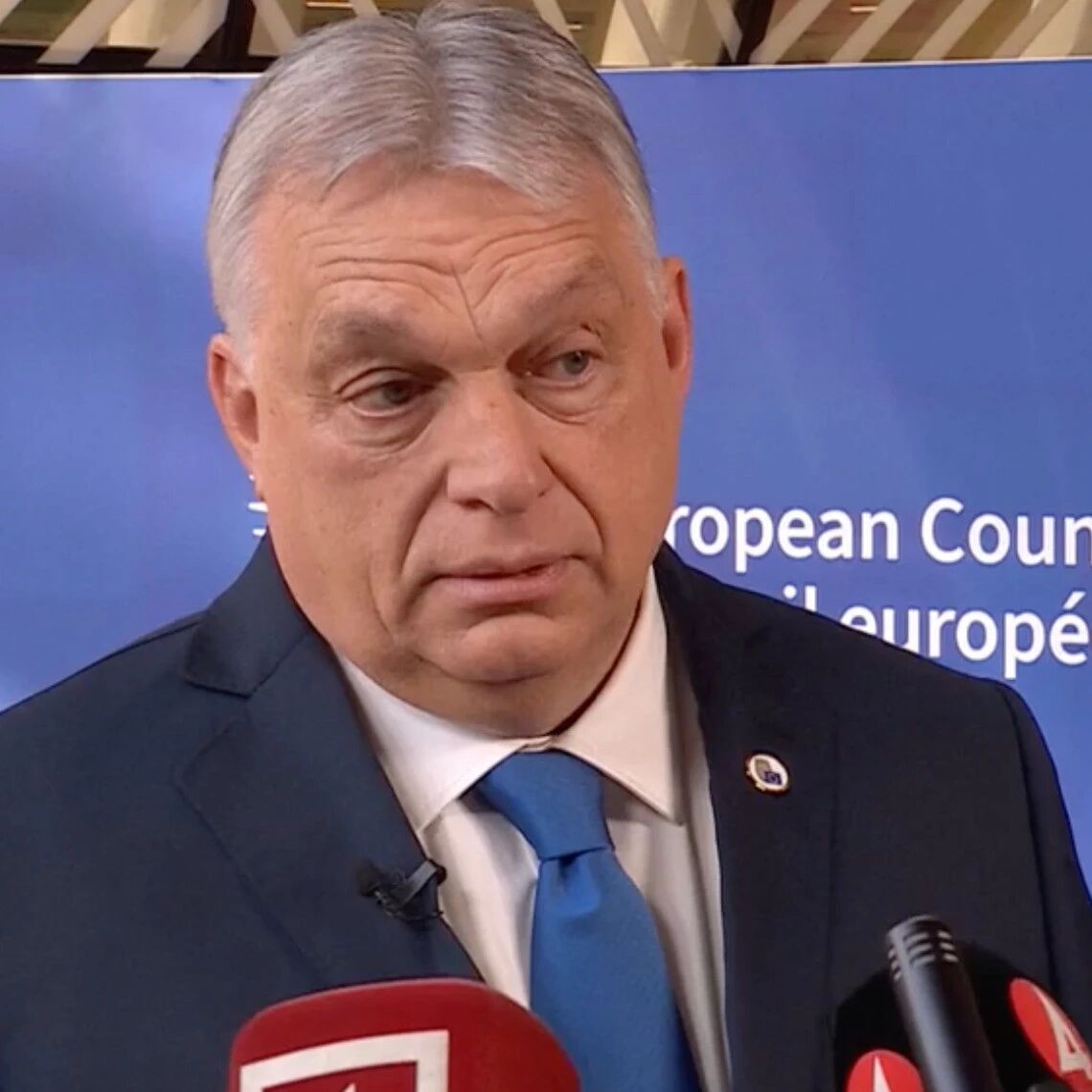
匈牙利总理:“友谊”管道恢复供油前,不支持欧盟任何涉乌决定
中国能源报· 2026-03-19 12:31
Core Viewpoint - Hungary's Prime Minister Orban stated that Hungary will not support any EU decisions to aid Ukraine until oil supplies through Ukraine are restored [1][2]. Group 1 - Orban emphasized that Hungary's position is clear: support for EU decisions regarding Ukraine is contingent on the restoration of oil supplies via the "Friendship" pipeline [2]. - The Prime Minister highlighted that energy supply issues are of "survival significance" for Hungary, rather than a political game [2]. - Orban warned that failure to restore oil transportation would severely impact the lives of Hungarian residents and the operations of businesses [2].

能源日报-20260319
Guo Tou Qi Huo· 2026-03-19 11:23
1. Report Industry Investment Ratings - Crude oil: ★☆☆ [1] - Fuel oil: ★☆★ [1] - Low-sulfur fuel oil: ★☆☆ [1] - Asphalt: ★☆☆ [1] 2. Core Views - Geopolitical conflicts show no sign of easing and have extended to direct attacks on energy infrastructure, pushing up the oil price that has been in a multi - day volatile pattern. However, due to the intensive market information and the large accumulated increase in oil prices, market sentiment is becoming cautious, and short - term oil price fluctuations may intensify [1]. - The geopolitical situation has escalated, and the risk has spread from the logistics end to energy production facilities. The overall strong operation pattern of high - sulfur fuel oil is difficult to change, and the low - sulfur fuel oil also has support [2]. - With the continuation of the war between the US, Israel and Iran and the attack on energy facilities, asphalt follows the rise of crude oil. With the marginal improvement of asphalt fundamentals and the boost of stronger crude oil, BU is expected to maintain an upward trend [2]. 3. Summaries by Categories Crude Oil - Night - session oil prices rose significantly, with the Brent - WTI spread reaching a 11 - year high. Even though the freight from the US Gulf Coast to Europe has increased by 38% after the conflict, the arbitrage window still exists [1]. - On March 18, Iran's giant gas field Pars was attacked by Israel, and Iran threatened to retaliate and strike oil facilities in Saudi Arabia, the UAE and Qatar, increasing concerns about further disruptions to energy supplies in the Middle East [1]. - EIA data shows that US crude oil inventories increased more than expected, while refined oil inventories decreased more than expected. Iraq and the Kurdish region reached an agreement to resume oil exports through the pipeline, but the pipeline transportation volume is still far from that during normal navigation in the Strait of Hormuz [1]. - Trump announced a 60 - day temporary exemption from the Jones Act to reduce domestic energy transportation costs. Strategic petroleum reserves are mainly for emergency buffering and face restocking needs after release [1]. Fuel Oil & Low - Sulfur Fuel Oil - The geopolitical situation has escalated, and the risk has spread from the logistics end to energy production facilities. Even if the Strait passage problem is alleviated, supply recovery will face a longer cycle [2]. - For high - sulfur fuel oil, although Asia's imports from Russia have increased, Russian high - sulfur resources are limited and cannot fully offset the reduction in Middle East supply. With the approaching of the summer power - generation peak season, the power - generation demand for fuel oil is expected to further increase [2]. - For low - sulfur fuel oil, the bunker demand in Singapore has significantly increased, while the supply increment in the market is limited. Coupled with the strong refined oil crack spread, it provides support for low - sulfur fuel oil from the component end [2]. Asphalt - With the continuation of the war between the US, Israel and Iran and the attack on energy facilities, night - session oil prices rose significantly, and asphalt followed the rise of crude oil [2]. - The refinery production plan in April decreased to 862,000 tons, which is at a low level in recent years. The sample refinery shipment volume increased week - on - week, and the cumulative year - on - year decline has narrowed [2]. - Refinery inventories remained flat week - on - week, at the lowest level in the same period in the past three years; social inventories were basically flat year - on - year, and the overall commercial inventory pressure is not large [2].
冠通期货早盘速递-20260319
Guan Tong Qi Huo· 2026-03-19 01:35
Group 1: Hot News - Iran's South Pars gas field and some petrochemical facilities in Asaluyeh were attacked by the US and Israel, and Iran declared to strike back at US - related oil facilities and listed energy facilities of Saudi Arabia, UAE, and Qatar as legitimate targets. Iraq reported a complete halt of Iranian - supplied natural gas [2] - The conflict between the US, Israel, and Iran has severely impacted global energy supply. The daily average oil exports of eight Middle - Eastern countries dropped by about 61% compared to the February average according to Kpler, and by 71% according to Vortexa [2] - The Federal Reserve kept the federal funds rate target range at 3.50% - 3.75%, with a 11 - 1 vote. Fed理事米兰 opposed and advocated a 25 - basis - point rate cut. The economic outlook has high uncertainty due to the Middle - East situation [3] - Guinea will limit bauxite exports by early April to stabilize prices and may link exports to production levels in mining feasibility studies [3] - As of the week ending March 18, national key steel product output and inventory data showed that building material output increased by 32.01 million tons, factory inventory decreased by 43.12 million tons, social inventory increased by 5.54 million tons, and total inventory decreased by 37.58 million tons [3] Group 2: Key Focus - Key commodities to focus on are urea, lithium carbonate, low - sulfur fuel oil, crude oil, and PP [4] Group 3: Night - trading Performance - Different commodity sectors had various night - trading performance. For example, non - metallic building materials had a 2.39% increase, precious metals had a 29.01% increase, and so on [4] Group 4: Position Changes - There were changes in the positions of different commodity futures sectors in the past five days [5] Group 5: Performance of Major Asset Classes - Different asset classes had different daily, monthly, and yearly performance. For example, the Shanghai Composite Index had a 0.32% daily increase, a - 2.40% monthly decrease, and a 2.37% yearly increase [6] Group 6: Major Commodity Trends - The report presents the trends of major commodities such as the Baltic Dry Index, CRB spot index, WTI crude oil, London spot gold, LME copper, etc. [7]
油价继续上行!国际金价震荡
新华网财经· 2026-03-18 00:57
Group 1 - The U.S. stock market saw a slight increase, while international oil prices rose nearly 3% on March 17, coinciding with the Federal Reserve's two-day monetary policy meeting [1] - Concerns over energy supply have intensified due to recent statements from Iran, with the Iranian parliamentary speaker indicating that the situation in the Strait of Hormuz will not return to "pre-war conditions" [3] - International oil prices rebounded after a brief dip, with light crude oil futures for April delivery rising by $2.71 to $96.21 per barrel, a 2.90% increase, and Brent crude oil futures for May delivery increasing by $3.21 to $103.42 per barrel, a 3.20% rise [3] Group 2 - International gold prices fluctuated around the $5000 per ounce mark, with London gold spot prices slightly increasing by 0.06% to $5006.63 per ounce, and COMEX gold futures rising by 0.18% to $5011.3 per ounce [5] - The data for various gold and silver prices as of March 17 includes: London gold spot at $5006.63 (+0.06%), COMEX gold at $5011.3 (+0.18%), and London silver at $79.363 (-1.70%) [6]
刚刚!霍尔木兹海峡,突传大消息!伊朗高级指挥官:结束战争有两个条件
券商中国· 2026-03-14 10:43
Core Viewpoint - The ongoing conflict in the Middle East has significantly impacted maritime shipping through the Strait of Hormuz, with various countries, including India and Turkey, navigating complex negotiations to ensure the safe passage of their vessels amid heightened risks and military actions [1][3][5]. Group 1: Shipping Developments - Two Indian LPG transport ships successfully passed through the Strait of Hormuz and are currently en route to India, with their passage described as "very cautious" [2]. - Approximately 20 Indian flag vessels remain stranded near the Strait of Hormuz, as India engages in urgent negotiations with Iran to secure safe passage for its ships [3]. - A Turkish vessel named "Rozana" has also received approval from Iran to transit the Strait, while 14 other Turkish ships are waiting to pass, highlighting ongoing maritime challenges in the region [4]. Group 2: Maritime Traffic Statistics - Since the escalation of military actions by the US and Israel against Iran, only 77 vessels have transited the Strait of Hormuz from March 1 to the present, a stark decline compared to 1,229 vessels during the same period last year [5]. - The majority of the vessels currently passing through are older ships lacking proper insurance and ownership clarity, often associated with the so-called "shadow fleet" that evades Western sanctions [5]. Group 3: Economic Implications - India, as the world's second-largest importer of liquefied petroleum gas (LPG), relies heavily on imports from the Middle East, with 85% to 90% of its LPG coming from this region. Continued military conflict could disrupt energy supplies and slow India's economic growth [3].

受军事打击、霍尔木兹海峡航运持续受阻影响,多家在中东运营的能源企业接连宣布停产或减产
中国能源报· 2026-03-13 13:12
Group 1 - The ongoing tensions in the Middle East have led several energy companies to halt or reduce production due to military actions and disruptions in shipping through the Strait of Hormuz [1] - TotalEnergies announced a suspension of oil and gas production in Qatar, Iraq, and offshore UAE, affecting approximately 15% of its global output, while land oil production in the UAE remains unaffected [1] - The Abu Dhabi National Oil Company temporarily closed the Ruwais refinery following an attack, with the UAE being the third-largest oil producer in OPEC, producing over 3.5 million barrels per day in January [1] - Kuwait Petroleum Corporation reported a reduction in crude oil and refining output due to threats to shipping safety in the Strait of Hormuz and a shortage of vessels [1] Group 2 - Qatar, as one of the top three global LNG exporters, has nearly all of its liquefied natural gas exports routed through the Strait of Hormuz, accounting for about 20% of global supply [2] - QatarEnergy announced the suspension of operations at its LNG production facilities in Ras Laffan due to attacks on facilities and disruptions in shipping through the Strait of Hormuz [2]


多国考虑动用石油储备,油价直线跳水
21世纪经济报道· 2026-03-11 11:43
Group 1 - International oil prices experienced significant fluctuations on March 11, with WTI crude oil initially surging over 6% before sharply declining, ultimately closing with a gain of 2.41% [1] - The Japanese government plans to release national oil reserves as early as March 16 in response to escalating tensions in Iran [3] - The ongoing Middle East situation has led to a sustained increase in international oil prices, prompting discussions among various countries and international organizations on how to prepare for potential supply disruptions [4] Group 2 - The International Energy Agency (IEA) proposed the release of the largest amount of oil reserves in history to address current supply tightness, with reports suggesting a coordinated release of 300 to 400 million barrels, representing 25% to 30% of IEA member countries' reserves [4] - The G7 energy ministers held a meeting to discuss the global oil and gas market situation, although no decision was made regarding the release of oil reserves at that time [4] - European countries have announced measures to stabilize fuel markets, including Hungary's decision to utilize national oil reserves and implement price caps on retail gasoline and diesel [5]

美国考虑进一步解禁俄罗斯石油!中东断供威胁下 俄油成了香饽饽?
美股IPO· 2026-03-08 00:48
Core Viewpoint - The ongoing conflict in the Gulf region has significantly altered the dynamics of the global oil market, leading to increased demand for Russian oil, which was previously struggling due to sanctions and low prices [3][5][10]. Group 1: Impact of Gulf Conflict on Russian Oil - The recent escalation in the Gulf has transformed previously unsold Russian oil into a sought-after commodity, with the U.S. easing some sanctions to allow key buyers like India to purchase Russian crude [3][5]. - The price of oil and gas has surged, potentially providing higher profits for Russian producers, with WTI crude experiencing its largest increase since 1985 [3][6]. - Russian oil, which was previously sold at significant discounts, is now being offered at prices above the global benchmark Brent crude, indicating a reversal in market dynamics [5][8]. Group 2: Geopolitical Reactions and Economic Implications - Russian President Putin has expressed confidence in the energy sector, suggesting that Russia may halt gas supplies to Europe in response to the EU's plans to completely stop importing Russian gas [6][11]. - The conflict has led to a significant increase in oil and gas prices, with Brent crude rising nearly 30% since the onset of the conflict, which could alleviate financial pressures on the Russian economy [7][10]. - The situation has created a competitive environment for energy supplies, particularly in Asia, where countries like India, Japan, and South Korea are vying for resources, further complicating Europe's energy security [8][10]. Group 3: Market Dynamics and Supply Chain Challenges - Approximately 130 million barrels of Russian oil are currently at sea, with a portion already sold but a significant amount still awaiting buyers [9]. - The disruption in the Gulf has led to a bidding war for liquefied natural gas (LNG) between Europe and Asia, as both regions face supply challenges [10][11]. - The ongoing geopolitical tensions have made the threat of cutting off gas supplies to Europe more impactful, raising concerns about the continent's energy strategy and reliance on Russian resources [11].