消费强国

Search documents
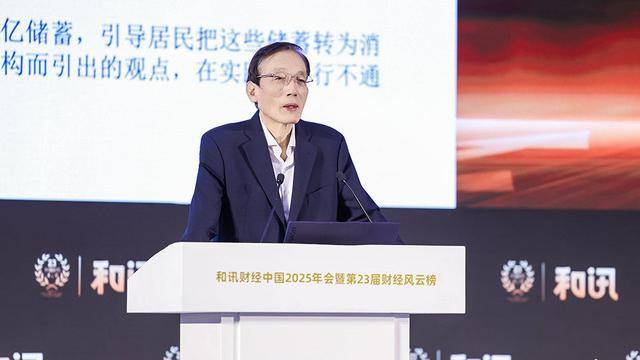
刘世锦:建议“十五五”?期间大幅增加离岸人民币数量,实现人民币国际化使用的“规模经济”
Xin Lang Cai Jing· 2025-12-07 04:43
Core Viewpoint - The conference emphasized the need for China to become a consumer powerhouse, aligning its consumption-to-GDP ratio with international standards and enhancing the internationalization of the Renminbi [3][7]. Group 1: Key Points on Consumer Powerhouse - Liu Shijun outlined three focal points for building a consumer powerhouse: aligning consumption with GDP, prioritizing service consumption, and creating the world's largest consumer market [3][7]. - There is an urgent need to address structural consumption gaps to match the current per capita income levels in China with international standards [3][7]. - Development of service consumption, particularly human capital investment in education, healthcare, and social security, is crucial for driving innovation [3][7]. Group 2: Key Points on Manufacturing and Trade - China's manufacturing sector accounts for 30% of the global share, making it the largest goods exporter, yet there is a significant gap in the internationalization of the Renminbi [4][8]. - A new strategy is needed to balance imports and exports, allowing for increased imports paid in Renminbi while maintaining export competitiveness [4][8]. - In 2024, China's trade surplus is projected to approach $1 trillion, and by shifting to Renminbi for imports, it could significantly expand the offshore Renminbi market from over 1 trillion to more than 7 trillion Renminbi [9].


刘世锦:建议“十五五” 期间大幅增加离岸人民币数量,实现人民币国际化使用的“规模经济” | 和讯2025年会
Sou Hu Cai Jing· 2025-12-07 04:29
Core Insights - The conference focused on finding solutions for China's economic challenges, emphasizing the need for a stronger consumer economy [1] Group 1: Consumer Economy Development - Liu Shijun highlighted three key points for building a strong consumer economy in China: aligning consumption with GDP, focusing on service consumption, and creating the largest consumer market globally [3] - The urgent need to address structural consumption gaps was emphasized, aiming to align China's consumption-to-GDP ratio with international standards [3] - Development of service consumption, particularly human capital investment in education, healthcare, and social security, is crucial for innovation-driven growth [3] Group 2: Internationalization of the Renminbi - China accounts for 30% of global manufacturing and is the largest goods exporter, yet its currency's internationalization remains limited [4] - A significant strategy to enhance the international status of the Renminbi involves increasing offshore Renminbi supply to achieve "scale economy" in its usage [4] - By balancing imports and exports while using Renminbi for payments, China could potentially expand its offshore Renminbi market significantly, from over 1 trillion to more than 7 trillion Renminbi [4]
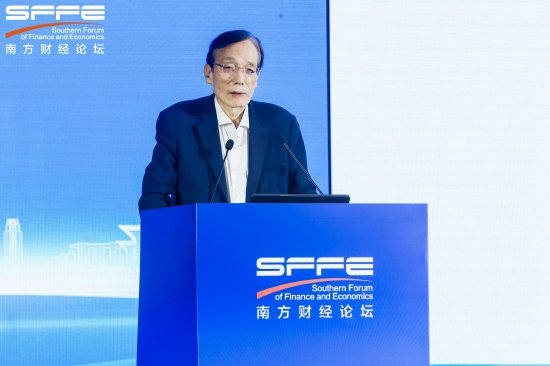
刘世锦:金融强国是实现制造强国和消费强国目标的桥梁
Xin Lang Cai Jing· 2025-12-05 03:23
Core Insights - The "Southern Finance Forum 2025" held in Guangzhou focuses on the theme "The Power of Consensus - Innovation Surge, China's Asset Revaluation" [1][7] - Liu Shijun, a key speaker, highlighted three major advantages of China's economy: catch-up potential, new technology revolution, and super-large market economy [3][10] Economic Advantages - **Catch-up Potential**: This refers to opportunities in areas where developed economies have already advanced, such as service industry development driven by consumption structure upgrades and the transformation of traditional manufacturing and agriculture [3][9] - **New Technology Revolution**: Emphasis on digital and green technologies as focal points for economic advancement [3][9] - **Super-large Market Economy**: While China has 400 million middle-income groups, there are 900 million low-income individuals who could transition to middle-income status, potentially creating a consumption market of 800 to 900 million [3][10] Strategic Goals - **Manufacturing Power**: Aim to cultivate large innovative enterprises at the global forefront [10] - **Consumer Power**: Target to become the largest consumer market globally [10] - **Financial Power**: Financial strength is essential for achieving the first two goals, acting as a bridge for development [10] Financial Development - Liu emphasized the need for a robust capital market and strong currency to support high-quality development, focusing on selecting viable projects to enhance resource allocation efficiency [10][11] - The importance of a strong currency is highlighted, with historical examples of the British pound and the US dollar being tied to strong economic and financial systems [11] Currency Internationalization - Current GDP contribution of China's economy is 18% globally, with manufacturing at 30%, but the currency's functional role is below 10% [11] - Liu proposed increasing offshore RMB supply to achieve scale economy and enhance RMB's international use [11][12] - Suggested adjustments to foreign trade strategy to balance imports and exports while using RMB for transactions, potentially converting a trade surplus of nearly $1 trillion into offshore RMB [12] Recommendations for RMB - Advocated for RMB appreciation to allow consumers to access more international products at better prices, supporting the goal of becoming a consumer powerhouse [12] - Suggested expanding the ecosystem of offshore RMB financial products to improve liquidity and convenience, accelerating the process of RMB internationalization [12]
十五五规划,释放的9大信号!
Sou Hu Cai Jing· 2025-11-04 18:30
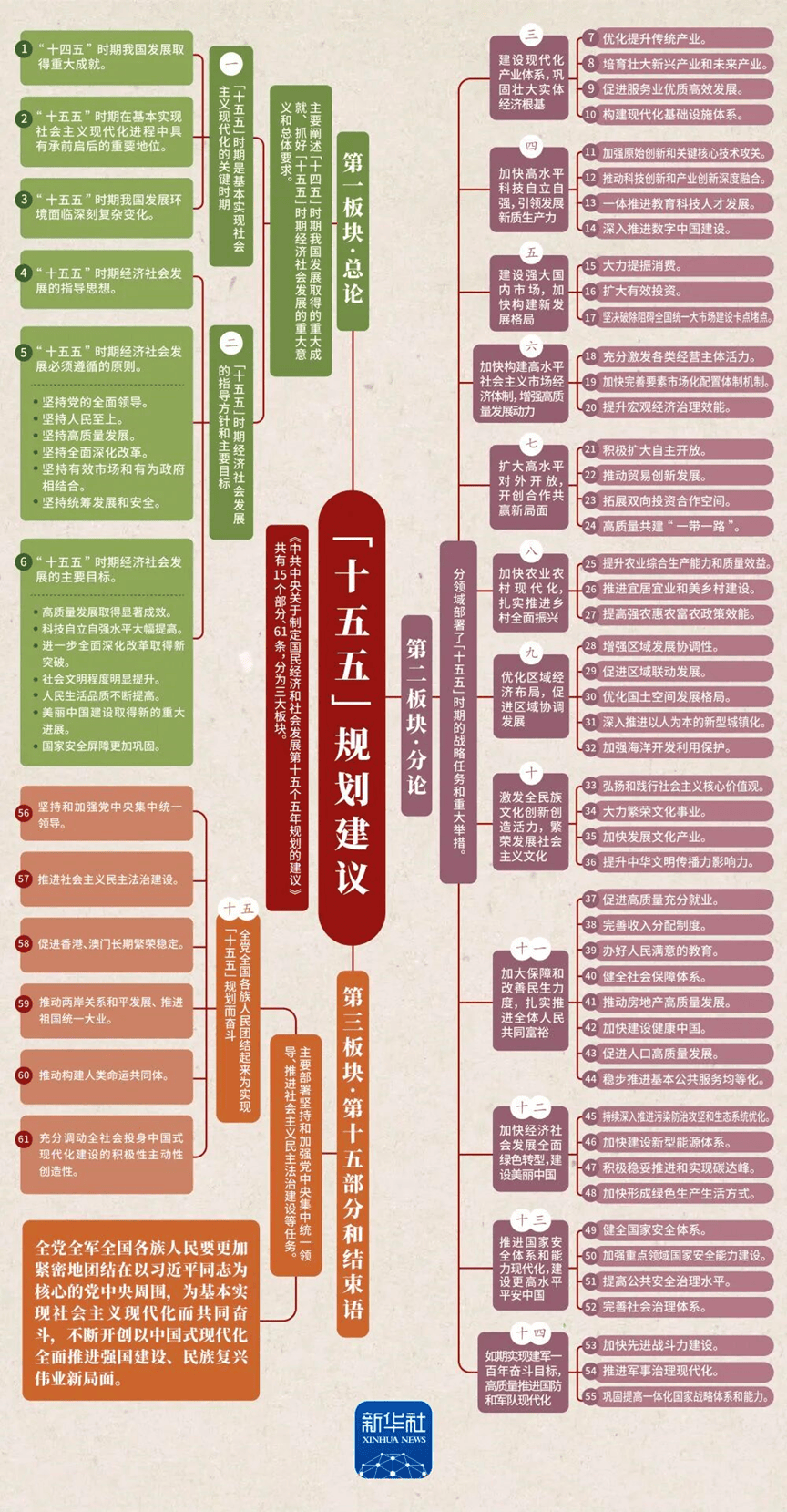
Core Insights - The "15th Five-Year Plan" is a critical roadmap for China's socio-economic development from 2026 to 2030, focusing on high-quality growth and strategic deployment towards modernization by 2035 [3][5]. Group 1: Economic Performance and Goals - During the "14th Five-Year Plan," China's GDP grew at an average rate of 5.5%, reaching 134 trillion RMB, with per capita GDP increasing from $10,632 in 2020 to $13,445 in 2024 [5]. - The "15th Five-Year Plan" aims for significant milestones, including a 70% urbanization rate by 2028, achieving carbon peak by 2030, and a 90% penetration rate for AI applications [3][5]. Group 2: Development Priorities - The plan outlines five main development lines: infrastructure, technology, finance, consumption, and livelihood [4]. - Infrastructure development will focus on major projects like the Sichuan-Tibet Railway and the national water network, which are expected to stabilize the economy [8]. - Technology will shift from factor-driven to innovation-driven growth, emphasizing high-end manufacturing, AI, and energy reform [9][10]. Group 3: Financial Sector - The financial sector is deemed essential for national competitiveness, with a focus on building a robust financial system characterized by strong institutions and regulatory frameworks [10][11]. Group 4: Consumption and Livelihood - The plan addresses insufficient domestic demand, proposing measures to increase household income and reduce consumption burdens, aiming for a consumption rate of 39.9% by 2024 [14][15]. - It emphasizes the importance of public investment in education, healthcare, and social security to stimulate consumption [17][18]. Group 5: Social Policies - The "15th Five-Year Plan" will tackle challenges in public service equality, income stability, and aging population issues, with a focus on health and education [21][22]. - It aims to enhance the quality of life through initiatives in healthcare, childcare, and social welfare, including the introduction of a national childcare subsidy [88][90]. Group 6: Market and Global Integration - The plan emphasizes the establishment of a unified national market to eliminate local protectionism and market fragmentation, which is crucial for enhancing internal stability [40][66]. - It encourages global integration through the "China + N" strategy, promoting international collaboration and investment [72]. Group 7: Key Signals for the Future - The plan reiterates the importance of economic construction, aiming for per capita GDP to reach the level of a moderately developed country by 2035 [74]. - It highlights the commitment to common prosperity, with specific targets for income distribution and social welfare improvements [76][78]. - The focus on "anti-involution" aims to streamline competition and improve industry standards, particularly in emerging sectors like renewable energy and technology [87].
重磅会议开幕:关于“十五五”规划,我们列了五大主线
吴晓波频道· 2025-10-20 01:17
Core Viewpoint - The "15th Five-Year Plan" is a crucial period for China's modernization towards 2035 and high-quality economic development, guiding the direction for the next five years [4][3]. Strategic Deployment - The "15th Five-Year Plan" serves as a key five-year period towards the 2035 modernization goal and is essential for high-quality economic development [4][3]. Industry Planning - Key industries to focus on during the "15th Five-Year Plan" include technology (new quality productivity), finance, agriculture, and energy [5]. - Long-term strategic goals include achieving a 70% urbanization rate by 2028, completing debt tasks from 2024 to 2028, reaching carbon peak by 2030, and achieving a 90% application rate for artificial intelligence [5]. Achievements from the 14th Five-Year Plan - During the "14th Five-Year Plan," China's GDP grew at an average rate of 5.5%, reaching 134 trillion RMB, with per capita GDP increasing from 10,632 USD in 2020 to 13,445 USD in 2024 [6]. "Two Major" Projects - The "15th Five-Year Plan" emphasizes the "Two Major" projects, which focus on implementing national strategic initiatives and enhancing security capabilities in key areas [8]. - Significant projects include the Sichuan-Tibet Railway, Western Land-Sea New Corridor, and the National Water Network, with a planned investment of 800 billion RMB for 1,459 projects by 2025 [9]. Technological Innovation - The "15th Five-Year Plan" will shift China's technological development model from factor-driven to innovation-driven and demand-driven [15]. - Key industries identified for technological focus include high-end intelligent manufacturing, critical technology sectors, new infrastructure in communications, artificial intelligence, and energy reform [15][16]. Financial Development - The "Financial Power" initiative aims to enhance China's financial competitiveness, focusing on six key areas: strong currency, strong central bank, strong financial institutions, strong international financial center, strong financial regulation, and strong financial talent [28][29]. - China's financial competitiveness ranking improved from 41.2 in 2020 to 45.3 in 2024, moving from 8th to 4th globally [36]. Consumer Spending and Economic Growth - The "15th Five-Year Plan" aims to stimulate consumer spending by increasing residents' income and reducing consumption burdens through optimized fiscal spending [50][53]. - Key sectors for potential consumer growth include the "silver economy," health services, and new consumption patterns driven by increased government investment in education, healthcare, and elderly care [62]. Social Welfare and Public Services - The "15th Five-Year Plan" addresses challenges in public service equality, income stability, and the aging population [61]. - Key investment themes include health and childcare services, human capital services, and emerging consumption sectors [63].