
现代企业制度

Search documents
证监会修订发布上市公司治理准则:推动健全现代企业制度 提升规范运作水平
Zhong Guo Zheng Quan Bao· 2025-10-18 01:42
Core Viewpoint - The China Securities Regulatory Commission (CSRC) has revised the Corporate Governance Code to enhance the governance level of listed companies, effective from January 1, 2026, in response to government directives aimed at risk prevention and high-quality capital market development [1][2]. Group 1: Key Changes in Governance Code - The revised code includes comprehensive regulations on the roles and responsibilities of directors and senior management, ensuring they perform their duties faithfully and diligently [1]. - It establishes a remuneration management system that aligns the compensation of directors and senior management with the company's operational performance and individual achievements, promoting better alignment of interests [1]. - The code imposes stricter regulations on the behavior of controlling shareholders and actual controllers, limiting significant adverse impacts from competition and enhancing the responsibilities and decision-making requirements for related party transactions [1]. - It ensures coordination with other regulations, improving the clarity of shareholder rights and the responsibilities of the board's nomination and remuneration committees [1]. Group 2: Implementation and Feedback - The CSRC has previously solicited public opinions on the governance code, receiving overall positive feedback on the direction and content of the revisions [2]. - The CSRC will focus on the implementation of the governance code, encouraging listed companies to continuously improve their modern corporate systems and operational standards [2].
推动健全现代企业制度 提升规范运作水平
Zhong Guo Zheng Quan Bao· 2025-10-17 20:19
Core Viewpoint - The China Securities Regulatory Commission (CSRC) has revised the Corporate Governance Guidelines for listed companies, effective from January 1, 2026, to enhance governance standards and mitigate risks in the capital market [1][2] Summary by Relevant Sections Governance Structure - The revised guidelines aim to improve the regulatory framework for directors and senior management, covering aspects from appointment to performance and departure, ensuring they fulfill their duties diligently and faithfully [1] Incentive and Restraint Mechanisms - Companies are required to establish a compensation management system that aligns the remuneration of directors and senior executives with the company's operational performance and individual achievements, promoting better alignment of interests [1] Shareholder and Control Behavior - The guidelines impose stricter regulations on controlling shareholders and actual controllers, particularly regarding competition that could adversely affect the listed company, and enhance the responsibilities and decision-making requirements for related party transactions [1] Coordination with Other Regulations - The guidelines will be aligned with existing laws such as the Securities Law and the Management Measures for Independent Directors of Listed Companies, improving the coordination of rules related to shareholder rights and the responsibilities of board committees [1][2]
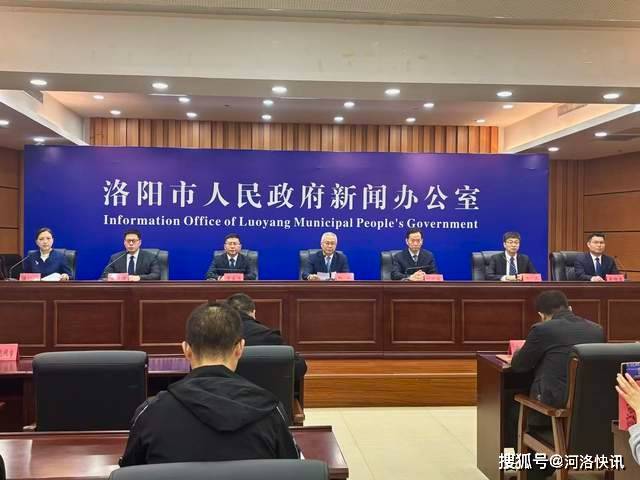
河南洛阳民营经济“六个新”突破,打造高质量发展“强引擎”
Sou Hu Cai Jing· 2025-10-03 07:50
Core Insights - The private economy in Luoyang is a significant driving force for urban development, showing unprecedented vitality and speed since the 14th Five-Year Plan began [1] - Luoyang has established a new development pattern marked by "six new" initiatives, positioning the private economy as a "strong engine" for modernizing the city [1] Mechanism Breakthrough - Luoyang is the only city in the province to have a dedicated Private Economy Development Bureau as part of the government, creating a two-level professional service system [3] - The private economy contributes 50% of the city's tax revenue, 62% of GDP, 83% of new employment, and 93% of market entities, demonstrating strong resilience and driving capacity [3] Dynamic Upgrade - The total number of private market entities in Luoyang has surpassed 730,000, with a net increase of 370,000 since the end of the 13th Five-Year Plan [3] - Private enterprises account for over 90% of high-quality companies in specialized and innovative sectors, with private investment making up 55% [3] - The added value of private industry has grown 6.7 percentage points faster than the city average, and private enterprises' export share has risen to 85.3% [3] Service Quality Improvement - Luoyang has implemented initiatives like "Ten Thousand People Assist Ten Thousand Enterprises," resolving over 13,000 business issues with a resolution rate of over 97% [3] - The city has been recognized as an excellent city for the "Ten Thousand People Assist Ten Thousand Enterprises" program for two consecutive years, promoting a service philosophy of "responding to needs" [3] Element Coordination - Luoyang has innovatively conducted "six matching" activities to connect enterprises with national and private sectors, covering various dimensions such as production and sales, finance, labor, and technology [5] - This year, 1,192 matching events have been held, involving over 40,000 enterprises, resulting in financing of 1.649 billion yuan, employment intentions for 116,000 people, and technology contract transactions worth 18.48 billion yuan [5] Management Renewal - Luoyang has introduced 15 special measures to modernize enterprise governance and established a cultivation database for modern enterprise systems [6] - Over 260 specialized training sessions have been organized, covering 15,000 entrepreneurs and executives, injecting vitality and talent into enterprise development [6] Atmosphere Creation - The establishment of "Luoyang Entrepreneur Day" and related activities aims to promote entrepreneurial spirit and create a supportive environment for businesses [7] - The expectations for policies are more stable, and confidence in development is stronger, with the private economy deeply integrated into Luoyang's urban fabric and development foundation [7]

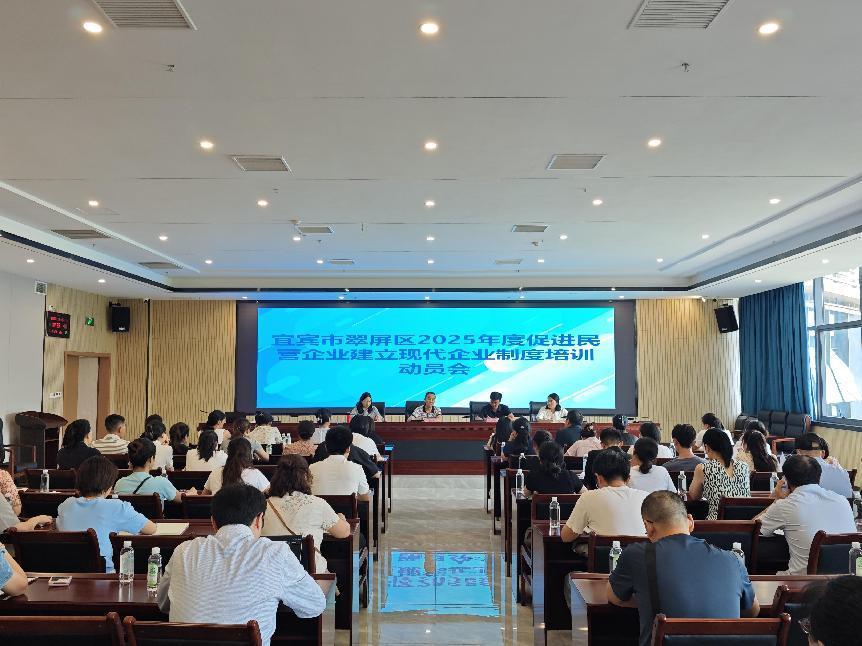
宜宾市翠屏区:完善现代企业制度,促进民营企业高质量发展
Zhong Guo Jing Ji Wang· 2025-09-24 09:16
Core Viewpoint - The meeting emphasizes the importance of helping private enterprises establish modern corporate systems to enhance efficiency, competitiveness, and promote high-quality development in the private economy [2][3]. Group 1: Importance of Modern Corporate Systems - Establishing modern corporate systems is crucial for improving enterprise efficiency and competitiveness, promoting fair competition, stimulating market vitality, and enhancing innovation-driven high-quality development [3]. - It also plays a significant role in optimizing resource allocation and effectively preventing risks [3]. Group 2: Key Focus Areas for Enterprises - Private enterprises are encouraged to focus on strengthening and improving the Party's construction in non-public enterprises, enhancing corporate governance structures, and improving scientific management levels [3]. - Other areas of focus include establishing incentive innovation systems and developing corporate social responsibility and corporate culture [3]. Group 3: Training and Support - The meeting included a specialized training session led by a lawyer from Sichuan Yanju Law Firm, covering the meaning of modern enterprises and practical methods for establishing modern corporate systems [5]. - Participants received a checklist of necessary materials to better understand the establishment of modern corporate systems and engage in face-to-face discussions with the lawyer for clarification [5]. - The training enhanced the participants' understanding of the importance of modern corporate systems and increased their initiative and sense of responsibility in implementing these systems [5].
江苏启动民营企业家培养计划
Xin Hua Ri Bao· 2025-09-18 22:09
Core Viewpoint - The "New Sharp Su Business, New Journey Ahead" training program for private entrepreneurs was launched to promote the spirit of Xi Jinping's important speech at the private enterprise symposium and to support the "two healths" initiative [1] Group 1: Program Objectives - The training program is designed to align with the goals of the "14th Five-Year Plan" and the modernization practices in Jiangsu, focusing on the development of private economic leaders [1] - Entrepreneurs are encouraged to integrate their business development with national prosperity, ethnic rejuvenation, and people's happiness, emphasizing a commitment to serving the country through industry [1] Group 2: Key Focus Areas - Entrepreneurs should maintain focus on their core business, engage deeply in the real economy, and adapt to technological changes, with innovation being the "core engine" for business development [1] - There is a strong emphasis on adhering to legal regulations and market rules, fostering a clear and positive relationship between government and business, and building a modern corporate governance structure [1] Group 3: Social Responsibility - The program advocates for a people-centered development approach, contributing to job stability, social welfare, and rural revitalization, thereby supporting the modernization practices in Jiangsu [1]
海油工程: 海油工程公司章程
Zheng Quan Zhi Xing· 2025-09-04 11:14
Group 1 - The company is named Offshore Oil Engineering Co., Ltd., established on April 18, 2000, and registered in the Tianjin Free Trade Zone [3][4] - The registered capital of the company is RMB 4,421,354,800 [4] - The company operates as a public limited company and is subject to the regulations of the Company Law and Securities Law of the People's Republic of China [3][5] Group 2 - The company's business scope includes construction engineering, design, manufacturing of special equipment, and various oil and gas technology services [6][7] - The company aims to enhance its capabilities in marine oil engineering contracting and improve economic and social benefits for shareholders [5][6] Group 3 - The company has issued a total of 4,421,354,800 shares, all of which are ordinary shares [9] - The shares are issued based on principles of openness, fairness, and justice, ensuring equal rights for all shareholders of the same category [8][9] Group 4 - The company has established a governance structure that includes a board of directors and a shareholders' meeting, which are responsible for major decisions and oversight [14][15] - Shareholders have rights to dividends, voting, and participation in company management, as well as obligations to comply with laws and regulations [14][18]

曲美家居: 总经理工作细则(2025年修订)
Zheng Quan Zhi Xing· 2025-08-29 17:57
Core Points - The document outlines the operational guidelines for the General Manager of Qu Mei Home Group Co., Ltd, aiming to enhance the corporate governance structure and management efficiency [5][6]. Group 1: General Provisions - The company establishes a General Manager position to oversee daily operations and implement board decisions [5]. - The General Manager is responsible for appointing or dismissing management personnel not requiring board approval [5]. - Monthly operational meetings are held to review past performance and plan future activities [5]. Group 2: Responsibilities of the General Manager - The General Manager leads the company's production and operational management, implements annual plans, and proposes internal management structures [6]. - Responsibilities include drafting management regulations, suggesting appointments for senior management, and executing other powers granted by the board [6]. Group 3: Responsibilities of the Financial Officer - The Financial Officer manages the company's financial operations and develops financial accounting systems [6]. - Duties include preparing financial reports, supervising major investment projects, and ensuring compliance with financial plans [6]. Group 4: Decision-Making Authority - The General Manager has full responsibility for matters not explicitly reserved for the shareholders' meeting or board, with significant matters reported to the board [6]. - Major contracts require the General Manager's approval and signature [6].

从家族作坊到上市公司:汾酒百年跋涉书写中国酒业现代化范本
Xiao Fei Ri Bao Wang· 2025-08-27 03:23
Core Viewpoint - The article highlights the origins and evolution of modern corporate governance in China, particularly through the example of Shanxi Jin Yu Fen Jiu Company, which established a modern corporate structure and brand awareness in the Chinese liquor industry [4][12][21]. Group 1: Historical Context - The modern corporate system in China can trace its roots back to the Jin merchants in Shanxi, who created advanced commercial rules and credit systems over 500 years [3][12]. - The establishment of Shanxi Jin Yu Fen Jiu Company in 1919 marked a significant milestone as the first joint-stock company in the Chinese liquor industry, showcasing clear separation of ownership and management [4][10]. Group 2: Corporate Governance - Jin Yu Fen Jiu Company implemented a modern governance structure with a clear hierarchy, including roles such as general manager and various managerial positions, enhancing operational efficiency [7][11]. - The company established a "three-three system" for employee compensation, which included monthly salary, bonuses, and incentives, promoting a performance-driven culture [11]. Group 3: Brand Development - The company demonstrated early brand awareness by exclusively selling its products through Jin Yu Company, indicating an understanding of brand control and market channels [13]. - The introduction of the first legally protected trademark in the Chinese liquor industry, featuring a design based on a full ear of sorghum, marked the beginning of brand-oriented operations [21]. Group 4: Challenges and Resilience - The company faced significant challenges during the Second Sino-Japanese War, yet it managed to maintain its brand and operations, reflecting resilience in difficult times [23]. - Following the establishment of the People's Republic of China, the company transitioned into a state-owned enterprise, preserving its legacy and core competencies [23][26]. Group 5: Modern Developments - In 2019, Jin Yu Fen Jiu Company achieved overall listing, becoming a benchmark for state-owned enterprise reform in China, demonstrating its evolution from a traditional workshop to a modern corporate entity [28]. - The company has set ambitious goals for the future, aiming to position itself among the top players in the Chinese liquor industry by 2025, focusing on national expansion and brand modernization [29][32].

清越科技: 总经理工作细则(2025年8月修订)
Zheng Quan Zhi Xing· 2025-08-26 16:40
General Provisions - The purpose of the General Manager's Work Rules is to adapt to modern corporate governance requirements and ensure the correctness and rationality of major business decisions [1] - The General Manager is responsible for the daily management of the company under the leadership of the Board of Directors [1] Appointment of General Manager - The General Manager is nominated by the Chairman and appointed by the Board of Directors, with a term of three years [2] - The General Manager and other senior management must be full-time and cannot hold other administrative positions in controlled enterprises [2][3] Powers and Duties of the General Manager - The General Manager has the authority to manage daily operations, implement board resolutions, and report to the Board [12] - The General Manager must ensure compliance with laws and regulations, and has specific duties including organizing annual plans, managing internal structures, and overseeing employee welfare [12][18] Vice General Manager's Powers - The Vice General Manager assists the General Manager and is responsible for their designated duties, reporting regularly to the General Manager [19] Financial Responsibilities - The company has a Financial Officer responsible for daily financial operations, budget planning, and financial reporting [22] General Manager's Office Meetings - The General Manager's Office Meeting is convened to discuss major operational issues and implement board resolutions [24] - Meetings can be regular or temporary, with a focus on key issues and thorough documentation [28] Dismissal of General Manager - The Board of Directors must dismiss the General Manager under specific circumstances, including failure to meet appointment conditions [31][32] Reporting System - The General Manager is required to report on significant matters regularly and in a timely manner, ensuring the accuracy of the reports [37][41]
浙海德曼: 浙海德曼总经理工作制度(202508)
Zheng Quan Zhi Xing· 2025-08-26 16:19
Core Points - The document outlines the management structure and responsibilities of the general manager and the management team of Zhejiang Haideman Intelligent Equipment Co., Ltd [2][4][5] - It establishes the rules for the appointment, duties, and reporting obligations of the general manager and other senior management members [6][12][32] Group 1: General Provisions - The general manager is appointed by the board of directors and is responsible for the daily operations of the company [4][5] - The management team includes the general manager, vice general managers, and the financial officer, all of whom must be full-time employees [6][8] - The term for the general manager and other senior management members is three years, with the possibility of reappointment [7][8] Group 2: Powers and Responsibilities - The general manager is responsible for implementing board decisions, managing production and operations, and proposing the appointment or dismissal of other senior management [12][13] - The financial officer assists the general manager in financial management and is responsible for the company's daily financial operations [19][20] - The management team must adhere to the company's regulations and report significant events to the board [20][21] Group 3: Meetings and Reporting - The company has established a general manager's office meeting system to discuss major operational and management issues [22][23] - The general manager is required to report to the board and the audit committee regularly, typically on a quarterly basis [32][33] - In case of significant events, the general manager must provide timely reports to the board [34][35]
