
生态环境法典

Search documents
全国人民代表大会常务委员会关于召开第十四届全国人民代表大会第四次会议的决定 (2025年12月27日第十四届全国人民代表大会常务委员会第十九次会议通过)
Ren Min Ri Bao· 2025-12-27 21:58
Core Points - The 14th National People's Congress (NPC) of China will hold its fourth session on March 5, 2026, in Beijing [1] - The agenda includes reviewing the government work report and examining the draft outline of the 15th Five-Year Plan for national economic and social development [1] - The session will also review the execution of the 2025 national economic and social development plan and the draft for the 2026 plan [1] - Additionally, the meeting will assess the execution of the 2025 central and local budgets and the draft budgets for 2026 [1] - Proposals for reviewing several laws, including the draft Ecological Environment Code, the draft Law on Promoting National Unity and Progress, and the draft National Development Planning Law, will be presented [1] - Reports from the Standing Committee of the NPC, the Supreme People's Court, and the Supreme People's Procuratorate will also be reviewed [1]
十四届全国人大四次会议将于明年3月5日召开 全国政协十四届四次会议将于明年3月4日召开
Xin Lang Cai Jing· 2025-12-27 21:47
Group 1 - The 14th National People's Congress (NPC) will hold its fourth session on March 5, 2026, in Beijing [1] - The agenda for the NPC's fourth session includes reviewing the government work report and examining the draft outline of the 15th Five-Year Plan for national economic and social development [1] - The session will also review the execution of the 2025 national economic and social development plan and the draft plan for 2026 [1] Group 2 - The 14th National Committee of the Chinese People's Political Consultative Conference (CPPCC) will hold its fourth session on March 4, 2026, in Beijing [2] - A preparatory meeting for the CPPCC's fourth session will take place from March 1 to 2, 2026 [2]
全国人民代表大会常务委员会关于召开 第十四届全国人民代表大会第四次会议的决定
Xin Lang Cai Jing· 2025-12-27 17:39
Core Viewpoint - The 14th National People's Congress of the People's Republic of China will hold its fourth session on March 5, 2026, in Beijing, focusing on key legislative and economic agendas [1] Legislative Agenda - The agenda includes reviewing the government work report [1] - Examination of the draft outline for the 15th Five-Year Plan for national economic and social development [1] - Review of the execution of the 2025 national economic and social development plan and the draft for the 2026 plan [1] - Examination of the execution of the 2025 central and local budgets and the draft for the 2026 budgets [1] - Consideration of the draft Ecological Environment Code [1] - Review of the draft Law on Promoting National Unity and Progress [1] - Examination of the draft National Development Planning Law [1] - Review of the work reports from the Standing Committee of the National People's Congress, the Supreme People's Court, and the Supreme People's Procuratorate [1]
十四届全国人大四次会议 将于2026年3月5日在京召开
Xin Lang Cai Jing· 2025-12-27 17:39
Core Points - The 14th National People's Congress (NPC) will hold its fourth session on March 5, 2026, in Beijing [1] - The agenda includes reviewing the government work report and examining the draft outline of the 15th Five-Year Plan for national economic and social development [1] - The session will also review the execution of the 2025 national economic and social development plan and the draft for 2026 [1] - Additional items on the agenda include reviewing budget execution reports and drafts for both central and local budgets for 2025 and 2026 [1] - The session will consider several legislative proposals, including the draft of the Ecological Environment Law, the draft of the National Unity Promotion Law, and the draft of the National Development Planning Law [1] - Reports from the Standing Committee of the NPC, the Supreme People's Court, and the Supreme People's Procuratorate will also be reviewed [1]
全国人大常委会关于召开十四届全国人大四次会议的决定
Xin Lang Cai Jing· 2025-12-27 10:26
Core Points - The 14th National People's Congress (NPC) will hold its fourth session on March 5, 2026, in Beijing [1] - The agenda includes reviewing the government work report and examining the draft outline of the 15th Five-Year Plan for national economic and social development [1] - The session will also review the execution of the 2025 national economic and social development plan and the draft plan for 2026 [1] - Additional reviews will cover the execution of the 2025 central and local budgets and the draft budgets for 2026 [1] - The session will consider several legislative proposals, including the draft Ecological Environment Code, the draft Law on Promoting National Unity and Progress, and the draft National Development Planning Law [1] - Reports from the Standing Committee of the NPC, the Supreme People's Court, and the Supreme People's Procuratorate will also be reviewed [1]
野生动物伤人事件多发,重申如何应对等法律常识很有现实价值
Nan Fang Du Shi Bao· 2025-12-27 08:21
Core Viewpoint - The draft of the Ecological Environment Code emphasizes the need for comprehensive prevention and control measures against wildlife harm, particularly focusing on the increasing incidents involving wild boars, while still maintaining the legal protection of wildlife [1][2][3] Group 1: Legislative Changes - The draft code mandates that local governments at the county level and above must actively engage in comprehensive prevention and control of wildlife harm in areas severely affected by wildlife incidents [1] - The code introduces a legal framework that clarifies the responsibilities of local governments in wildlife harm prevention, marking an upgrade from previous measures [2] Group 2: Wildlife Incidents and Public Safety - There has been a notable increase in incidents involving wild boars, with data indicating a population of 2 million wild boars in China and incidents reported in 26 provinces [1] - The draft code allows for legal protection for individuals who take measures against wildlife that threaten personal safety, alleviating concerns about legal repercussions during such emergencies [2] Group 3: Public Awareness and Education - The reiteration of existing legal principles in the draft code serves as a reminder for public awareness regarding wildlife encounters and the legal implications of defensive actions [3]
生态环境法典草案三次审议稿回应各界关切:固体废物跨省转移要报“出入”双方
Xin Lang Cai Jing· 2025-12-25 17:24
Group 1 - The ecological environment code draft is China's second law named as a "code," focusing on judicial guarantees for ecological environment protection [1][2] - The draft emphasizes the responsibilities of the People's Court and People's Procuratorate in ecological environment protection, enhancing the compensation and public interest litigation systems [2] - The draft introduces a credit repair mechanism for enterprises correcting their dishonest behavior, allowing them to apply for credit restoration [2] Group 2 - The pollution prevention section has been improved to regulate the burning of straw and leaves, and to strengthen the supervision of solid waste transfer across provinces [3] - The draft includes provisions for controlled nuclear fusion radioactive pollution prevention, establishing a management system for fusion fuel and facilities [3][4] - In emergency situations causing damage to wildlife, the draft states that no legal responsibility will be incurred [4] Group 3 - The draft includes new regulations to promote agricultural water conservation and improve irrigation efficiency [5] - It emphasizes the importance of the "Three North" project for ecological protection and restoration [5] Group 4 - The draft aims to enhance the development and utilization of renewable energy, supporting both centralized and distributed energy sources [6][7] - It outlines the establishment of a green and low-carbon policy framework, promoting a circular economy and resource recycling [6] Group 5 - The draft adjusts legal responsibilities to ensure consistency across similar violations, enhancing penalties for radioactive pollution [9][10] - It proposes modifications to the ecological environment damage compensation litigation system, allowing only the People's Procuratorate to initiate lawsuits if the government fails to act [10]
围绕关键问题聚焦制度完善建言献策
Xin Lang Cai Jing· 2025-12-24 19:52
Core Viewpoint - The draft of the Ecological Environment Code has undergone significant revisions based on various suggestions, and it is now considered relatively mature, with a focus on improving systems related to pollution prevention, ecological protection, supervision management, and legal responsibilities [1] Pollution Prevention - Specific suggestions were made to enhance the pollution prevention section, including prohibiting the arbitrary dumping of hazardous waste and clarifying responsibilities for solid waste management [2] - Recommendations include setting time limits for temporary waste storage and ensuring proper classification of waste to address existing issues in urban and rural solid waste management [2] Supervision and Rights Protection - There is a need for a comprehensive legal framework addressing ecological damage caused by natural disasters, including prevention, emergency response, and ecological restoration [3] - Suggestions were made to enhance the role of social organizations in environmental public interest litigation by allowing prosecutorial support for evidence collection and legal consultation [3] Practical Implementation - Concerns were raised about the practicality of the Ecological Environment Code, particularly regarding penalties for non-compliance with regulations on single-use plastic products, suggesting adjustments to ensure enforceability [4] - Emphasis was placed on public participation and education regarding ecological protection, with proposals to create accessible materials for farmers to understand relevant legal provisions [4]
生态环境法典草案进入三审,学者呼吁明确公民环境权
Di Yi Cai Jing· 2025-12-24 04:07
Core Viewpoint - The draft of the Ecological Environment Code is under review, aiming to legally recognize citizens' environmental rights in China, which is crucial for sustainable development and aligns with international standards [1][2][4]. Group 1: Environmental Rights Recognition - By the end of 2020, 156 out of 193 UN member states legally recognized environmental rights, indicating a global trend towards acknowledging the right to a clean and healthy environment [1]. - The United Nations Human Rights Council passed a resolution in October 2021 recognizing the right to a clean, healthy, and sustainable environment as a significant human right [1]. Group 2: Legislative Insights - The draft of the Ecological Environment Code has been criticized for emphasizing citizens' obligations over their rights, which is contrary to the practices of many countries [4][6]. - The draft fails to explicitly mention the public's right to a clean and healthy environment while allowing for pollution rights, which may mislead the public regarding pollution management [5][6]. Group 3: Recommendations for Improvement - Experts suggest that the Ecological Environment Code should clearly define public environmental rights and eliminate the term "pollution rights" to better reflect the intention of environmental protection [6]. - Incorporating international experiences in the legislation could create a comprehensive legal framework that supports the realization of a beautiful China by 2035 and 2050 [6].

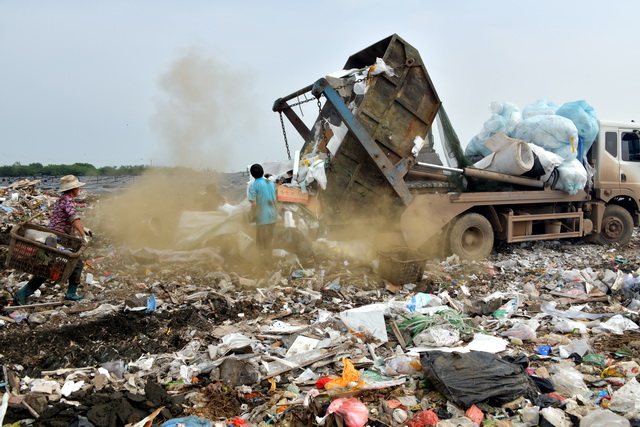
秸秆焚烧、野生动物伤人……生态环境法典草案三审稿看点聚焦
Xin Hua Wang· 2025-12-23 11:43
Group 1 - The draft of the Ecological Environment Code has undergone its third review, addressing various concerns from the public and experts [1] - The draft emphasizes the need for stronger regulation of ecological monitoring institutions to ensure data quality and prevent fraud [2][3] - It proposes a scientific approach to the management of straw and leaf burning, balancing environmental protection with agricultural needs [4] Group 2 - The draft mandates that solid waste transfers across provincial borders must be reported to both the sending and receiving local environmental authorities [5][6][7] - It aims to address conflicts between humans and wildlife by promoting proactive measures for wildlife damage prevention and clarifying legal protections for self-defense in emergencies [8][9] - The draft includes a dedicated section on green and low-carbon development, focusing on the establishment of a circular economy and enhancing resource recovery systems [10][11]